East Siberian Laika
From Russia
Purpose & Origin
The East Siberian Laika is a Russian hunting spitz originating east of the Yenisei River, in the vast taiga and tundra territory of eastern Siberia. Its ancestors were sled dogs used by indigenous peoples across the region; those dogs were later refined into a dedicated hunting breed capable of tracking and baying large game, including bear and deer.
Before the Soviet-era standardisation effort, several aboriginal laika types existed across the region, and the East Siberian was formally recognised as a distinct breed in 1947. Its type name in Russian, Vostotchno-Sibirskaia Laika, simply means "eastern Siberian barker," since laika derives from the Russian word for bark.
The breed was used to locate and hold game by barking until the hunter arrived, a technique well suited to dense forest. It is the largest of the four Russian Laikas, standing up to 25 inches (64 cm) at the shoulder.
Temperament & Behaviour
The East Siberian Laika is calm and good-natured by the standards of northern hunting dogs. It adapts well to life as a household companion, which is unusual among Laikas, and has a reputation for genuine loyalty and affection toward its family. It is self-confident and independent, with strong territorial instincts and a high prey drive. Around the home it tends to be even-tempered rather than reactive, but that prey drive is real: small animals are at risk, and the dog will follow a scent with single-minded focus. It is alert and watchful, and will bark at perceived threats, making it a capable natural guardian without being aggressive.
Activity & Training
This is a high-energy working breed that needs serious daily exercise. A brisk walk around the block is not enough. The East Siberian Laika thrives with long runs, off-leash time in secure areas, and mentally stimulating work such as nose tasks or tracking. It has been described as obedient and trainable relative to other Laikas, and responds well to consistent, reward-based handling. That said, the independence bred into it over centuries of hunting solo in the forest means it will test boundaries. Early socialisation and firm, patient training from puppyhood are essential. It is not a breed for first-time owners who underestimate the time commitment.
Grooming
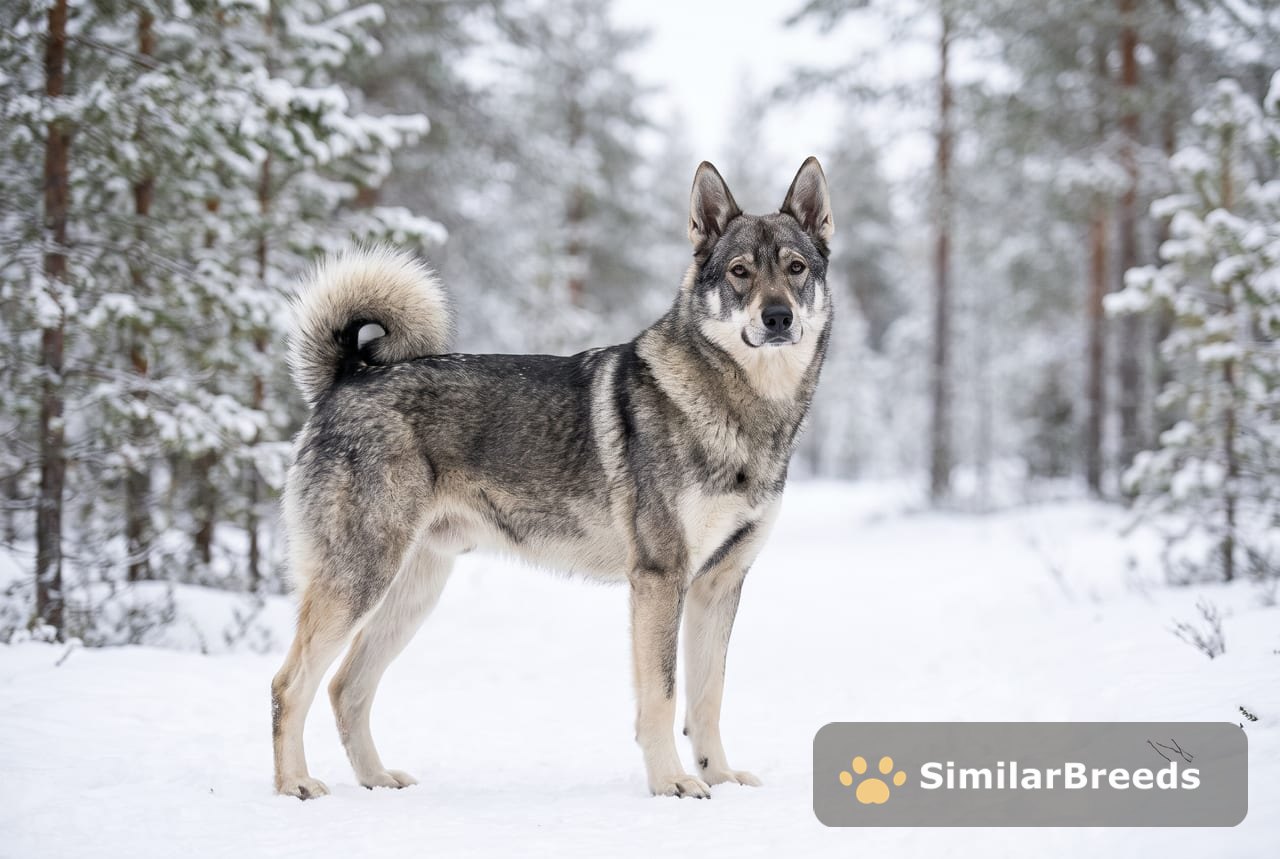
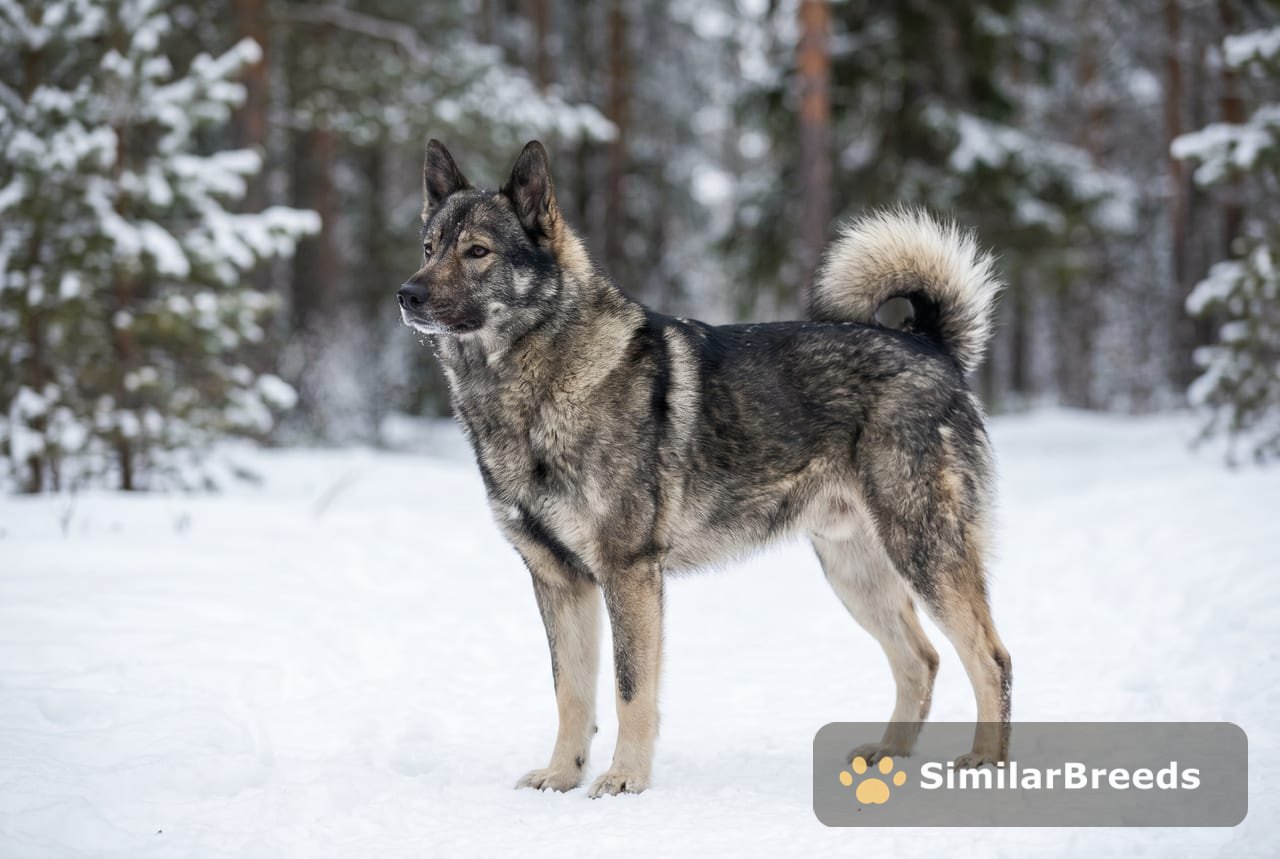
The coat is a medium-length double coat: a coarse, straight outer layer over a soft, dense undercoat. Colour is highly variable, ranging through white, grey, black, red, brown, and salt-and-pepper, often with patches or ticking. The coat sheds heavily during seasonal blows, typically twice a year, requiring daily brushing during those periods. Outside of shedding season, a thorough brush twice a week keeps the coat clean and mat-free. The breed is naturally clean and does not carry a strong doggy odour. Bathing a few times per year is generally sufficient.
Health
The East Siberian Laika is considered one of the hardier purebreds, with no breed-specific hereditary diseases documented at high frequency. The main conditions to screen for are hip dysplasia and progressive retinal atrophy (PRA), both of which appear occasionally in the breed. Given the limited gene pool outside Russia, buyers should seek breeders who test parent dogs for both. Lifespan is typically 12 to 14 years, which is good for a dog of this size.
Why these breeds are similar
The **Russian-European Laika** (also called the Russo-European Laika) is the closest functional parallel, a Soviet-standardised hunting spitz developed on the opposite side of the Ural divide, sharing the same bark-and-hold hunting style, double coat, and curled tail; the main differences are slightly smaller size and a narrower geographic origin. The **West Siberian Laika** overlaps in purpose and general spitz conformation but was shaped by Ugric peoples further west, resulting in a somewhat lighter build and a stronger reputation for versatility on both large and small game.
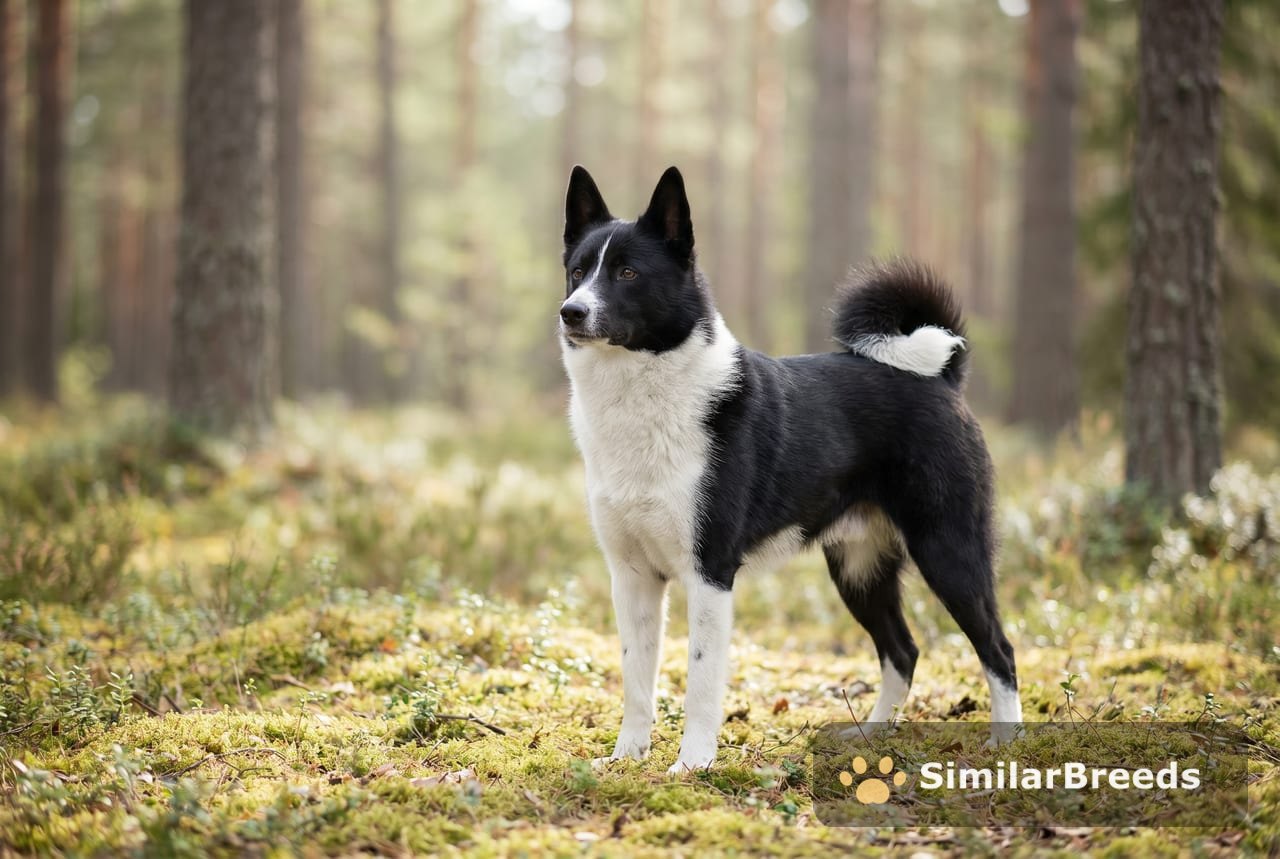
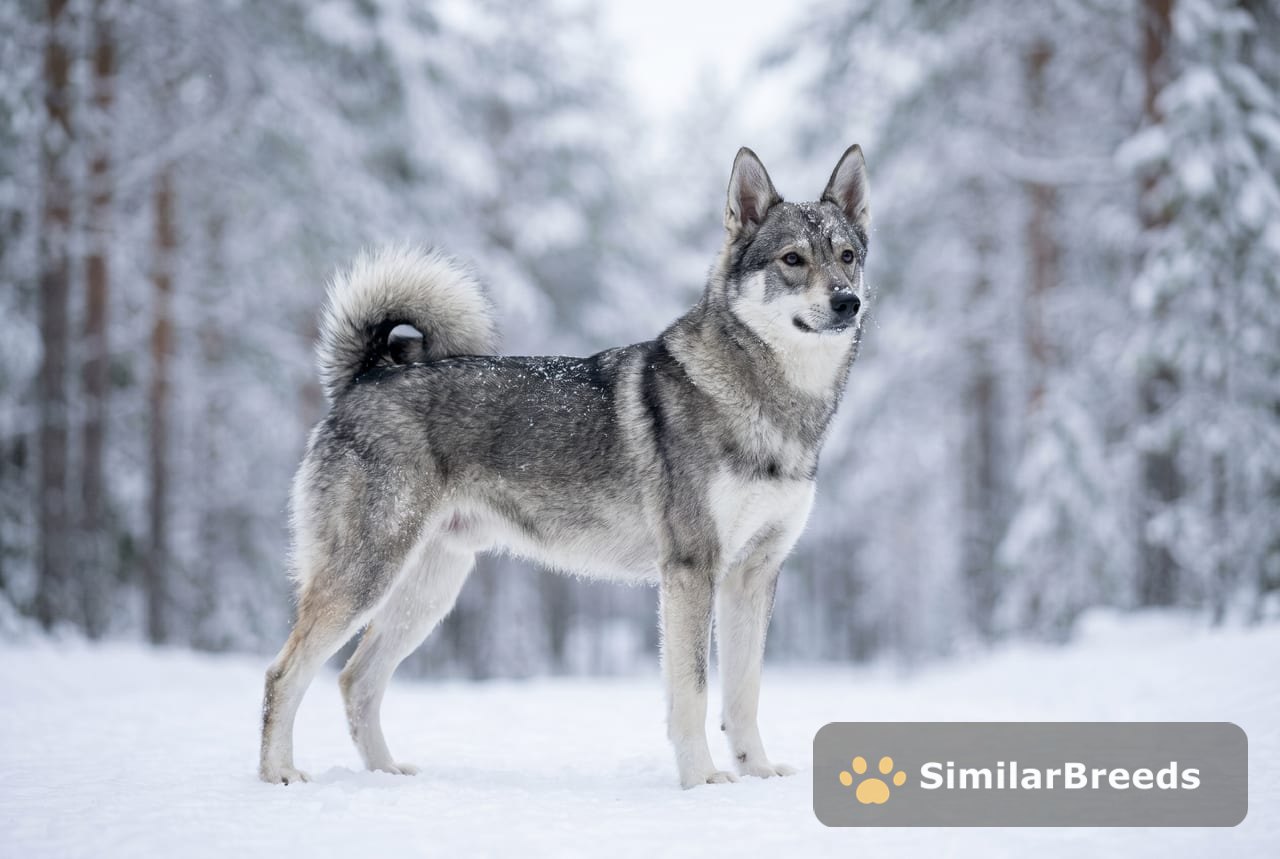
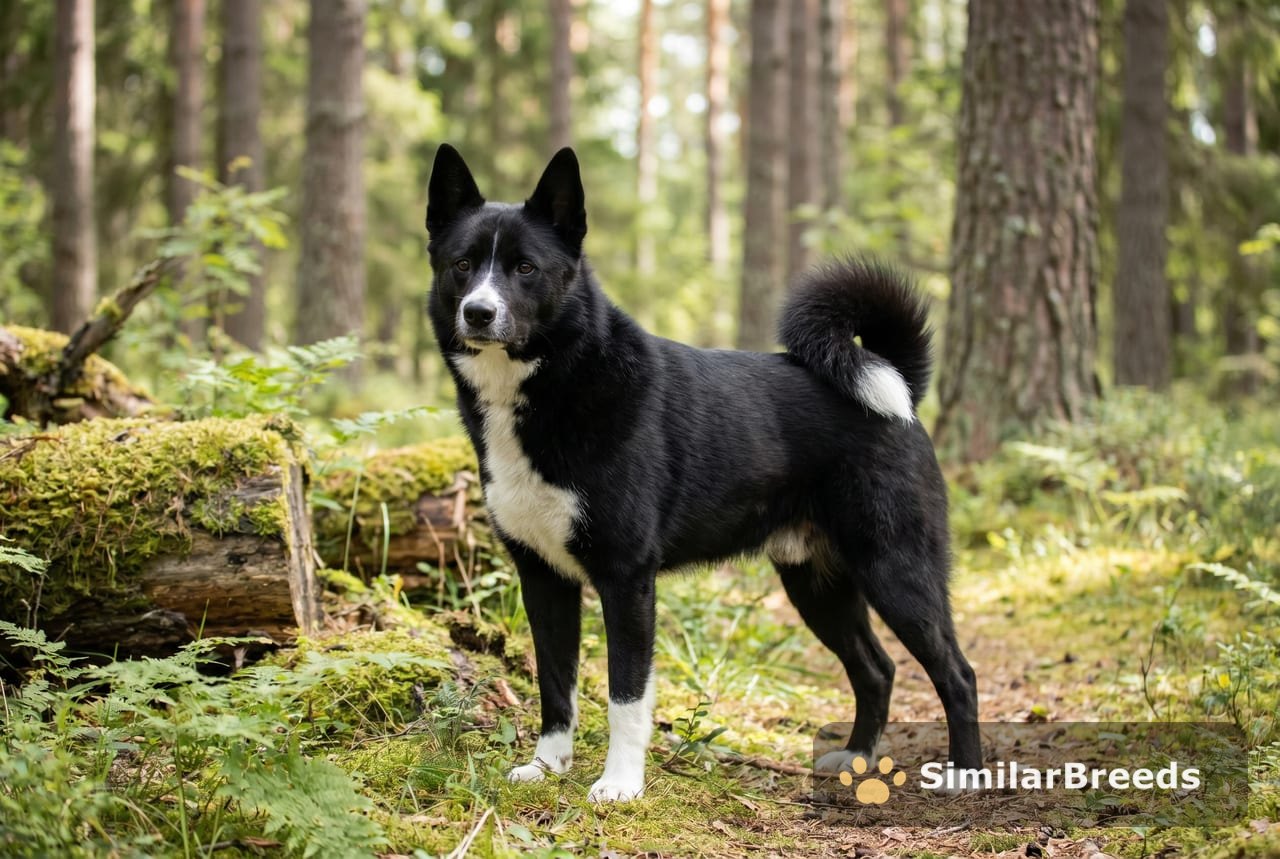
The **Karelian Bear Dog** from Finland is the outlier geographically but converges in hunting role: it is also used to bay large, dangerous game including bear, relies on a strong bark to hold quarry, and carries a bold, independent temperament that demands an experienced handler. The **Jamthund (Swedish Elkhound)** rounds out the group as a Scandinavian hunting spitz used on moose and bear; it shares the spitz body type, double coat, and vocal hunting method, though it comes from a different breeding tradition and tends to be somewhat more amenable to general family life.