Tibetan Mastiff
From Tibet
Purpose & Origin
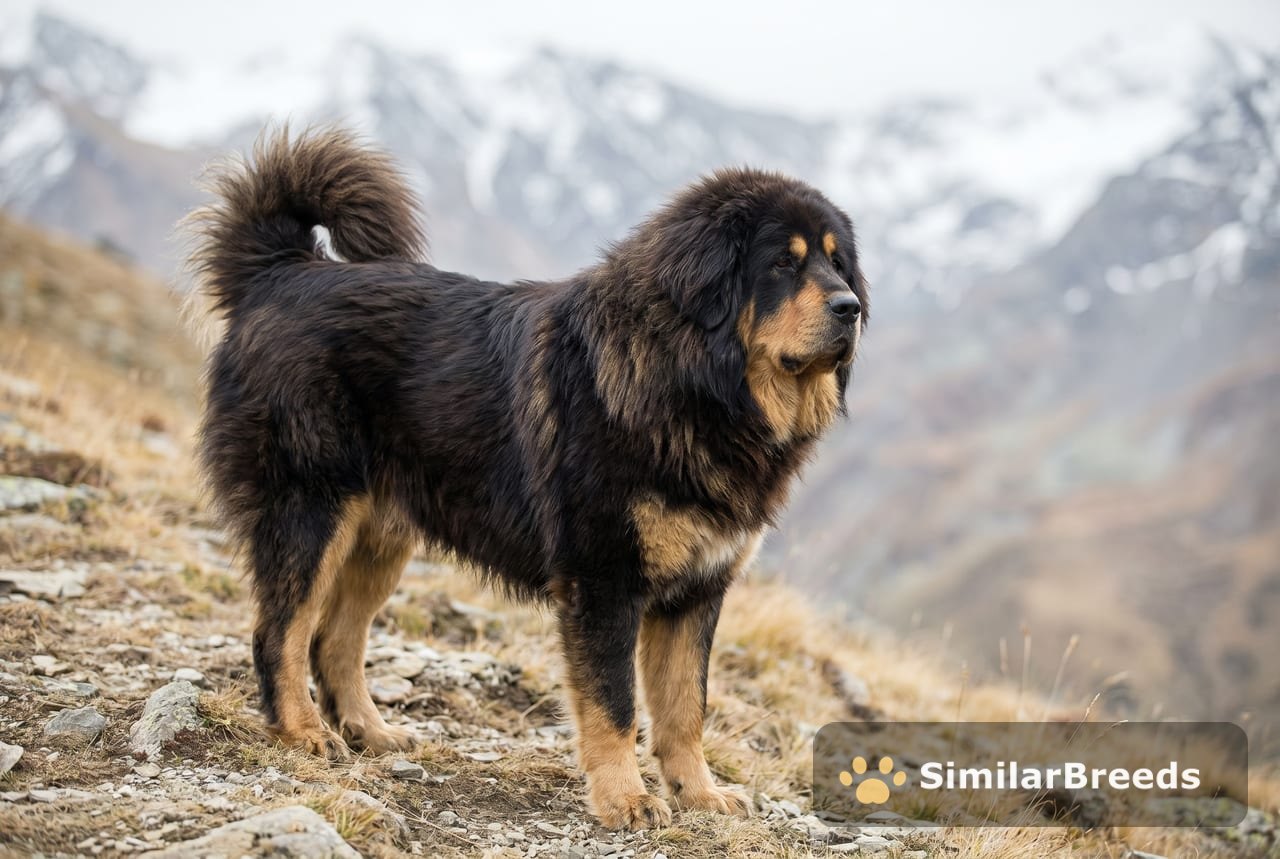
The Tibetan Mastiff is one of the oldest known breeds, with massive dogs traceable in Chinese archaeological records to 1100 B.C. Dogs of this type may have traveled with Attila the Hun and Genghis Khan, seeding mastiff lines across Central Asia. On the Himalayan plateau, they settled into a more specific role: guardians for nomadic herdsmen, village gates, and monasteries. By day they were chained to rooftops and entryways; by night they patrolled freely. The high mountains that isolated Tibet's valleys also isolated its dog populations, which is why the breed today still shows natural variation in size and build.
The breed reached the West slowly, a dog named Siring going to Queen Victoria in 1847 and two others appearing at a British dog show in 1874, but imports remained rare. China's invasion of Tibet in the 1950s nearly extinguished the breed outside its homeland. American breeding programs only got started in the 1970s when stock arrived from Nepal and India. AKC Miscellaneous class entry came in 2005.
Temperament & Behaviour
This is a guardian breed in the truest sense, and its personality reflects centuries of solitary sentry work. The Tibetan Mastiff is deeply territorial, fiercely devoted to its family, and genuinely aloof with strangers. It is not aggressive by default, but it will not defer to an unfamiliar person on its own property. Early and thorough socialization matters more here than with most breeds: without it, the natural wariness can tip into excessive suspicion.
With children in its own household it is gentle and patient, though it may misread boisterous visiting children as a threat. It is generally calm with other dogs and other pets. In Tibet these dogs were commonly kept alongside Lhasa Apsos, so tolerance of smaller animals runs in the breed. Expect a dog that thinks for itself and acts on its own judgment.
Activity & Training
Despite the size, the Tibetan Mastiff is calm indoors and only moderately active outside. A long daily leash walk and access to a yard cover its physical needs. It is not a high-drive dog that needs hours of running, but it does need space and should not be confined to a small apartment.
Training is the harder part. With an ease-of-training score of 2 out of 5, this breed is independent and strong-willed, and it does not perform for the sake of pleasing. Consistency and calm authority work better than repetition or pressure. First-time dog owners should think carefully before taking one on. Two practical warnings: the breed barks loudly at night and is poorly suited to hot, humid climates. It thrives in cold weather.
Grooming
The coat is thick and double-layered, built for high-altitude cold. Brushing a few times a week handles most of the year, but during the annual shed it needs daily attention. The longer hair around the britches, tail, and ruff mats more easily and deserves extra focus. Females have only one estrus cycle per year, which is unusual among large breeds.
Health
Major concerns include canine hip dysplasia and elbow dysplasia, standard for a heavy breed. Hypothyroidism appears as a minor concern. Entropion, seizures, and a neurological condition called canine inherited demyelinative neuropathy are occasionally seen. Recommended health tests cover hips, thyroid, eyes, and elbows. Life expectancy is 11 to 14 years.
Why these breeds are similar
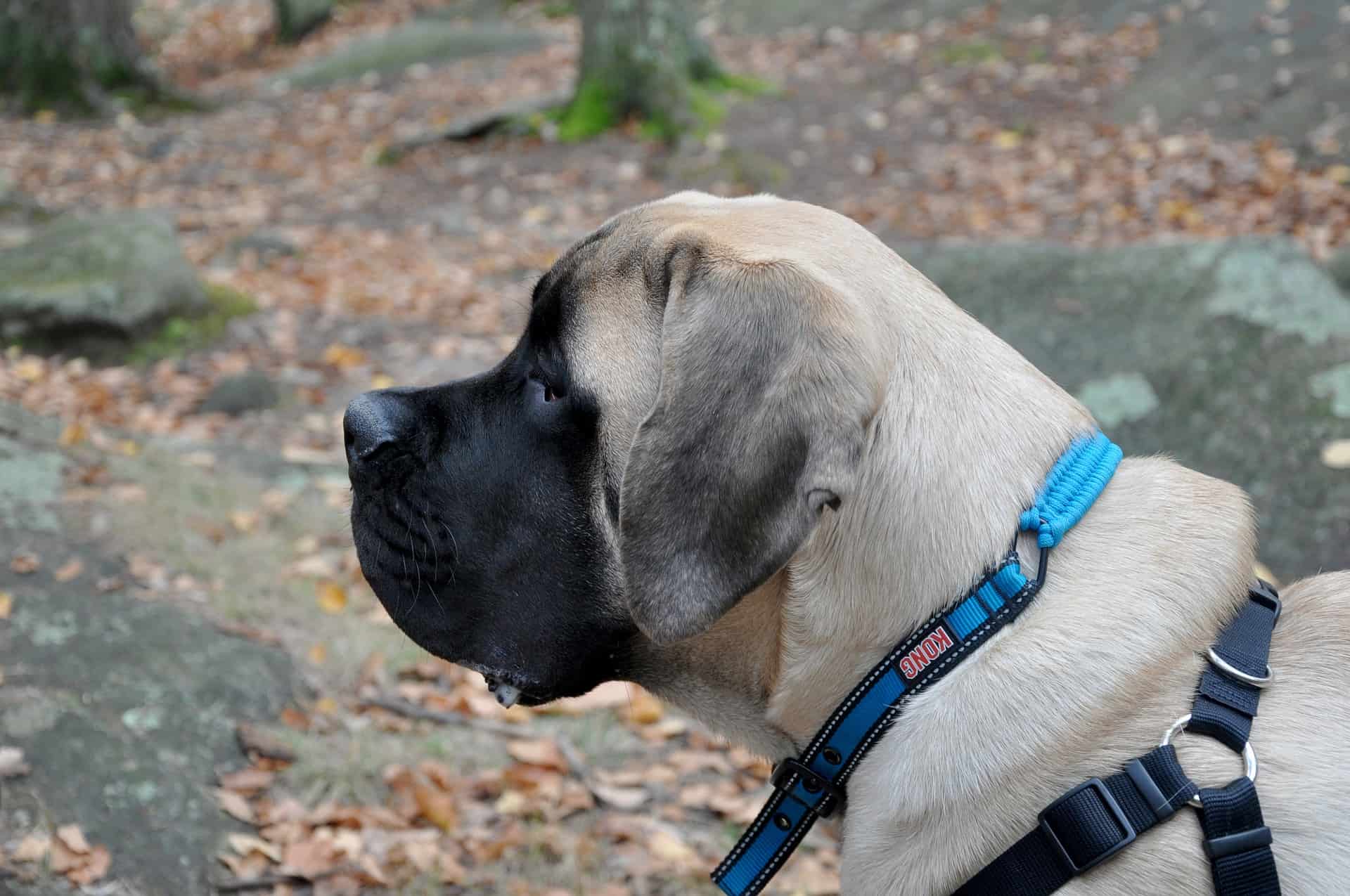
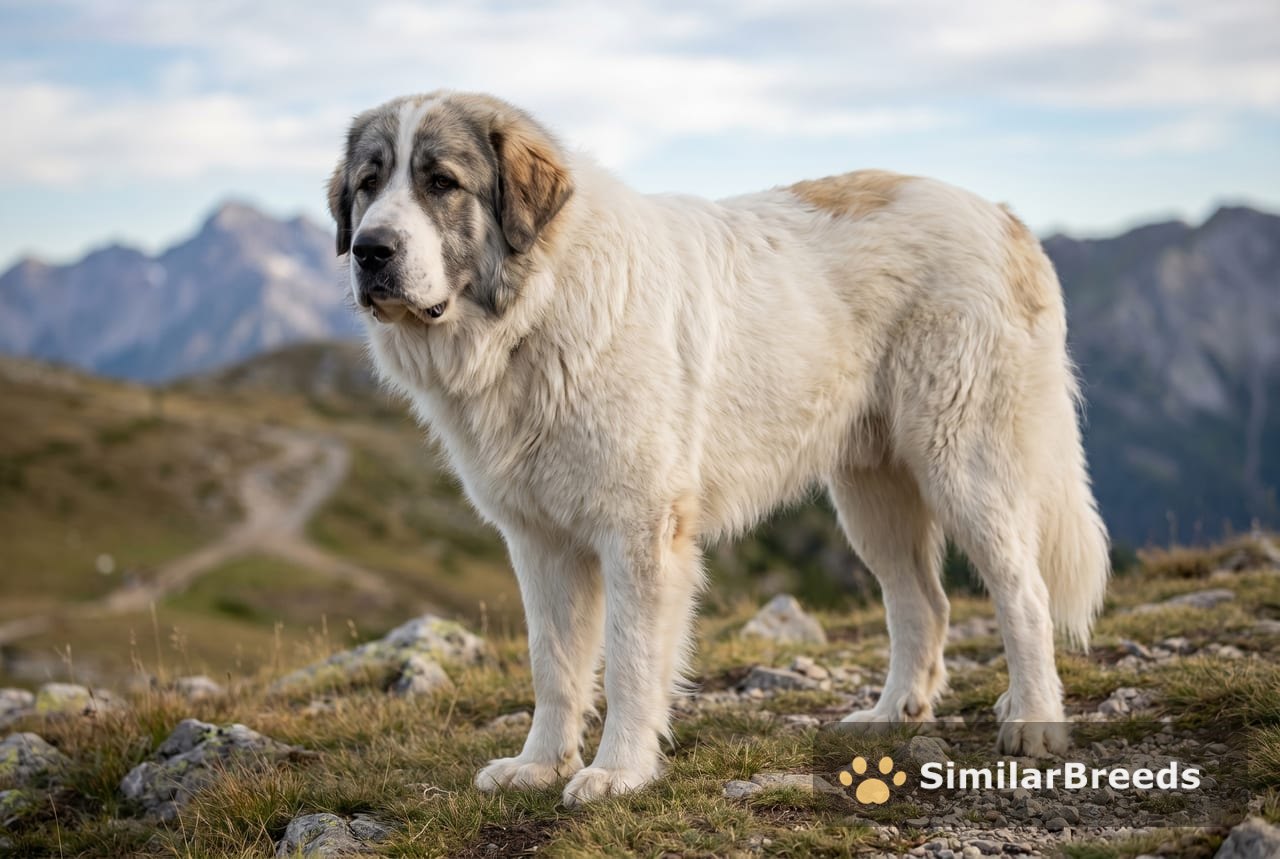
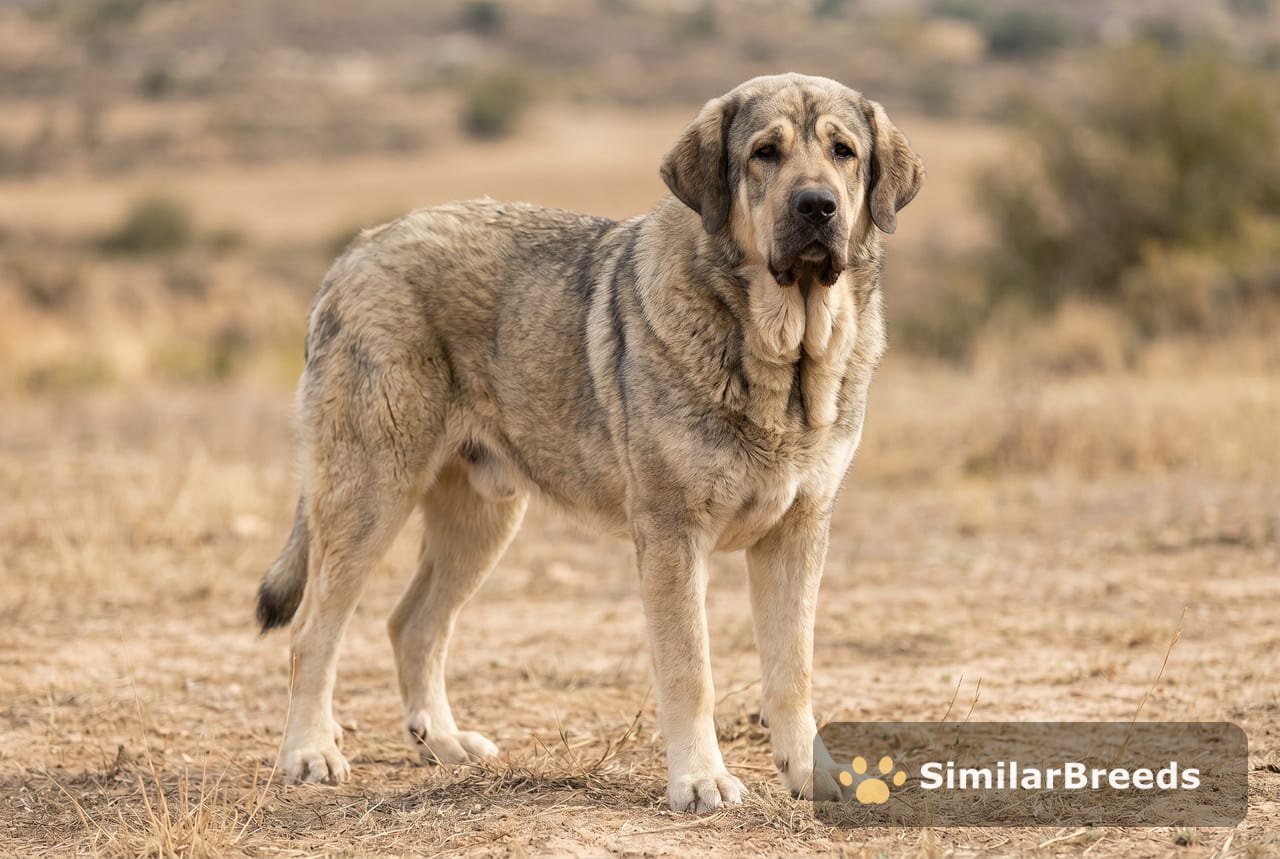
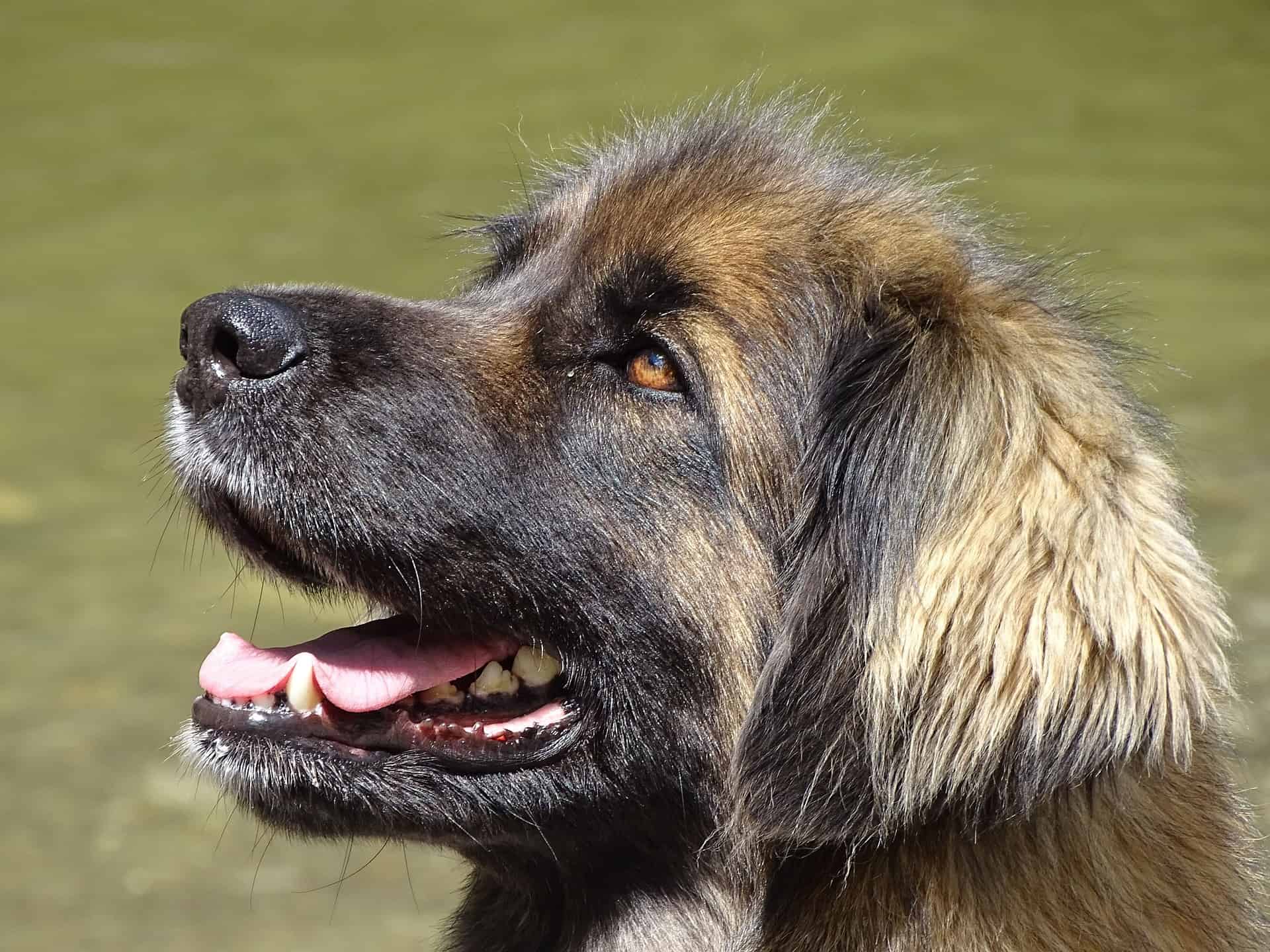
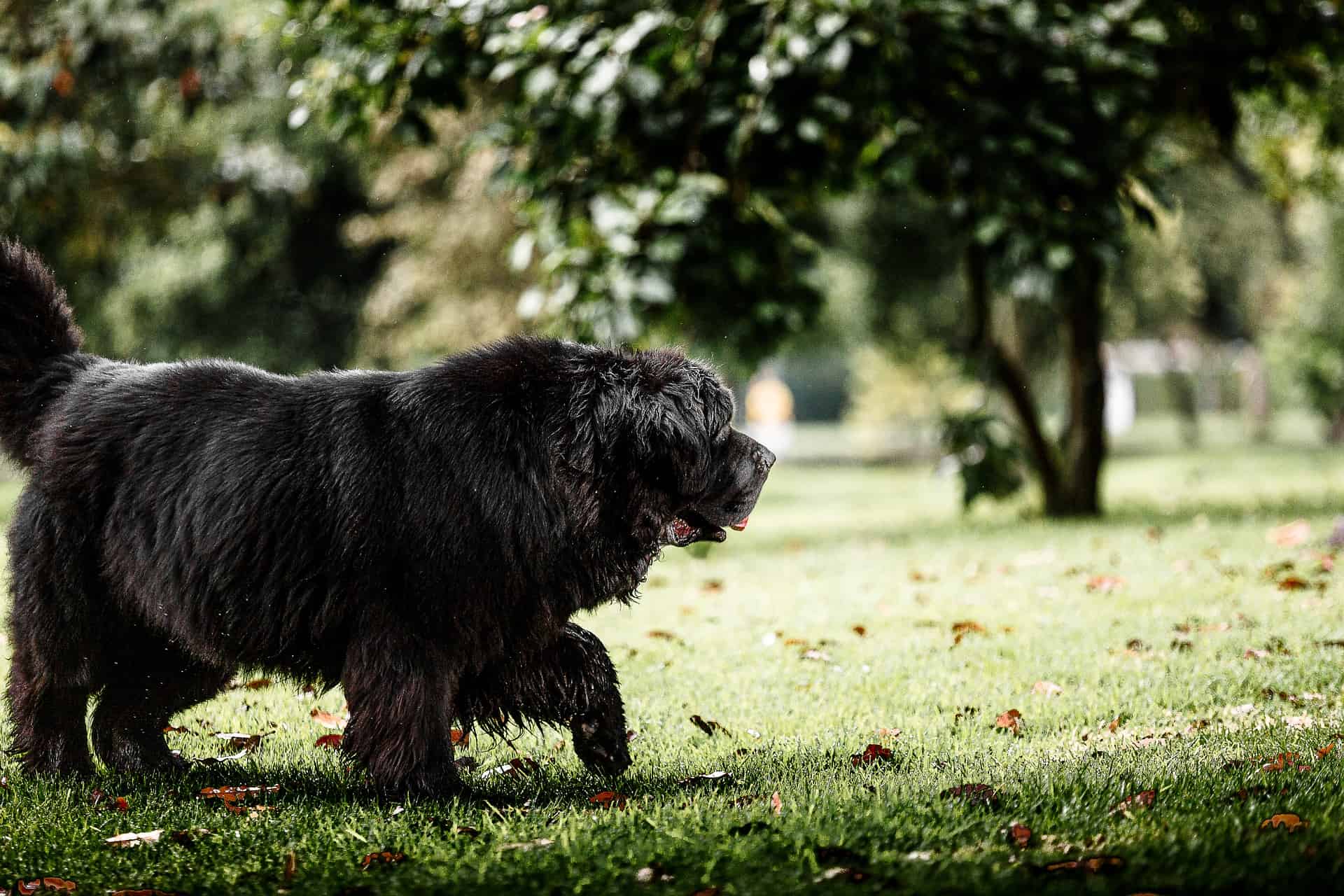
The Mastiff, Pyrenean Mastiff, and Spanish Mastiff share the Tibetan Mastiff's core identity: massive, ancient livestock-guardian and estate-guardian breeds built for cold climates and long-haul vigilance. All four carry the same reserved-with-strangers, devoted-to-family temperament that comes from thousands of years of independent sentry work. The Leonberger overlaps on size, coat, and the calm, self-assured character common to large mountain breeds, even though it was developed later as a companion type. The Newfoundland is the closest in build and in the gentle-giant temperament, a cold-climate working dog with a thick double coat and the same composed, loyal disposition. None of these are dogs for owners who want easy compliance.
Trait ratings
- Energy level
- 2/5
- Exercise requirements
- 2/5
- Playfulness
- 3/5
- Affection level
- 4/5
- Friendliness toward dogs
- 3/5
- Friendliness toward other pets
- 3/5
- Friendliness toward strangers
- 2/5
- Ease of training
- 2/5
- Watchdog ability
- 5/5
- Protection ability
- 5/5
- Grooming requirements
- 3/5
- Cold tolerance
- 5/5
- Heat tolerance
- 2/5