Leonberger
From Germany
Purpose & Origin
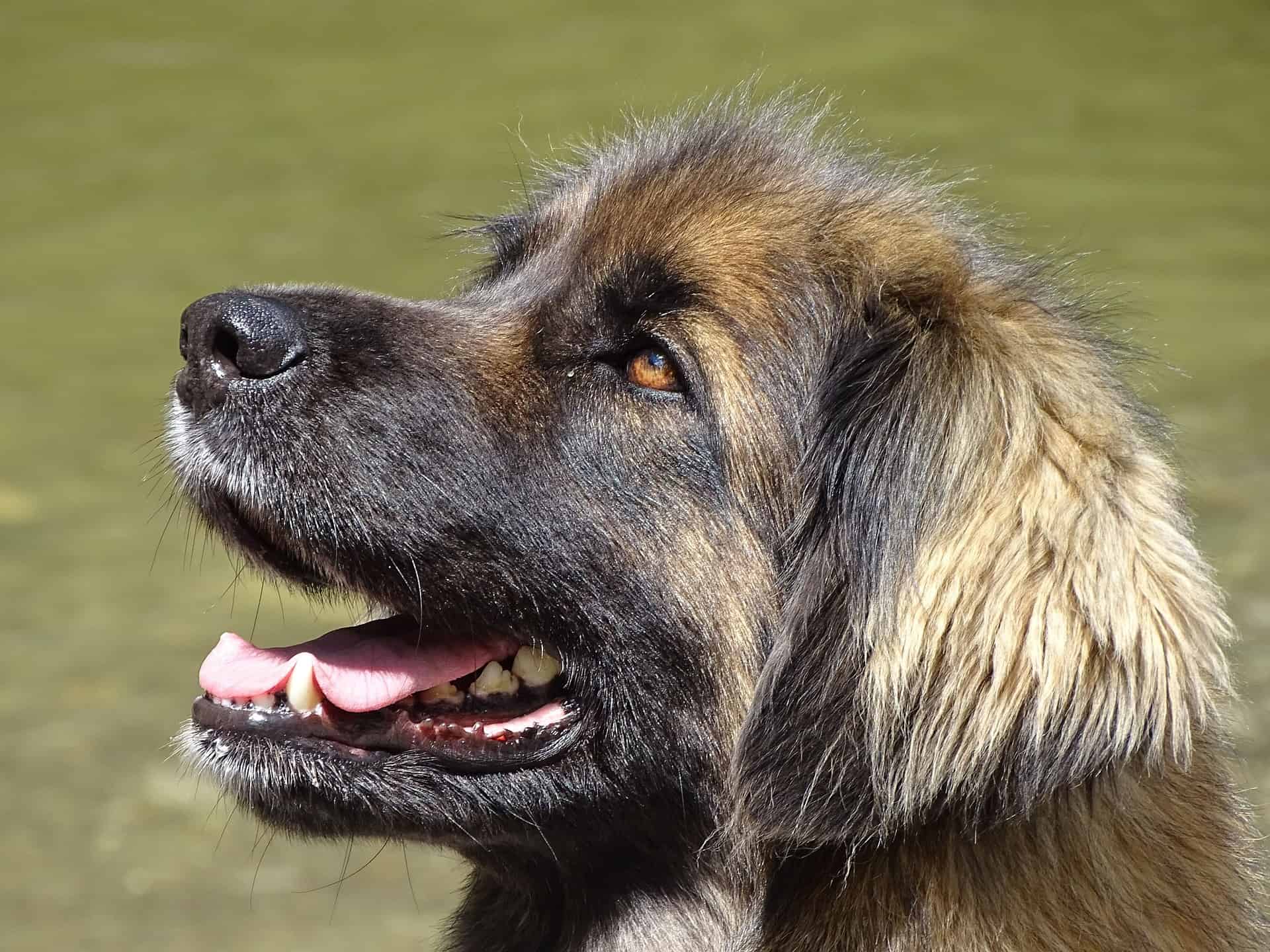
The Leonberger comes from the German town of Leonberg, where the mayor and dog breeder Heinrich Essig set out in the 1830s to create a dog that resembled the lion on the town crest. He is said to have crossed a Landseer Newfoundland with a Saint Bernard precursor and then added Great Pyrenees blood, though modern geneticists suspect more breeds were involved. There are records of very similar dogs in Austria dating to 1585, so the full picture remains murky. What is not disputed is Essig's skill as a promoter: he placed Leos with royal families and celebrities, turning the breed into a fashionable status symbol across Europe.
Ordinary farmers valued them too, as all-purpose working dogs that could guard the property, pull carts, and haul loads. Both world wars nearly erased the breed entirely. Only five survived the first war and eight the second. Every Leo alive today traces back to those survivors, rebuilt by a small group of German breeders after 1945. The breed reached America in 1971, gained AKC recognition in 2010, and has grown steadily since.
Temperament & Behaviour
The Leo's personality matches its imposing size in the best possible way: calm, steady, and deeply affectionate without being needy or excitable. It is devoted to its family and genuinely friendly toward strangers, which makes it a poor choice as a deterrent but an excellent one as a companion. The breed's watchdog ability is genuine and high, but it is not an aggressive dog. Some individuals can be assertive with other dogs, though most coexist without trouble. Leos are quieter indoors than most working breeds of this scale, and they are generally good with other household pets.
Activity & Training
Despite their size, Leos are more athletic and agile than typical giant breeds. Daily exercise is needed but they are not built for sustained running. Long walks, hiking, swimming, and carting all suit them well, and the breed has served in water rescue work, including leaping from helicopters to reach people in distress. Training is straightforward: they are eager to please and respond well, scoring high on trainability for a breed this large. The main challenge is managing a dog that may weigh 170 pounds before it has fully matured mentally, so early obedience work matters.
Grooming
The thick double coat is a genuine commitment. Brushing several times a week is the minimum, and during the twice-yearly shedding seasons daily brushing becomes necessary to manage the volume. The coat handles cold extremely well but the breed tolerates heat poorly, so exercise should be scheduled for cooler parts of the day in summer. This is not a low-maintenance dog on the grooming front.
Health
Hip dysplasia is the primary concern and should be screened in both parents before purchase. Elbow dysplasia, gastric torsion, and osteosarcoma are documented minor issues. A hereditary polyneuropathy affecting the breed has a DNA test available, and eye testing is recommended. Lifespan runs 8 to 11 years, typical for a dog of this mass.
Why these breeds are similar
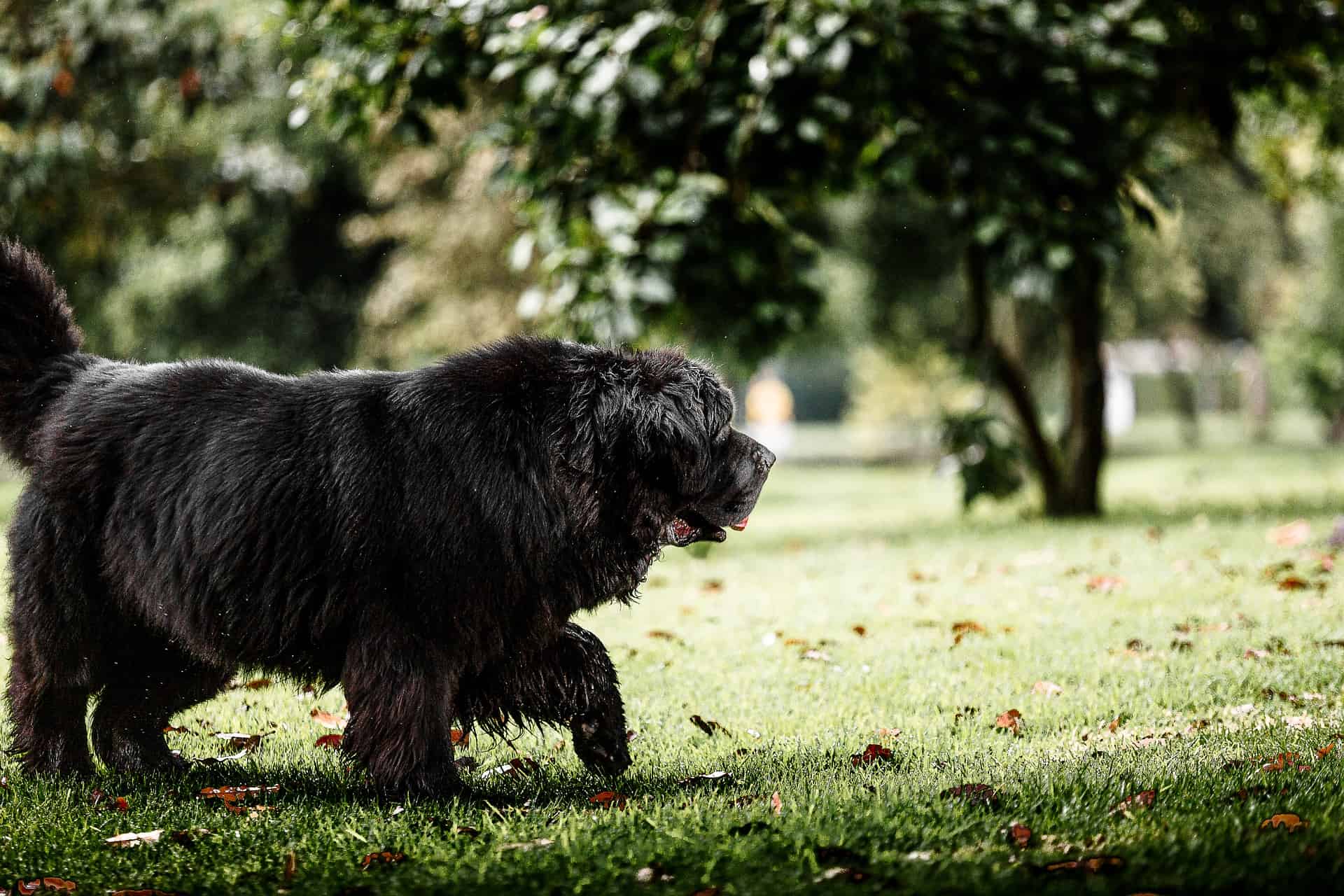
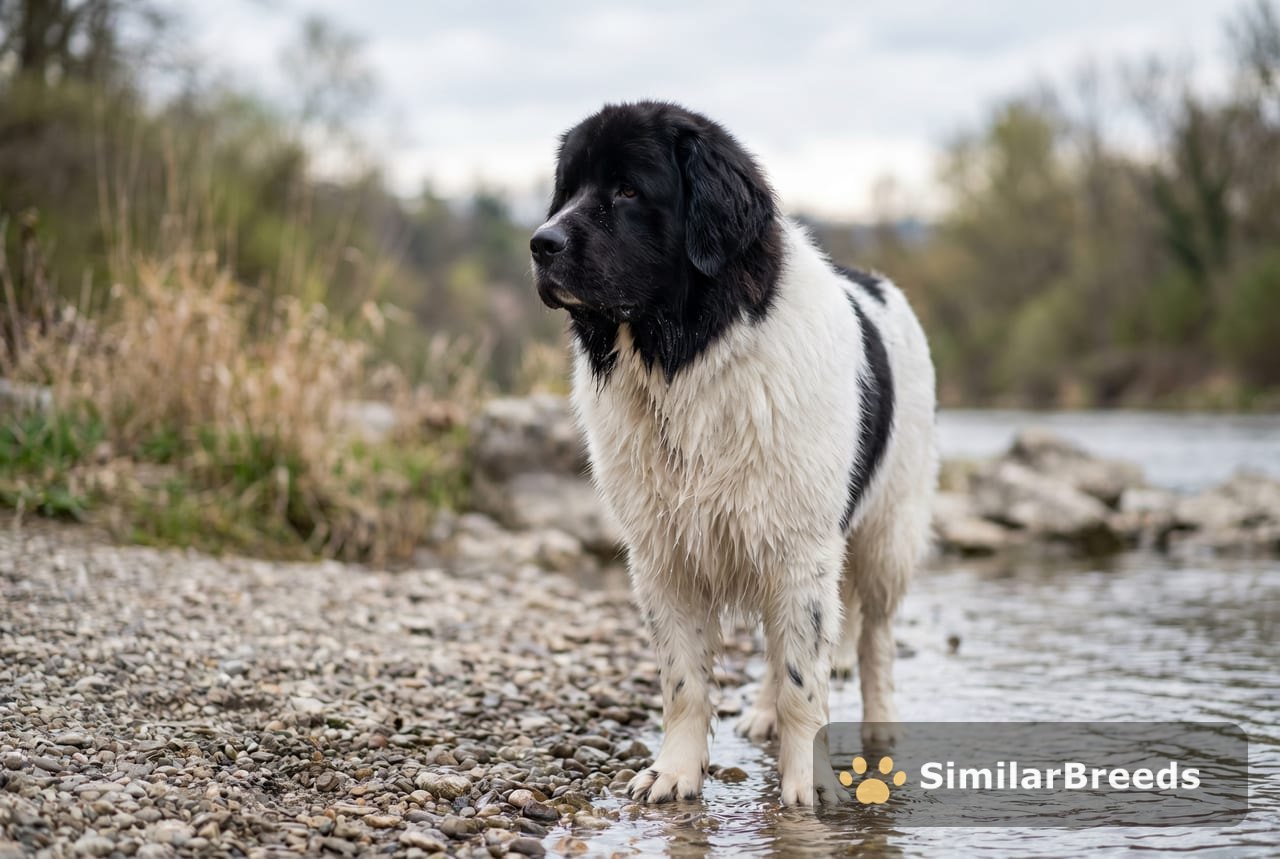
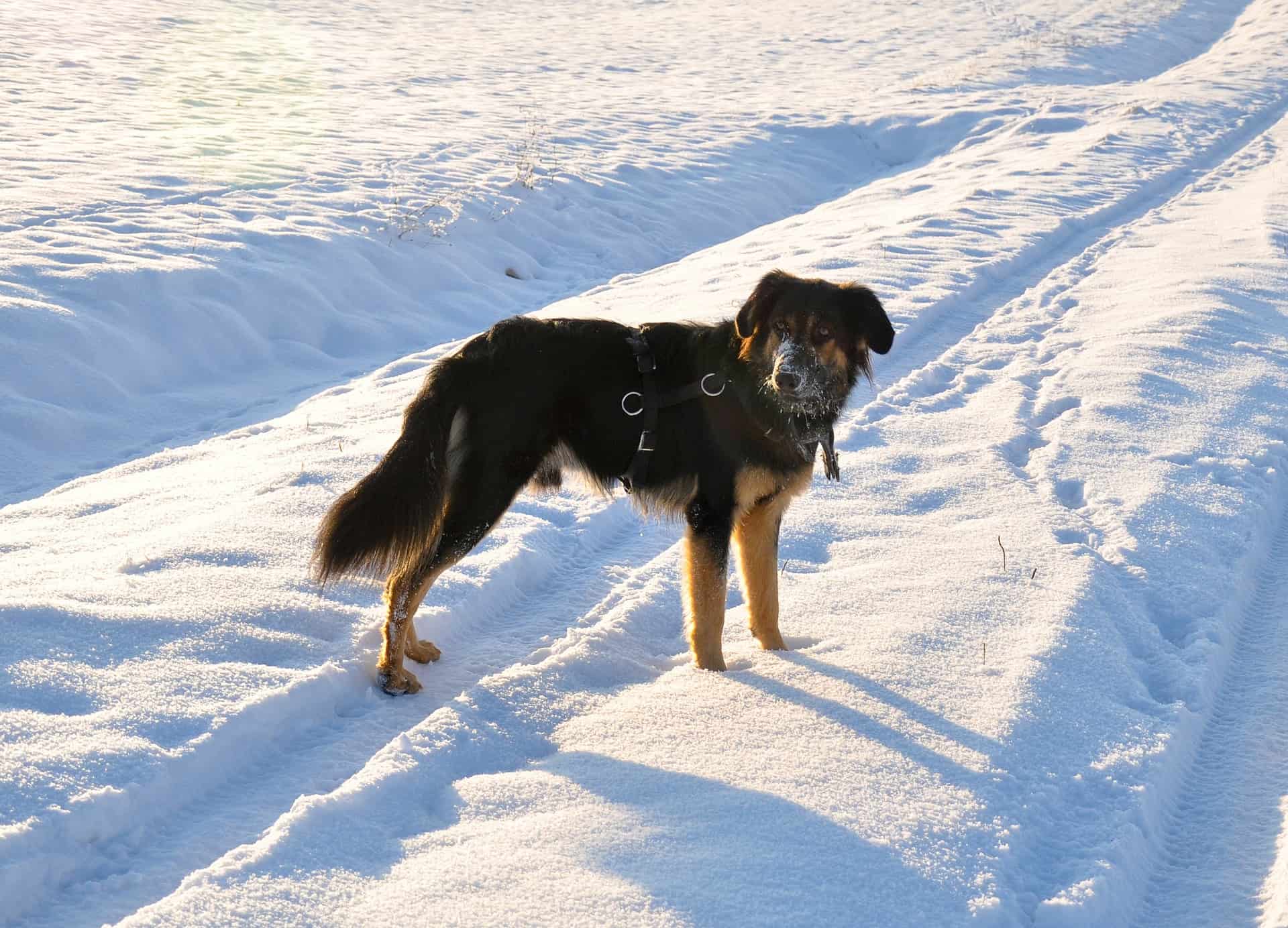
The Newfoundland is the closest parallel, sharing the same giant-sized, heavy-coated, water-friendly profile and a famously gentle temperament. The Leo's own foundation includes Newfoundland blood, so the resemblance is partly literal. The Landseer is essentially a black-and-white color variant of the Newfoundland and carries the same calm, draft-and-rescue working history that shaped the Leo. The Hovawart is the German connection: another large, loyal, multi-purpose farm and guard dog from Germany with a similar coat texture and the same even-tempered watchdog character, though notably lighter in build than the Leo.
Trait ratings
- Energy level
- 2/5
- Exercise requirements
- 3/5
- Playfulness
- 3/5
- Affection level
- 4/5
- Friendliness toward dogs
- 3/5
- Friendliness toward other pets
- 4/5
- Friendliness toward strangers
- 4/5
- Ease of training
- 4/5
- Watchdog ability
- 5/5
- Protection ability
- 4/5
- Grooming requirements
- 4/5
- Cold tolerance
- 5/5
- Heat tolerance
- 2/5