Newfoundland
From Canada
Purpose & Origin
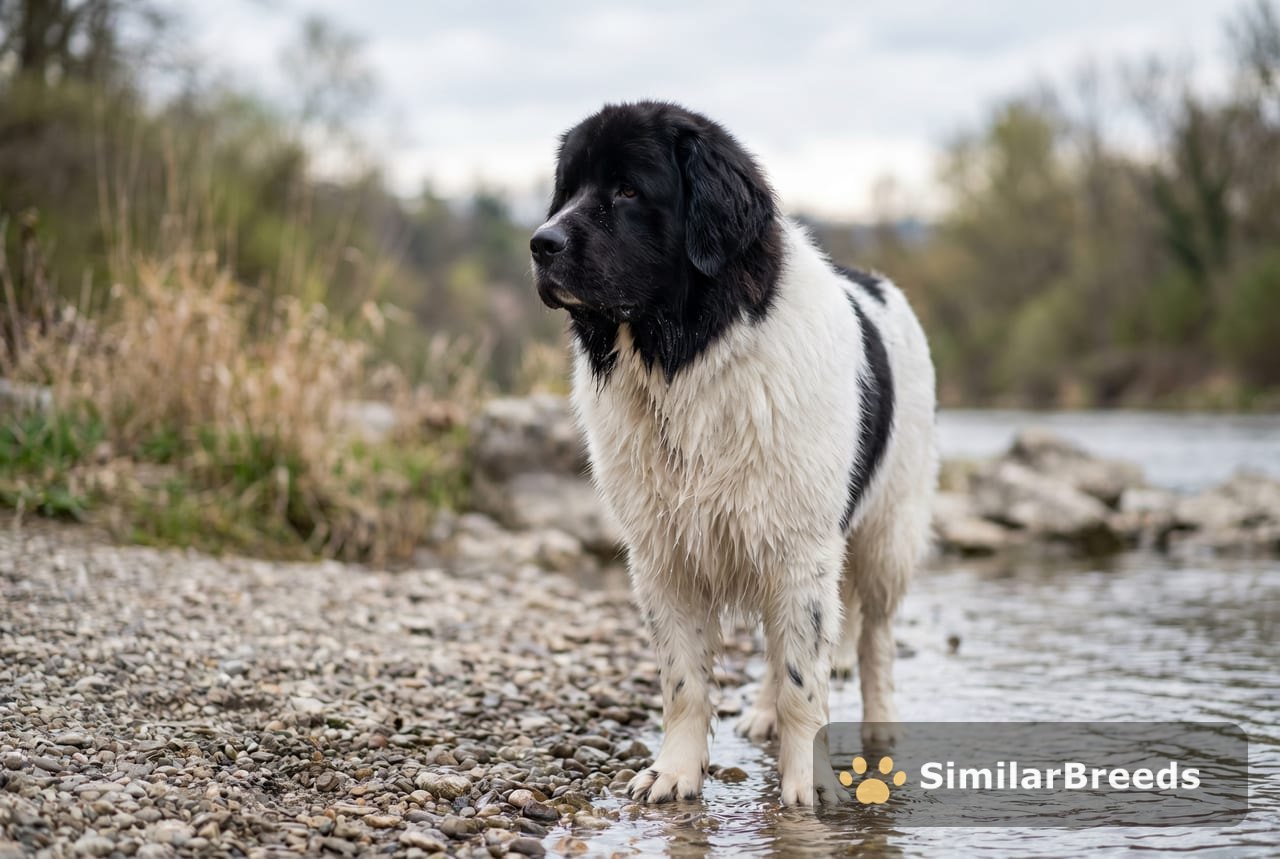
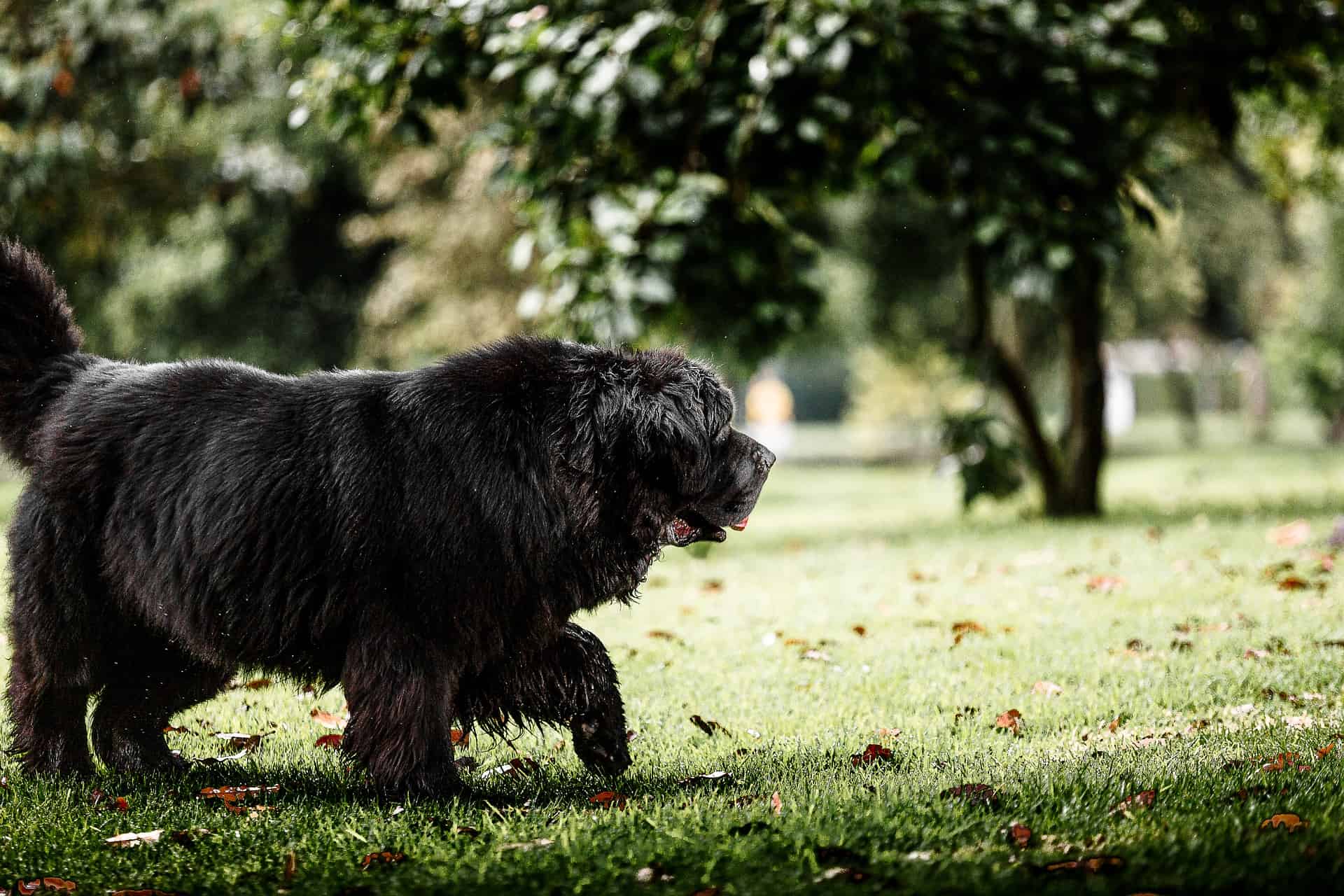
The Newfoundland grew up on the Atlantic coast of Canada, shaped by cold water and hard work. Its exact ancestry is debated: the breed likely traces through the Great Pyrenees dogs that arrived with French colonists in the 1660s, crossed with black English retrievers brought by later settlers, possibly with some Husky influence as well. The result, established by the 1700s, was a massive, water-loving animal capable of hauling fishing nets through frigid seas and dragging loads on land. It distinguished itself as a water rescue dog, and the accounts of people pulled from drowning by Newfoundlands are numerous enough to be taken seriously.
European visitors were so impressed they brought specimens home, and the breed's show career began in England rather than Canada. Overharvesting and local ownership restrictions nearly erased the breed in its home province; the English sustained the population, and after World War II American stock helped rebuild the decimated English lines.
Temperament & Behaviour
Sweetness of temperament is the defining trait, and Coile's encyclopedia names it as such without qualification. The Newfoundland is calm, patient, gentle, and genuinely amiable toward strangers, other dogs, and other pets alike. It is not a nervous or reactive dog. The protective instinct is present but measured: this is not a guard dog by disposition, though a threatened family will bring it out. With children the breed is famously patient, large enough to bowl a toddler over accidentally but gentle enough to rarely do so deliberately. The trade-off is size and drool, both of which are real and daily.
Activity & Training
Exercise needs are modest for a dog this size. A moderate daily walk or a short off-leash session is enough to keep the Newfoundland fit, though it truly thrives when it can swim or pull in cool weather. Heat tolerance is virtually zero, so summer exercise must be kept brief and cool. Training is workable but not effortless: the Newfoundland is willing and not stubborn, but its sheer mass means loose-leash and basic manners need to be established early before the dog outweighs most of its handlers. Ease of training scores in the middle range, reflecting a dog that cooperates but moves at its own pace.
Grooming
The double coat needs combing twice a week under normal conditions, more during seasonal shedding. It is not a wash-and-go breed, but the grooming demand is reasonable for the size. Owners should expect significant drool and messy water bowls as a permanent feature of life with a Newfoundland, not an occasional inconvenience.
Health
The Newfoundland's major health concerns include subaortic stenosis (a serious heart condition), hip and elbow dysplasia, cystinuria (a metabolic kidney condition), and gastric torsion. Minor concerns include eye abnormalities and von Willebrand's disease. Prospective owners should request hip, elbow, cardiac, and cystinuria screening from breeders. The breed does not tolerate heat well and some individuals are sensitive to anesthesia. Life expectancy runs 8 to 10 years, typical for a giant breed.
Why these breeds are similar
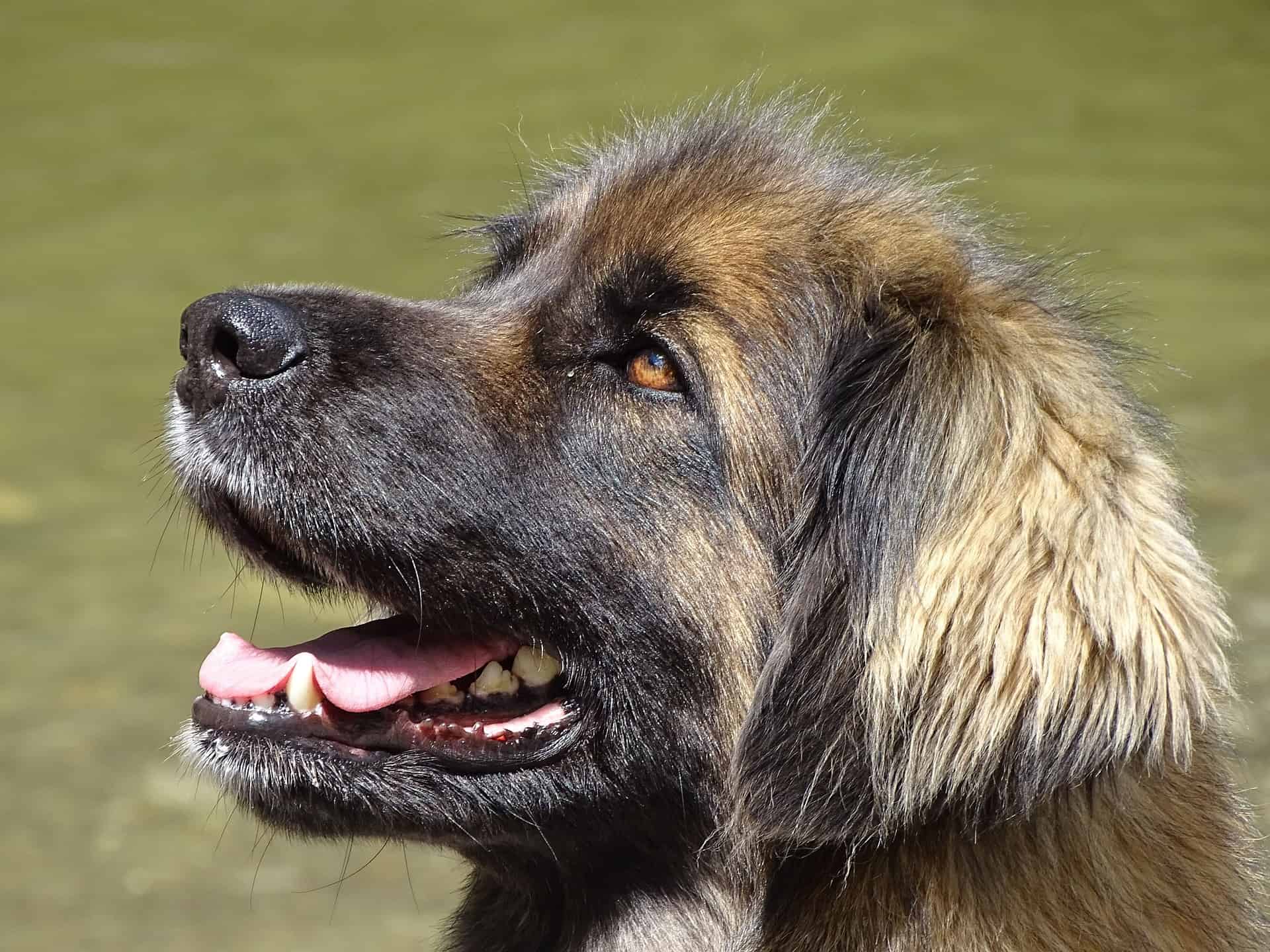
The Landseer is the closest match and historically the same dog: the black-and-white Newfoundland was named after the artist Edwin Landseer, who depicted them, and the two are separated only by colour and, in some registries, a distinct studbook. The Leonberger was deliberately bred to resemble the Newfoundland (among other breeds) and shares the same gentle giant temperament, double coat, and water affinity.
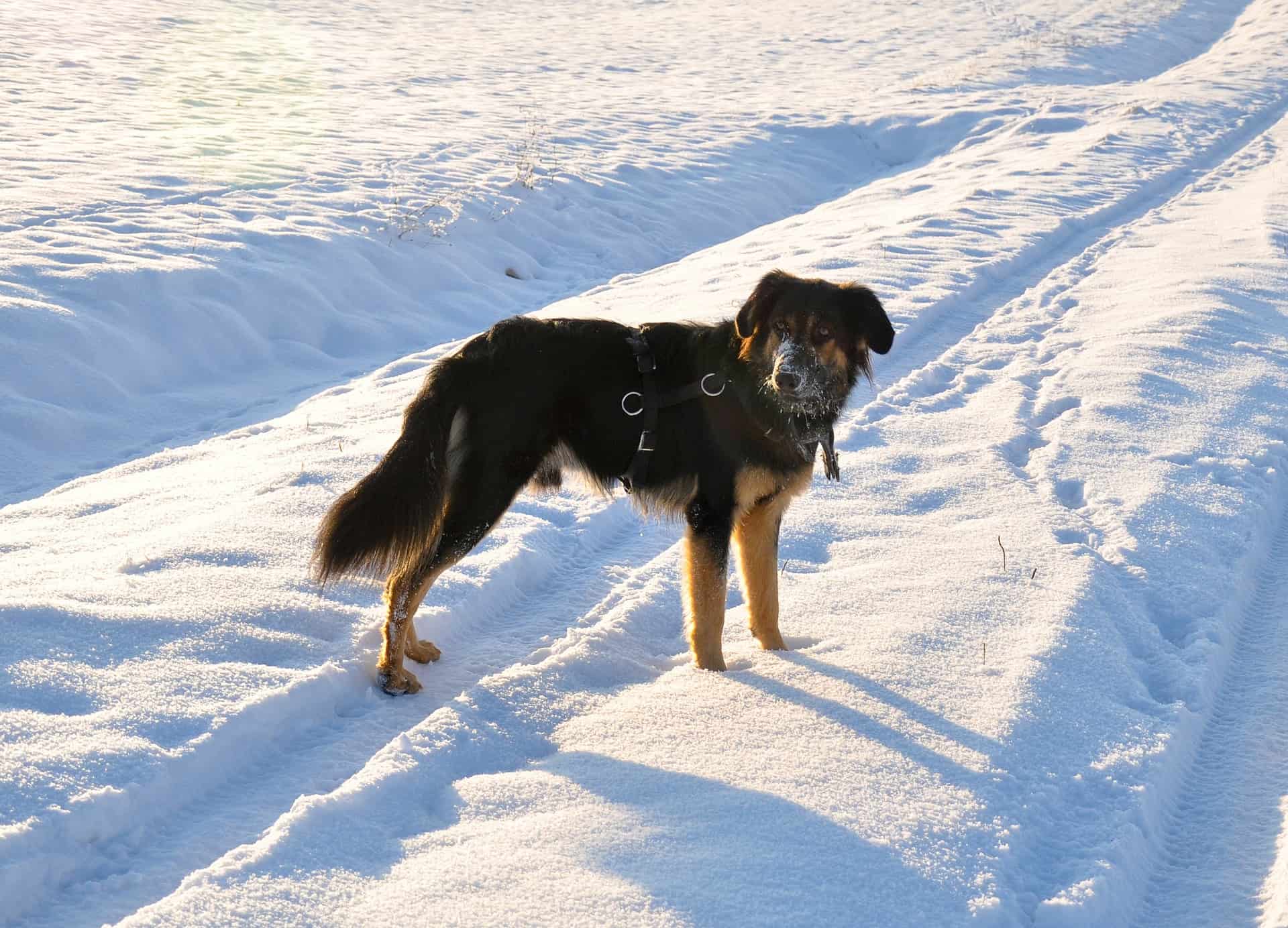
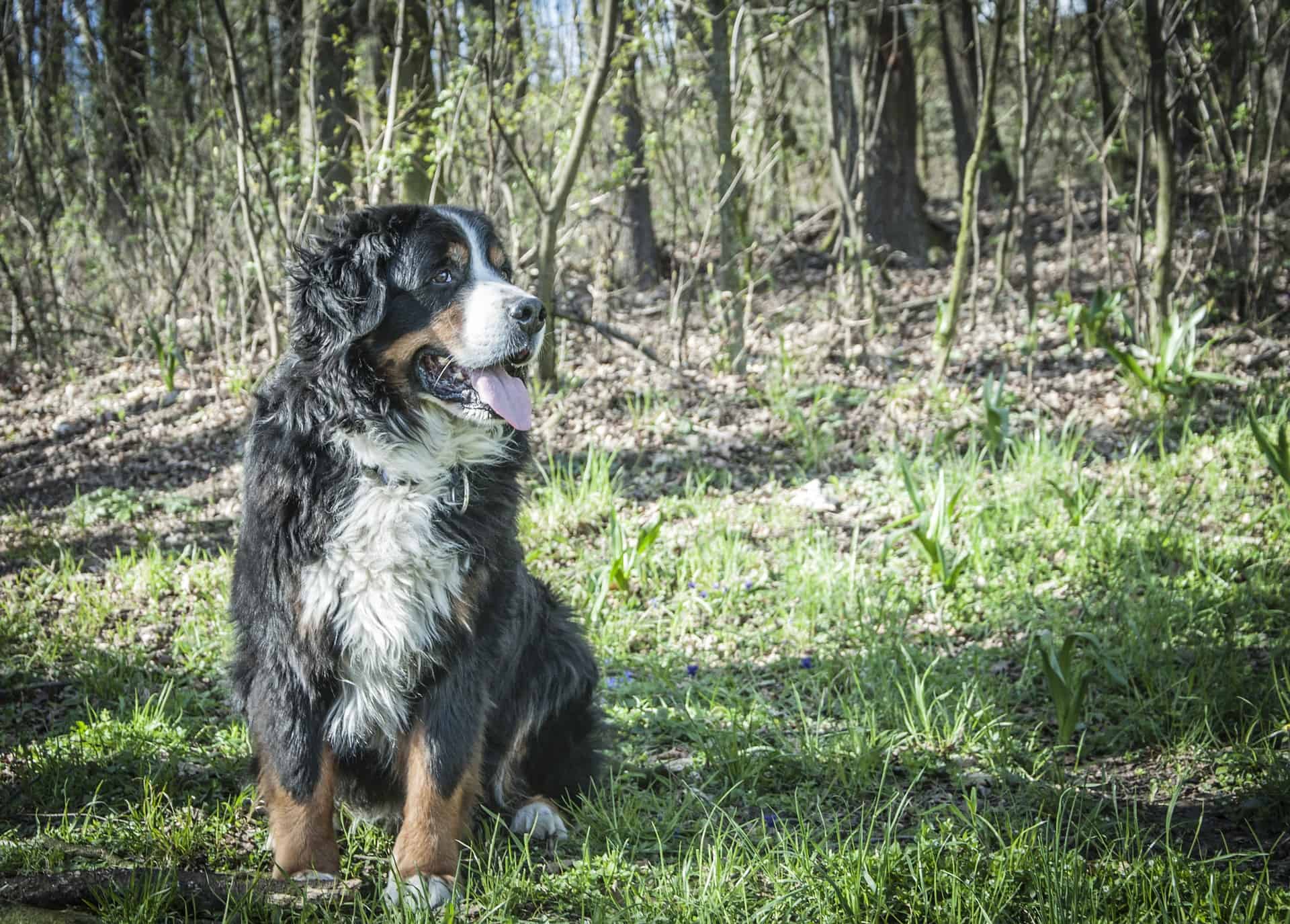
The Hovawart is a German working dog of similar build and loyal, calm character, bred for draft and estate work rather than water rescue but sharing the Newfoundland's measured protectiveness and steady disposition. The Bernese Mountain Dog is the most divergent but belongs to the same functional cluster: a large, cold-tolerant, double-coated working dog with a gentle, affectionate nature and similar exercise and grooming demands.
Trait ratings
- Energy level
- 2/5
- Exercise requirements
- 2/5
- Playfulness
- 3/5
- Affection level
- 5/5
- Friendliness toward dogs
- 4/5
- Friendliness toward other pets
- 5/5
- Friendliness toward strangers
- 5/5
- Ease of training
- 3/5
- Watchdog ability
- 3/5
- Protection ability
- 4/5
- Grooming requirements
- 3/5
- Cold tolerance
- 5/5
- Heat tolerance
- 1/5