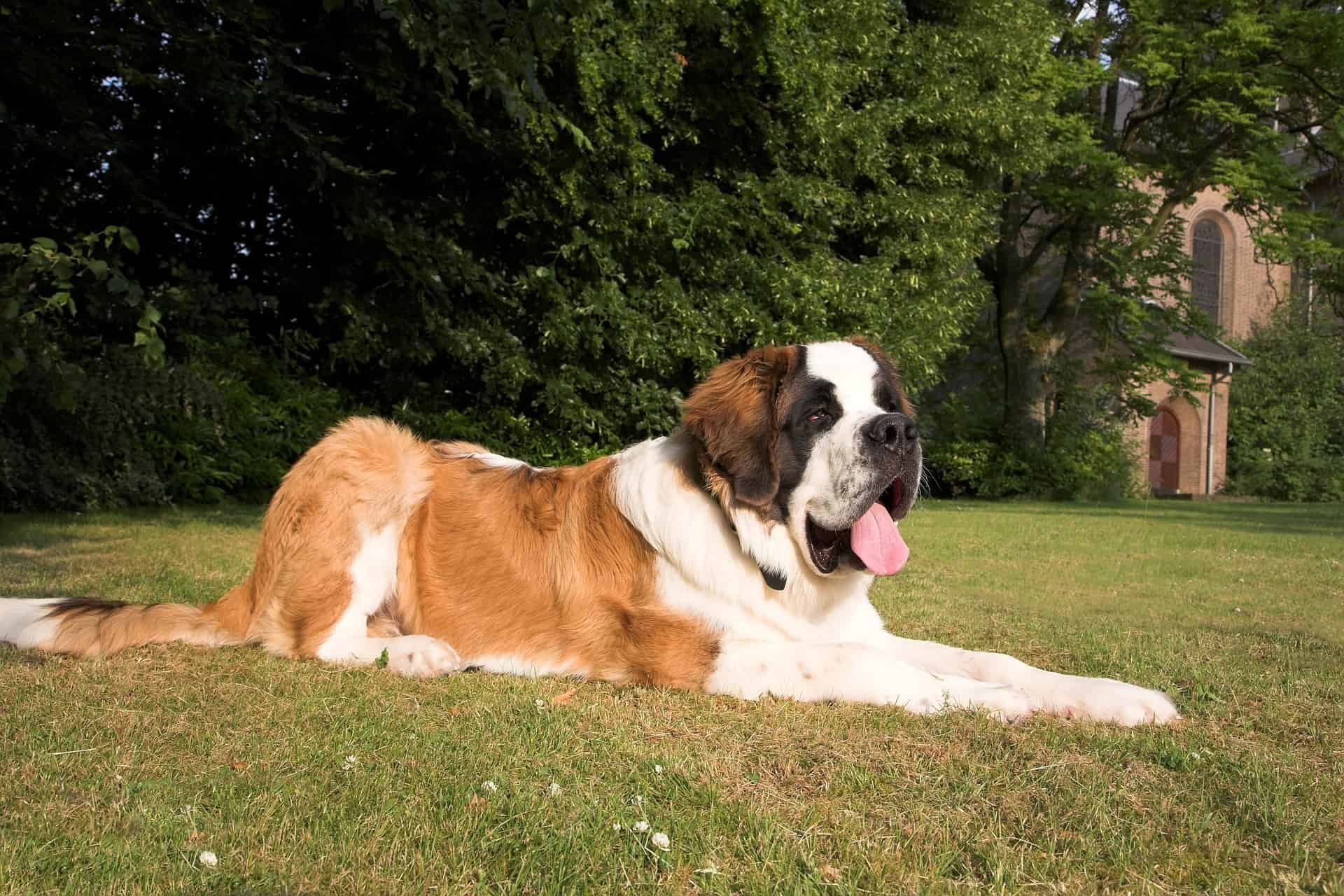
Purpose & Origin
The Saint Bernard is a Swiss mountain giant with roots in the Roman Molossian dogs, though the breed as we know it took shape between 1660 and 1670. The monks at the St. Bernard Hospice, a refuge on the treacherous mountain pass between Switzerland and Italy, brought in these large dogs first as cart dogs and companions. They quickly proved something more valuable: an uncanny ability to navigate deep snow and locate travelers buried or stranded in the cold. For three centuries the dogs worked the pass, saving more than 2,000 lives.
The most celebrated was Barry, credited with 40 rescues, whose fame became so widespread that the breed briefly carried his name. In 1830, after severe winters and disease had thinned the population, the remaining dogs were crossed with Newfoundlands, introducing the long coat. Ironically, the long-coated dogs were useless for rescue work because ice clung to the fur, but the type persisted and became the variety most people now picture. The name Saint Bernard was standardised by 1880, and by 1900 the breed had become the most popular in the AKC.
Temperament & Behaviour
Calm, patient, and low-key, the Saint Bernard is a gentle giant in the truest sense. It is devoted to its family and tolerant with children, though it is not especially playful or bouncy about it. Most are fine with other dogs in the household. Strangers get a measured, neither hostile nor effusive reception. The bark is infrequent but loud. At its best the Saint Bernard is willing to please; at its worst it is slow to respond and can be outright stubborn. This is a breed that operates on its own schedule, which matters when you are trying to train it.
Activity & Training
Exercise needs are moderate for its size. Daily walks and short runs are enough to keep a Saint Bernard fit; this is not a breed that demands long hikes or intense sessions. It thrives in cold weather and struggles badly in heat, which is a real management constraint in warm climates. Training requires patience. The ease-of-training score sits in the middle, reflecting a dog that is neither quick-on-the-uptake nor reliably eager. Early obedience work is important simply because a poorly socialised, 180-pound dog that ignores commands is a practical problem. Consistent, calm handling works better than repetition or pressure.
Grooming
Both coat varieties need weekly brushing, with more frequent attention during shedding periods. The long coat tangles and collects debris; the short coat sheds steadily. One trait that applies to every Saint Bernard regardless of coat is drool. It is constant and copious. Prospective owners need to understand this is not an occasional thing but a daily reality, on furniture, clothing, and floors.
Health
The Saint Bernard carries significant health liabilities typical of giant breeds. Hip dysplasia, elbow dysplasia, and gastric torsion (bloat) are the major concerns; the latter is life-threatening and warrants knowing the symptoms. Osteosarcoma is also listed among the serious risks. Eye conditions including entropion and ectropion are noted. Lifespan runs 8 to 10 years. Heat intolerance is not a minor inconvenience but a genuine health risk that limits where and how these dogs can live.
Why these breeds are similar
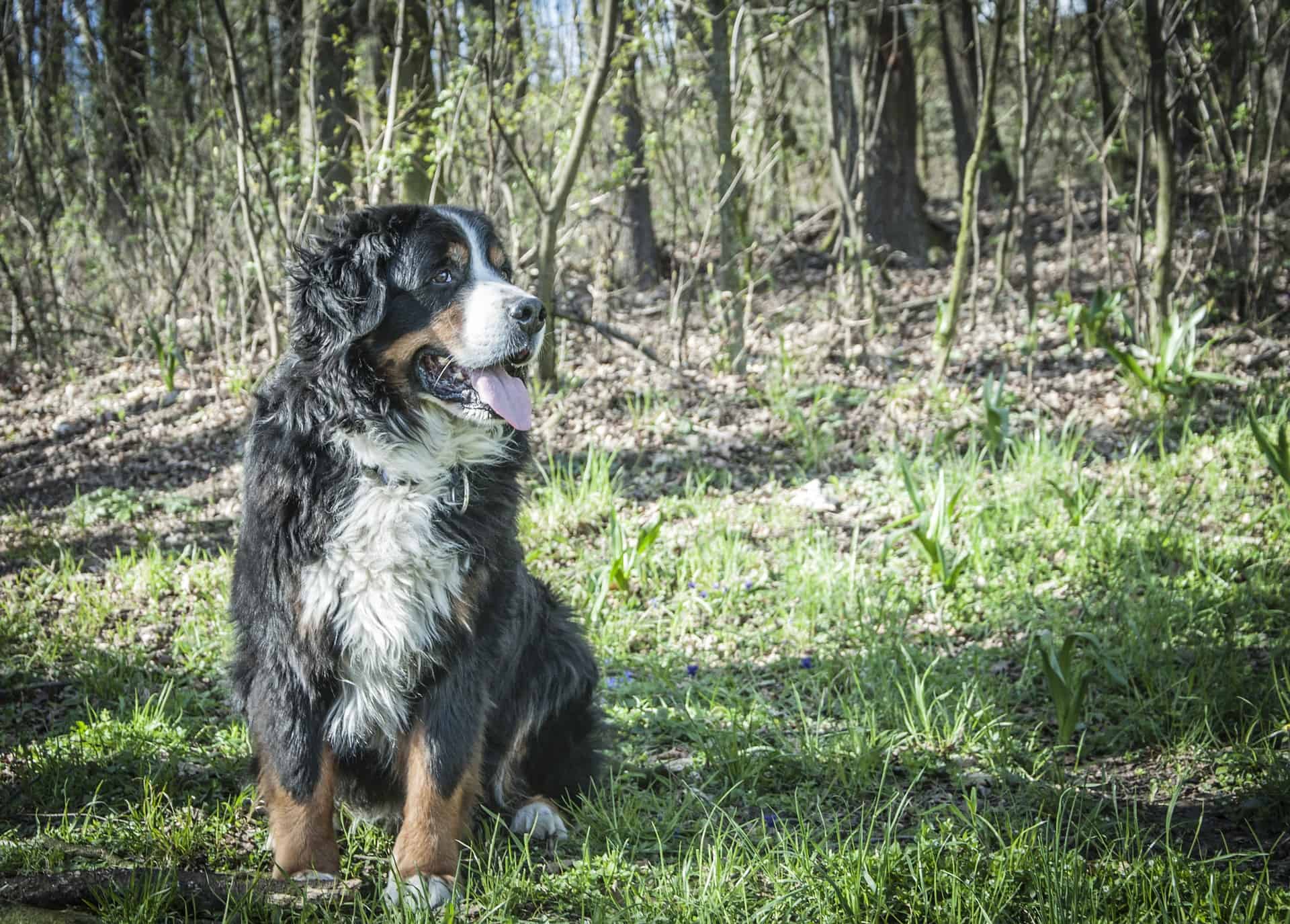
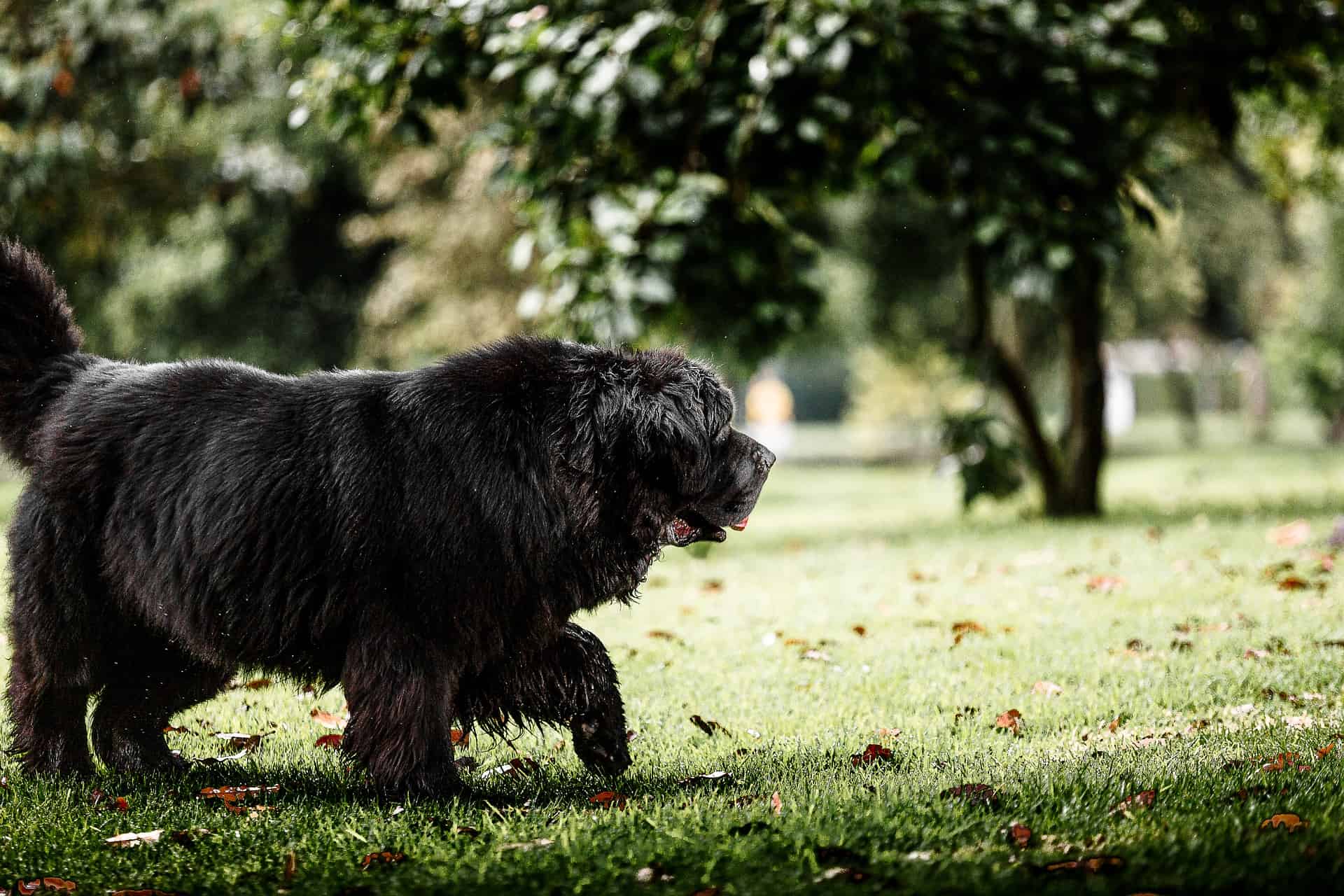
The Bernese Mountain Dog is the closest parallel: another large Swiss working breed with a calm, family-oriented temperament, a heavy coat suited to cold, and a history of draft work in Alpine conditions. The Newfoundland shares the Saint Bernard's Mastiff-type build and its reputation as a gentle, devoted giant, and was in fact crossed into the Saint Bernard line in 1830.
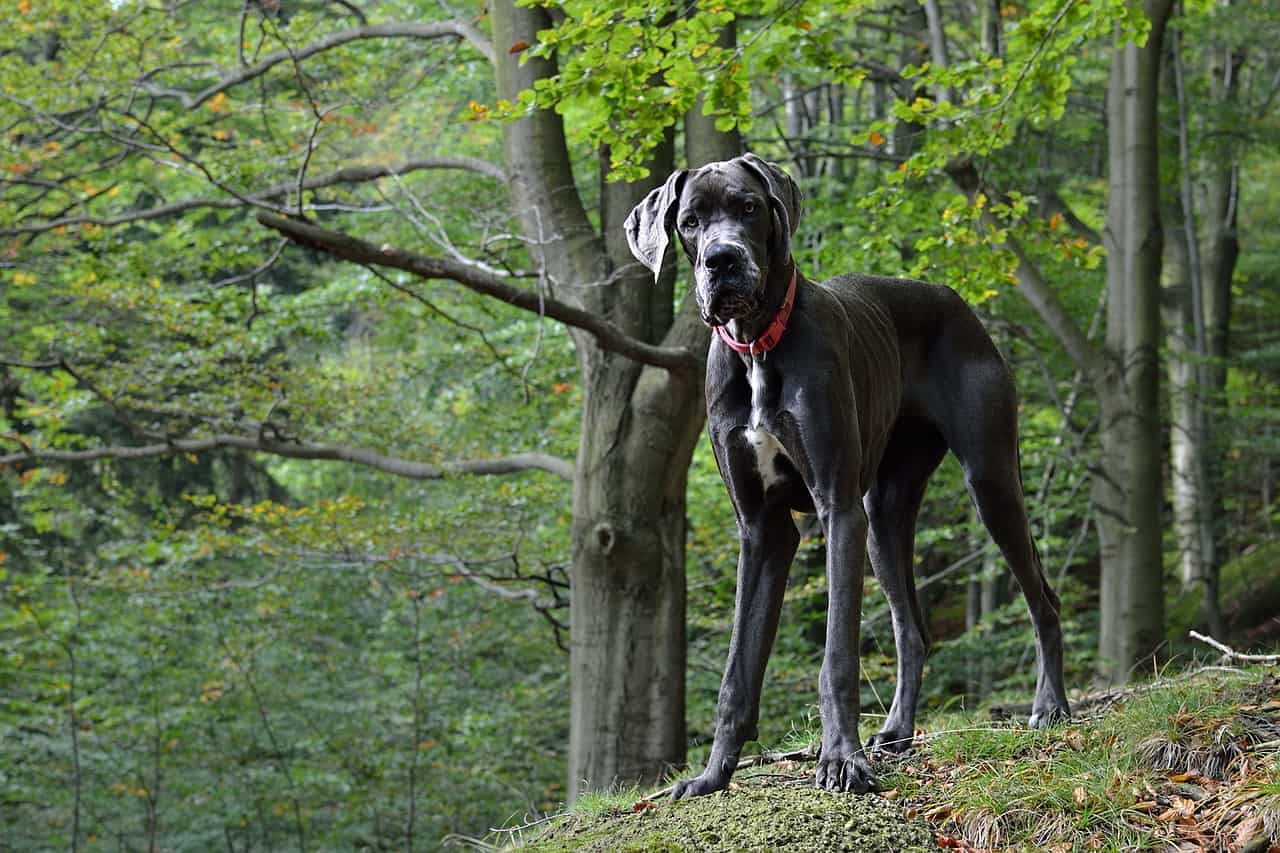
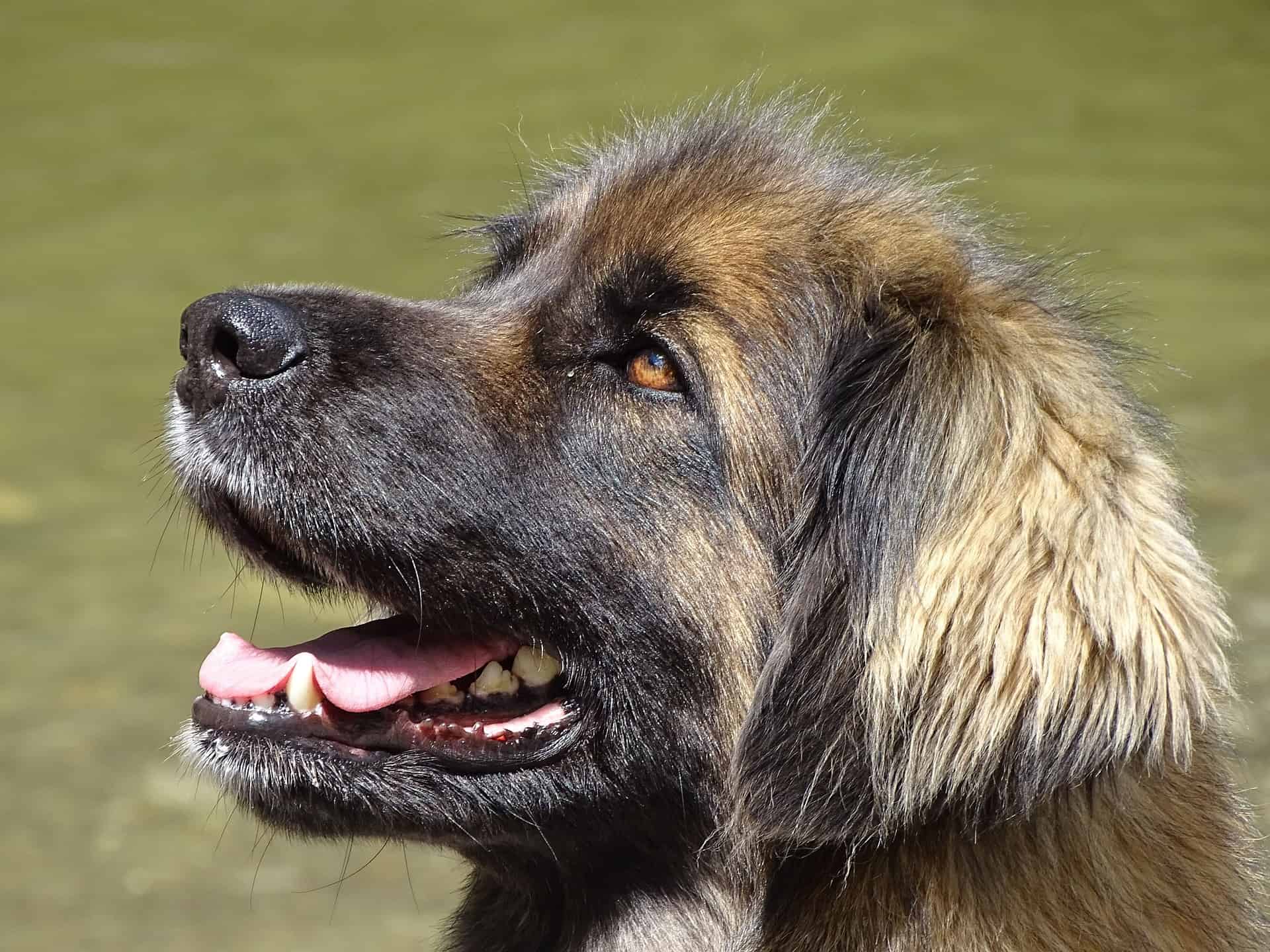
The Great Dane matches on sheer size and the quiet, even-tempered character that often accompanies giant-breed dogs, though its origins and function differ. The Leonberger is the most deliberate echo: bred in the 19th century to resemble a lion, it drew on Saint Bernard stock directly and shares the same imposing frame, thick coat, and gentle disposition.
Trait ratings
- Energy level
- 2/5
- Exercise requirements
- 2/5
- Playfulness
- 3/5
- Affection level
- 4/5
- Friendliness toward dogs
- 2/5
- Friendliness toward other pets
- 4/5
- Friendliness toward strangers
- 3/5
- Ease of training
- 3/5
- Watchdog ability
- 2/5
- Protection ability
- 1/5
- Grooming requirements
- 3/5
- Cold tolerance
- 5/5
- Heat tolerance
- 1/5