Purpose & Origin
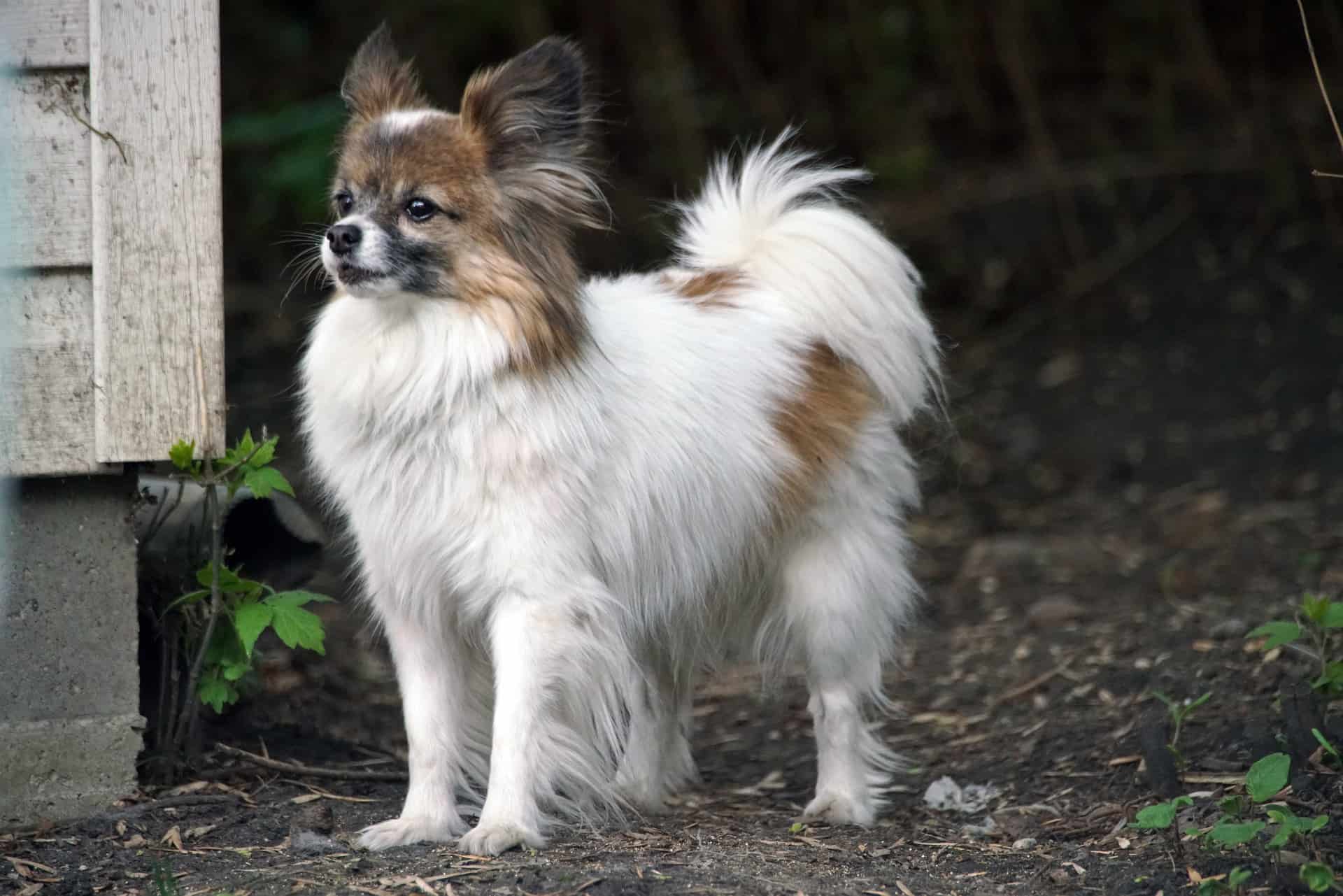
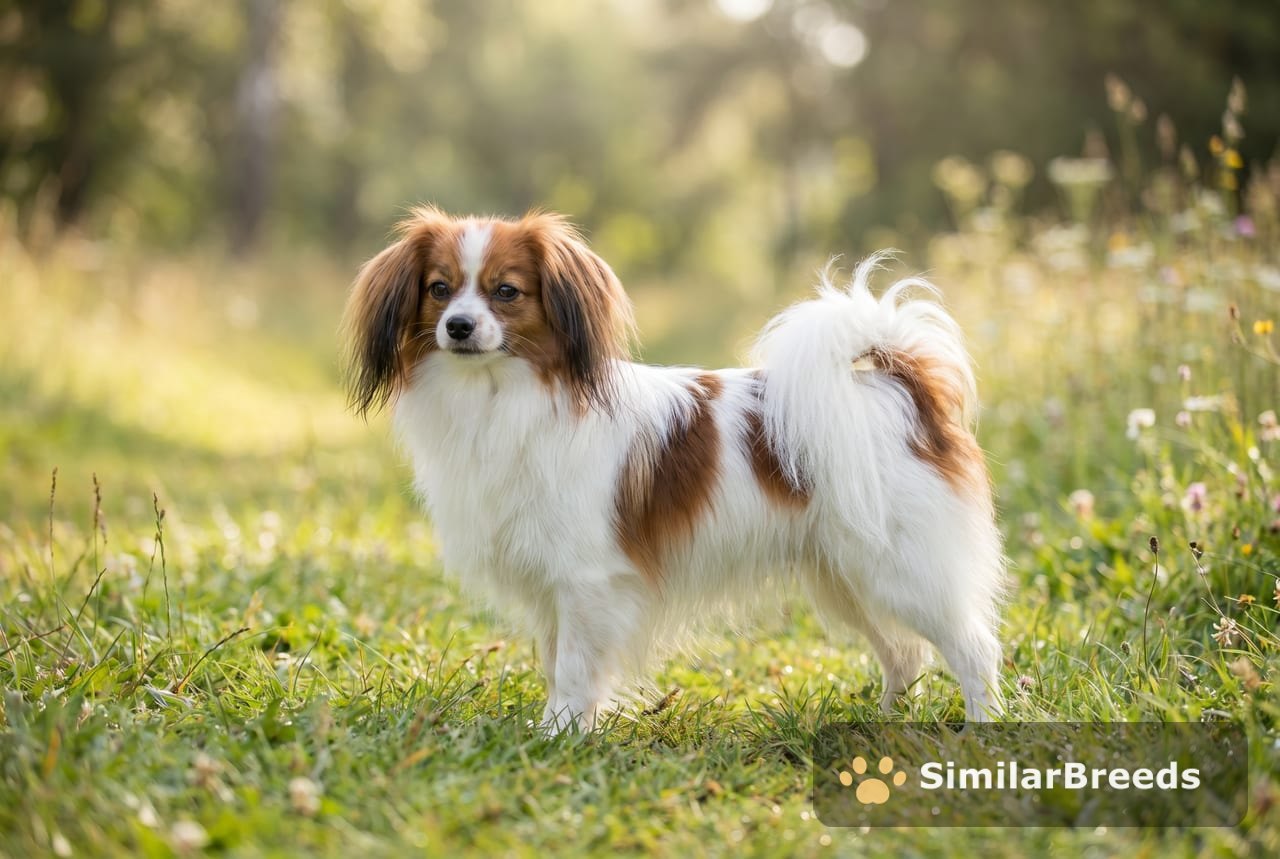
The Phalène is the drop-eared variety of the Continental Toy Spaniel, a breed whose history as a lapdog stretches back to at least the 13th century in continental Europe. Its name comes from the French word for "moth," describing the way its folded ears resemble moth wings at rest. The erect-eared version, the Papillon, came later: during the reign of Louis XVI, Belgian breeders developed the upright "butterfly ear" form, and its novelty was popular enough to largely displace the older drop-eared type for the next two centuries. The Phalène never disappeared entirely but remains far rarer than its sibling.
The breed's likely origin is central Italy, where small spaniel-type companions were bred for the nobility. Louis XIV of France is documented to have used an Italian dealer to supply his court with these dogs, transported from Italy to France by mule. By the 17th and 18th centuries, the breed appeared in court paintings across Spain and France. Today France and Belgium share credit for the modern breed standard.
Temperament & Behaviour
The Phalène is extroverted, affectionate, and noticeably possessive of its owner. It is not a passive lapdog: this is an alert, lively dog that tracks its environment closely, and the trait data reflects that with a watchdog ability score of 5. It is genuinely fond of strangers once comfortable, and gets along well with other dogs and pets. The high affection and playfulness scores match its historical role as a close companion bred specifically for human company.
Unlike some toy breeds, the Phalène is not typically anxious or snappy. It is confident for its size, curious, and adapts well to different households. It does form strong attachments to its primary people, which can shade into separation-related stress if left alone regularly for long periods.
Activity & Training
Exercise needs are low. Short daily walks and indoor play sessions satisfy this breed's physical requirements. Despite the low exercise demand, its energy level is fairly high in short bursts, so interactive toys and games keep it mentally engaged without requiring long outings.
Trainability is genuinely high, one of the better scores in the toy group. The Phalène responds readily to reward-based training and can learn complex tricks and commands. It has competed successfully in agility and obedience despite its small size. The combination of intelligence and willingness to work for attention makes training straightforward, though firmness still matters: a Phalène left to set its own rules will do exactly that.
Cold tolerance is low. This breed feels the cold readily and should not be kept outdoors in cold climates.
Grooming
The Phalène has a single-layer silky coat with no undercoat, which keeps grooming manageable. There is feathering on the ears, chest, legs, and tail. Brushing two to three times per week prevents tangles in the feathering and keeps the coat clean. Because the ears fold down, air circulation around the ear canal is reduced, making it easy for moisture and debris to accumulate. Ear checks and gentle cleaning should be part of the routine to prevent infections. The single coat means less shedding than double-coated toy breeds but also less insulation against cold.
Health
Lifespan is 12 to 16 years. The Phalène shares the health profile of the Papillon variety. Patellar luxation is the most commonly cited structural concern in the breed. Progressive retinal atrophy and other eye conditions are worth screening for, particularly in breeding stock. Dental disease is a significant risk across all small dogs and is a primary cause of shortened life in this breed specifically. Daily tooth brushing or equivalent dental care makes a measurable difference. Seizure disorders have been reported in the breed, though they are not universal. Overall the breed is considered hardy and long-lived for its size.
Why these breeds are similar
**Papillon** is the closest possible comparison: it is the same breed in the same size range with an identical temperament profile, differing only in ear carriage. An erect-eared puppy and a drop-eared puppy can be born in the same litter. Everything said about one applies almost entirely to the other.
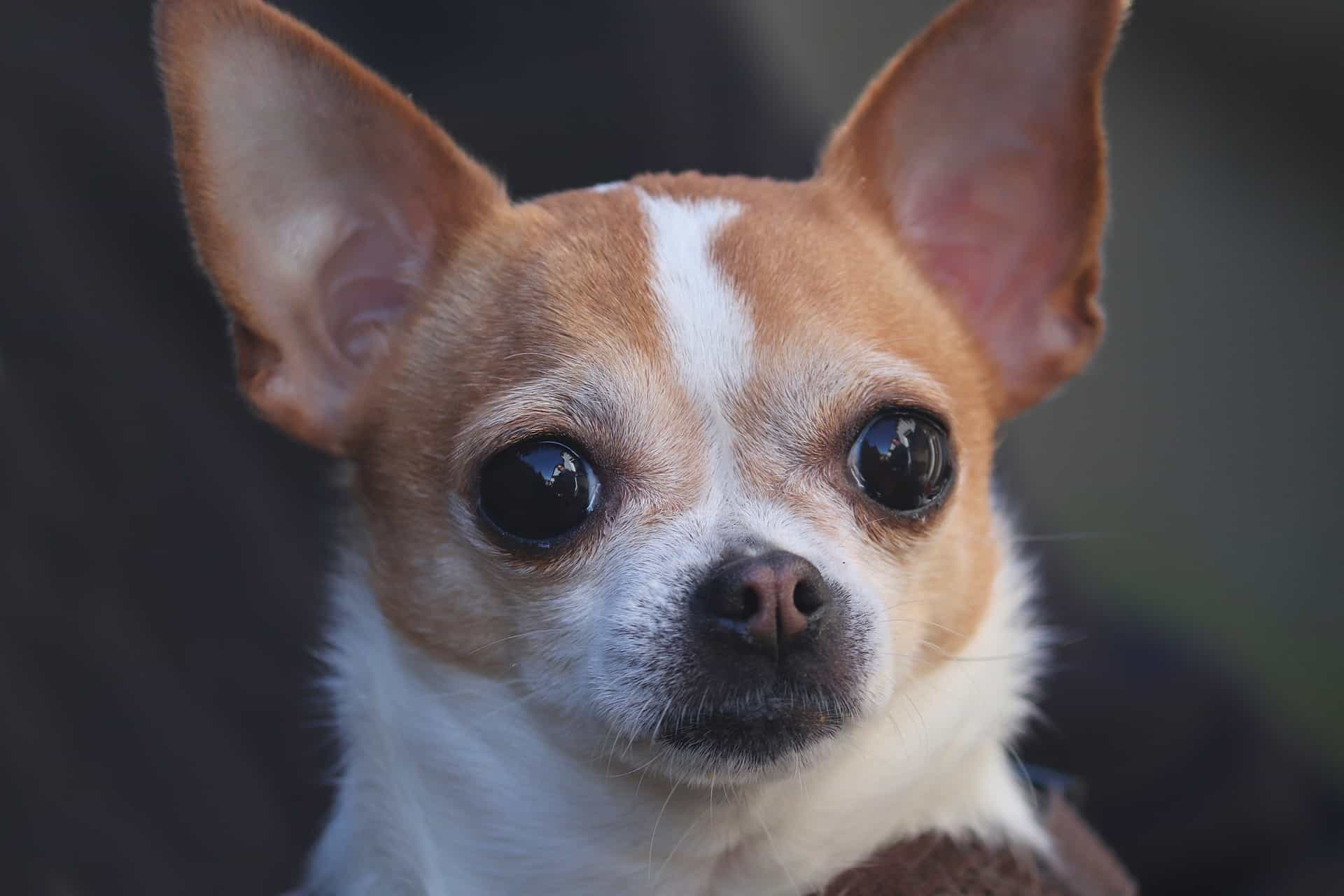
**Chihuahua** shares the toy size, high alertness, and strong owner bonding. Both breeds compete in the same weight class and have similarly elevated watchdog scores. The Chihuahua is generally more stubborn and can be sharper with strangers, where the Phalène is more easily socialised.
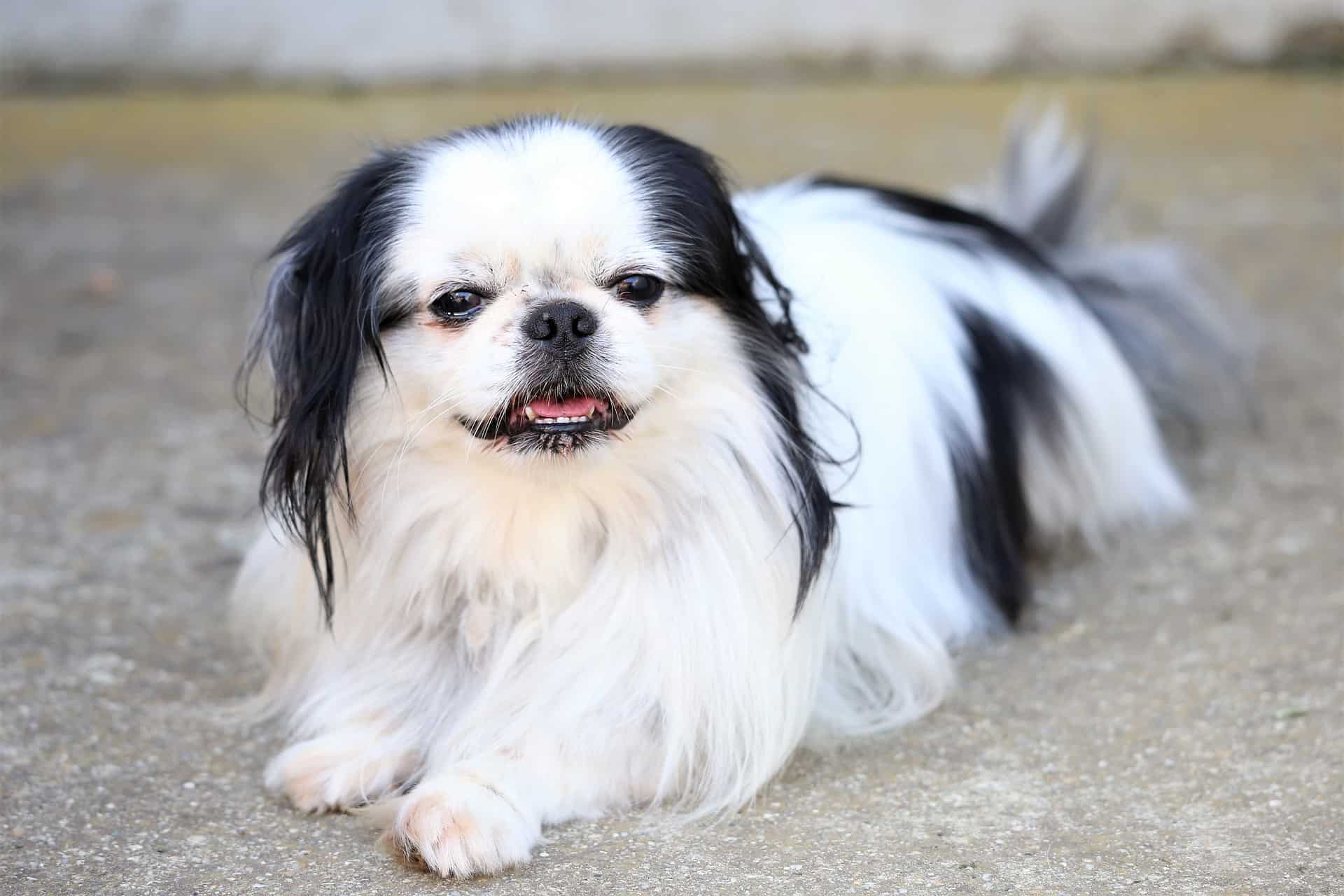
**Japanese Chin** is another ancient lapdog bred for court life with a similarly gentle, adaptable temperament and comparable size. Both are quiet, affectionate, and oriented toward their people. The Chin has a flatter face and a somewhat more reserved, catlike personality.
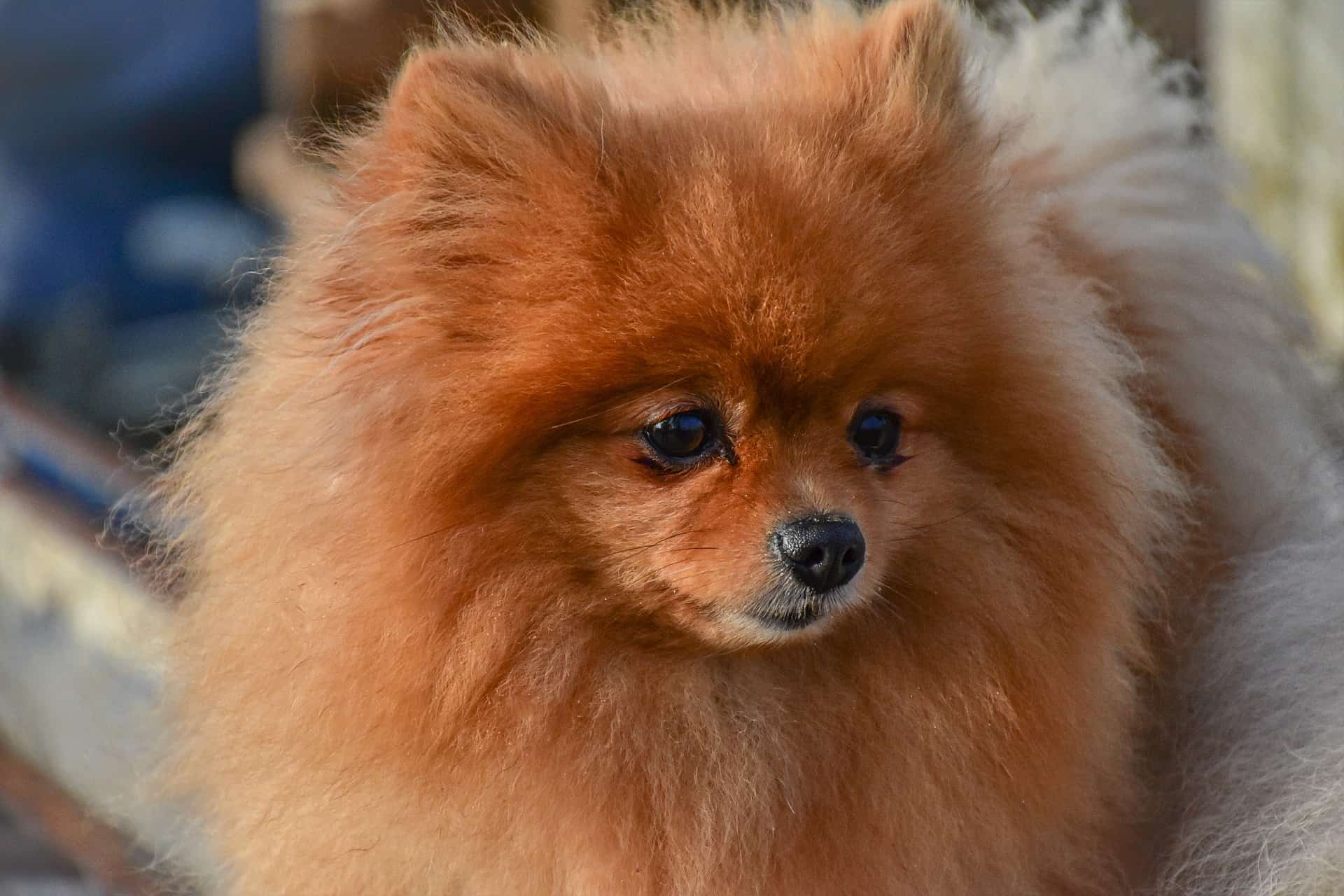
**Pomeranian** overlaps on size, high energy in short bursts, watchdog instinct, and the dense attachment to owners. The Pom has a double coat requiring heavier grooming, a more assertive vocal presence, and a spitz build rather than a spaniel build, but the companion role and day-to-day demands are comparable.
Trait ratings
- Energy level
- 4/5
- Exercise requirements
- 1/5
- Playfulness
- 5/5
- Affection level
- 5/5
- Friendliness toward dogs
- 4/5
- Friendliness toward other pets
- 4/5
- Friendliness toward strangers
- 4/5
- Ease of training
- 5/5
- Watchdog ability
- 5/5
- Protection ability
- 1/5
- Grooming requirements
- 3/5
- Cold tolerance
- 1/5
- Heat tolerance
- 3/5