Japanese Chin
From Japan
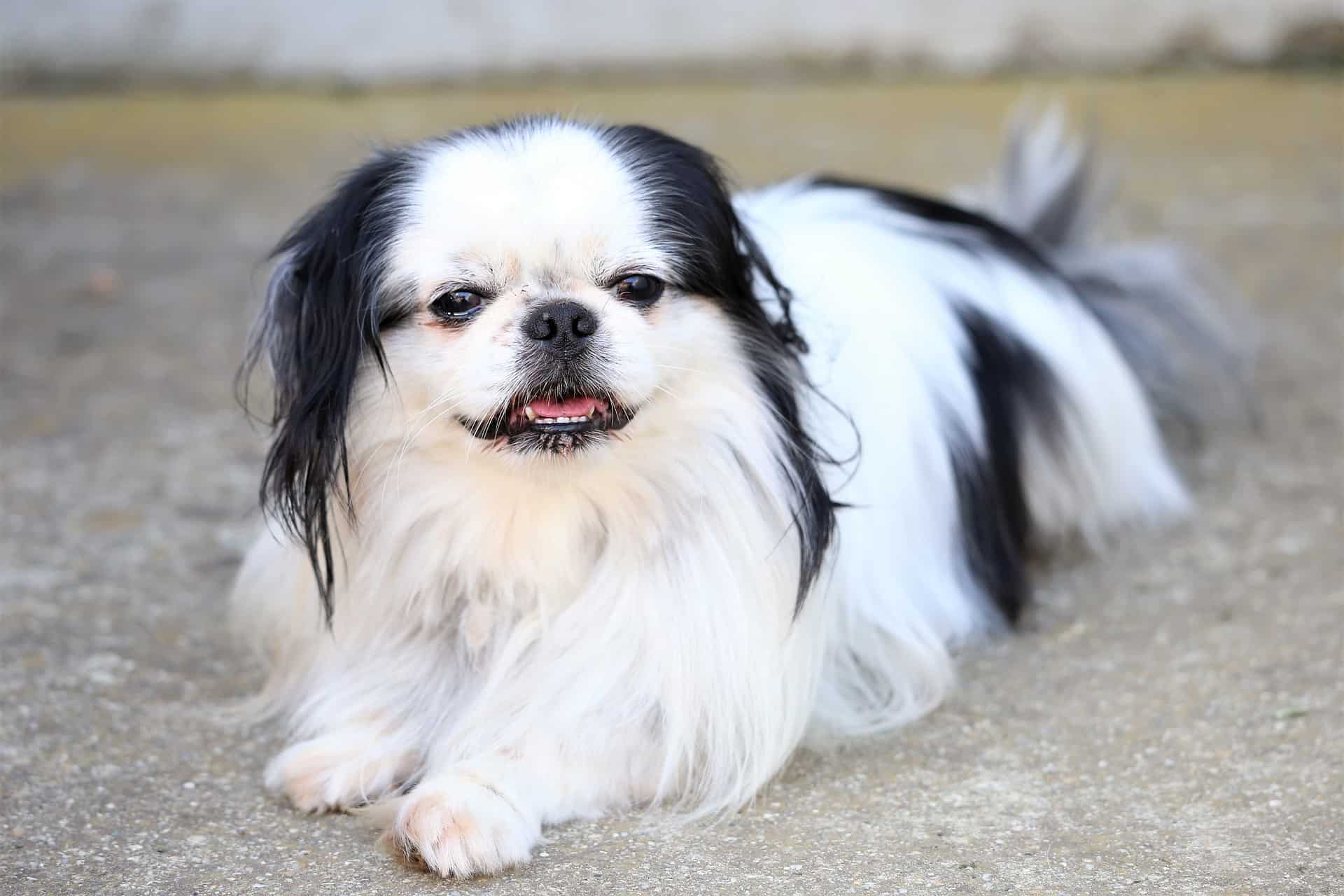
Purpose & Origin
The Japanese Chin is, despite its name, of Chinese origin. It was kept by Chinese aristocracy and given as a diplomatic gift to visiting nobles before finding its way to Japan, where it became a fixture of the Imperial court. The exact route is disputed: Zen Buddhist monks, a Korean prince, or a Chinese emperor may each have been responsible, but by the time Portuguese sailors reached Japan in the sixteenth century the Chin was already firmly established as a lapdog and a status symbol, reportedly small enough that some were kept in hanging birdcages.
Commodore Perry presented a pair to Queen Victoria in 1853, and traders followed with more. Early imports were larger than today's dog, and some crossing with English Toy Spaniels may have trimmed the size. It was recognised by the AKC in the late nineteenth century under the name Japanese Spaniel, a label later corrected.
Temperament & Behaviour
Few toy breeds are as openly affectionate as the Chin. It attaches closely to its owner, tends to follow them from room to room, and is at its happiest on a warm lap. What makes it unusual among lapdogs is a temperament that reads almost feline: self-possessed, inclined to perch on high surfaces, and occasionally given to climbing. It is also genuinely sociable, friendly with strangers, other dogs, and other pets alike. Playful and gentle, it suits children who handle dogs calmly, but it is too slight for rough handling. Its watchdog ability is disproportionate to its size; it notices and announces everything.
Activity & Training
The Chin's exercise needs are modest. A short daily walk and a few indoor play sessions are sufficient. Its small size means the living room can double as a workout space on cold or wet days, which suits apartment life well. Cold and heat both trouble it, so outdoor time in hot, humid conditions should be kept brief. Training is straightforward for a dog this willing to please, though the breed's independent streak means sessions work better when kept short and reward-based.
Grooming
The long, silky coat is less demanding than it looks. Combing twice a week is enough to keep it tangle-free under normal conditions. The flat face can cause mild wheezing in some individuals, and the prominent eyes are prone to corneal abrasions and need regular checks for irritation or debris.
Health
The Chin lives roughly ten to twelve years. Known concerns include patellar luxation, dry eye (KCS), entropion, cataracts, and heart murmur. Epilepsy and portacaval shunts are seen occasionally. The breed is sensitive to anaesthesia, which any vet should know before any procedure. Recommended health tests cover knees, eyes, and cardiac function.
Why these breeds are similar
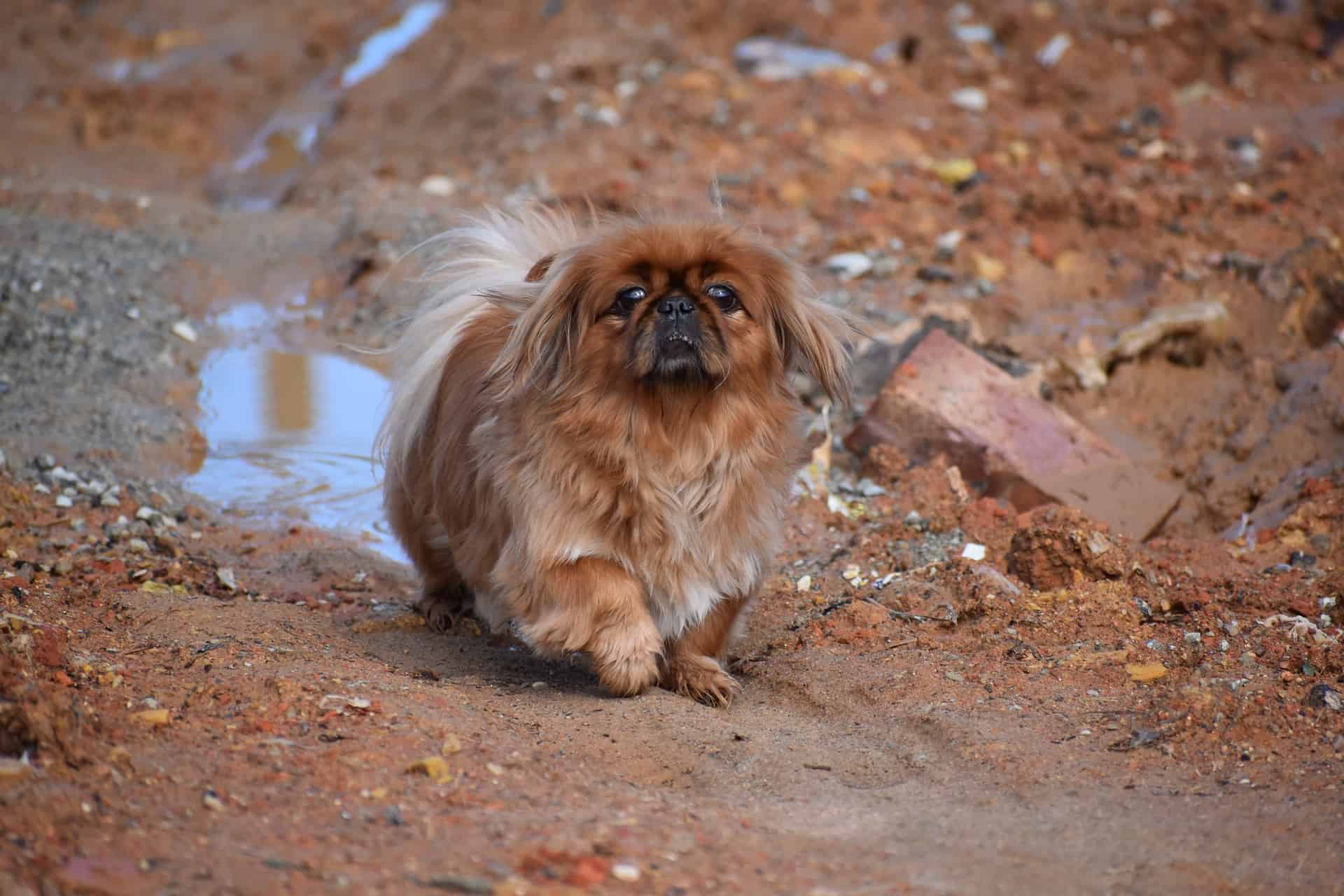
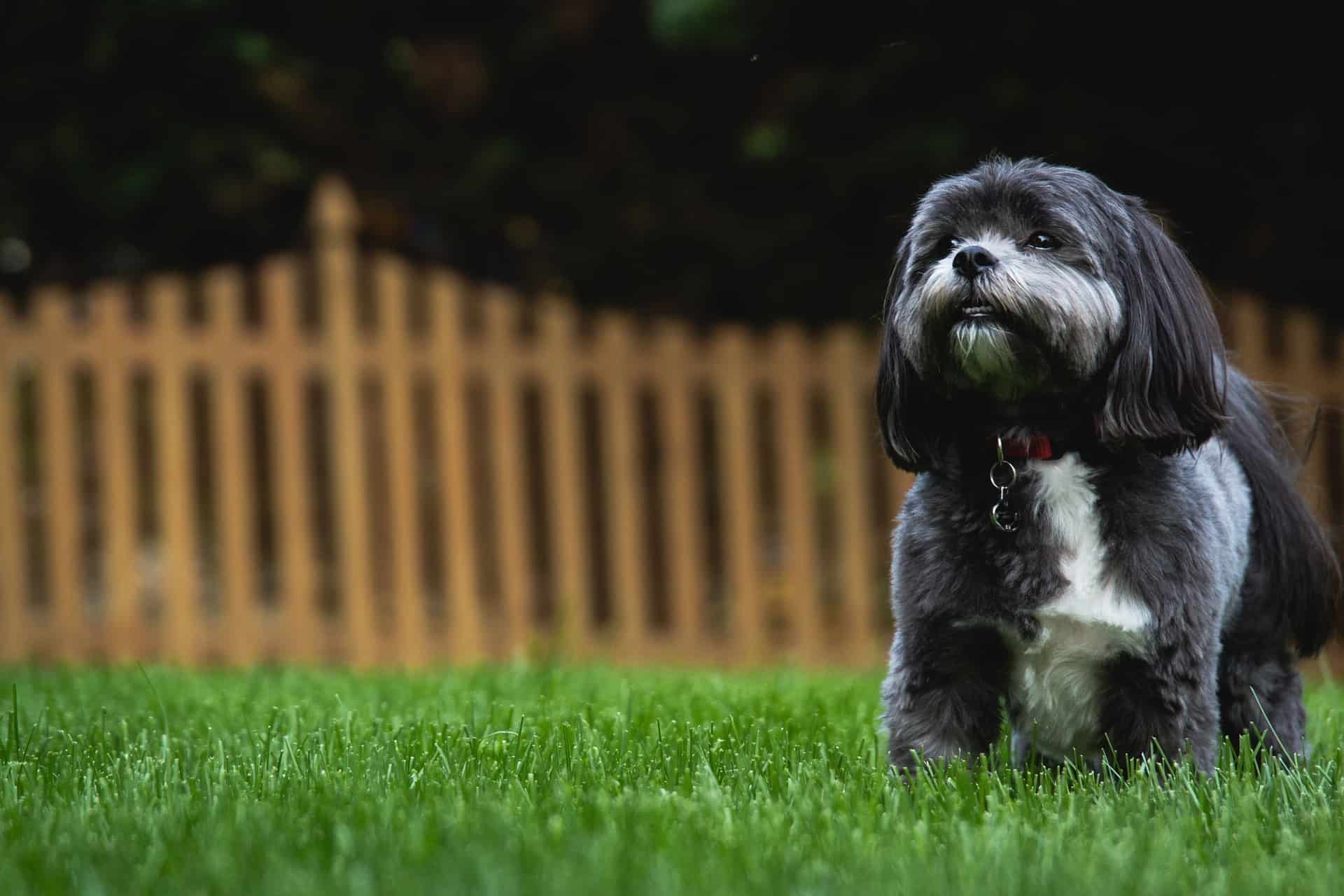
The **Pekingese** is the Chin's closest historical relative, another ancient Chinese court dog bred for the lap of royalty, sharing the flat face, long coat, and aristocratic bearing. The **Shih Tzu** comes from the same cultural orbit, a Chinese palace dog with an equally long coat, similar size, and a similarly affectionate, people-oriented character.
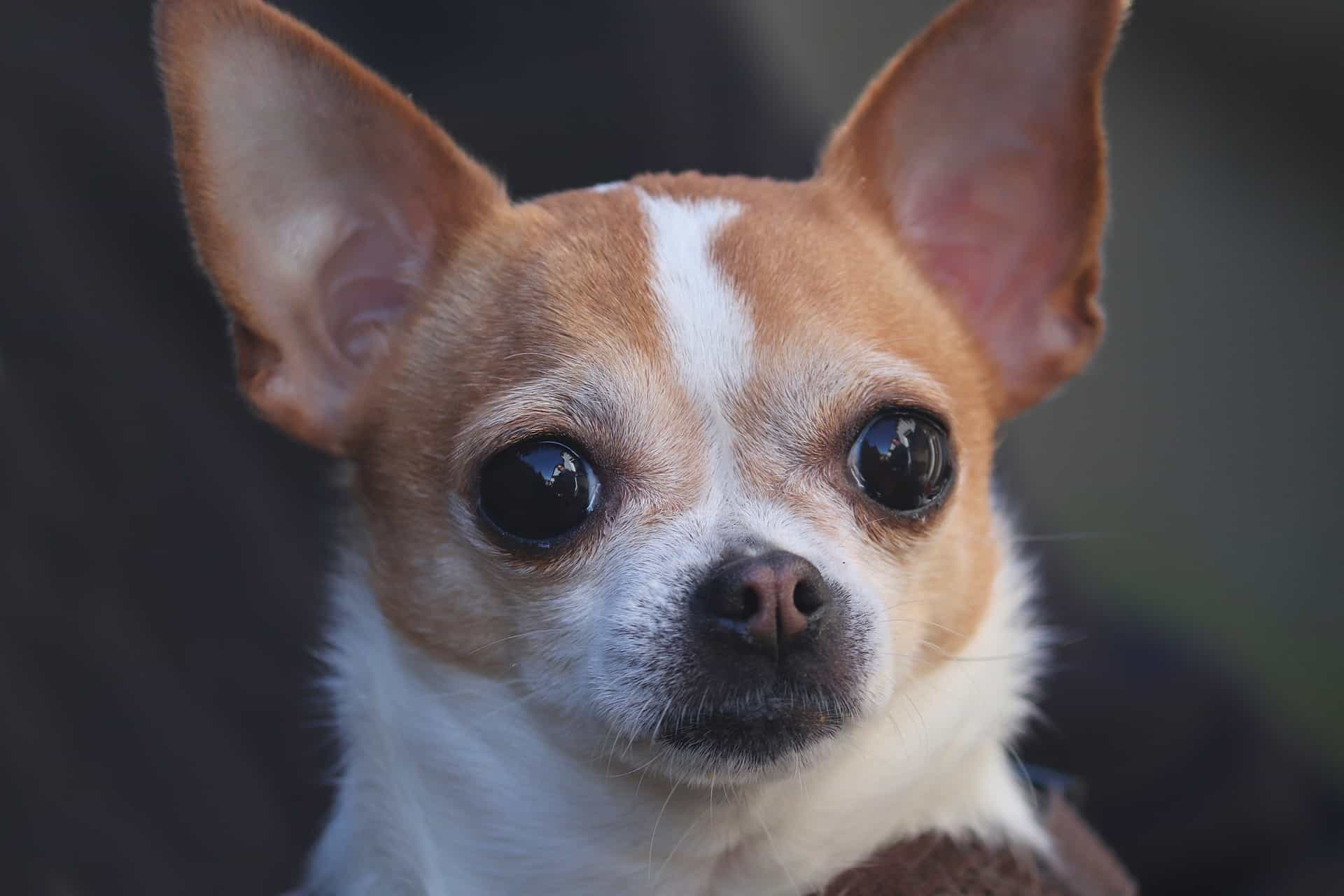
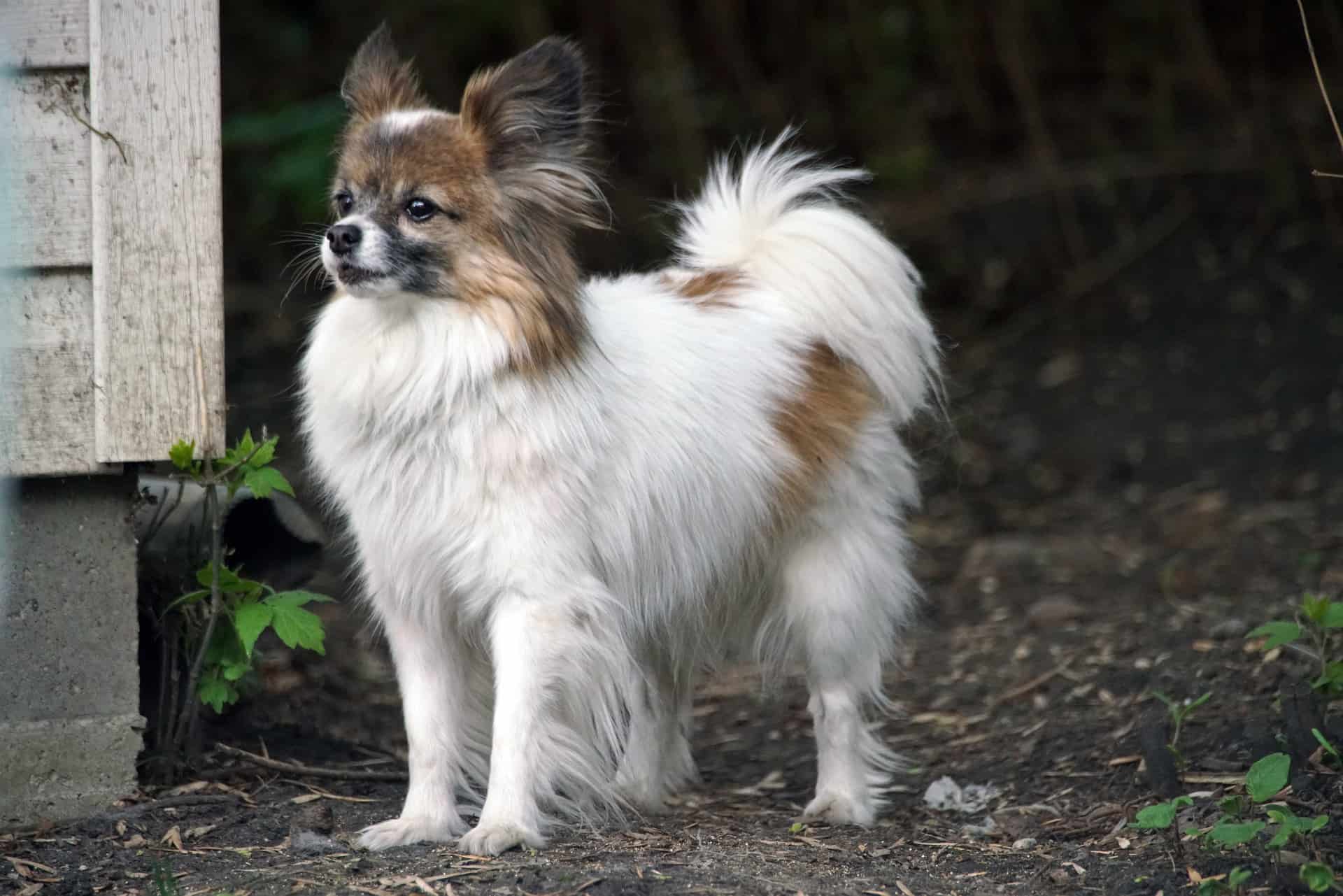
The **Papillon** is a European toy spaniel that mirrors the Chin's playfulness, light build, and alert watchdog temperament, even if its upright ears and longer muzzle mark a different lineage. The **Chihuahua** is the outlier in terms of coat and origin but connects through size, devotion to one owner, and the sharp alertness common to dogs bred purely for companionship in close quarters.
Trait ratings
- Energy level
- 3/5
- Exercise requirements
- 1/5
- Playfulness
- 4/5
- Affection level
- 5/5
- Friendliness toward dogs
- 4/5
- Friendliness toward other pets
- 4/5
- Friendliness toward strangers
- 5/5
- Ease of training
- 3/5
- Watchdog ability
- 5/5
- Protection ability
- 1/5
- Grooming requirements
- 3/5
- Cold tolerance
- 2/5
- Heat tolerance
- 2/5