Pekingese
From China
Purpose & Origin
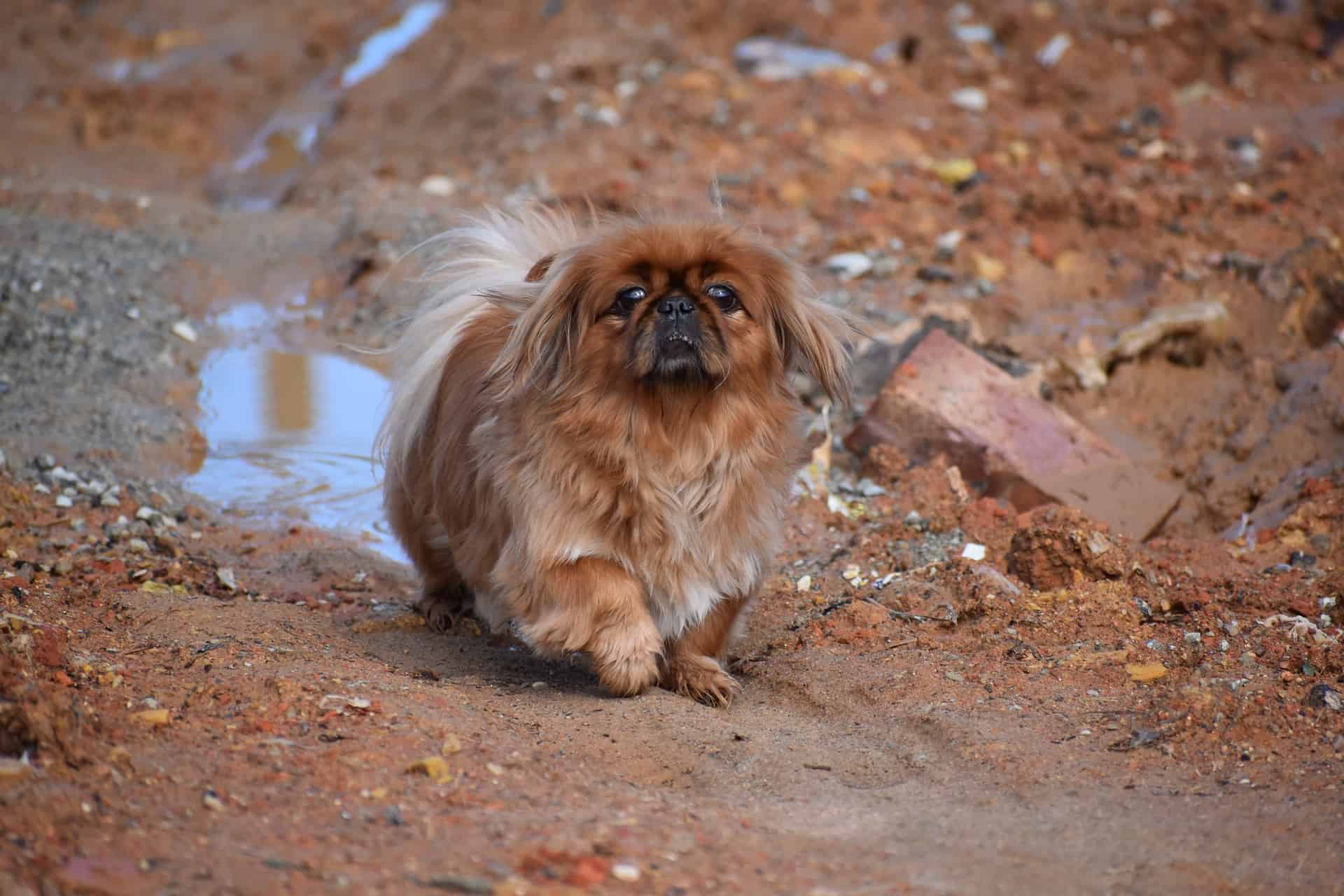
The Pekingese is one of the oldest of all companion breeds, shaped not by sporting need but by imperial devotion. In China, the lion was a sacred symbol in Lamaist Buddhism, and court breeders working under the supervision of palace eunuchs spent centuries developing a small dog that echoed the lion's appearance. The results, sometimes called Foo dogs or lion dogs, reached their peak status during the Tang dynasty, from around 700 to 1000 AD, when the finest examples lived as royalty with personal servants.
The smallest of the breed were called sleeve dogs, carried inside the wide sleeves of their owners. When British forces looted the imperial summer palace in 1860, five of these dogs were taken back to England, one presented to Queen Victoria. The breed found immediate admirers, remained the preserve of wealthy owners for decades, and rose to great popularity before settling into its current niche as an uncommon but competitive show breed.
Temperament & Behaviour
The Pekingese carries its imperial past in its personality. It is not a cuddly, eager-to-please dog. It is independent, self-possessed, and unmistakably stubborn. It tends to be reserved around strangers, though individuals vary and some are perfectly outgoing. With family it is affectionate, but not in an effusive way. It will not back down from a confrontation, which is worth knowing before introducing one to other dogs. Children are a poor match unless they are old enough to handle a small dog with care, because the Pekingese will not tolerate rough play and can be physically hurt by careless handling.
Activity & Training
Exercise needs for this breed are minimal. A leisurely daily walk is enough, and the Pekingese is just as content to potter around indoors. It makes an ideal apartment dog for exactly that reason. Heat is a serious hazard: the short face and thick coat combine to make heat prostration a real risk, and air conditioning is not optional in warm climates. Training is another matter. The independence and stubbornness that define this breed mean that conventional obedience training is an uphill effort. Patient, reward-based sessions in very short bursts give better results than repetitive drilling, and realistic expectations matter here.
Grooming
The Pekingese coat is one of the most demanding in the toy group. It mats readily and needs combing at minimum once a week, with more frequent attention strongly preferred. Beyond the coat, the facial wrinkle above the nose must be cleaned every day or it becomes a source of skin infection. The fur around the hindquarters needs daily inspection for soiling. Snoring comes with the territory, a product of the same flat-faced anatomy. This is a breed where grooming is a real ongoing commitment, not an occasional task.
Health
The breed lives 13 to 15 years. The flat face brings predictable respiratory concerns: elongated soft palate and narrowed nostrils (stenotic nares) are the most common issues. Eye problems are worth monitoring, including dry eye (KCS), extra eyelashes (distichiasis and trichiasis), and susceptibility to corneal scratches given how prominent the eyes are. Kneecap dislocation (patellar luxation) and skin fold dermatitis round out the typical concerns. The breed is sensitive to anaesthesia, which any vet treating a Pekingese should be aware of. Caesarean delivery is often necessary for whelping.
Why these breeds are similar
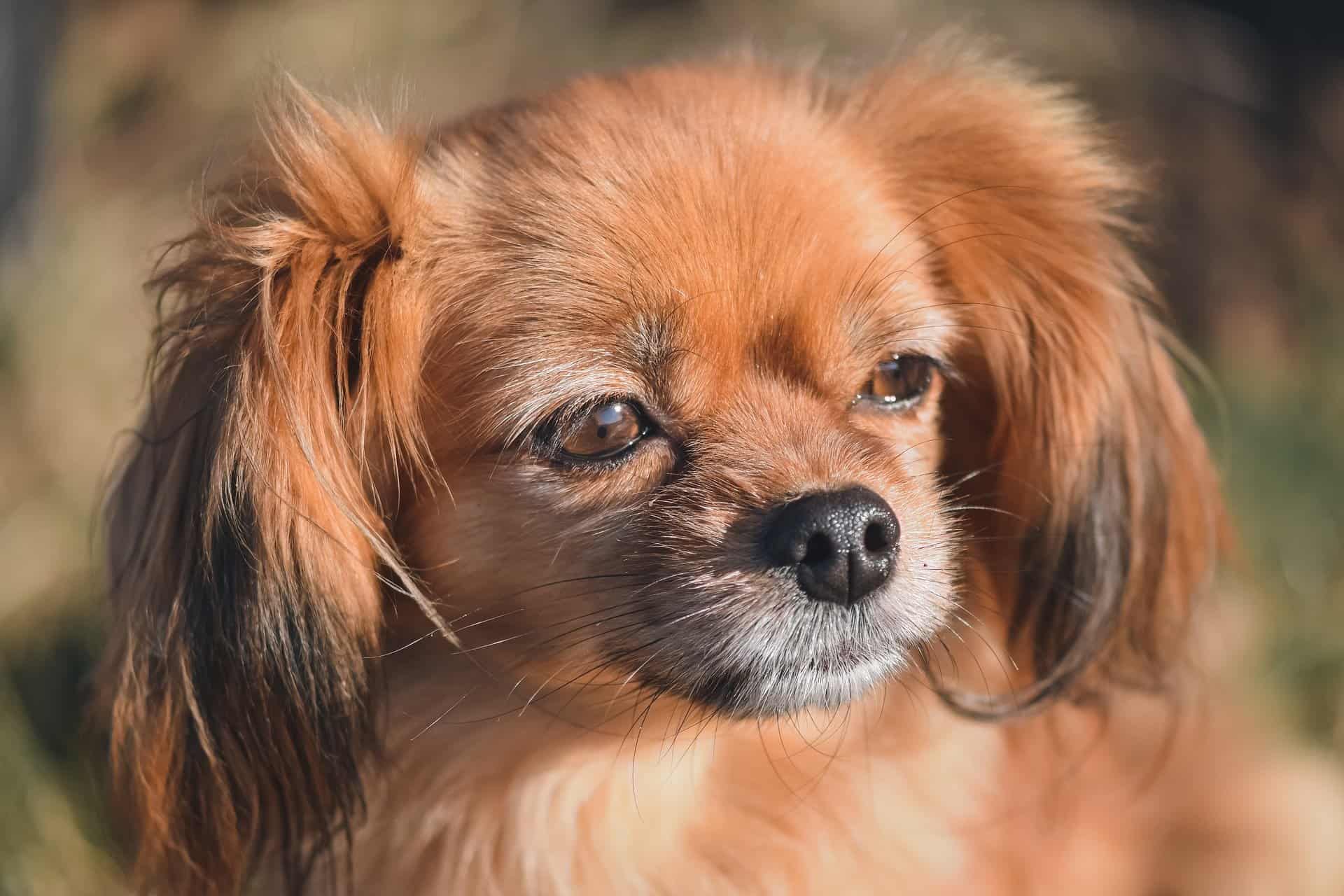
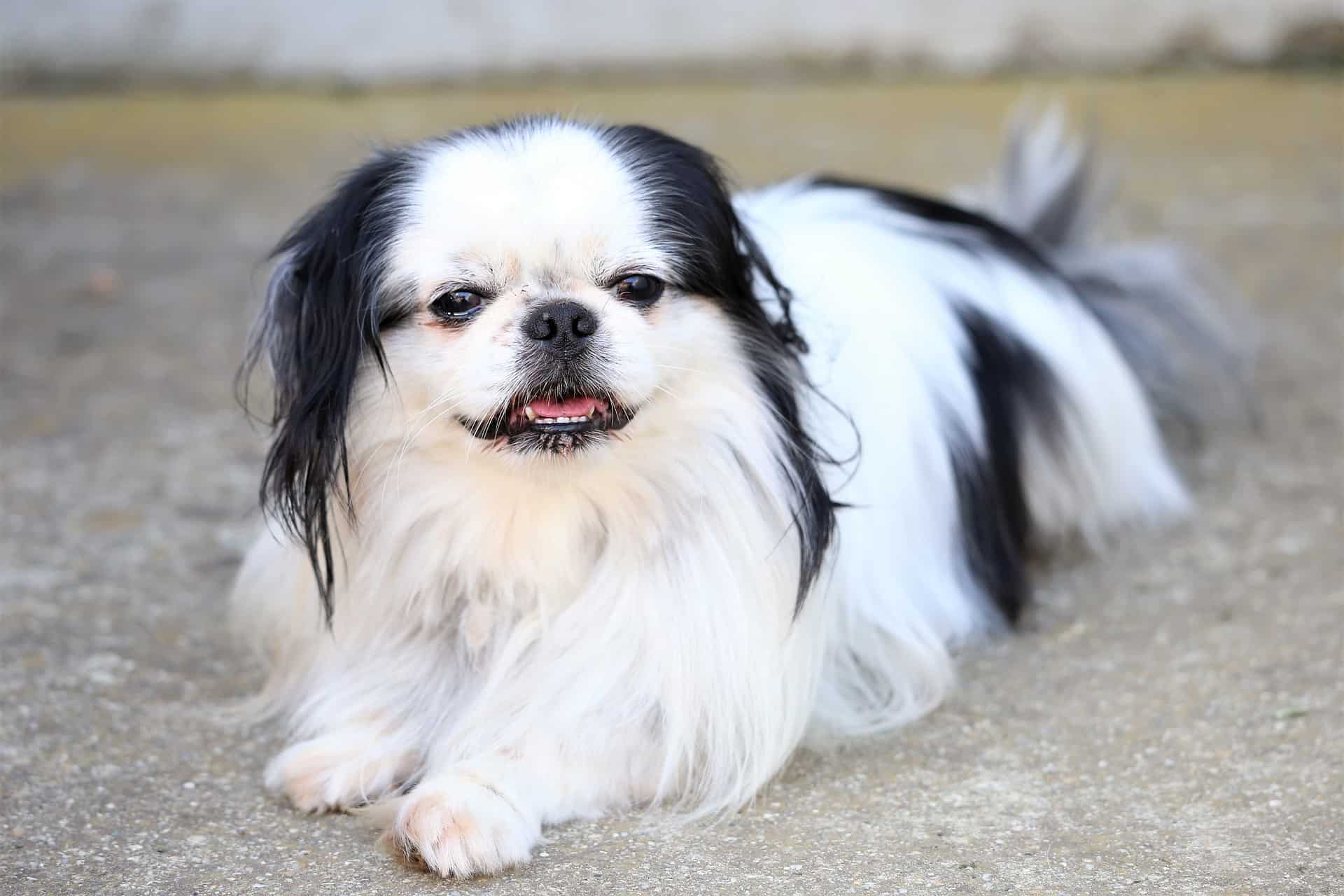
The **Tibetan Spaniel** is perhaps the closest relative in purpose and type: another ancient Asian companion bred in a religious context, similarly small, independent, and watchful, with a longer history on monastery walls than on anyone's lap. The **Japanese Chin** shares the same imperial Chinese origin story and was refined further in Japan; it is another flat-faced, silky-coated aristocrat bred purely for companionship, with a reserved but loyal temperament that mirrors the Pekingese closely.
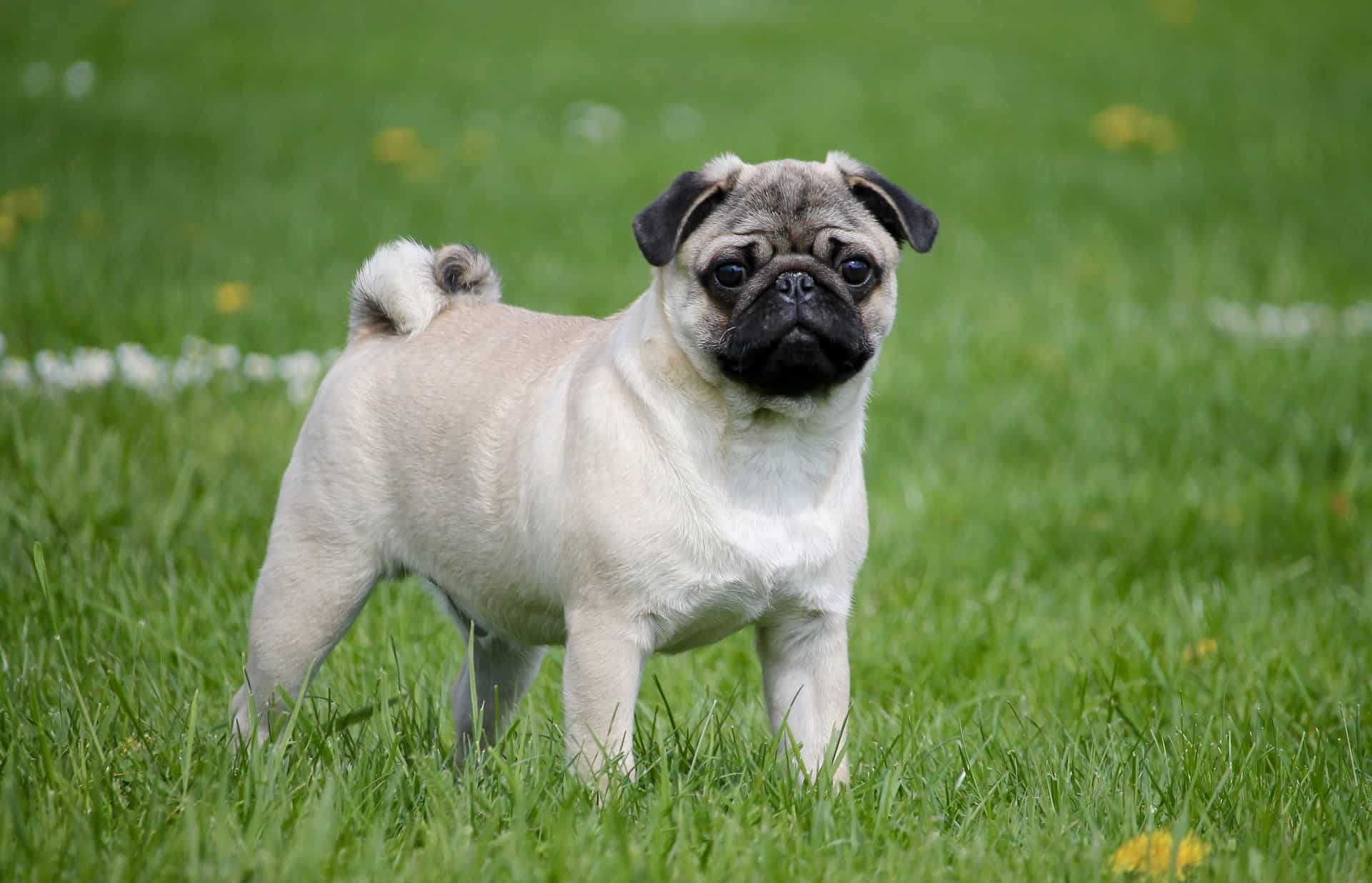
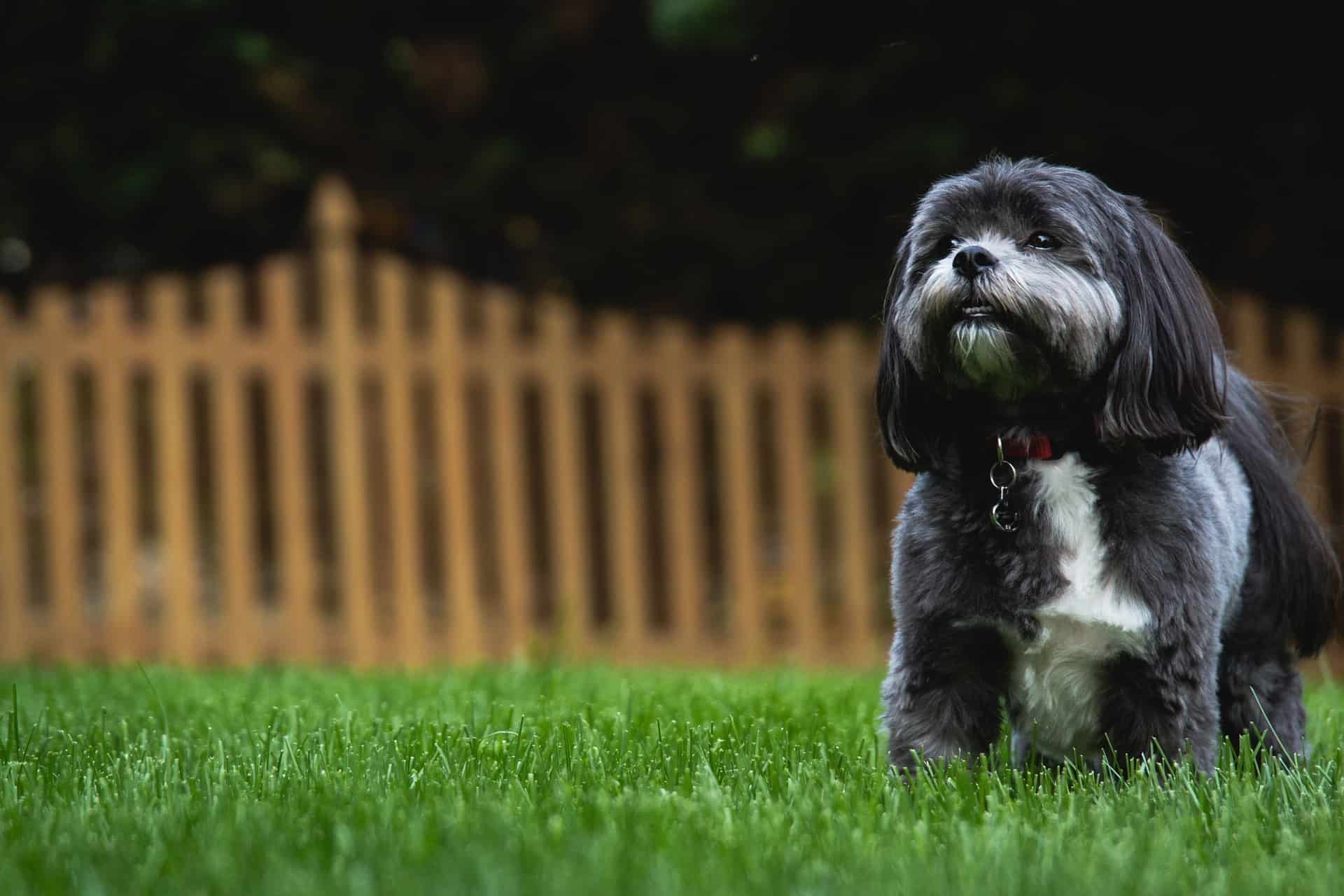
The **Shih Tzu** overlaps in origin (Chinese palace breeding) and coat demands, though it is generally friendlier and more outgoing; both breeds require serious grooming commitment and share that distinctive flat-faced look. The **Pug** is the functional match among the group: another short-faced toy with minimal exercise needs, a strong watchdog alarm despite its size, and the same heat intolerance that comes with brachycephalic anatomy.
Trait ratings
- Energy level
- 1/5
- Exercise requirements
- 1/5
- Playfulness
- 1/5
- Affection level
- 2/5
- Friendliness toward dogs
- 3/5
- Friendliness toward other pets
- 4/5
- Friendliness toward strangers
- 2/5
- Ease of training
- 1/5
- Watchdog ability
- 5/5
- Protection ability
- 1/5
- Grooming requirements
- 5/5
- Cold tolerance
- 3/5
- Heat tolerance
- 1/5