Maremmano-Abruzzese Sheepdog
Also known as Maremma And The Abruzzes Sheepdog, Maremmano, Maremma Sheepdog, Abruzzese Sheepdog
From Italy
Purpose & Origin
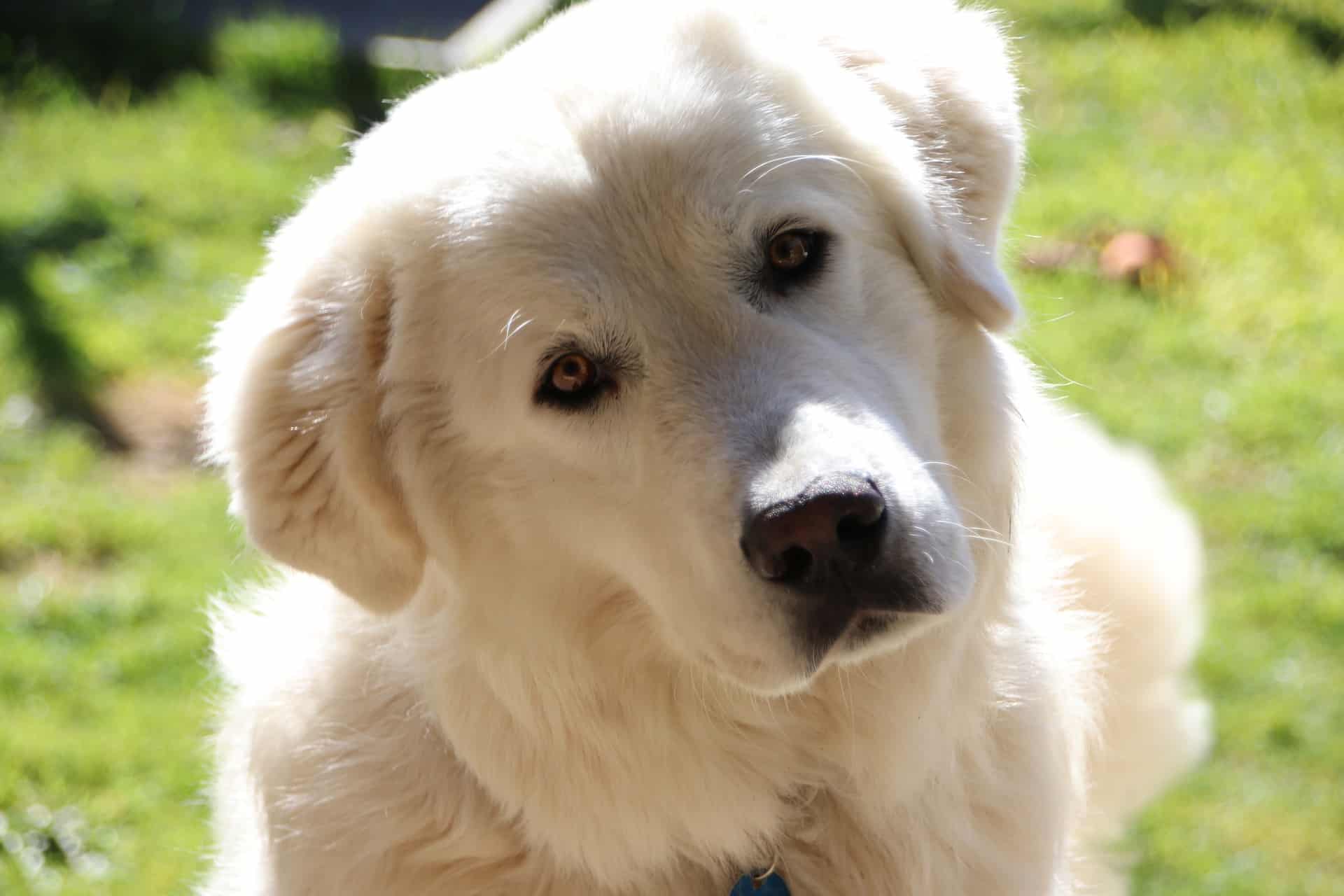
The Maremmano-Abruzzese Sheepdog is an Italian livestock guardian with more than two thousand years of documented history. The Roman agricultural writer Varro described this type of dog in the first century BC, noting a preference for white coats so the dogs could be distinguished from wolves in the dark, and the use of spiked leather collars to protect their necks during combat with predators.
The breed's range spans from the Abruzzi mountains to the Maremma plains of southern Tuscany. Two slightly distinct regional forms were merged by Italian canine authorities in the 1950s under the combined name Cane da Pastore Maremmano-Abruzzese, though outside Italy the dog is still widely called the Maremma Sheepdog.
Its job was to live with the flock and defend it, not herd it. Working largely without human supervision against wolves, bears, and later thieves and stray dogs, that role shaped everything about how the breed thinks.
Temperament & Behaviour
The Maremmano-Abruzzese is calm, self-possessed, and slow to anger, but once provoked it is seriously aggressive. Morris records a wartime anecdote in which a captured Maremma was penned overnight with seven military-trained German Shepherds; by morning it was the only survivor. The story may be embellished, but it captures the breed accurately.
Toward its own family the dog is loyal and affectionate. Toward strangers it is suspicious by default, a trait that is not a training failure but a design feature. The dog bonds to those it considers its charges and takes that responsibility literally. The breed assesses threats and acts on its own judgment, which makes it unsuitable for owners expecting conventional obedience.
Activity & Training
A Maremmano kept without territory to patrol will become restless. It needs genuine space and, ideally, a working role or at least free access to a large outdoor area. Training requires earned respect rather than compulsion. The breed is intelligent but was never designed to defer to a handler; commands issued without an established relationship tend to be ignored. Early and consistent socialisation is important, particularly with people who regularly visit the property.
Grooming
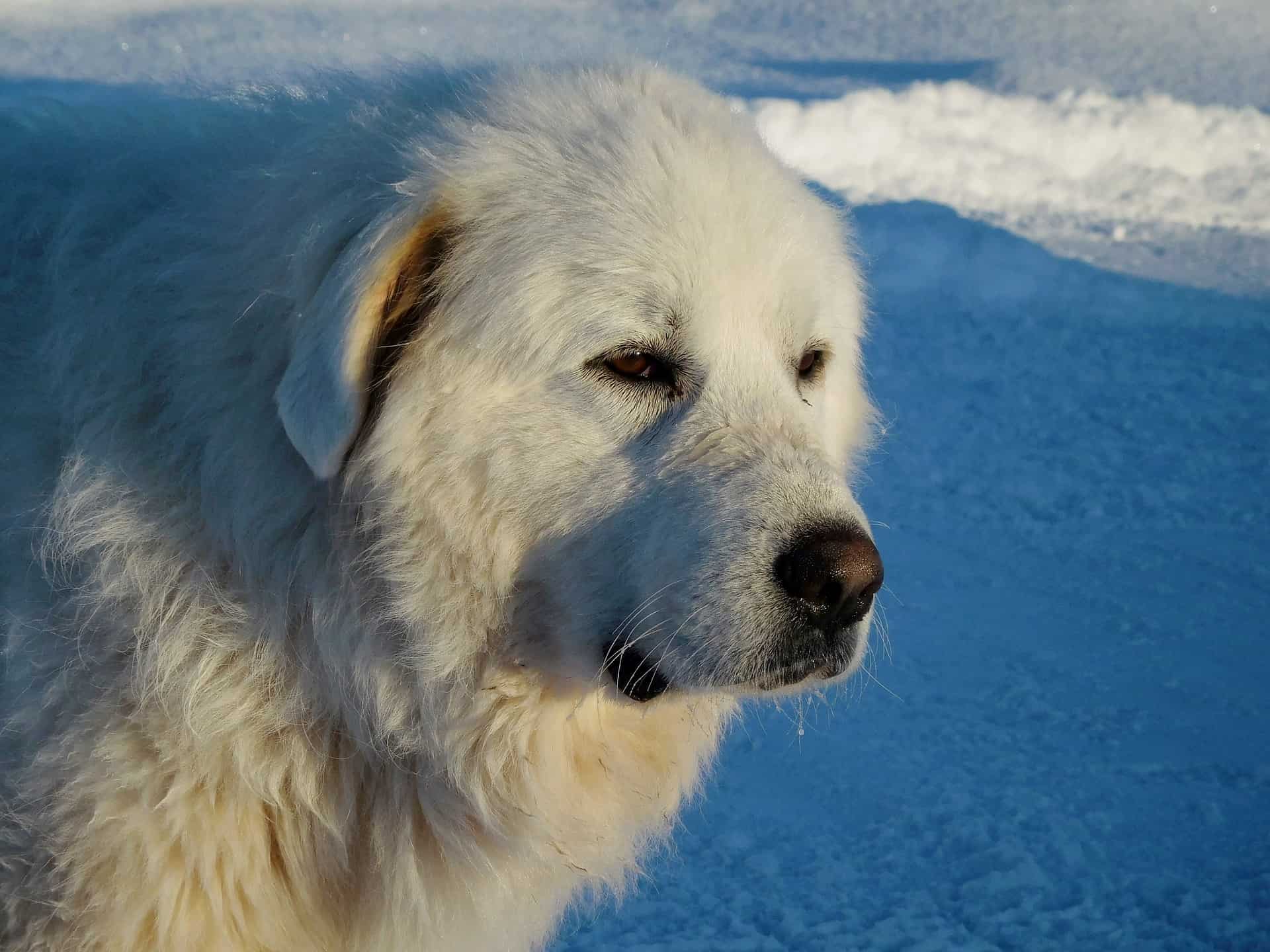
The coat is a dense, medium-length white double coat that sheds seasonally. Daily brushing is necessary in spring and autumn; weekly brushing is sufficient otherwise. The coat is reasonably self-cleaning and does not need frequent bathing. Check for matting behind the ears and on the hindquarters.
Health
The Maremmano-Abruzzese is a hardy breed with a lifespan of roughly 10 to 13 years. As a large deep-chested dog it carries a risk of bloat (gastric dilatation-volvulus); feeding management and prophylactic gastropexy are worth discussing with a vet. Hip dysplasia is the other primary concern. The breed developed without intense artificial selection pressure, which works in its favour for overall robustness.
Why these breeds are similar
**Great Pyrenees** is the closest parallel: a large white livestock guardian from southern European mountains with nearly identical working logic, a thick weatherproof coat, and calm independence combined with decisive aggression when stock are threatened. The Pyrenees is heavier and more widely kept as a companion in North America.
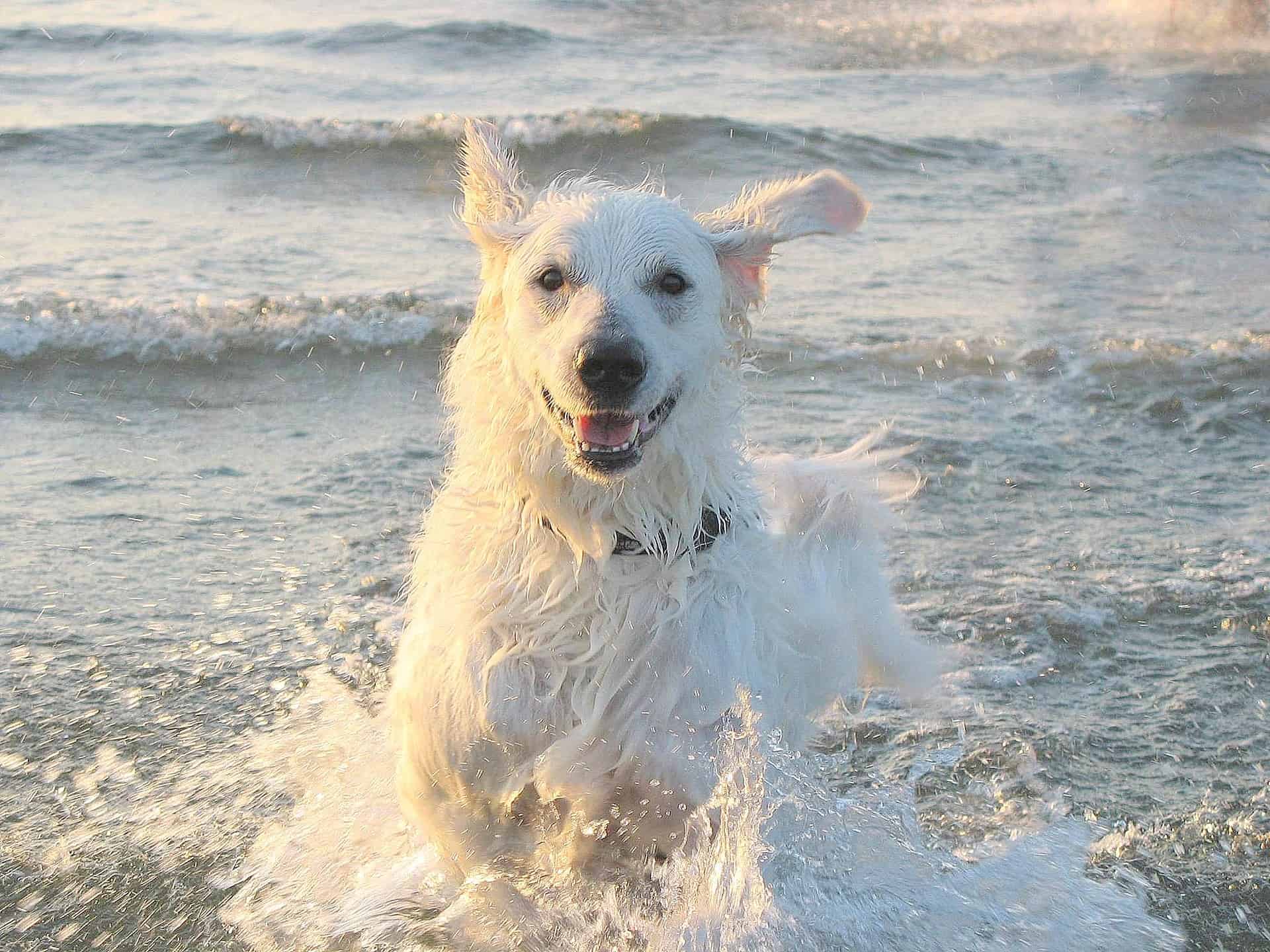
**Kuvasz** is a Hungarian livestock guardian of similar size and ancient lineage, also white-coated and bred to work without handler supervision. It tends to be more intense and territorial than the Maremmano and bonds very tightly to a single family, but the working purpose is the same.
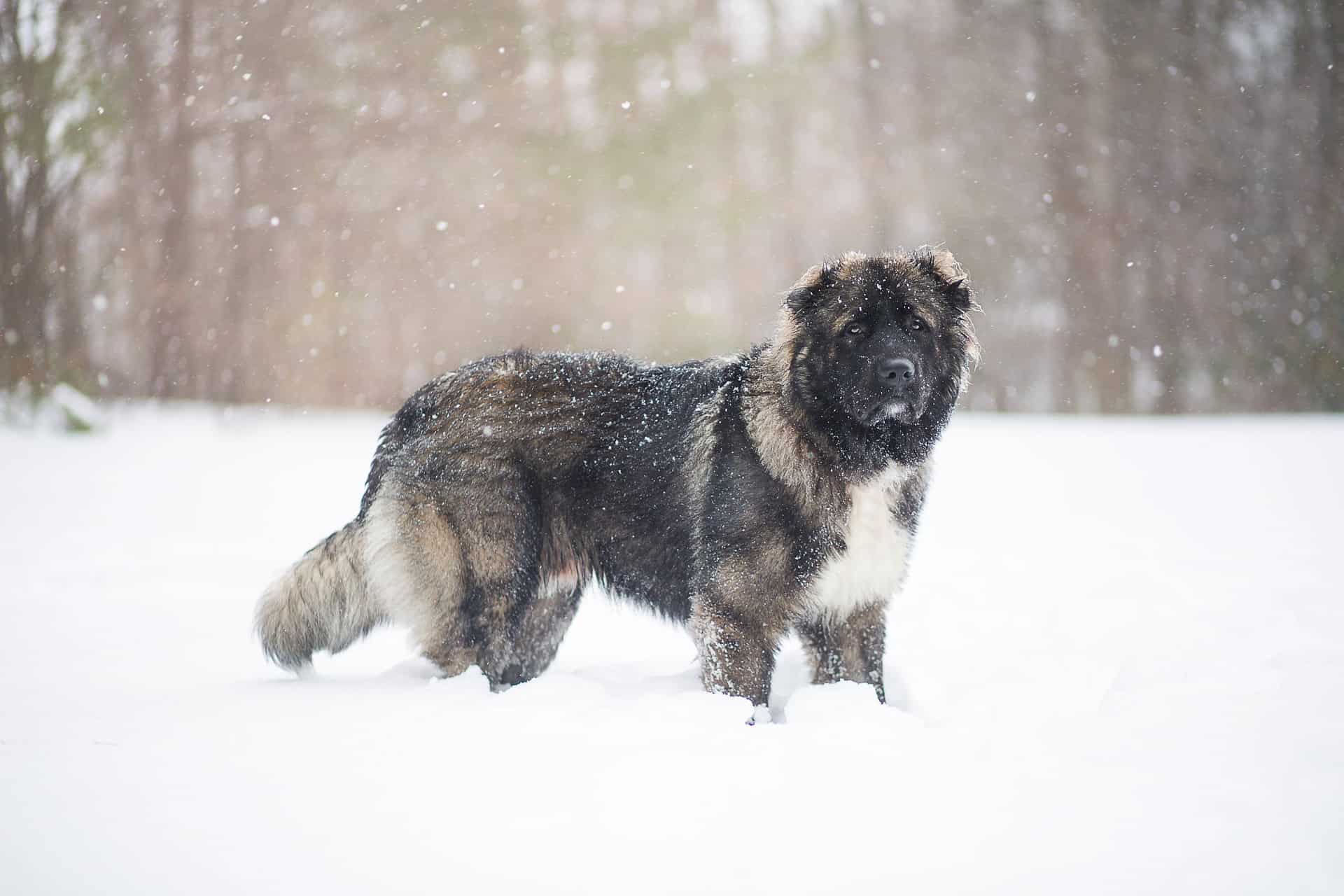
**Caucasian Shepherd Dog** shares the livestock guardian function and capacity for serious aggression, but is substantially larger and heavier. Where the Maremmano is slow to anger and manageable by an experienced owner, the Caucasian Shepherd demands a considerably higher threshold of handler experience.