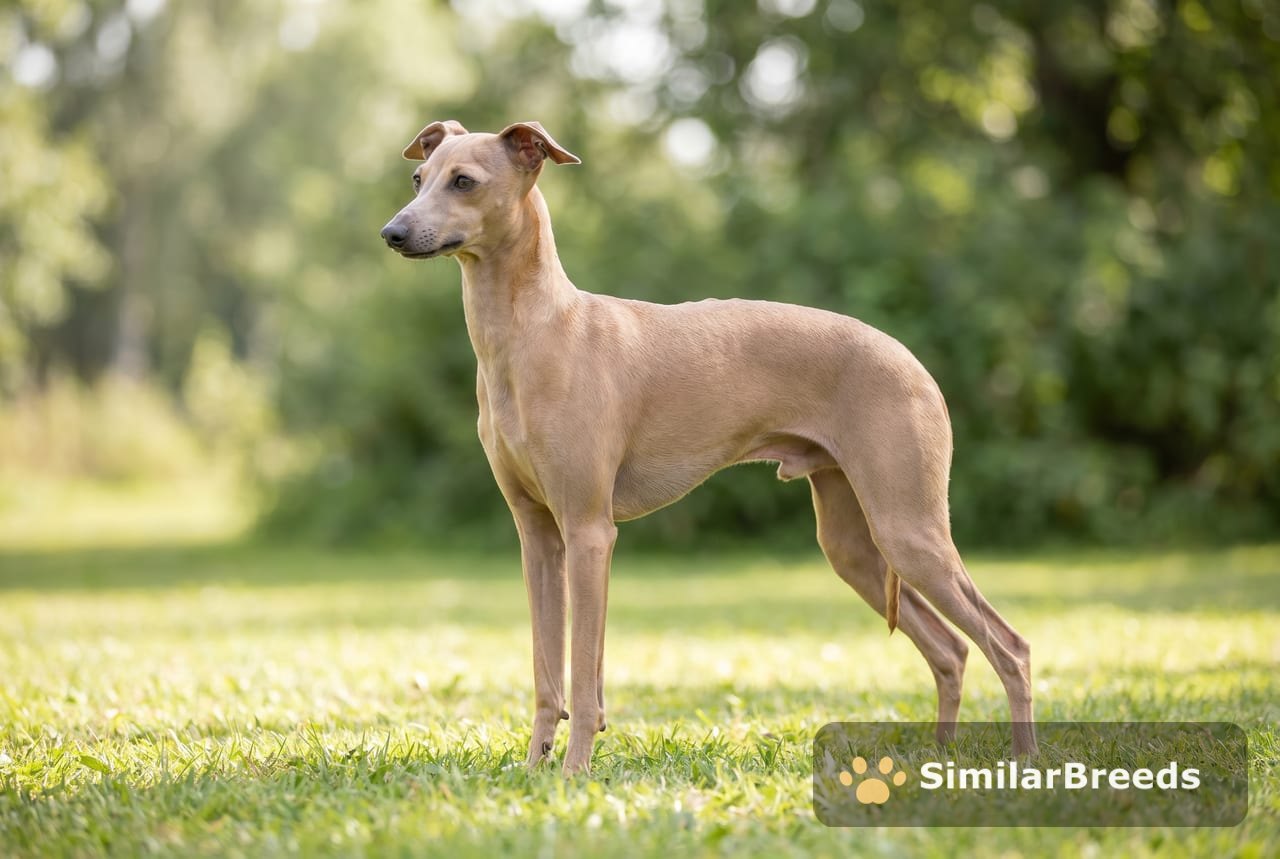
Purpose & Origin
The Italian Greyhound is among the oldest toy breeds on record, with depictions of these slender, miniaturized sighthounds appearing in art from Turkey, Greece, and other Mediterranean regions nearly two thousand years ago. By the Middle Ages the breed had spread across southern Europe, and Italian courtiers gave it the patronage that fixed its name. It arrived in England in the seventeenth century and became a favourite of the nobility there too, reaching peak popularity during Victoria's reign.
After that the breed declined sharply, partly because breeders chased extreme smallness at the cost of soundness. By the end of World War II it had nearly vanished from England entirely. A small but healthy American population, established from late-1800s imports, supplied the breeding stock that revived the European lines. The breed's original function was companionship, and everything about it reflects that: it was built for a lap, not a field.
Temperament & Behaviour
Despite the toy-group classification, the Italian Greyhound is a sighthound through and through. It loves to run and will chase anything that moves. It is also one of the most affectionate dogs in any group, intensely devoted to its family and uncomfortable with strangers, often openly timid around unfamiliar people. It is gentle with other dogs and household pets, and generally fine with children, though its fine-boned build makes it genuinely vulnerable to rough handling. Boisterous toddlers and large, clumsy dogs are real hazards for a dog that weighs at most fourteen pounds. This breed suits a calm, attentive household far better than a busy, unpredictable one.
Activity & Training
The exercise requirement is modest: a good daily walk on leash satisfies most dogs, and indoor games meet the rest. Where the breed's sighthound nature asserts itself is the sprint, and a safely fenced outdoor space is the best outlet for that. An unfenced yard is not safe, both because this dog can cover ground fast and because it has little traffic sense.
Cold weather is a genuine problem: the short, single-layer coat provides almost no insulation, and an Italian Greyhound in a cold wind is an unhappy dog that will seek any available warmth. Training takes patience. The breed is not particularly stubborn, but it is sensitive and shuts down under harsh handling. Positive, low-pressure sessions work; repetitive drills do not.
Grooming
The coat is about as low-maintenance as a dog coat can be. Occasional brushing removes dead hair, and the overall cleaning demand is minimal. Where this breed does need routine attention is the teeth: periodontal disease is the single most significant health concern, and daily or near-daily brushing of the teeth is not optional, it is a health measure.
Health
Life expectancy is twelve to fifteen years. Periodontal disease is the primary concern and is best managed through consistent dental hygiene. Leg and tail fractures are a real risk given the slender bone structure, and the breed is susceptible to epilepsy, patellar luxation, and progressive retinal atrophy. Less commonly seen are color dilution alopecia, cataracts, Legg-Perthes disease, hypothyroidism, and portacaval shunt. Owners should also know that Italian Greyhounds share the sighthound sensitivity to barbiturate anesthesia, which must be communicated to any veterinarian performing surgery.
Why these breeds are similar
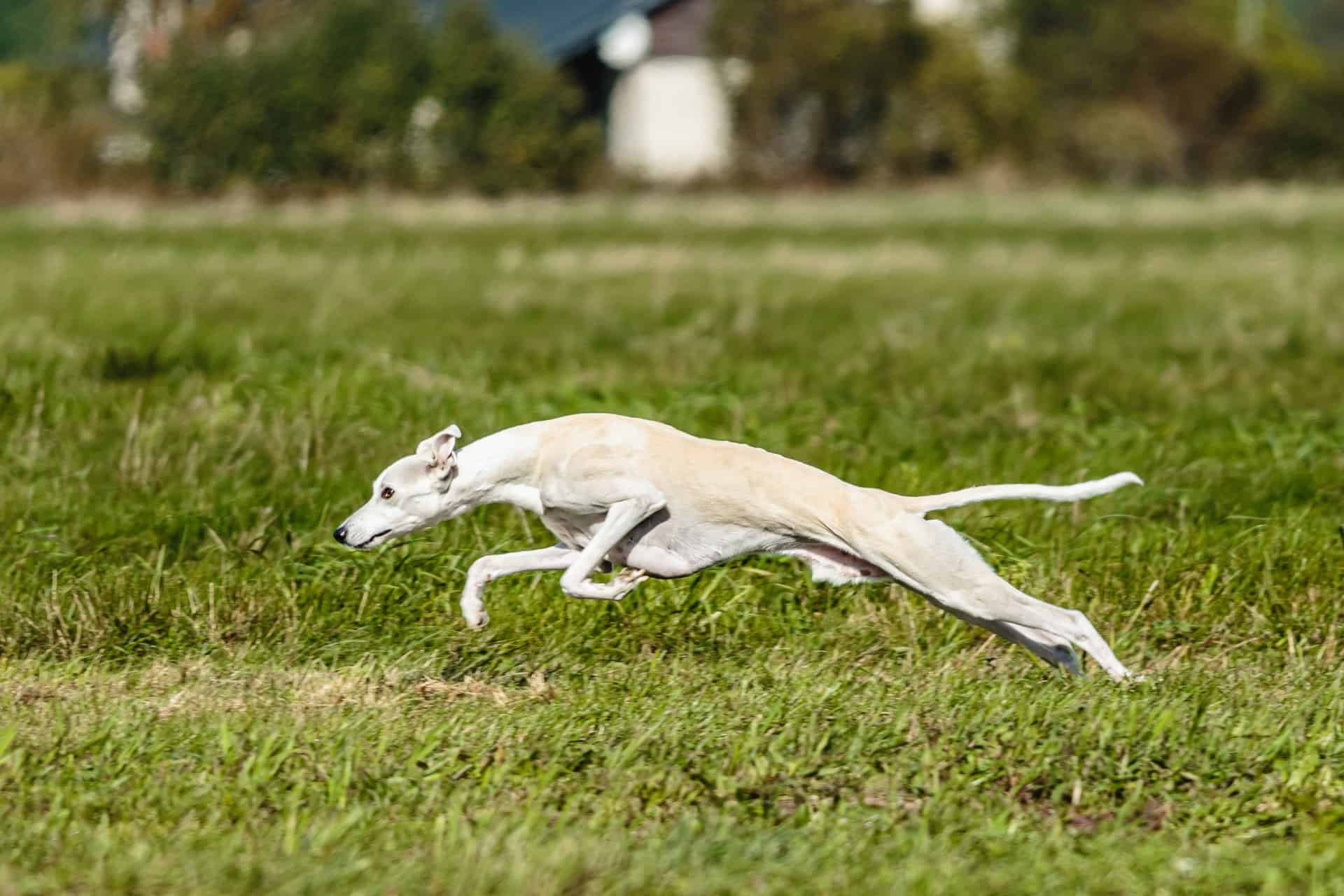
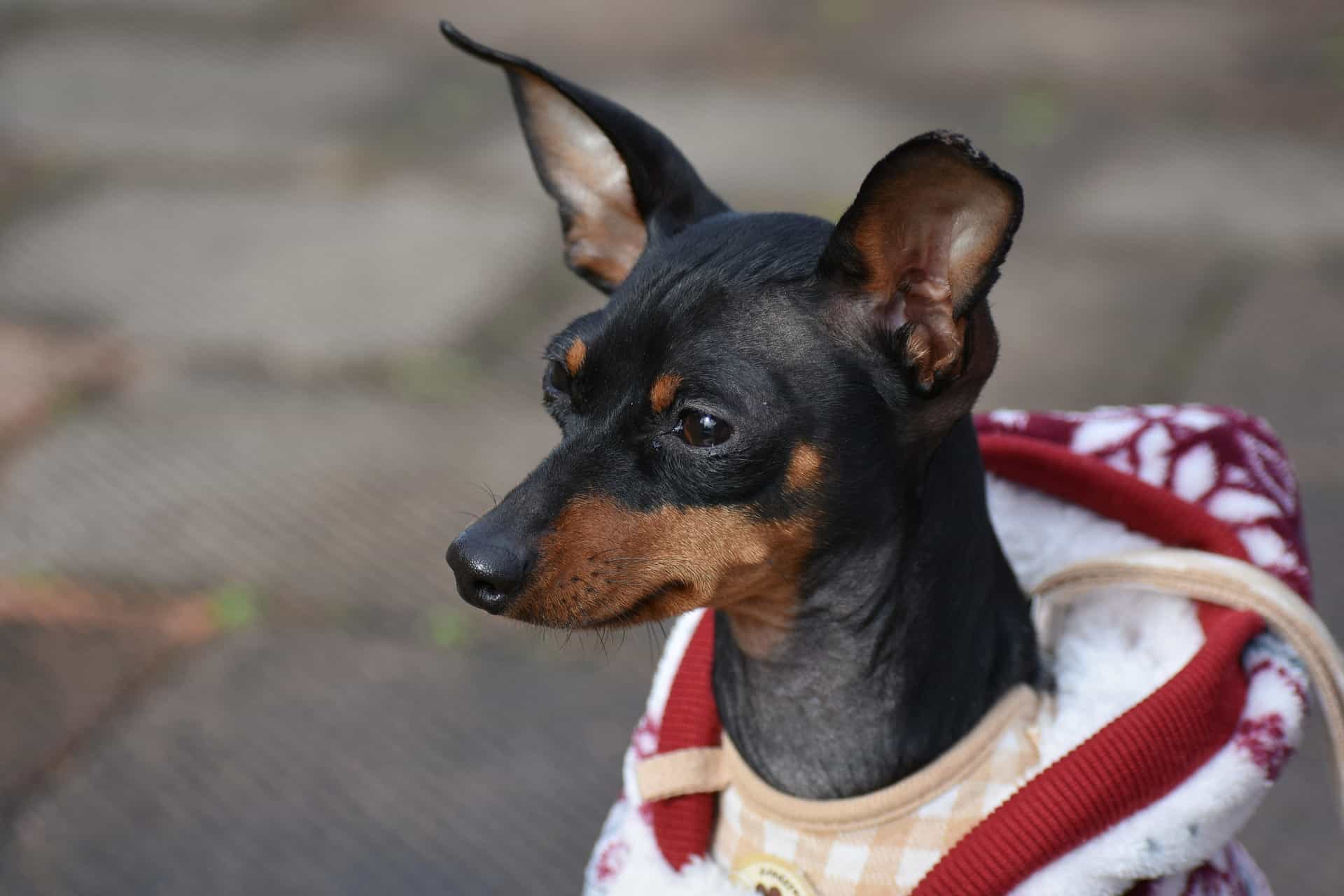
The Whippet is the most direct comparison: a larger, more athletic version of the same sighthound template, with the same build, the same chase drive, and the same affectionate temperament. Scaled up by thirty or forty pounds, it fills the same companion-sighthound role but needs more room and more exercise. The Miniature Pinscher shares the Italian Greyhound's compact, fine-boned build and high energy level, and the two are often confused at a glance despite being unrelated; both are lively, bonded to their owners, and reserved with strangers.
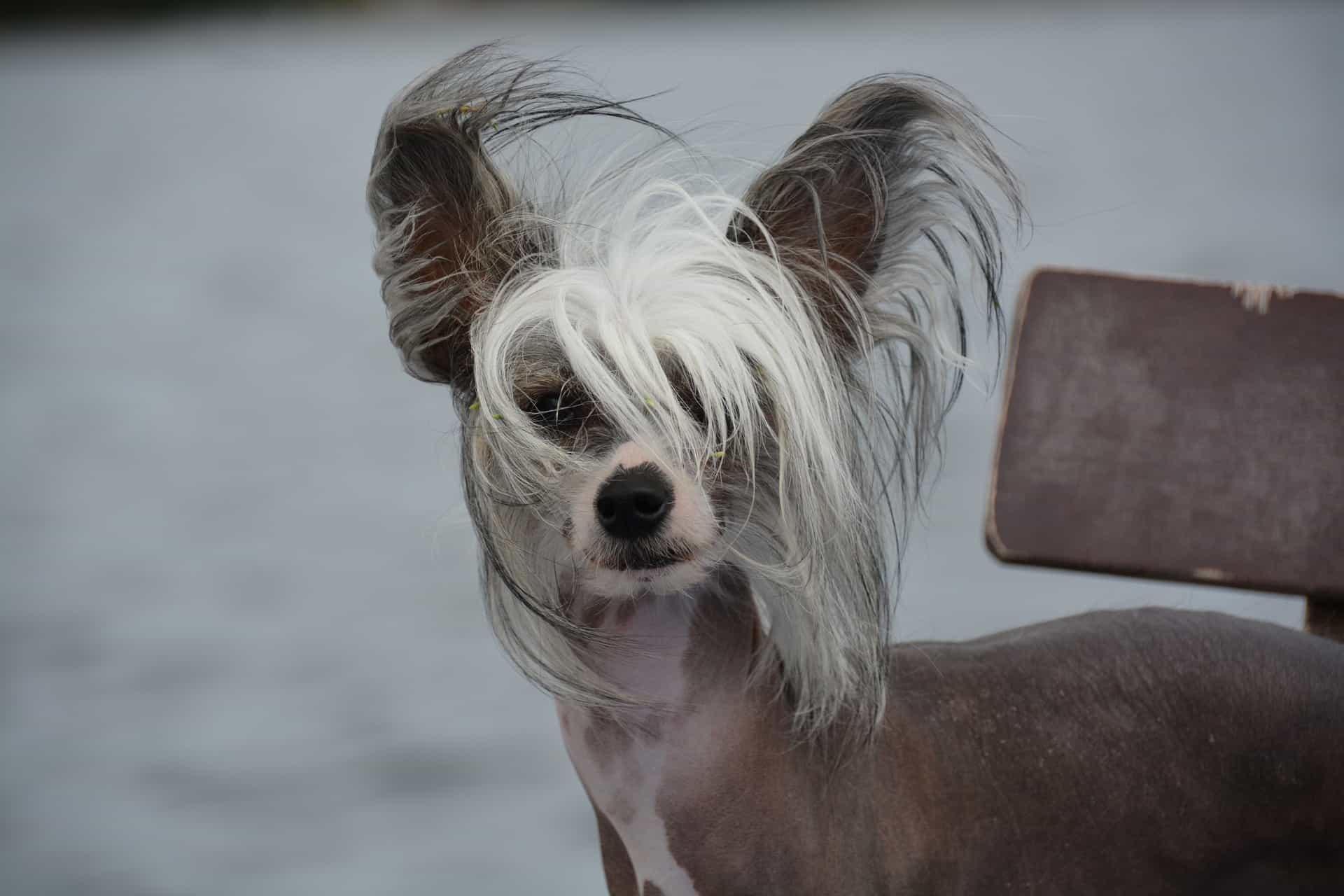
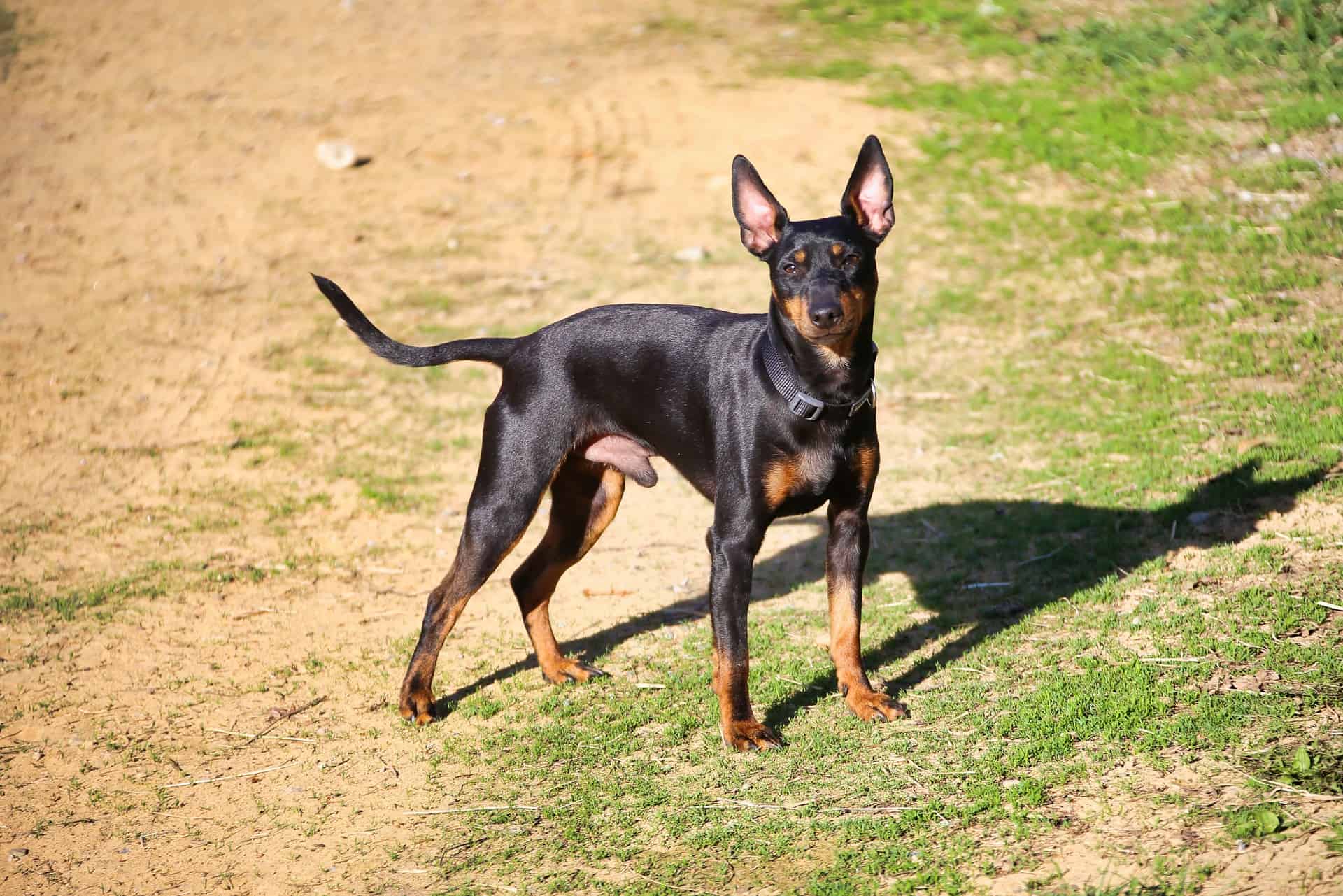
The Chinese Crested connects on two points: it is another ancient lapdog from outside northern Europe and carries similarly low cold tolerance, and the hairless variety in particular has the same exposed, fragile appearance. The English Toy Terrier rounds out the group as another small, short-coated, elegant companion breed with a sighthound-adjacent silhouette and the same tendency toward a close bond with one household rather than easy friendliness with the world at large.
Trait ratings
- Energy level
- 4/5
- Exercise requirements
- 2/5
- Playfulness
- 3/5
- Affection level
- 5/5
- Friendliness toward dogs
- 4/5
- Friendliness toward other pets
- 4/5
- Friendliness toward strangers
- 2/5
- Ease of training
- 3/5
- Watchdog ability
- 3/5
- Protection ability
- 1/5
- Grooming requirements
- 1/5
- Cold tolerance
- 1/5
- Heat tolerance
- 4/5