Purpose & Origin
The English Toy Terrier (Black and Tan) is a miniaturized descendant of the Manchester Terrier, developed in Victorian England specifically for rat-pit contests. Full-sized Manchester Terriers were already the most efficient rat-killers of the day, but gamblers lost interest once outcomes became predictable. Breeding down to a dog weighing as little as 5 lb (2 kg) made the contests uncertain again. Could something that small really dispatch 300 rats in an hour? In 1848, a toy terrier called Tiny the Wonder answered that question.
The gambling trade drove extreme miniaturization, and by the end of the 19th century the breed had nearly collapsed under the resulting health problems. A core of responsible breeders pulled it back, crossing in Italian Greyhound blood to add refinement and selecting away from the most defective runts. The Kennel Club settled on the current name in 1960. Numbers remain low; the breed is classified as a vulnerable native breed in the UK.
Temperament & Behaviour
The English Toy Terrier keeps the alertness and edge of its rat-killing ancestors in a compact, elegant package. It is devoted to its family and forms strong bonds, which means it can suffer real separation anxiety if left alone for long periods. Strangers get a cool, watchful appraisal before acceptance. The breed barks readily, a trait that made it a useful alarm dog in Victorian households and that owners today need to manage with consistent training from puppyhood.
Despite the terrier background, it is calmer indoors than most small terriers and is just as content to sit on a lap as to chase something in the garden. Sensitivity is a defining trait: harsh handling produces a shut-down dog rather than a compliant one.
Activity & Training
Exercise needs are moderate. Two short walks a day plus off-lead play in a secure area satisfies the breed. Recall training must be solid before any off-lead freedom; prey drive is genuine. Training goes well when it is kept short, positive, and varied. The breed is intelligent and picks up commands quickly, but the same terrier stubbornness that made these dogs effective in a rat pit means they will exploit any inconsistency. Early socialization with dogs of different sizes matters because the English Toy Terrier can be assertive around larger dogs without reading the situation accurately.
Grooming
The coat is short, smooth, and dense, with a natural gloss. Grooming is minimal: a weekly brush with a soft-bristle brush or rubber mitt keeps the coat clean and removes loose hair. Shedding is light year-round, with a slight uptick in seasonal changes. Bathing every few weeks or when dirty is sufficient. The fine jaw structure makes this breed prone to periodontal disease, so daily tooth brushing from puppyhood is important, not optional. Nails should be trimmed regularly, as the breed tends not to wear them down naturally on typical urban surfaces.
Health
Lifespan is 12 to 15 years. The most serious hereditary condition in the breed is juvenile dilated cardiomyopathy, a heart-muscle disease that can be fatal in young dogs; reputable breeders DNA test for it. Congenital deafness is present in the breed and should be screened via BAER testing. Patellar luxation and von Willebrand's disease (a clotting disorder) are also documented. The fine, thin skin offers little insulation, so the breed feels cold acutely; a coat in winter is practical, not cosmetic. Ask breeders for health-test results before buying.
Why these breeds are similar
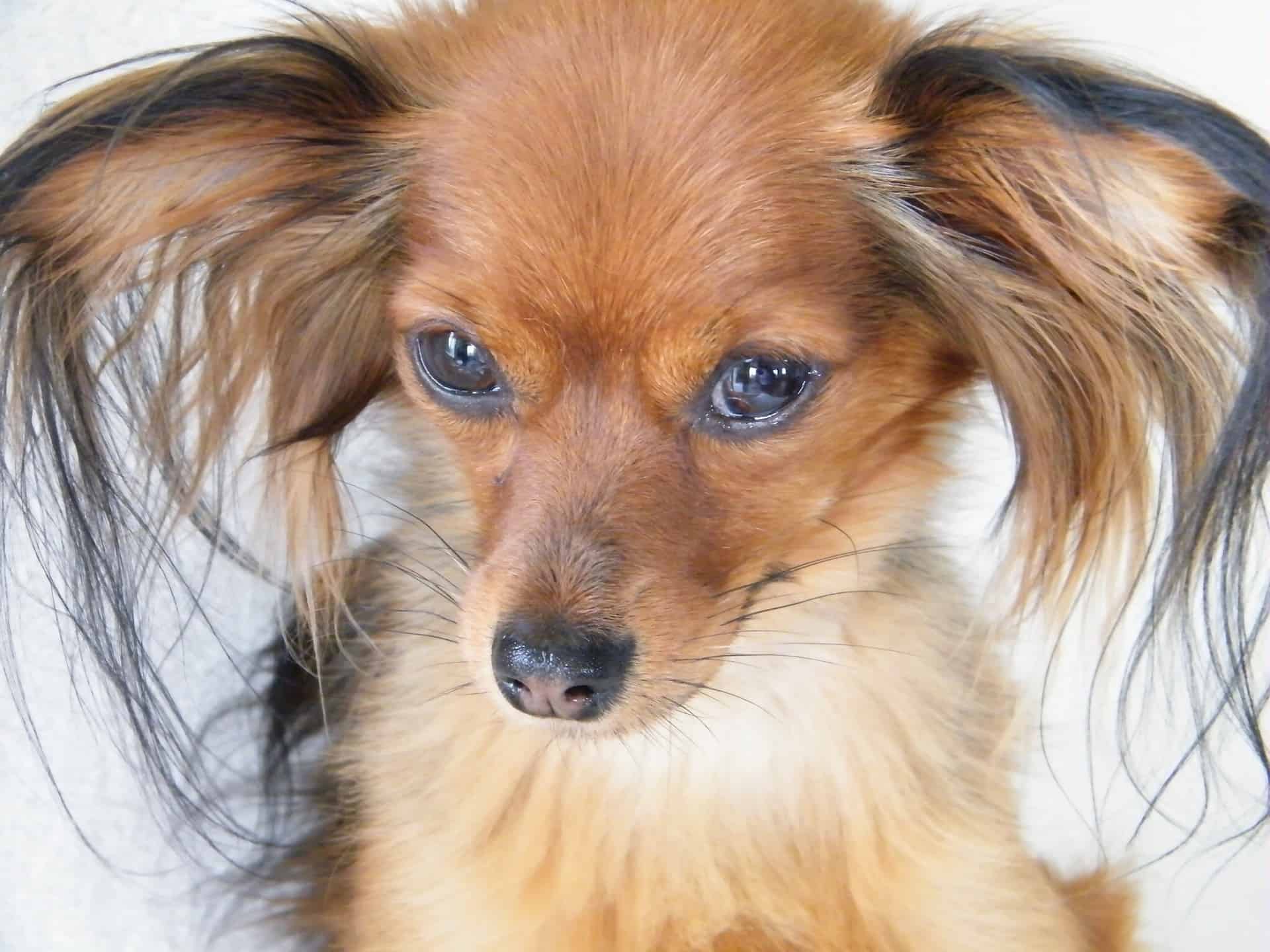
**Russian Toy:** The closest parallel in size, build, and background role. The Russian Toy descends from English Toy Terriers imported to Russia in the early 20th century, so the two share not just appearance but ancestry. Both are sleek, fine-boned, alert companion dogs with a terrier temperament scaled into a very small frame.
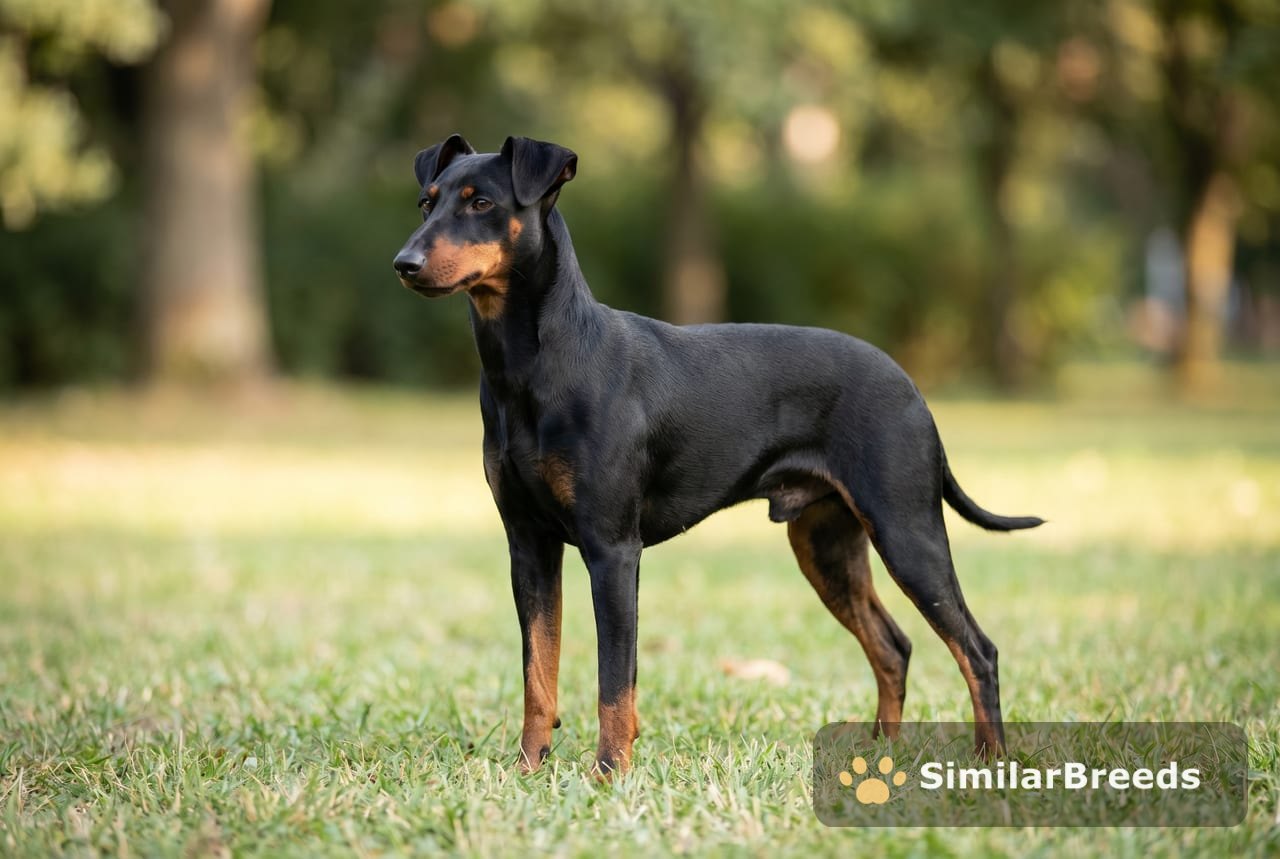
**Manchester Terrier (Standard):** The direct ancestor of the English Toy Terrier. The Standard Manchester is essentially what the English Toy Terrier would be if the Victorian miniaturization drive had never happened. Same black-and-tan colouring, same rat-killing heritage, same alert and loyal character, just scaled up to a working-sized body.
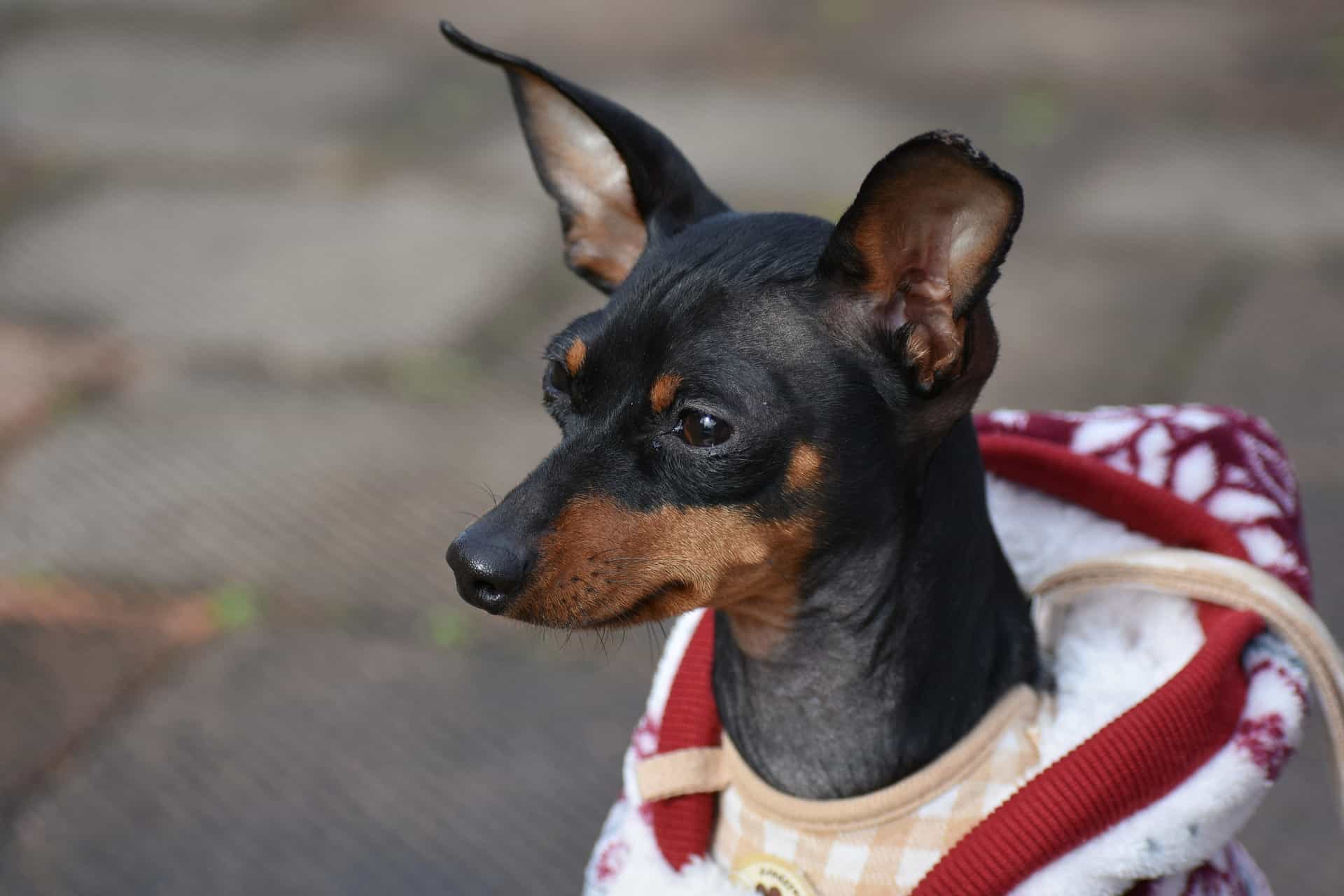
**Miniature Pinscher:** Shares the sleek black-and-tan look, upright ears, and high-energy personality that makes the English Toy Terrier immediately recognizable. The Min Pin is German and unrelated by breeding, but convergent selection for a compact, sharp, elegant terrier-type dog produced strikingly similar results in temperament and silhouette.