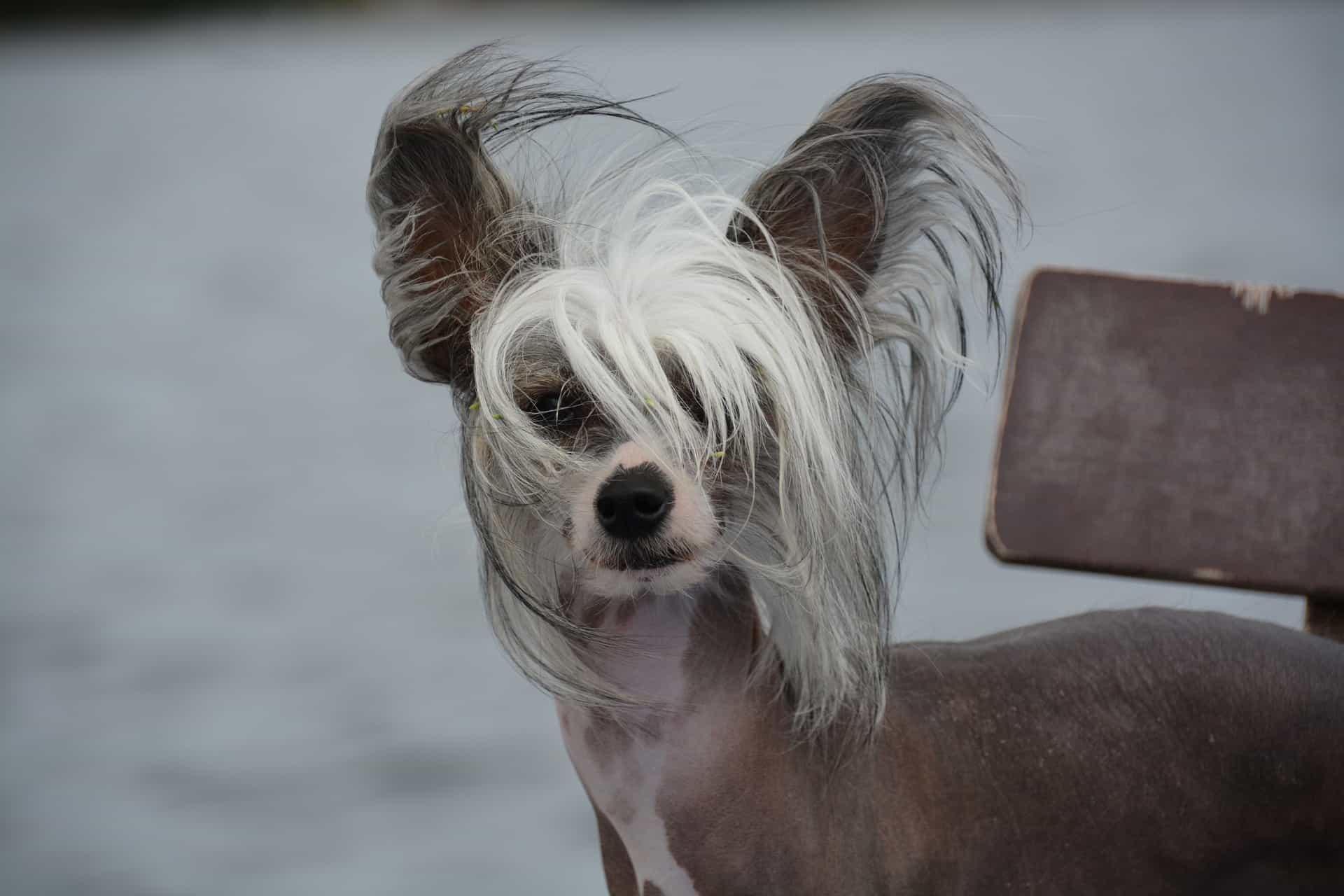
Purpose & Origin
The Chinese Crested has a muddled but fascinating past. Hairless dogs turn up by mutation on multiple continents, but this breed appears to have originated in Africa before Chinese seafarers brought it east, probably around the thirteenth century. Once aboard Chinese ships it earned its keep as a ratter, kept partly because it carries no fleas, and partly as a curiosity to trade with merchants in Turkey, Egypt, South Africa, and possibly the Americas.
By the 1800s examples appeared in European paintings and photographs, and the breed found its first serious American champion in Ida Garrett, who spent decades promoting hairless dogs. A handful of dedicated breeders, the performer Gypsy Rose Lee among them, slowly built a following. The AKC finally granted recognition in 1991, nearly a century after serious breeding efforts began.
Temperament & Behaviour
This is a genuinely affectionate small dog, comfortable with strangers, other dogs, and other pets. It attaches closely to its family and enjoys being part of daily life rather than left to its own devices. Playful and alert, it makes a capable watchdog despite offering zero deterrent to an intruder. The disposition is gentle rather than feisty, which makes it an easy companion in a busy household.
Activity & Training
Exercise needs are minimal. A vigorous indoor play session satisfies a Crested on most days, and it is small enough to get real physical outlet without a garden. That said, it dislikes cold intensely and needs a coat or sweater the moment temperatures drop. Training is moderately straightforward. The breed is eager to please and responds well to positive methods, though it is not the fastest learner, so short, consistent sessions work better than lengthy drills.
Grooming
There are two coat types, and both require regular attention. The Powderpuff variety carries a soft double coat that needs brushing every day or two, and the muzzle is typically shaved on a two-week cycle. The Hairless looks lower-maintenance but is not: exposed skin needs moisturiser, sun protection, and periodic bathing to prevent blackheads, and stray body hairs are usually removed before showing. Owners should also be aware that the Hairless is susceptible to wool allergy and, over time, tooth loss, with irregular dentition and thinner enamel than most breeds.
Health
Life expectancy is 13 to 15 years. Serious concerns include progressive retinal atrophy, glaucoma, and lens luxation. Minor issues on record include deafness, seizures, and patellar luxation, with Legg-Perthes seen occasionally. Eye, hearing, knee, and cardiac testing is recommended. Hairless individuals also face sunburn risk and the dental issues noted above.
Why these breeds are similar
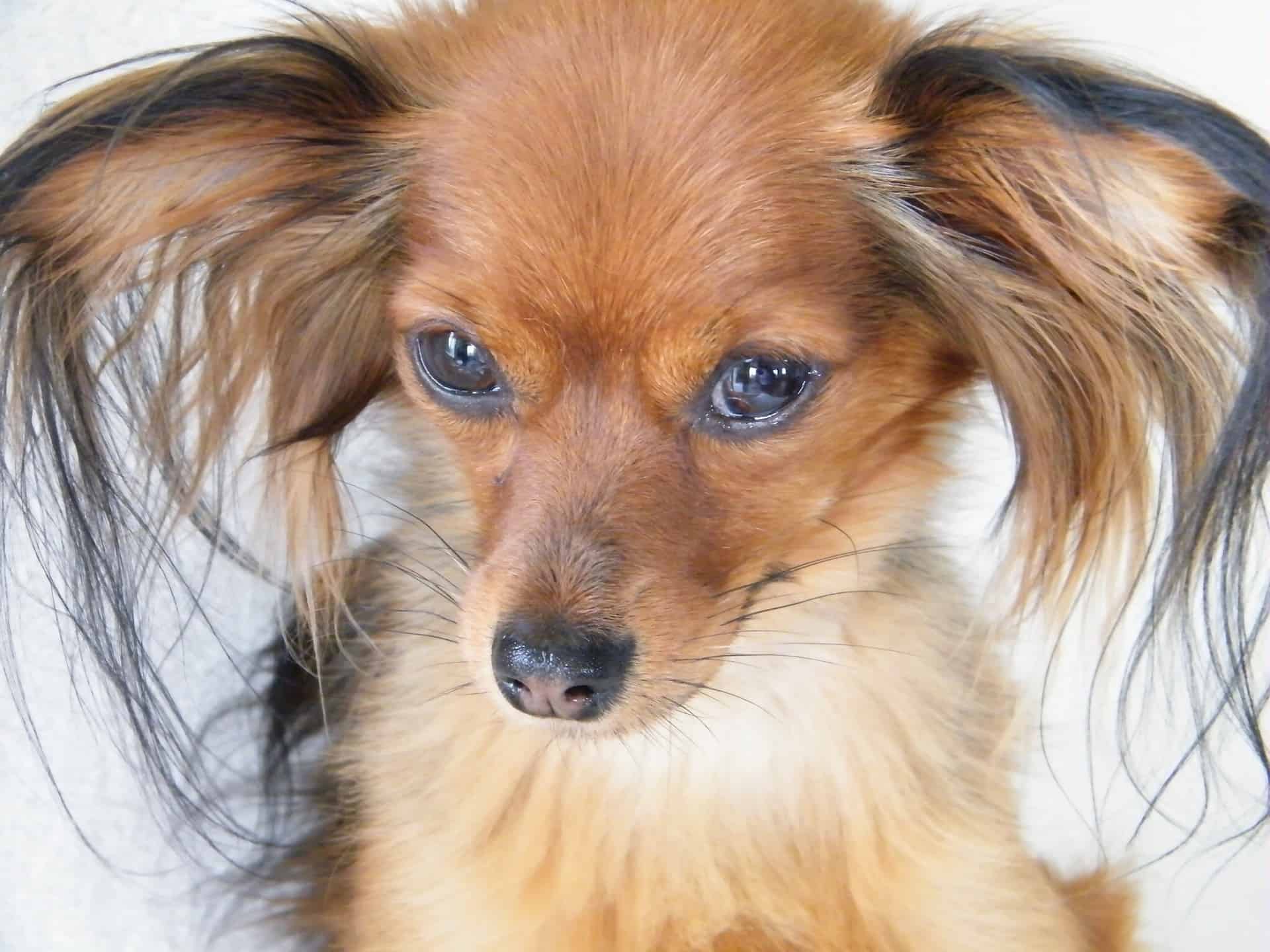
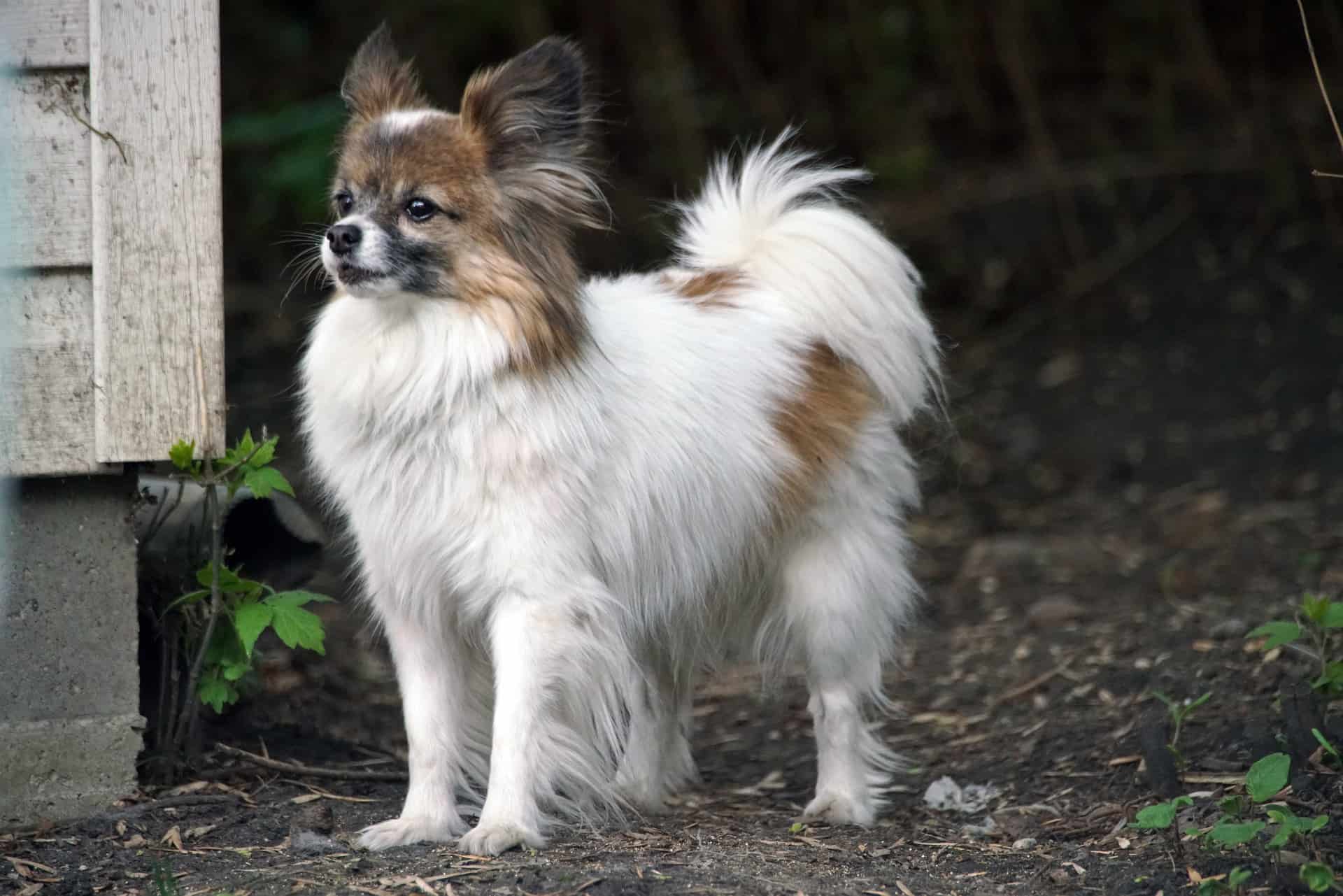
The **Russian Toy** shares the same basic profile: a featherweight companion dog, deeply attached to its people, with minimal exercise demands and a slight build that makes it poorly suited to rough outdoor conditions. The **Papillon** overlaps in the toy-companion bracket and in its alert, lively character, though it brings noticeably more trainability and the distinctive butterfly ears.
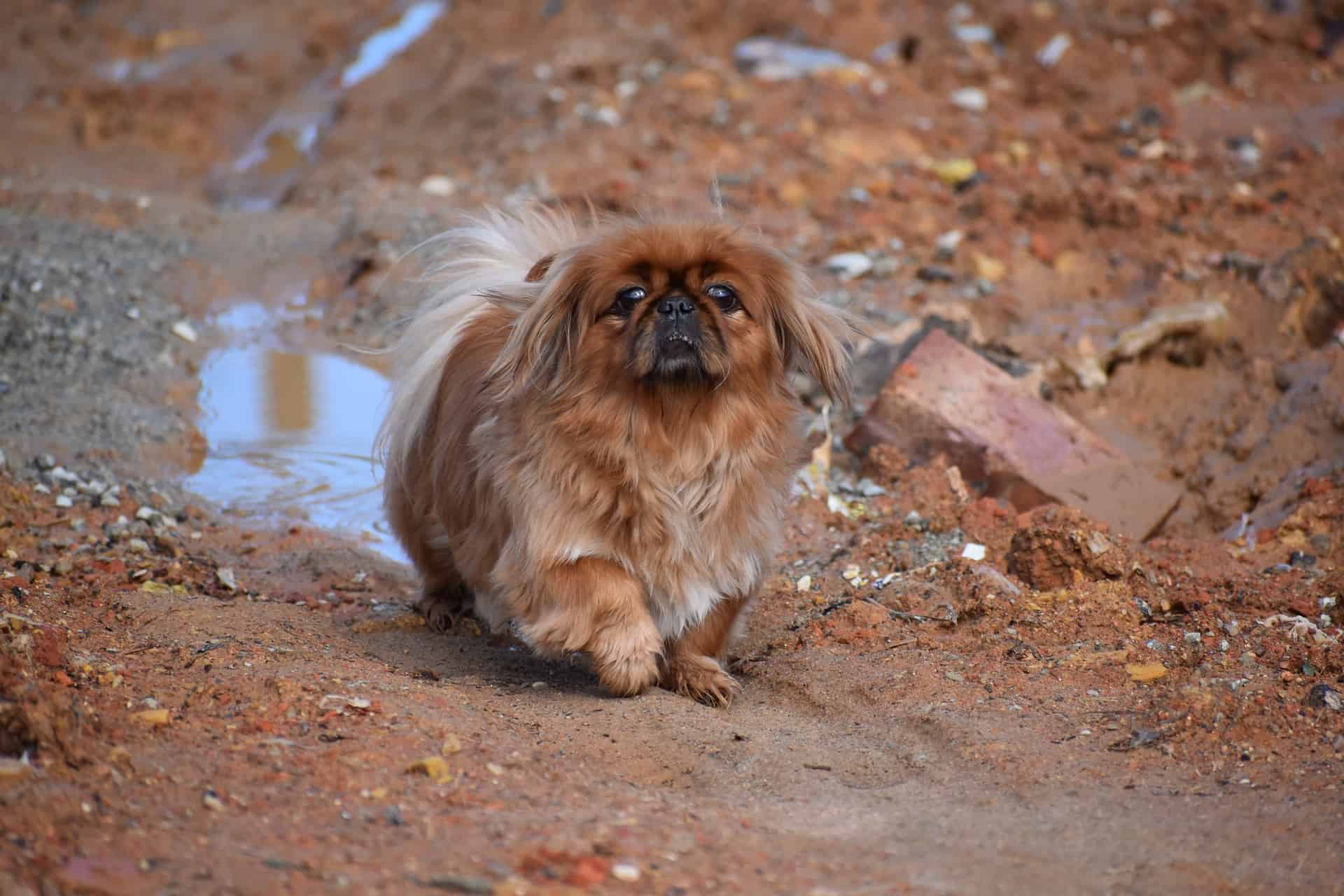
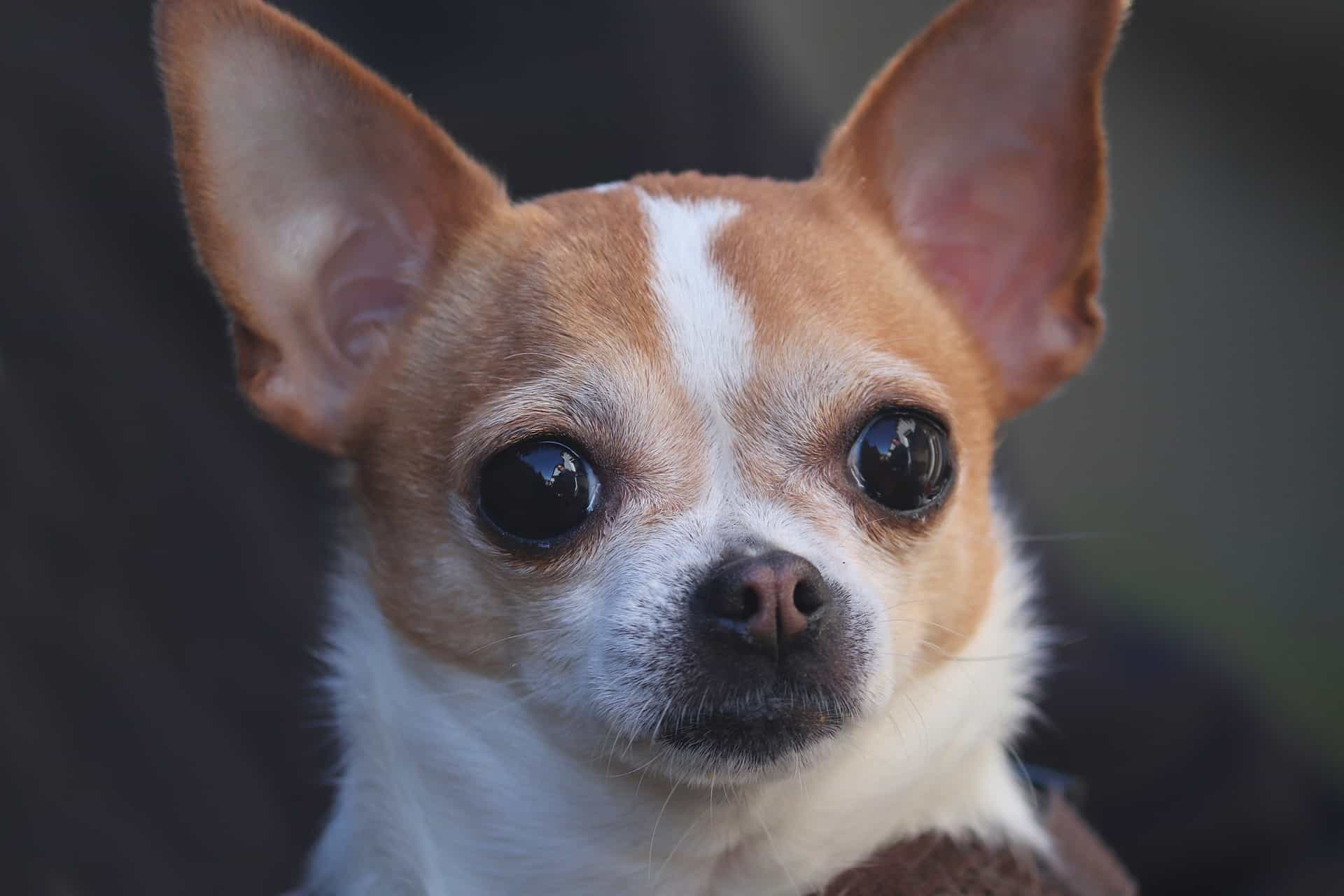
The **Pekingese** connects through Chinese origin and centuries of lapdog breeding, both breeds shaped by imperial courts into devoted, low-activity companions that are closer to people than to other dogs. The **Chihuahua** is the most obvious parallel: tiny, heat-tolerant, cold-sensitive, alert, and devoted to its household in a way that can shade into possessiveness.
Trait ratings
- Energy level
- 3/5
- Exercise requirements
- 1/5
- Playfulness
- 4/5
- Affection level
- 4/5
- Friendliness toward dogs
- 3/5
- Friendliness toward other pets
- 5/5
- Friendliness toward strangers
- 5/5
- Ease of training
- 3/5
- Watchdog ability
- 4/5
- Protection ability
- 1/5
- Grooming requirements
- 3/5
- Cold tolerance
- 1/5
- Heat tolerance
- 4/5