Gordon Setter
From Great Britain
Purpose & Origin
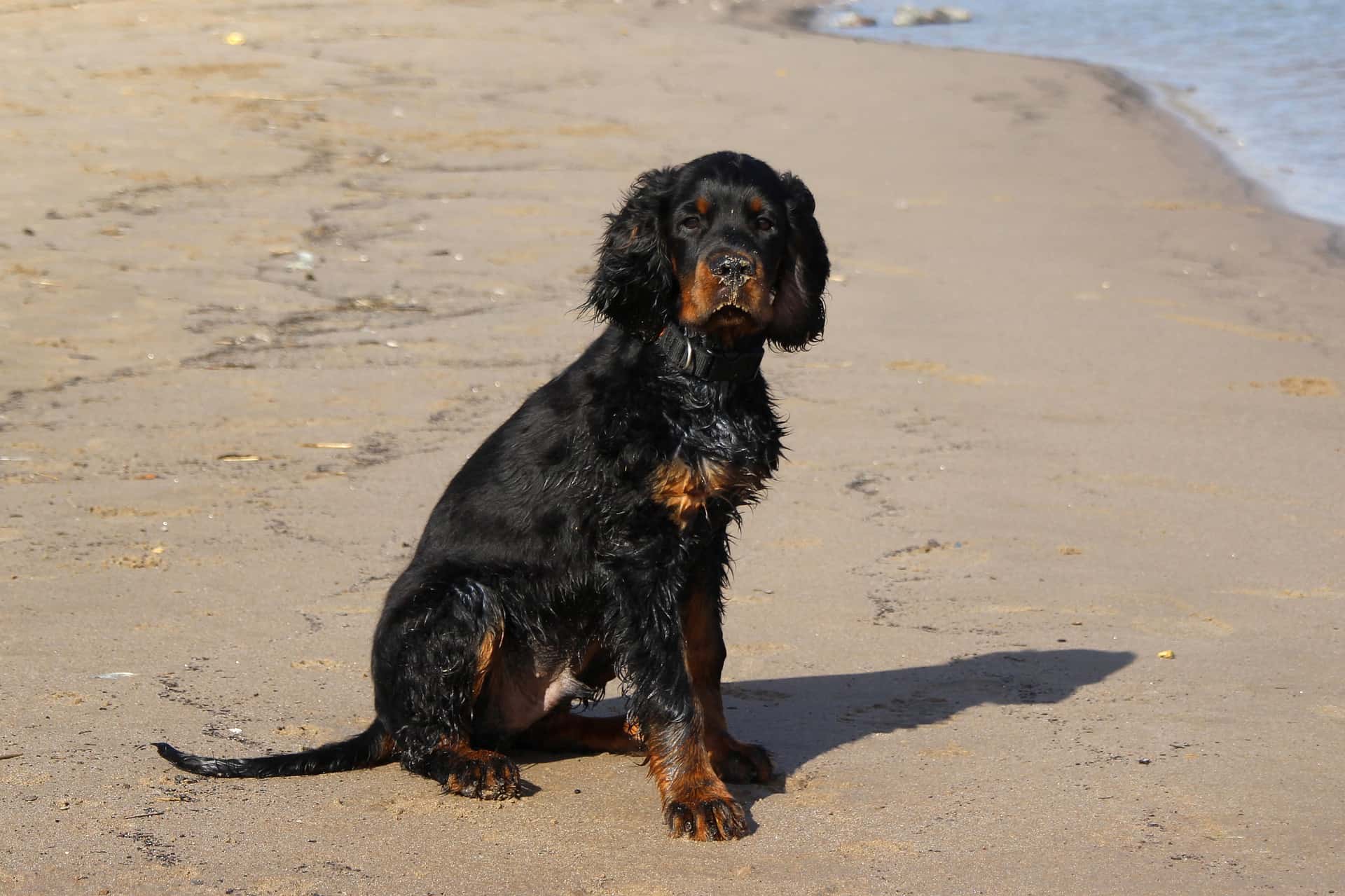
Black and Tan Setters were already working the Scottish hills by the 1600s, but the breed took its modern shape at Gordon Castle in the late 1700s. The Fourth Duke of Gordon (1743–1827) kept a substantial kennel there, and the work was continued after his death by the Duke of Richmond.
The breed first appeared in competition at the inaugural dog show in 1859, still under the Black and Tan Setter name; it became the Gordon Setter officially in 1924. Two dogs from the Duke's stock, Rake and Rachael, crossed the Atlantic in 1842 with Daniel Webster and George Blunt and established the breed in America. The AKC recognised it in 1892, among its first registrations. The Gordon is the heaviest and most deliberate of the three setter breeds, built to work methodically close to the gun rather than to cover ground at speed.
Temperament & Behaviour
The Gordon is a serious, loyal dog, more tightly bonded to its family than either of its setter cousins. It tends to be reserved around strangers rather than openly friendly, and can show aggression toward unfamiliar dogs. With the family and household pets it lives with, it is affectionate and steady. Its watchdog instincts are genuinely useful, not merely decorative. This is not a breed that suits an owner who wants an easygoing social dog; it attaches deeply to its people and expects real engagement in return.
Activity & Training
High energy and a working heritage mean the Gordon needs serious daily exercise, not a short stroll. A dog this driven that gets insufficient output becomes frustrated and difficult to live with. Training requires consistency; the Gordon is capable and willing, but it has enough independence to test an inexperienced handler. It responds best to a owner who is firm and clear without being harsh. This breed rewards experience and patience, and is not an obvious first-time dog.
Grooming
The coat is moderate maintenance: regular brushing and combing every two to three days keeps it from matting, and some clipping and tidying is needed to keep the dog looking sharp. The Gordon does not shed as dramatically as some sporting breeds, but the task is ongoing rather than occasional.
Health
The Gordon Setter lives roughly 10 to 12 years. Major health concerns in the breed include hip dysplasia and gastric torsion; the latter is a genuine emergency risk in deep-chested dogs of this size. Minor concerns include progressive retinal atrophy, elbow dysplasia, cerebellar abiotrophy, and hypothyroidism. Recommended health screenings cover hips, elbows, eyes, and a DNA test for PRA.
Why these breeds are similar
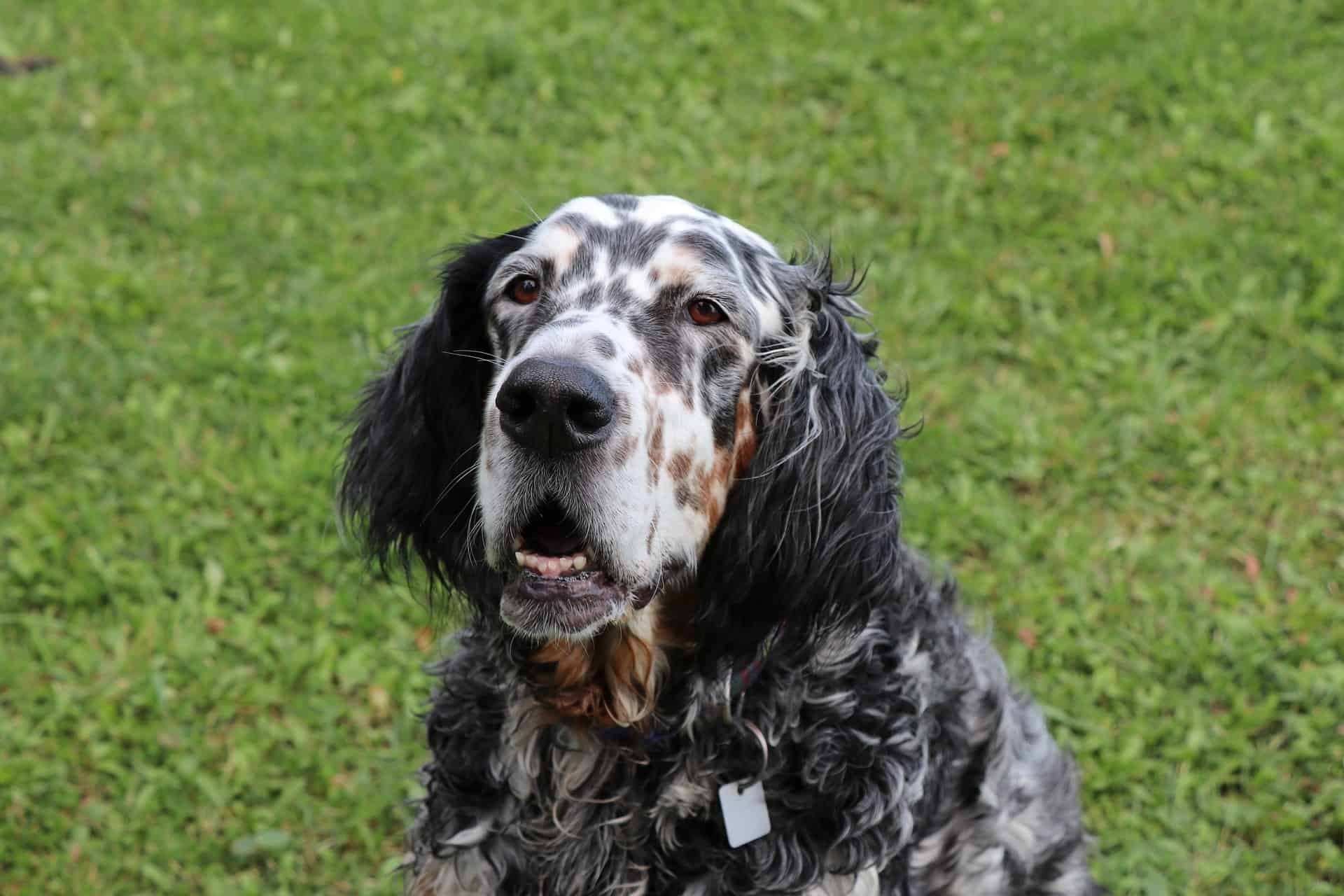
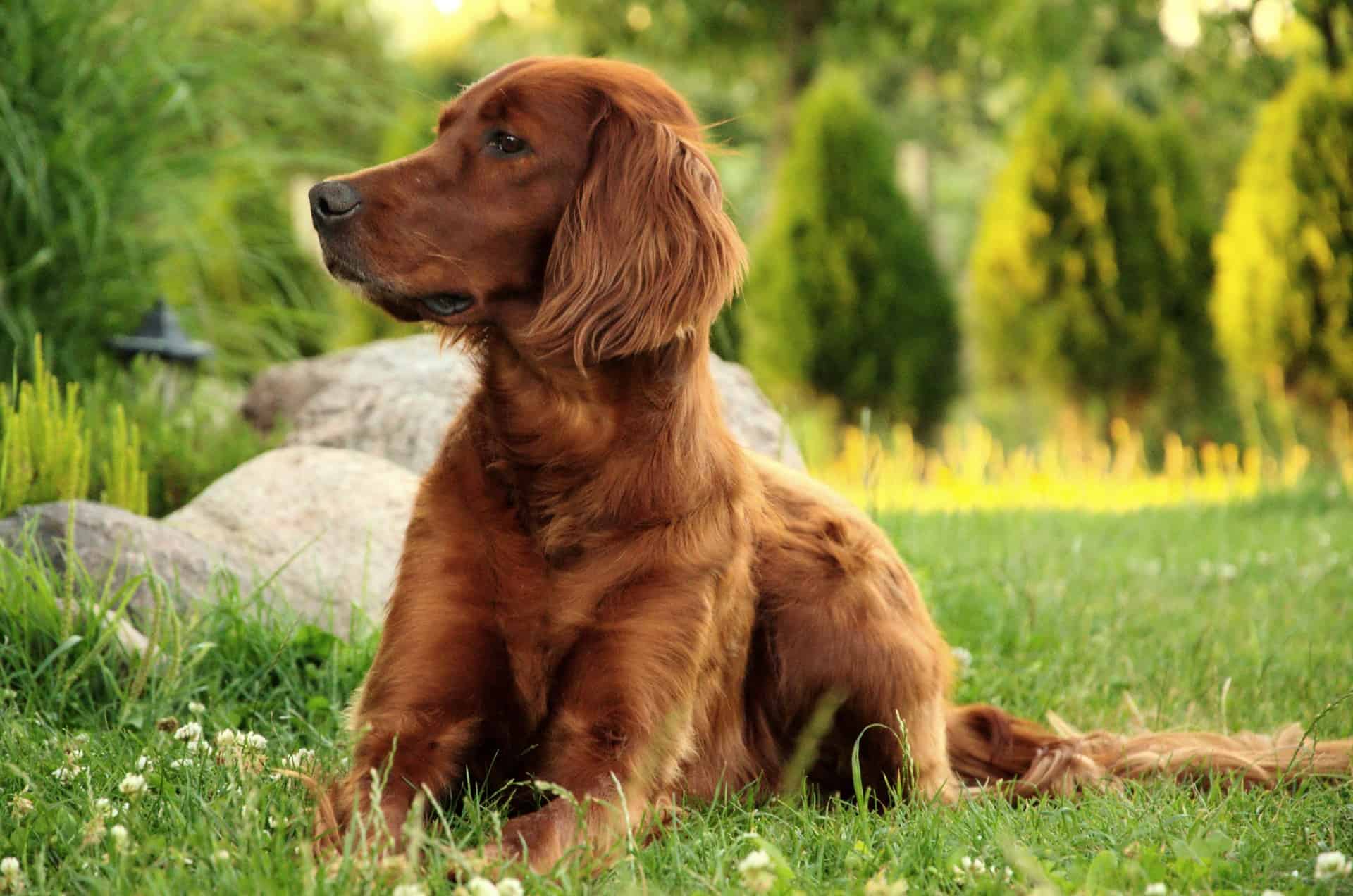
The English Setter and Irish Setter are the Gordon's closest relatives, all three developed in Britain as bird-setting dogs that would locate game and hold position for the gun. They share the same feathered coat, the same athletic build, and broadly similar working temperament, differing mainly in speed, range, and coat colour.
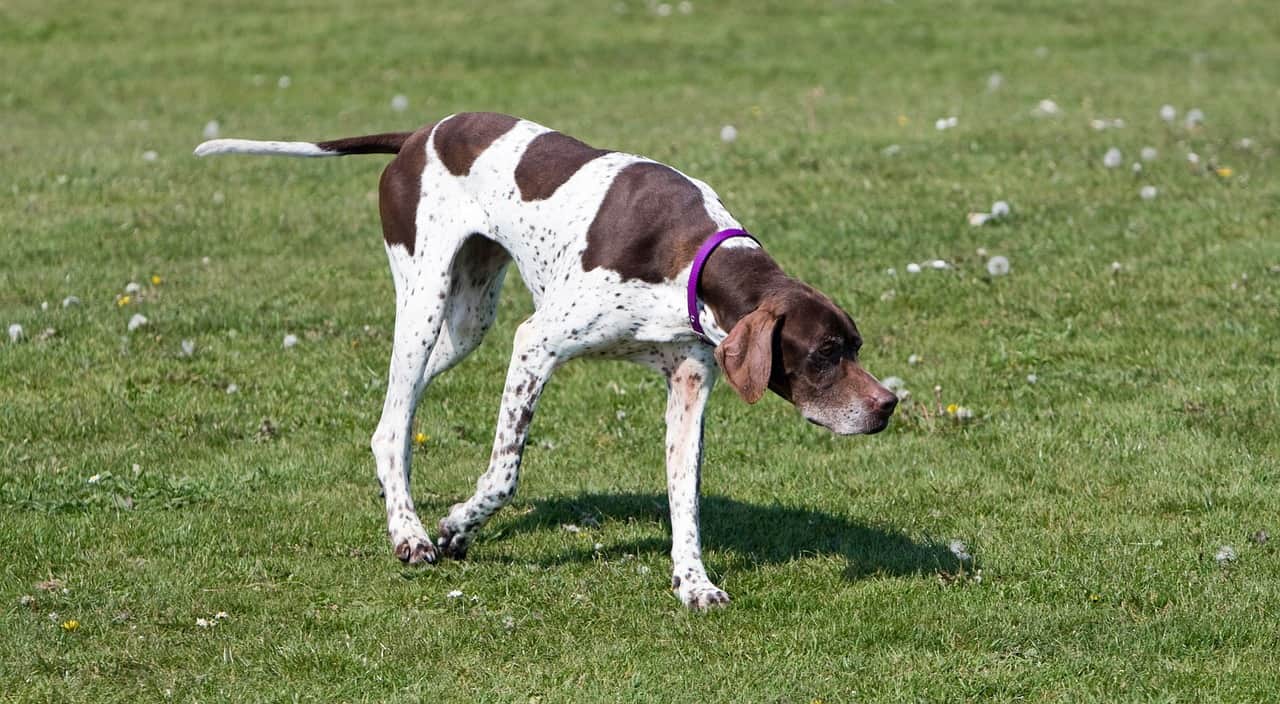
The Irish Red and White Setter is an older variant of the Irish type, preserved separately, and matches the Gordon in purpose and structure even if its temperament is somewhat more outgoing. The Pointer is the outlier here in coat and origin, but belongs to the same functional group, a gundog bred to locate and indicate upland birds, and shares the Gordon's high exercise demands and hunting drive.
Trait ratings
- Energy level
- 4/5
- Exercise requirements
- 4/5
- Playfulness
- 3/5
- Affection level
- 4/5
- Friendliness toward dogs
- 2/5
- Friendliness toward other pets
- 4/5
- Friendliness toward strangers
- 2/5
- Ease of training
- 3/5
- Watchdog ability
- 4/5
- Protection ability
- 3/5
- Grooming requirements
- 3/5
- Cold tolerance
- 3/5
- Heat tolerance
- 3/5