White Swiss Shepherd Dog
From Switzerland
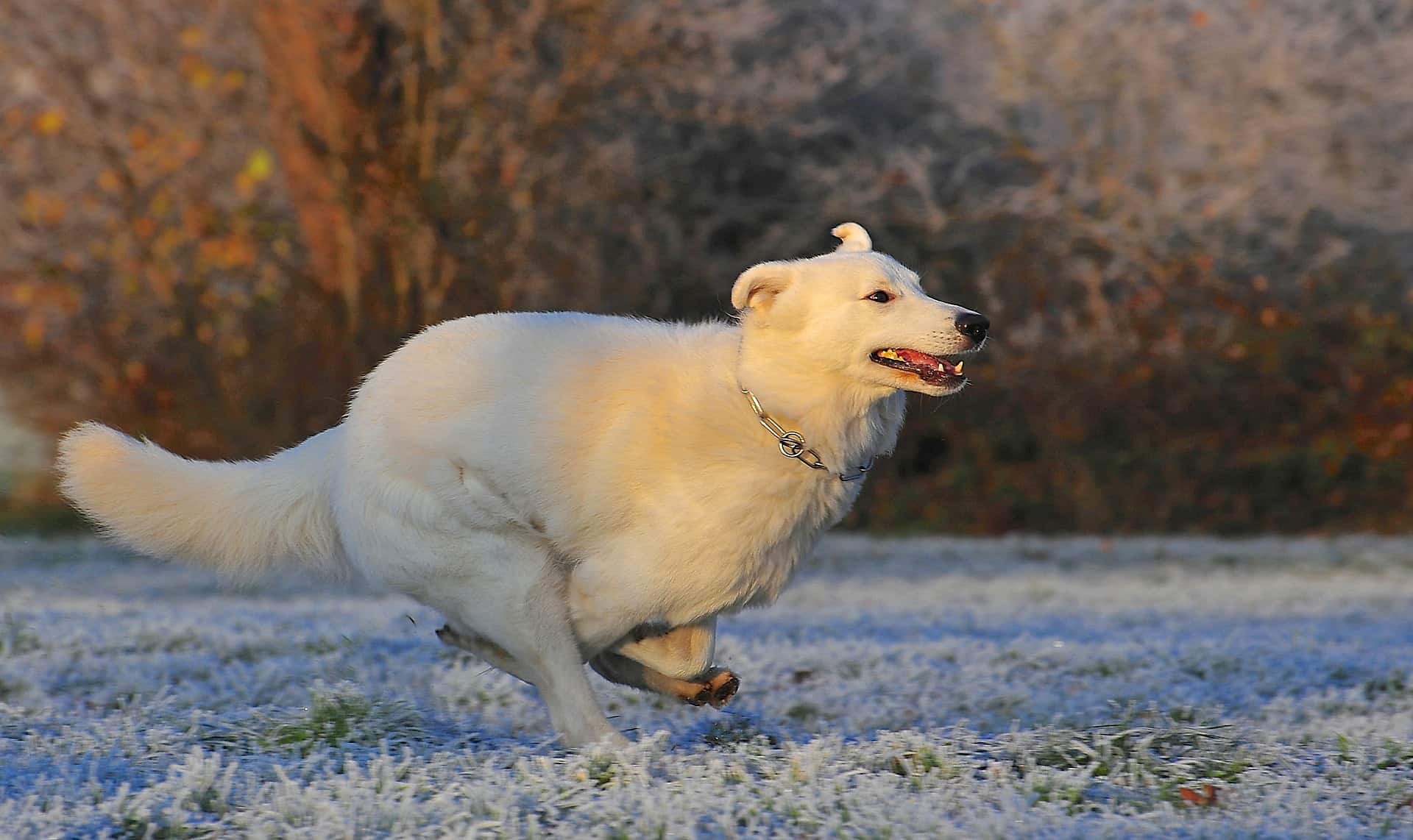
Purpose & Origin
The White Swiss Shepherd's roots trace back to the same Thuringian shepherd stock that produced the German Shepherd Dog. White-coated individuals were common in those early herding dogs, but by the 1930s white coloration was actively culled from German Shepherd breeding programs. The whites survived in North America, where they were eventually recognised as a distinct type.
In the early 1970s some of these dogs were exported to Switzerland, where breeders developed them systematically. Switzerland entered the breed in its national stud book in 1991 and the FCI granted full recognition in 2011. The breed's working heritage is herding, though it now functions almost entirely as a companion and utility dog.
Temperament & Behaviour
Compared to the German Shepherd, the White Swiss Shepherd carries a noticeably lighter temperament. It is alert and lively but less driven and less intense, which makes it a more approachable choice for families and less experienced owners. It bonds closely with its household and is friendly with familiar people, though it tends toward wariness with strangers and needs consistent early socialisation. The breed is sensitive and harsh handling backfires. Left without sufficient stimulation or company, it becomes noisy and destructive.
Activity & Training
Two hours of physical activity per day is the baseline, supplemented with structured mental work. A White Swiss Shepherd that is merely walked is not a satisfied dog. It needs tasks: fetch, tracking, agility, or obedience work. Training is generally rewarding because the dog is intelligent and biddable, but its sensitivity means sessions should stay positive and finish before frustration sets in. It learns quickly and grows bored equally quickly, so variety matters. Recall and impulse control are worth establishing early, given the herding instincts.
Grooming
The coat comes in two lengths, medium and long, both with a hard, dense double undercoat. Weekly brushing keeps the medium coat in order; the long coat needs two sessions per week at minimum. During the two annual coat blows, spring and autumn, daily brushing with an undercoat rake is the practical minimum. The white colour makes staining visible, but the coat has natural dirt resistance. Over-bathing strips protective oils, so once every six to eight weeks is enough under normal circumstances.
Health
The White Swiss Shepherd is generally healthy with a lifespan of 12 to 14 years. The most significant inherited concerns are hip and elbow dysplasia, shared with its German Shepherd ancestry. Degenerative myelopathy, a progressive neurological condition, is a known risk and DNA testing is available. Skin sensitivities and food allergies appear with some regularity. Buyers should ask breeders for hip and elbow scores on both parents and degenerative myelopathy test results where available.
Why these breeds are similar
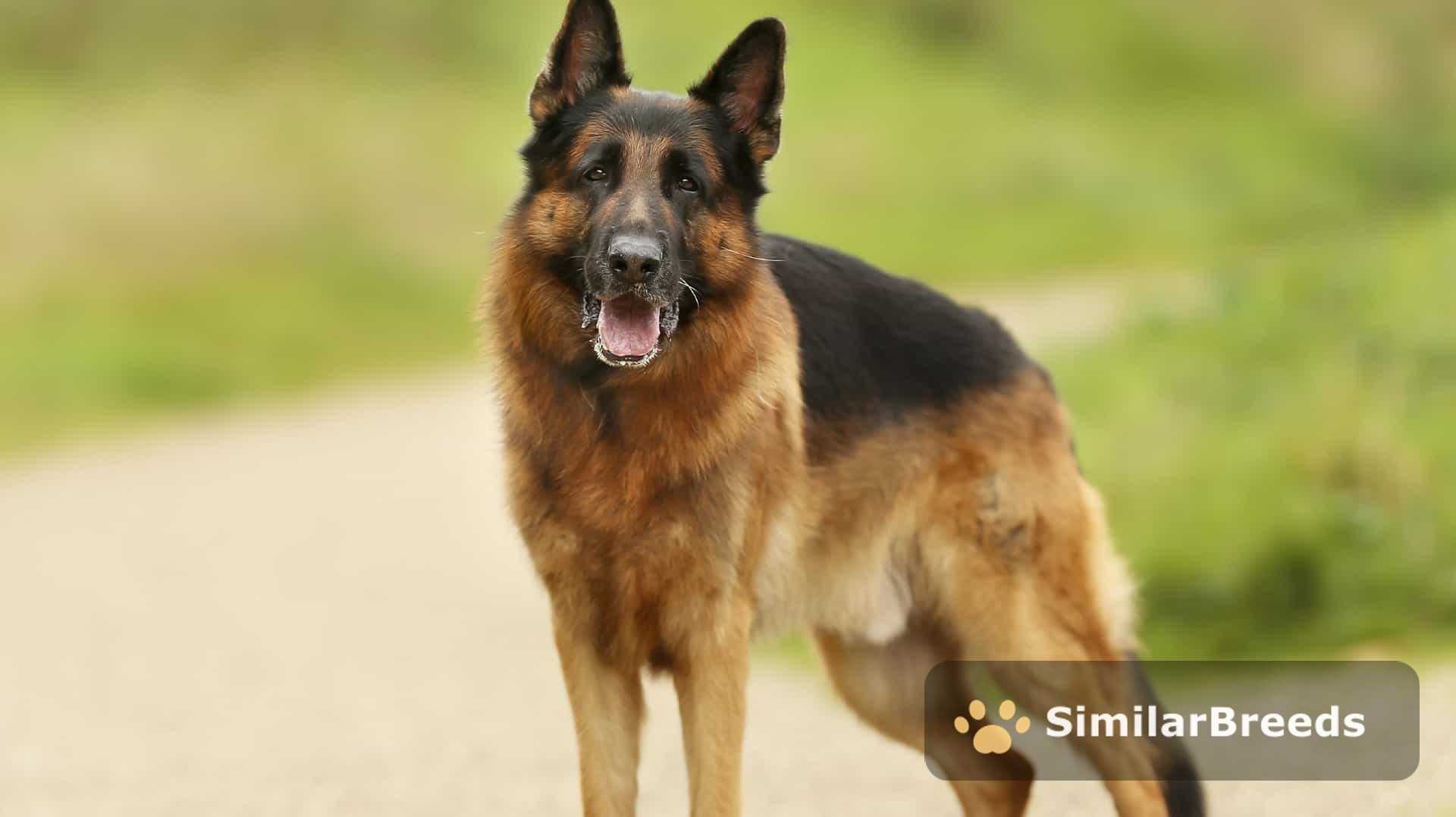
**German Shepherd Dog** is the direct ancestor. The White Swiss Shepherd shares its conformation, intelligence, working drive, and health vulnerabilities almost exactly, differing mainly in coat colour and a somewhat softer temperament.
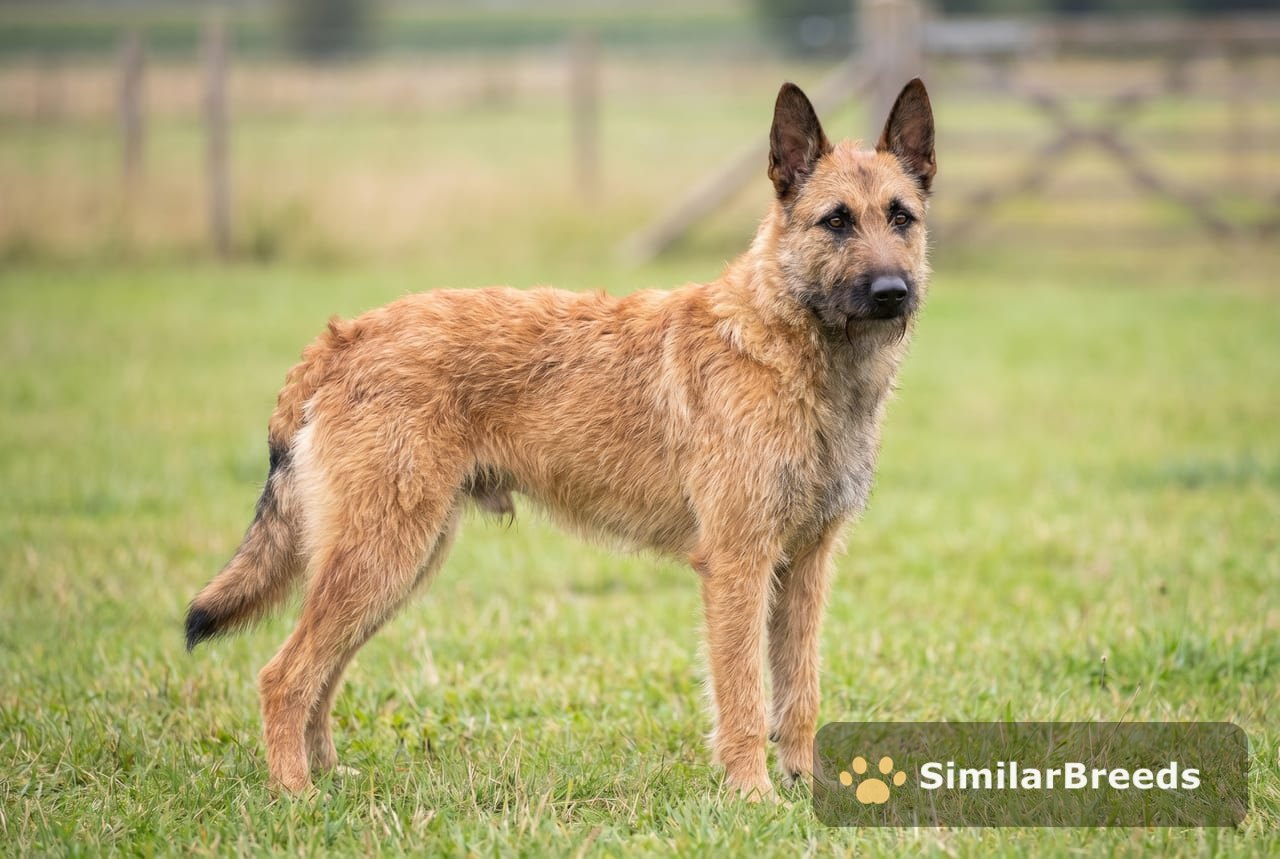
**Belgian Laekenois** belongs to the same FCI herding group and shares the alert, responsive character and high exercise requirements. Its rough, tousled coat is very different, but the working intelligence and trainability are closely matched.
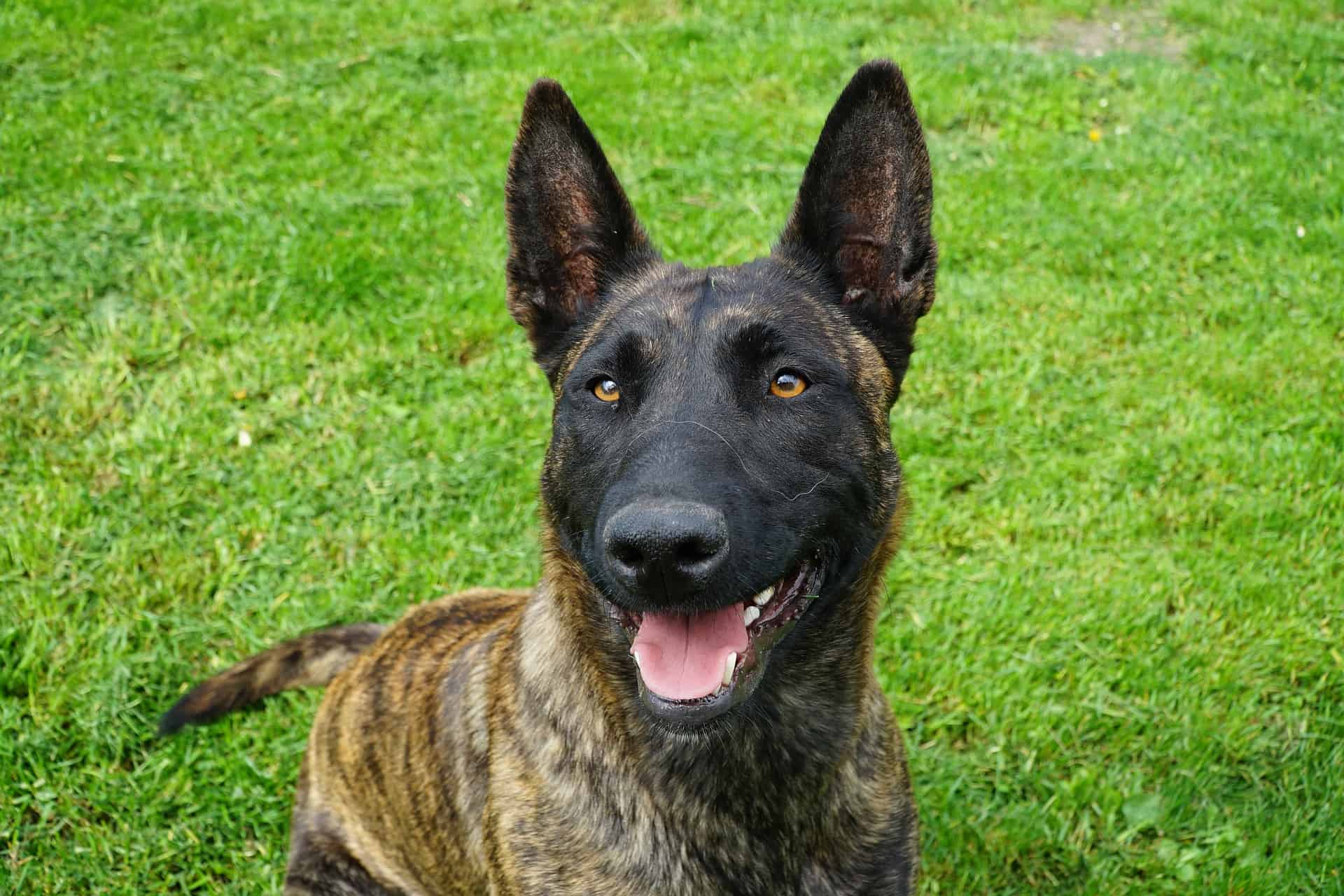
**Dutch Shepherd** comes from the same north-western European pastoral tradition. Like the White Swiss Shepherd it is versatile, energetic, and bonds tightly to its handler, though the Dutch Shepherd tends to be slightly more driven and independent.
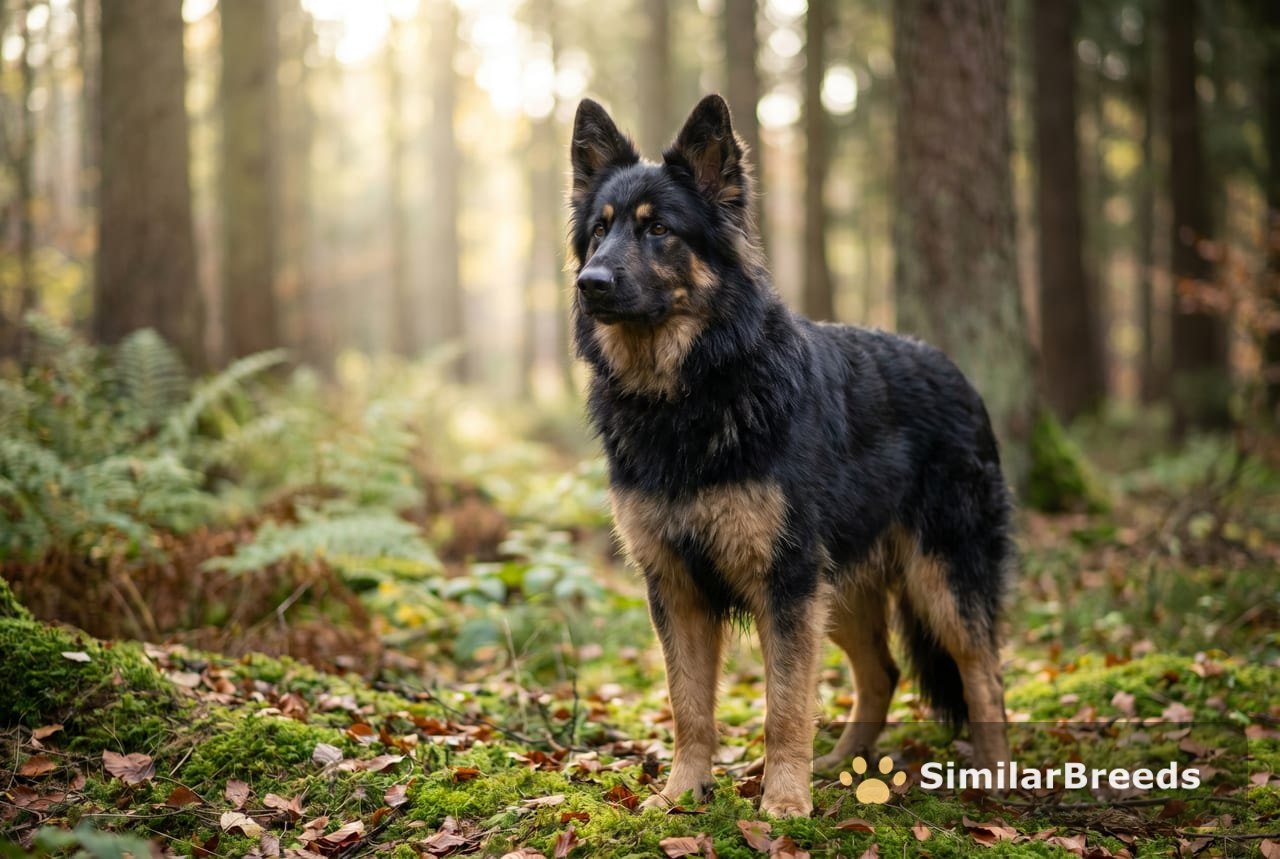
**Bohemian Shepherd** is a less well-known central European herding dog with similar size, double coat, and family-oriented temperament. It shares the White Swiss Shepherd's sensitivity and trainability, presenting a similar balance of working capability and companion suitability.