Brussels Griffon
From Belgium
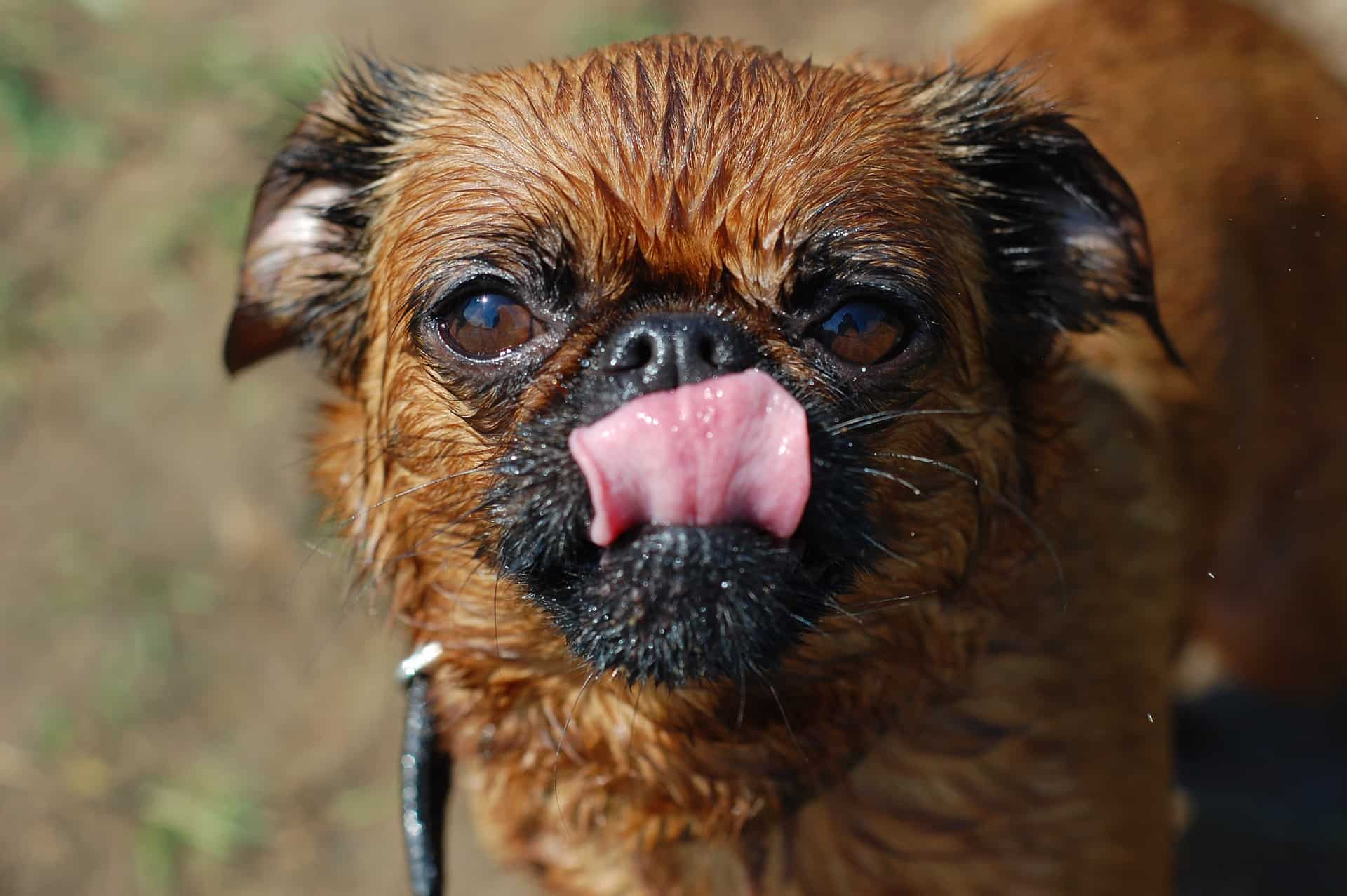
Purpose & Origin
The Brussels Griffon started life as a working dog, not a pampered lapdog. Its ancestors were probably the Affenpinscher and a rough Belgian stable dog called the Griffon d'Ecurie, and the breed earned its keep guarding horse-drawn cabs in Brussels. By the late 1800s, crossings with the Pug introduced the flat, brachycephalic skull and, as a side effect, produced smooth-coated individuals the breed's early breeders initially destroyed.
Those smooths were eventually accepted, and today three coat-and-colour variants exist: the rough red Brussels Griffon, the rough black Belgian Griffon, and the smooth Petit Brabancon. Further crosses, likely with the Yorkshire Terrier and English Toy Spaniel, refined the distinctive pushed-in face. From cab guard to Belgian nobility to world-wide companion, the breed's rise was rapid, though both world wars took a heavy toll on its numbers.
Temperament & Behaviour
This is a small dog that does not know it is small. The Brussels Griffon is self-assured, bold, and mischievous, with an almost theatrical personality that makes it genuinely entertaining to live with. It bonds closely with its people and thrives on attention, but that attachment comes with a cost: separation anxiety is a real risk, and the breed can be difficult to house-train. It is generally fine with other dogs and household pets.
Strangers are regarded with suspicion, and the watchdog score here is as high as it gets for a toy breed. Sensitivity and small size make it a poor fit for homes with young children, and its stubborn streak means it will not simply comply because you asked nicely.
Activity & Training
Exercise needs are modest. A brisk daily walk and some indoor play cover the physical requirement, and the breed's small size means a robust game inside the house counts for real exercise. Mental stimulation matters more than distance, and a Griffon left to its own devices will find its own entertainment, usually at your expense.
Training takes patience rather than heavy-handed correction. The breed is neither the most biddable nor the most resistant, but stubbornness surfaces whenever the task feels pointless. Short, varied sessions work better than drills. The flat face also means heat is a genuine hazard; cold tolerance is low too, so outdoor time in extremes needs to be brief.
Grooming
Grooming demands split cleanly along coat type. Rough-coated dogs need combing two or three times a week and hand-stripping every three months to keep the wiry texture correct. Smooth-coated Petit Brabancon individuals need only occasional brushing to pull out dead hair. Either way, the grooming burden is far below what the breed's expressive face might suggest.
Health
The Brussels Griffon lives 12 to 15 years. The brachycephalic head creates the usual flat-faced considerations around breathing and heat. Conditions occasionally seen include patellar luxation, eye issues (distichiasis, cataracts, progressive retinal atrophy), and hip and joint concerns. Caesarean sections are frequently necessary for whelping. Routine eye and knee checks are recommended.
Why these breeds are similar
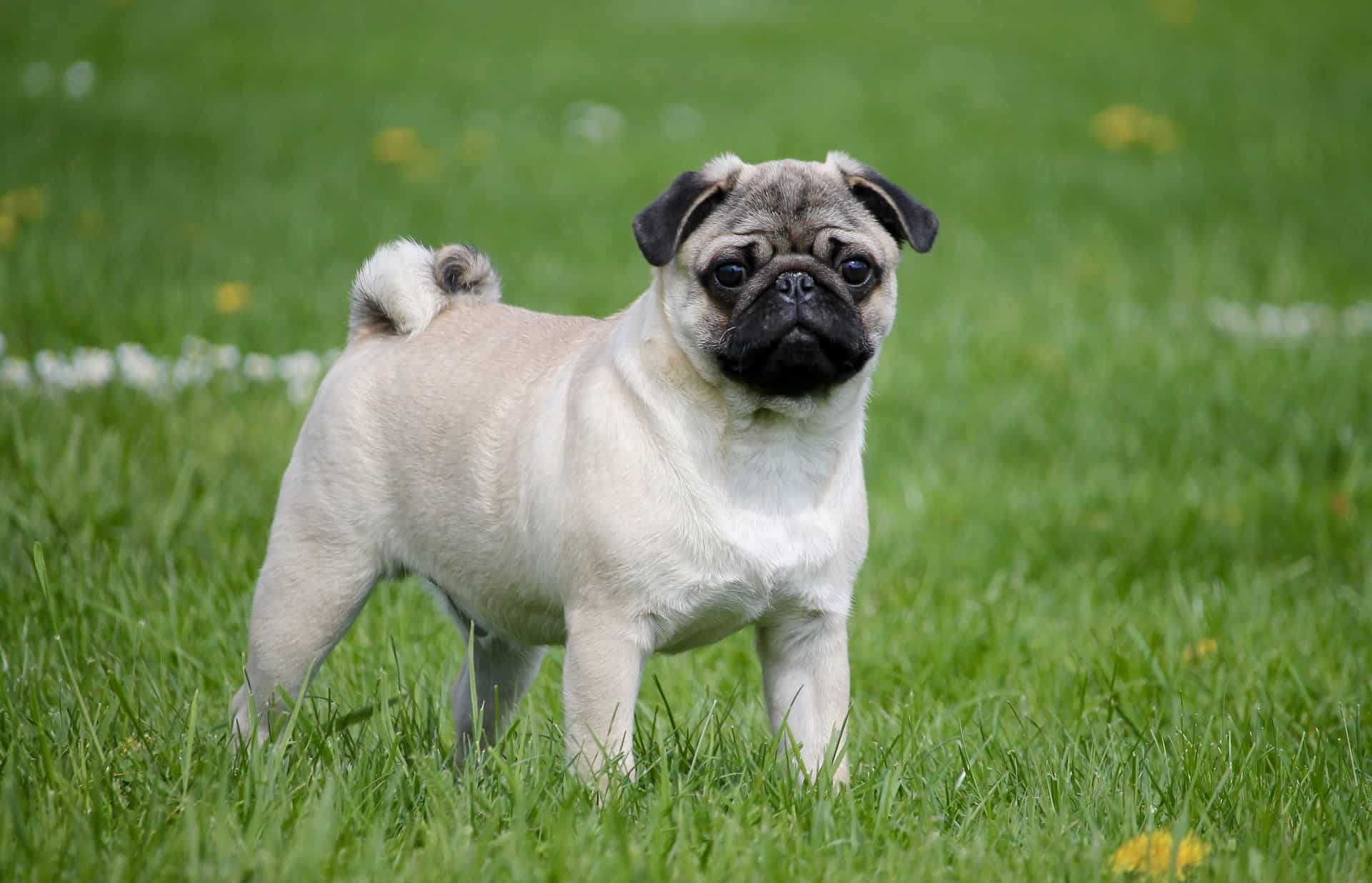
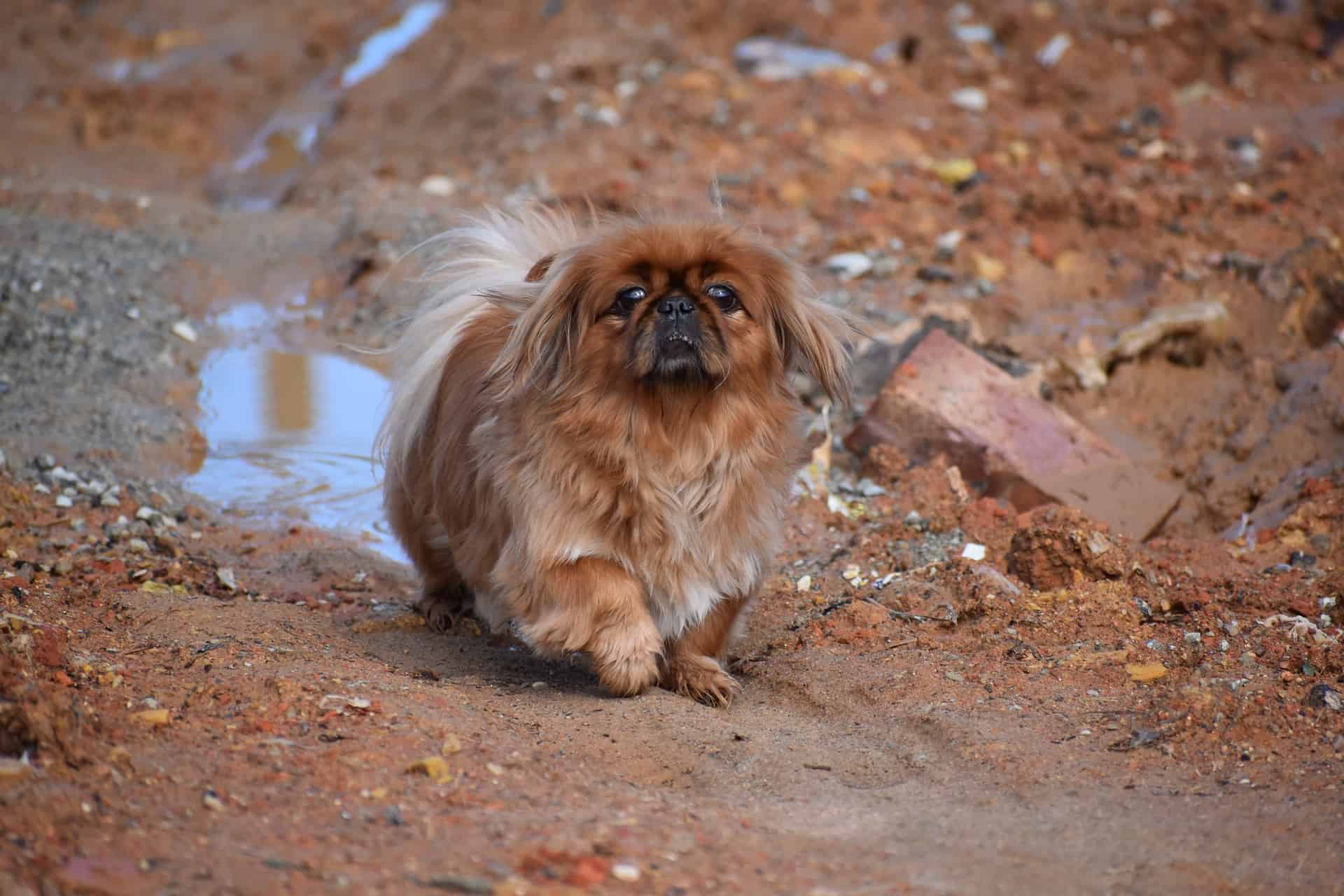
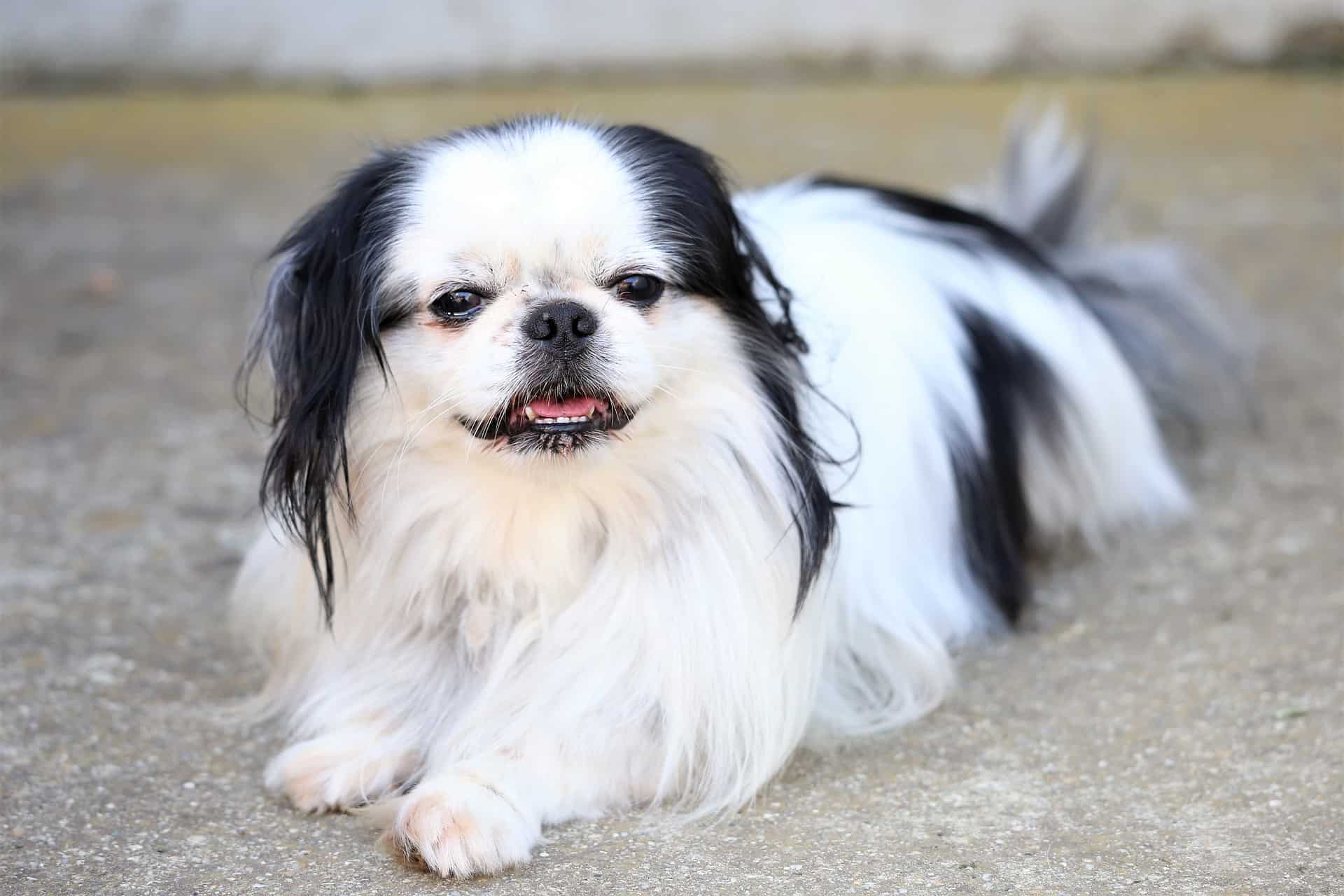
The Pug is the most direct parallel, sharing the flat brachycephalic skull that entered the Brussels Griffon lineage through deliberate crosses in the late 1800s. Both are compact, expressive, and stubborn companions with the same heat intolerance that comes with that facial structure. The Pekingese and Japanese Chin are linked by type rather than ancestry: all three are small, flat-faced companion breeds with confident, somewhat aloof personalities and that same mix of affection toward their own people and wariness around strangers.
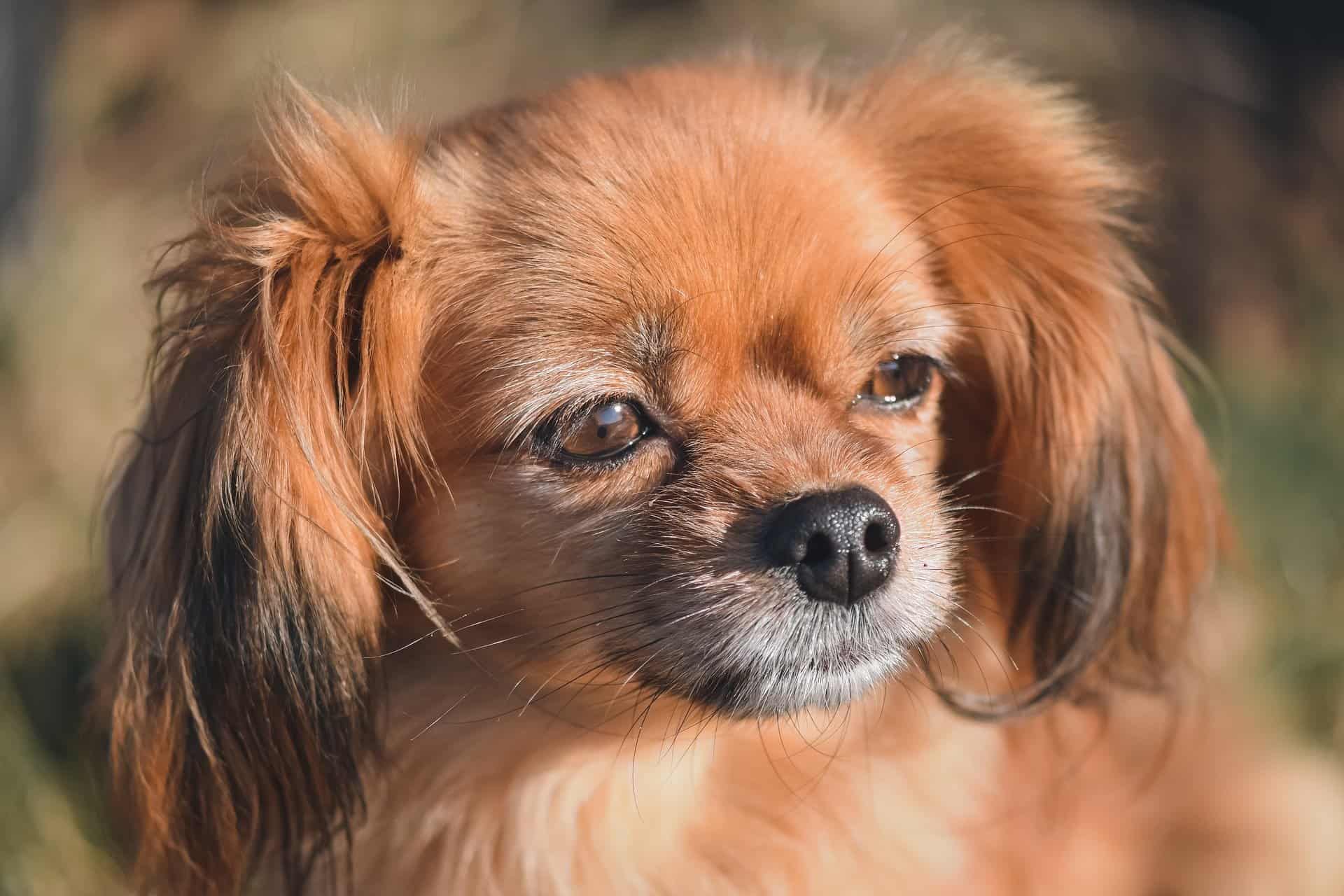
The Tibetan Spaniel is the outlier in terms of skull shape, but shares the Brussels Griffon's watchdog alertness, independent temperament, and history as a small companion dog valued by people who wanted more personality than a passive lapdog delivers.
Trait ratings
- Energy level
- 4/5
- Exercise requirements
- 2/5
- Playfulness
- 4/5
- Affection level
- 4/5
- Friendliness toward dogs
- 3/5
- Friendliness toward other pets
- 3/5
- Friendliness toward strangers
- 2/5
- Ease of training
- 3/5
- Watchdog ability
- 5/5
- Protection ability
- 4/5
- Grooming requirements
- 1/5
- Cold tolerance
- 2/5
- Heat tolerance
- 1/5