Tosa
From Japan
The Tosa was created by gradual crossbreeding of Japanese fighter dogs with Western breeds like the Mastiff, Bulldog, and Great Dane. The Tosa, due to its size, strength, and inherent fighting impulse, is regarded a dog which should only be handled by experienced dog owners. The breed is even banned in some countries, including the UK.
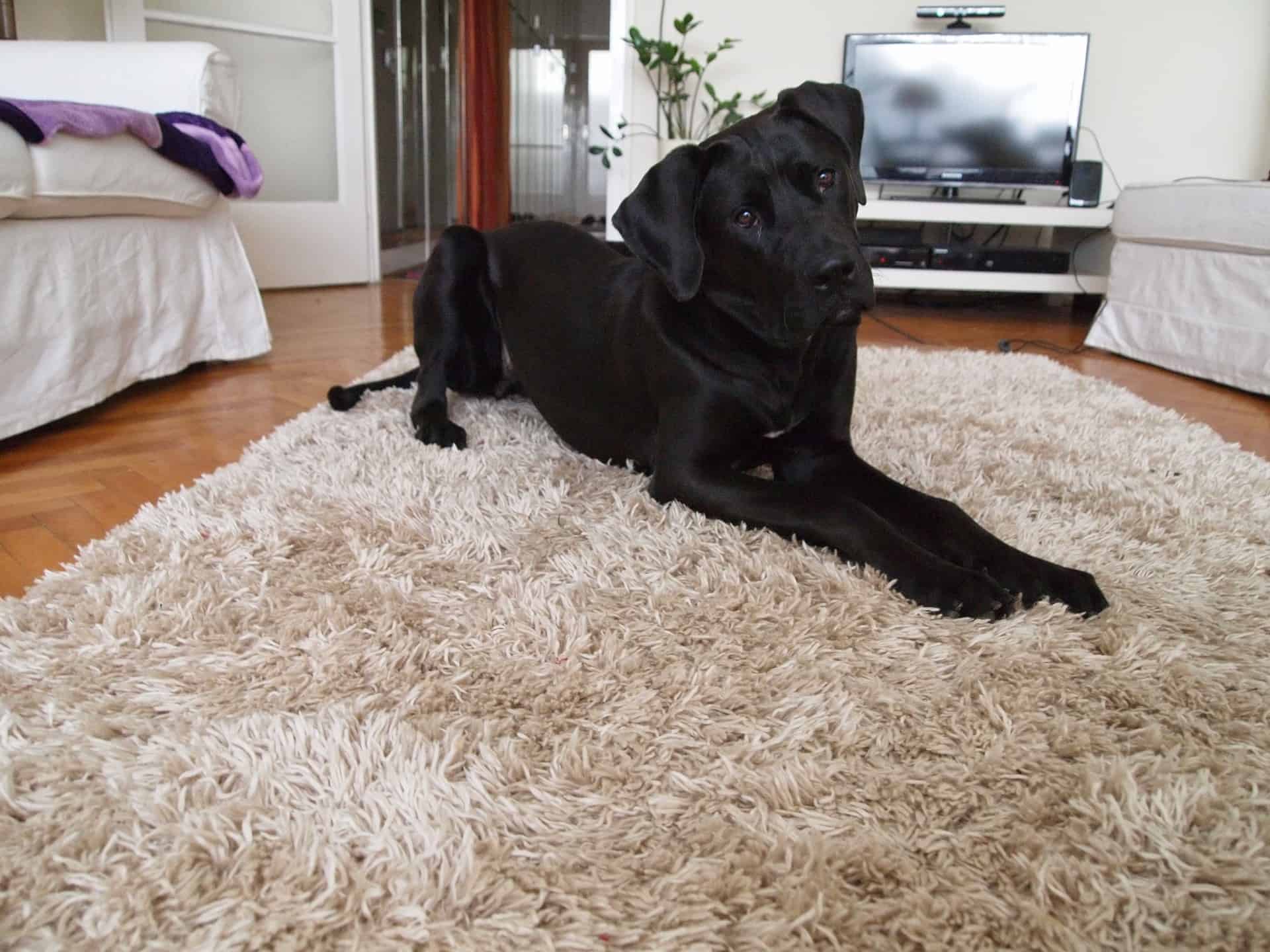
Purpose & Origin
The Tosa takes its name from the Tosa region on the island of Shikoku, in Japan's Kochi Prefecture. Its entire reason for being was the fighting pit. Japanese breeders in the second half of the 19th century found their native fighting dogs consistently losing to imported Western breeds, so they crossed the indigenous Nihon Inu with Bull Terriers, Bulldogs, Mastiffs, Pointers, and Great Danes. The result was a dog purpose-built for power, stamina, and the composure to fight in complete silence, a quality prized by Japanese dogfighting tradition. Today the Tosa is banned outright in several countries, including the United Kingdom, and restricted in many others.
Temperament & Behaviour
Outside the ring, the Tosa is calm, dignified, and deeply loyal to its household. It carries the stoic reserve typical of Japanese working breeds rather than the excitability of European guard dogs. With family it is affectionate; with strangers it is watchful and reserved. Aggression toward other dogs is a real and persistent trait, rooted in centuries of selective breeding, and must be managed from day one. This is not a dog that tolerates rough handling or inconsistency from its owner. The Tosa is not suitable for inexperienced owners; in the wrong hands its size and strength become a serious liability.
Activity & Training
The Tosa needs moderate daily exercise, long walks rather than frantic running sessions. It is not a hyperactive breed and will settle indoors, but it requires consistent physical and mental engagement to stay balanced. Training must begin early and be firm without being confrontational. The Tosa is intelligent and learns readily under a calm, consistent handler, but it will test boundaries and has an independent streak that makes it unsuitable for novice owners. Socialisation from puppyhood, with people and controlled exposure to other dogs, is not optional.
Grooming
The coat is short, hard, and dense. Weekly brushing with a bristle brush or rubber mitt removes loose hair; the Tosa sheds moderately year-round with heavier seasonal shedding in spring and autumn. Routine maintenance covers ear cleaning, nail trimming, and dental care. Bathing monthly or as needed is sufficient.
Health
The Tosa is a large to giant breed with a lifespan of roughly 10 to 12 years. The main health concerns are gastric dilatation-volvulus (bloat), a life-threatening emergency and a genuine risk in deep-chested giant breeds. Hip and elbow dysplasia are common, as are certain heart conditions including dilated cardiomyopathy. Feeding two smaller meals rather than one large daily meal reduces bloat risk. Buyers should seek breeders who screen for hip and cardiac issues.
Why these breeds are similar
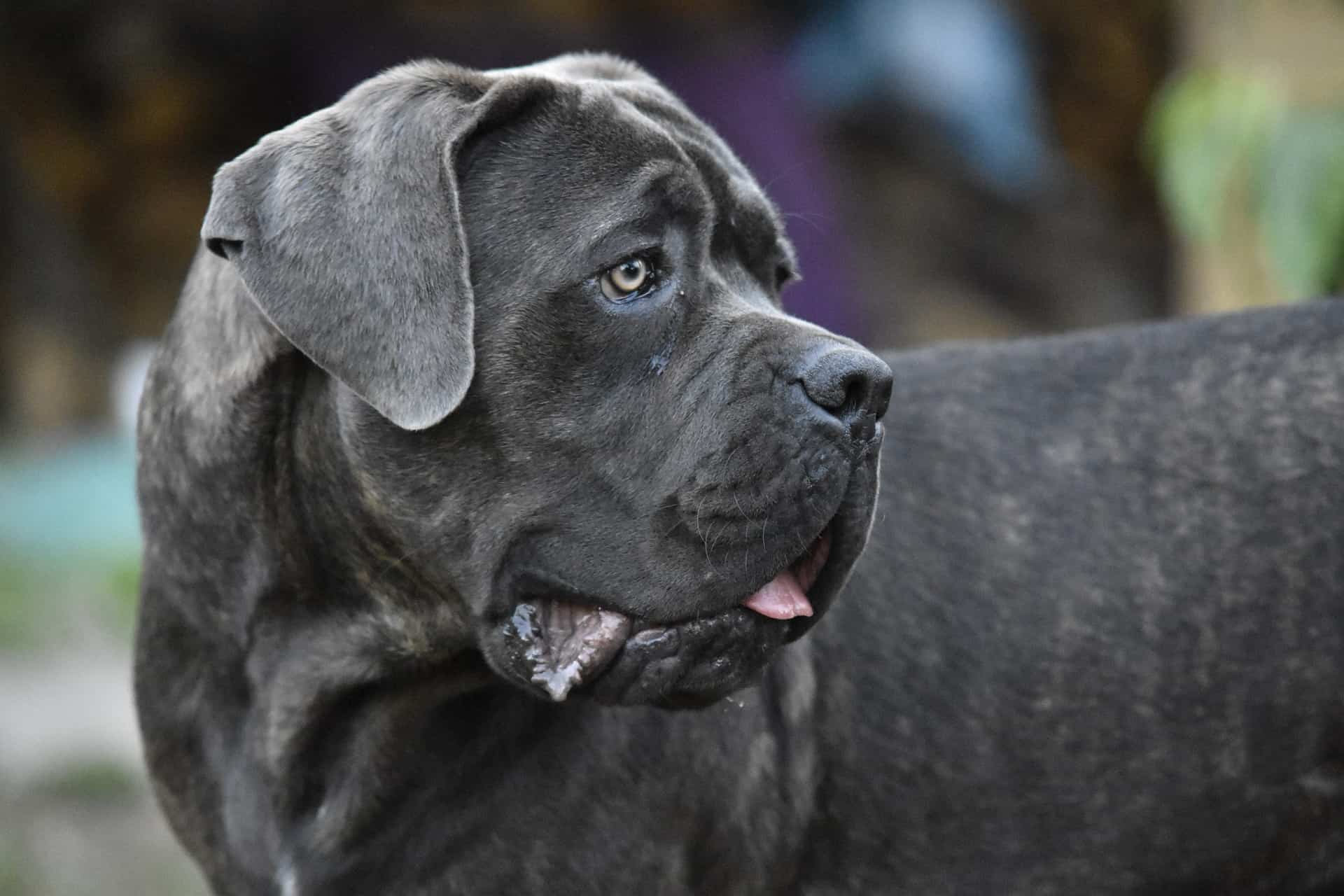
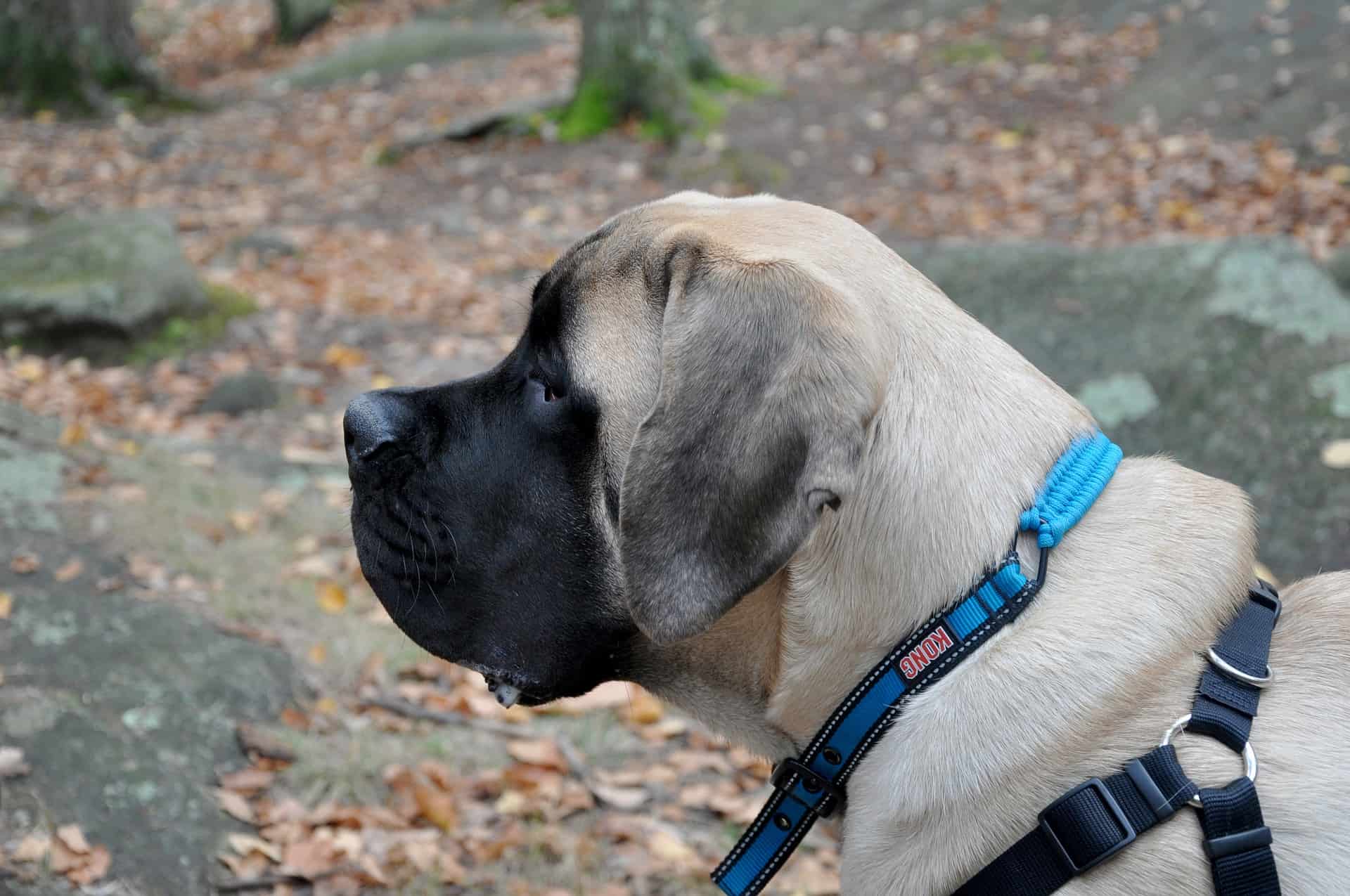
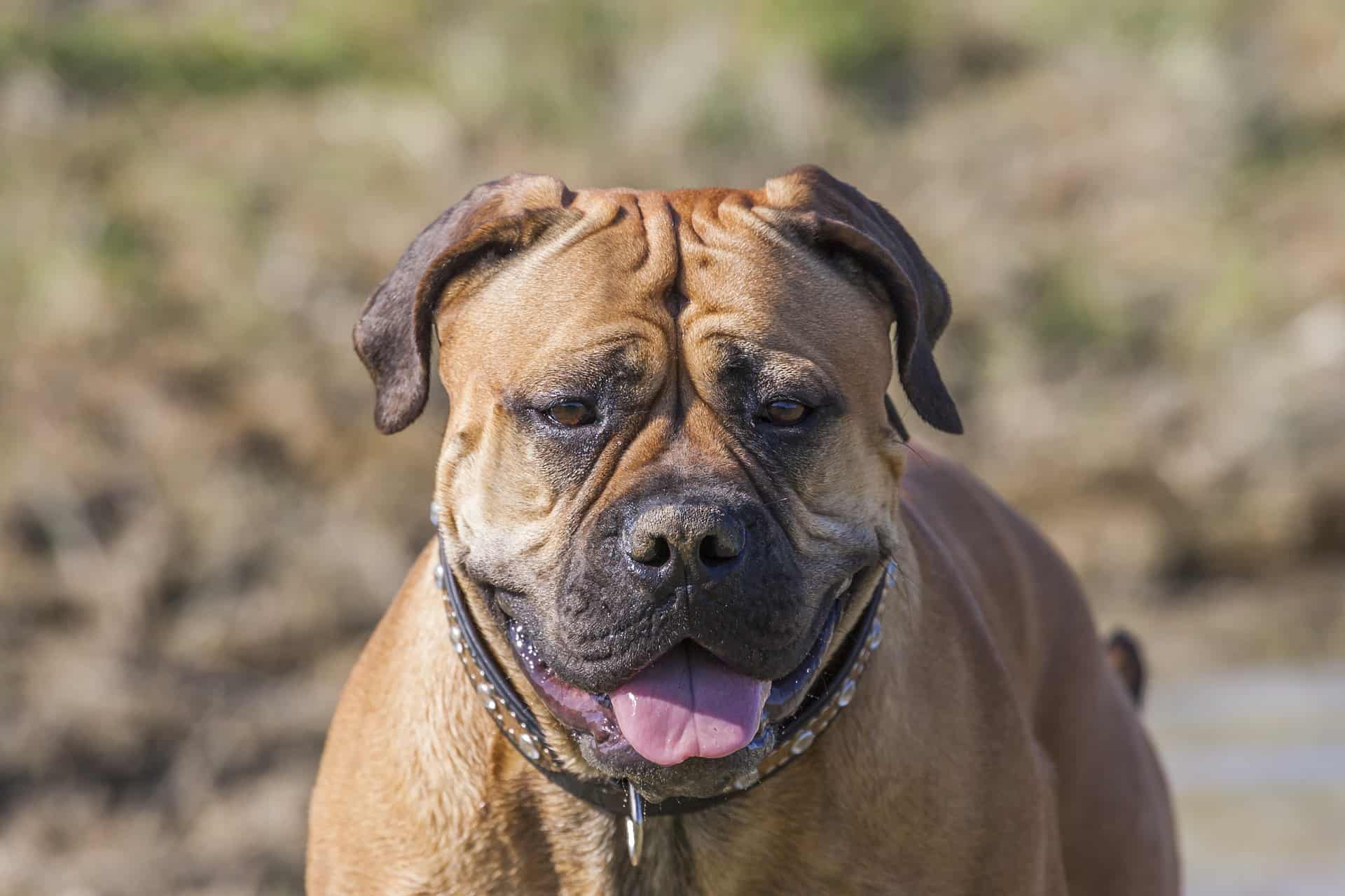
**Cane Corso** shares the Tosa's Mastiff lineage, similar size range, and the same combination of calm household temperament with powerful guarding instinct. Both require experienced owners and firm early socialisation. **Mastiff** is one of the breeds crossed into the Tosa's development and the family resemblance is direct: massive frame, short coat, steady disposition, and the same susceptibility to bloat and joint problems. **Bullmastiff** was bred from Mastiff and Bulldog crosses for estate guarding, giving it the same loyal-but-reserved temperament, low grooming needs, and the powerful build the Tosa also carries.
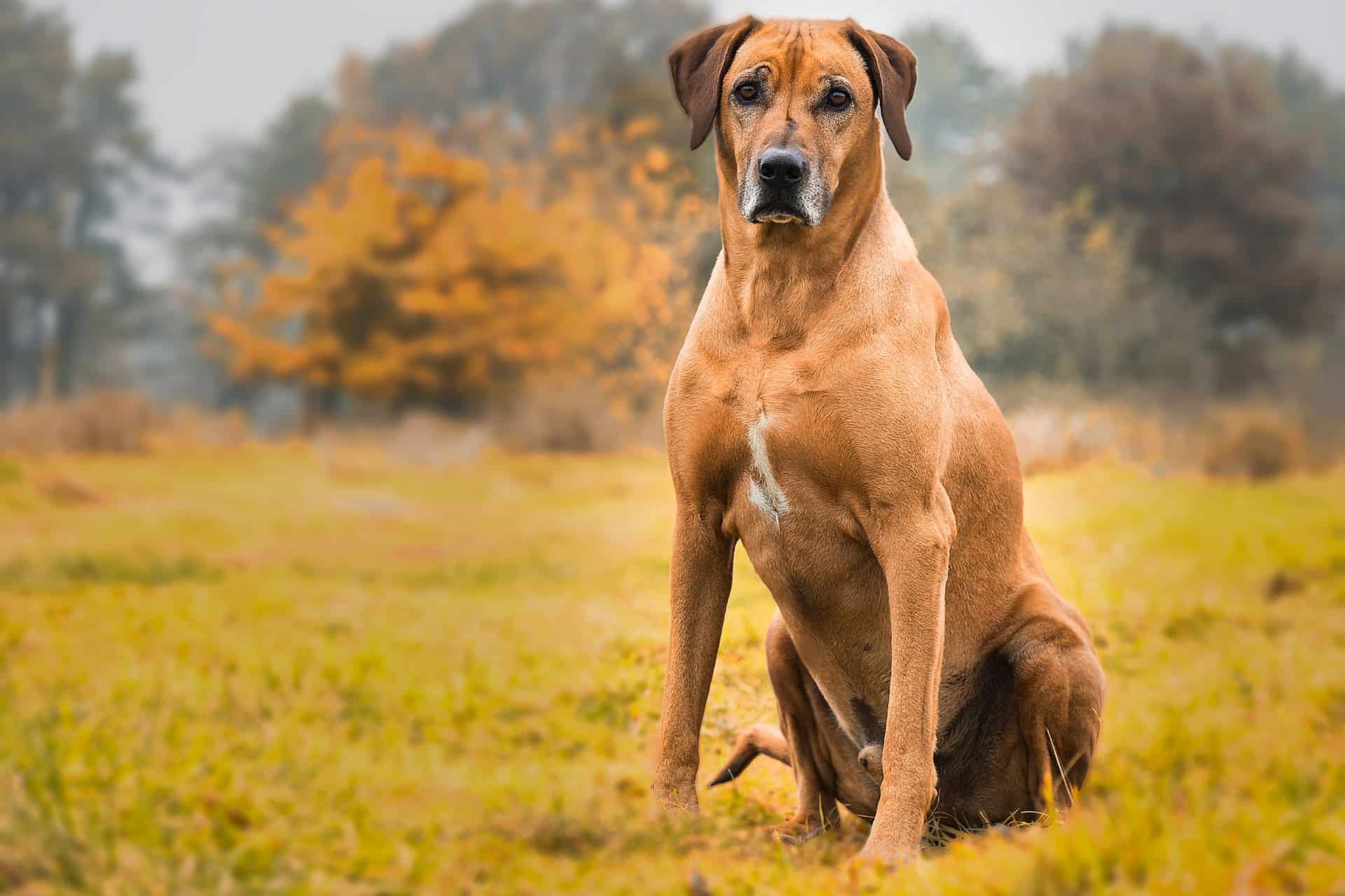
**Broholmer** is a Danish Mastiff-type with a similar large, muscular frame, short coat, and calm guarding disposition, less well-known but occupying the same functional niche as the Tosa in terms of size and purpose. **Rhodesian Ridgeback** is the outlier here in coat and origin, but shares the Tosa's athletic build, independence, strong prey drive, and the need for an owner who understands confident, consistent handling.