Small Münsterländer
From Germany
Purpose & Origin
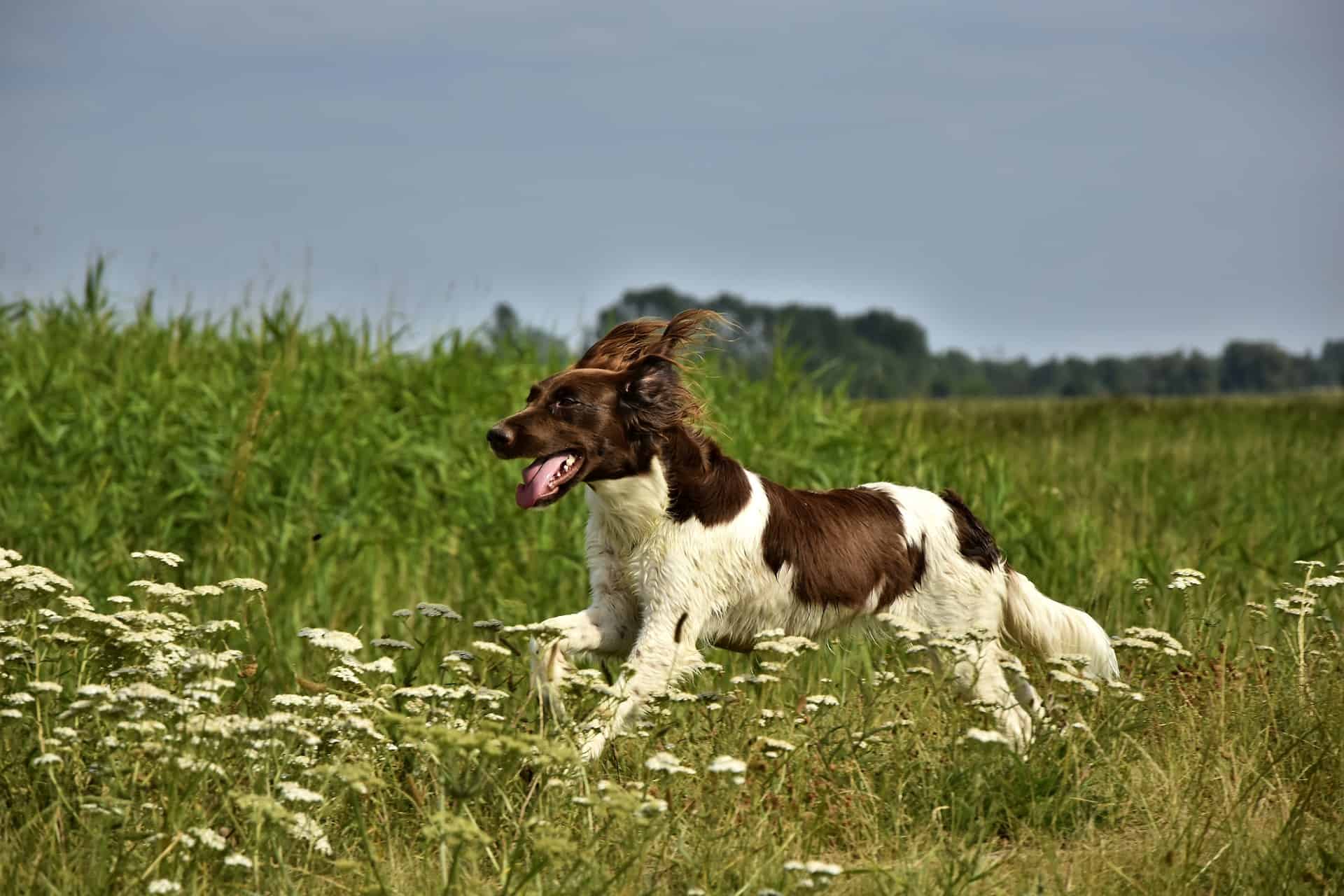
The Small Münsterländer is a German versatile gun dog from the Münster region of northwest Germany. Its name Heidewachtel (moorland quail dog) points to its roots in upland and wetland bird hunting. The breed's lineage stretches back several centuries, originally serving falconers before firearms changed hunting practices.
By the late 19th century the type had become scattered, and a reconstruction effort at the start of the 20th century standardised it by crossing the Large Münsterländer with continental spaniels. That spaniel influence is visible in its outline, the dog sits between a setter and a spaniel, yet it works as a pointer in the field, tracking, pointing, and retrieving across varied terrain. It is sometimes called the Spion (spy), a nod to its alert hunting style.
Temperament & Behaviour
The Small Münsterländer is intelligent, attentive, and eager to work with its handler. It bonds closely to its family and is typically sociable with children and other dogs. The breed carries a strong prey drive and a deep-seated urge to retrieve, traits that surface even around the house. It is not an independent or aloof dog, but it reads inconsistency quickly: an indecisive owner will find the dog starting to set its own agenda. Patience, clear rules, and consistent handling work far better than corrections.
Activity & Training
This is a high-energy working breed that needs serious daily exercise. An hour or more of meaningful activity, running, swimming, or hunting, is the realistic minimum for a fit adult. Mental engagement matters as much as physical output: field work, tracking exercises, or hunt tests keep the dog satisfied in a way leash walks alone cannot. Training should be reward-based and progressively demanding. The breed picks up commands quickly but bores with repetitive drills. Its reputation as one of the easier continental gun dogs to train holds when the handler stays engaged and sets clear expectations from puppyhood.
Grooming
The coat is medium-length, flat to slightly wavy, with feathering on the ears, chest, belly, and legs. Brushing two to three times per week prevents tangles and manages shedding. Ears need regular checks: the drop-ear shape traps moisture after swimming or field work, and infections are a practical risk. Standard nail and dental maintenance applies. The coat is not high-maintenance by sporting dog standards, but the feathering requires consistent attention.
Health
The Small Münsterländer is a robustly healthy breed with a lifespan of 12 to 14 years. Conscientious breeders screen for hip dysplasia and heritable eye conditions, and the rate of serious congenital problems is low where health testing is standard. Hip dysplasia is the main structural concern; early reluctance to jump or retrieve is worth investigating. Ear infections are a recurring practical issue managed through regular cleaning, especially after water work.
Why these breeds are similar
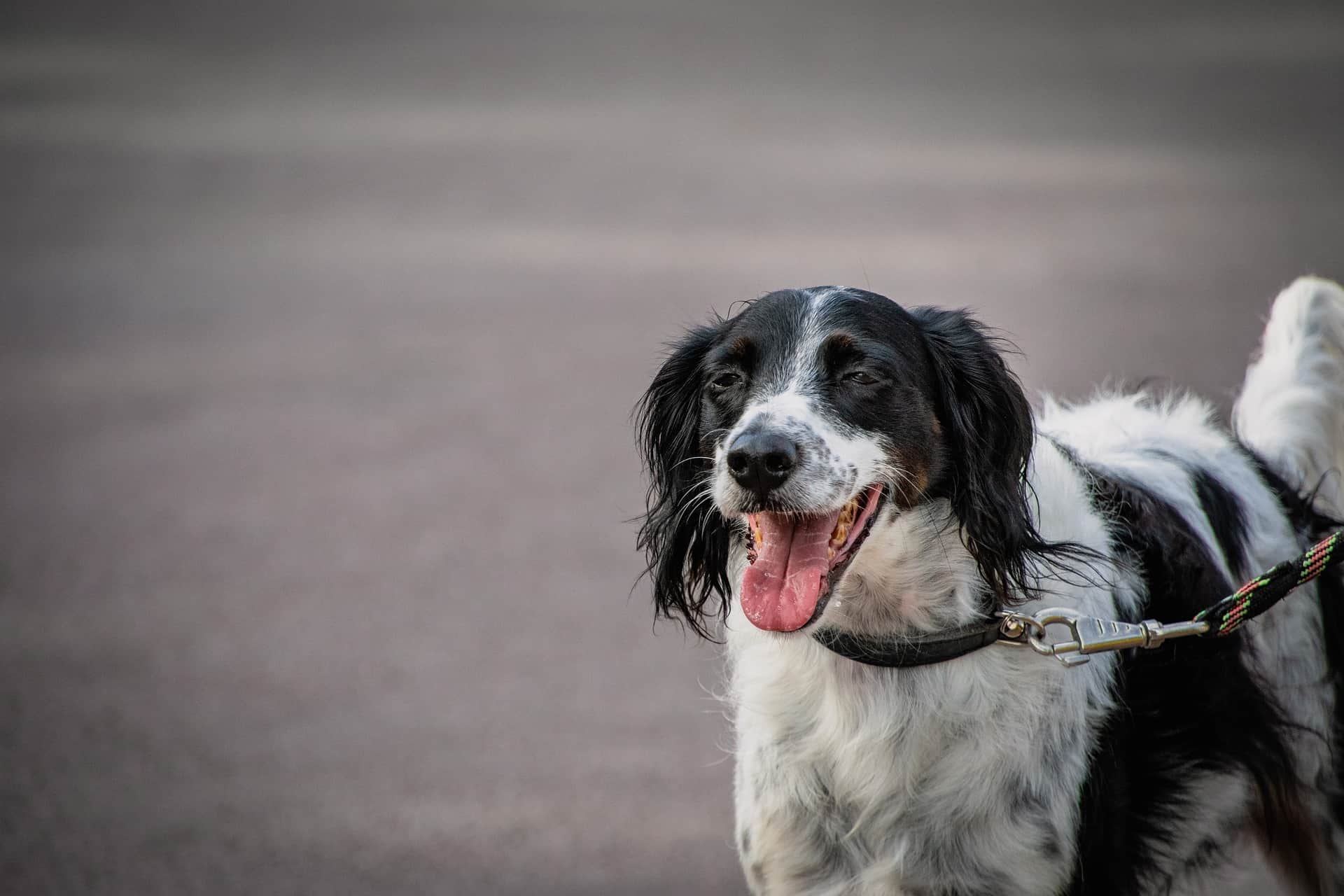
**Large Münsterländer** is the most direct parallel: the Small Münsterländer was developed from it and shares the same all-purpose German gun dog role, pointing, tracking, and retrieving on land and water. The differences are size and coat colour, the Large is black-and-white where the Small is brown-and-white, and roughly 7 to 8 cm taller. Temperament, energy demands, and trainability are closely matched.
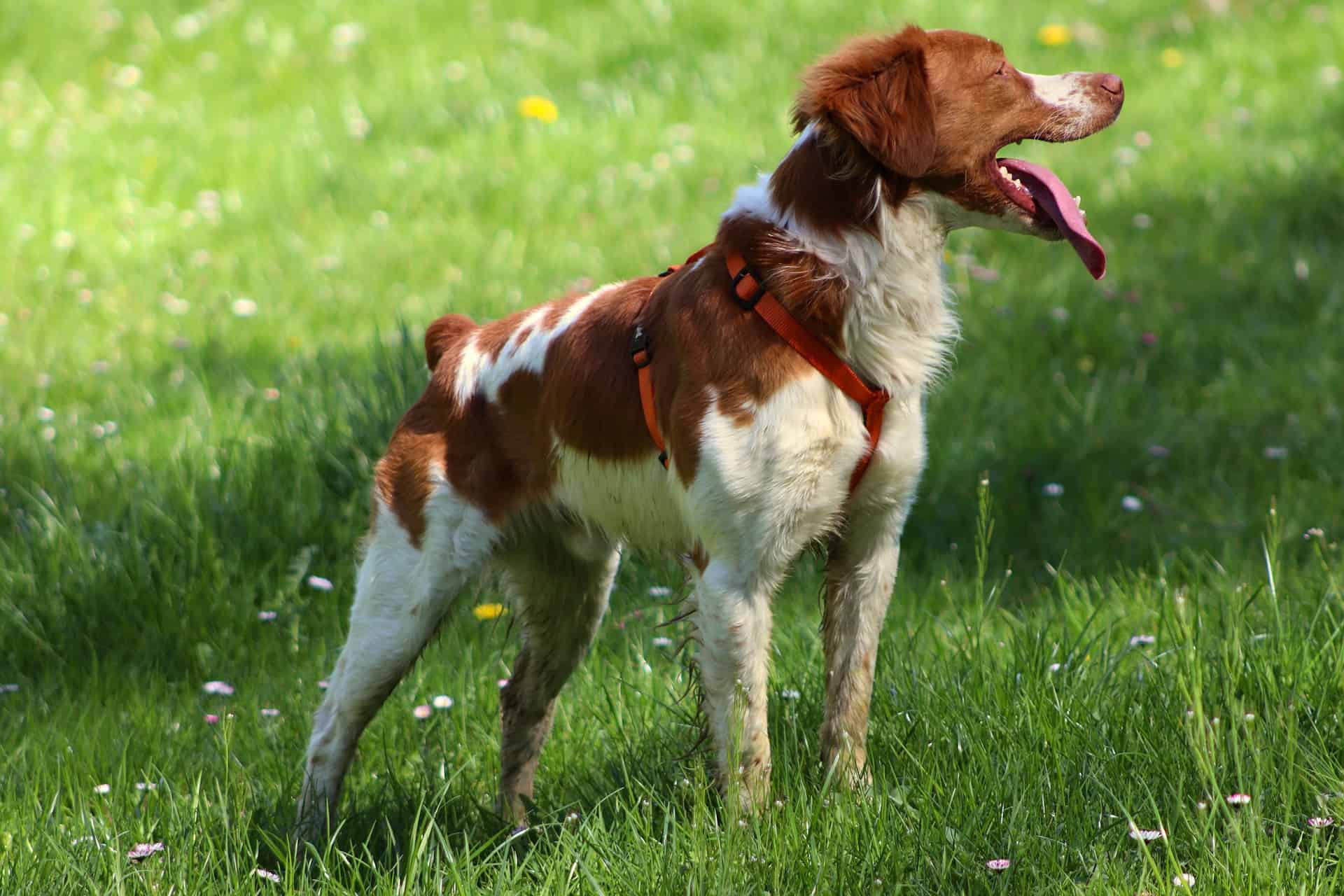
**Brittany** belongs to the same continental versatile gun dog tradition at a similar size. Like the Small Münsterländer, it is compact, high-energy, and works as both a pointer and retriever. Both breeds bond strongly to their handlers, need substantial daily exercise, and respond well to engaged, positive training. The Brittany is somewhat lighter-boned and faster in the field, but purpose, drive, and owner requirements overlap closely enough that handlers considering one routinely look at the other.