Prague Ratter
From Czech Republic

Purpose & Origin
The Prague Ratter, known in Czech as Pražský Krysařík, is one of the oldest small breeds in Europe and claims to be the smallest dog breed in the world by height, standing 20-23 cm at the withers and weighing 1.5-3.5 kg. Historical records, including writings attributed to the chronicler Einhard, place the breed at the courts of Bohemian kings as far back as the 8th and 9th centuries, where it served dual duty as a ratter and a royal lapdog.
The Prague Ratter later spread as a diplomatic gift to other European courts before declining sharply in the 19th century when the Miniature Pinscher eclipsed it in popularity. Czech and Slovak breeders revived the Pražský Krysařík from near-extinction in the 1980s, and the FCI recognised it in Group 9 as a companion and toy dog.
Temperament & Behaviour
Despite its toy dimensions, the Prague Ratter carries itself with genuine terrier confidence. It forms intense bonds with its immediate family and enjoys children, but strangers are met with alertness rather than warmth until trust is established. One useful distinction from many other small breeds: it is typically quiet, not prone to the persistent yapping that makes some toy dogs difficult neighbours. It is social and attention-seeking, content to shadow its owner around the house and curl up on a lap once its energy is spent. Early socialisation matters, because without it the breed's alertness can shade into skittishness around unfamiliar people and environments.
Activity & Training
Thirty to sixty minutes of daily activity is sufficient. Short walks combined with indoor play cover the exercise requirement without difficulty, though the breed benefits from having a safe space to sprint and investigate, given its working ratter ancestry. It is intelligent and responds well to positive reinforcement; training is moderately straightforward, with consistency the main requirement. The occasional stubborn streak is real but manageable. Recall reliability can be a weak point, so a secure garden or long-line is sensible outdoors, since prey drive has not entirely disappeared.
Grooming
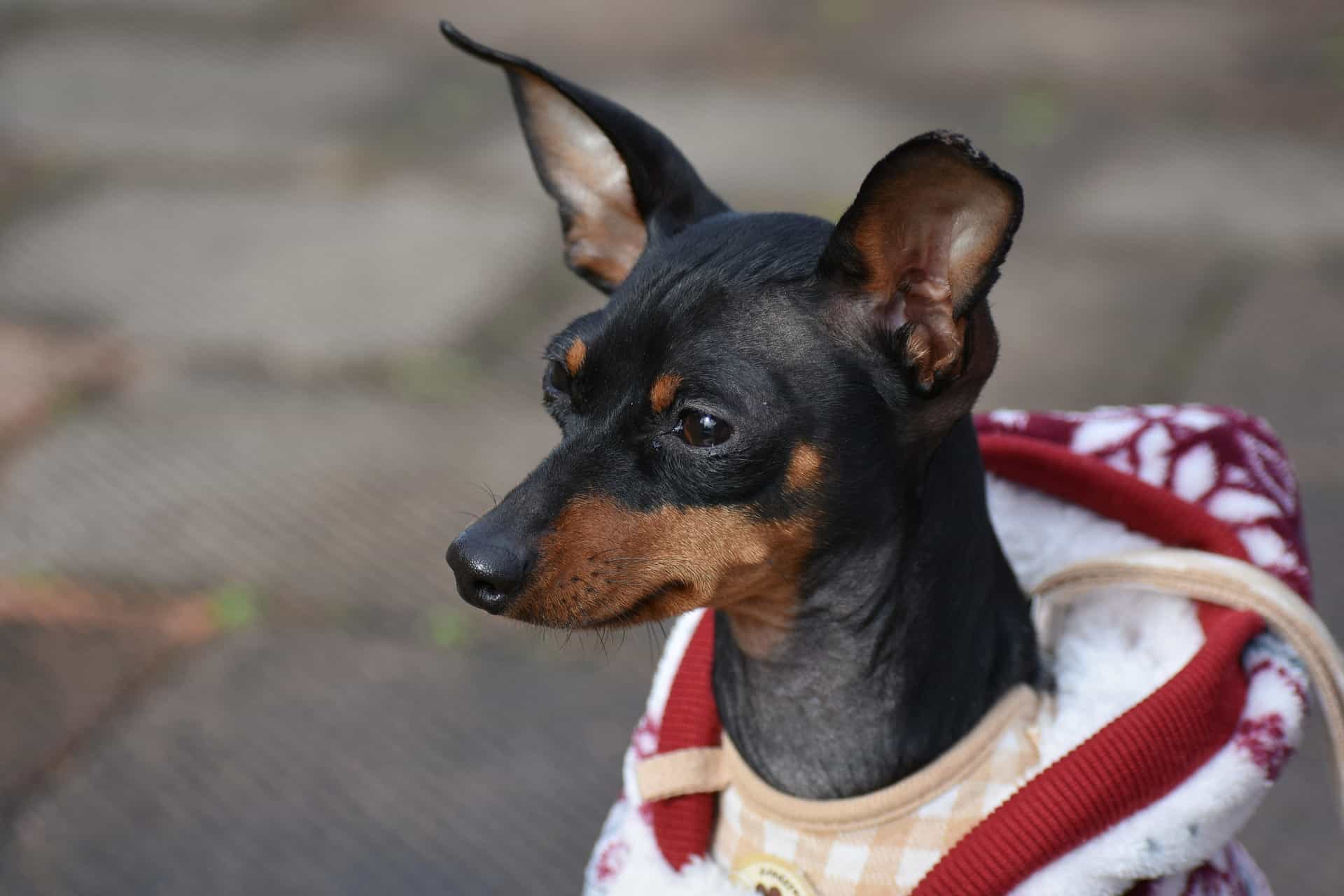
The coat is short, close-lying, and glossy. Upkeep is minimal: a weekly brush and occasional wipe-down with a damp cloth keeps it in good condition. Bathing every few weeks as needed is enough. Where care genuinely demands attention is dental hygiene. Small mouths mean crowded teeth, which accelerate tartar build-up and periodontal disease. Tooth brushing several times a week and professional dental cleanings from an early age are not optional extras for this breed; they are a real health necessity. Nail trims and ear checks round out routine maintenance.
Health
The Prague Ratter is generally healthy, with a lifespan of 12-14 years. The main concerns follow the small-breed pattern: patellar luxation, dental disease, and hypoglycaemia in puppies if meal frequency is insufficient. Bone fragility is a practical risk given the breed's size, so rough handling or jumping from height onto hard floors should be avoided, particularly in young dogs. Reputable breeders health-test for patellar luxation. Dental disease is the most predictable long-term cost, and owners who do not manage it actively will face veterinary bills and premature tooth loss in their dogs.
Why these breeds are similar
The **Miniature Pinscher** is the most frequently confused sibling. Both breeds share a sleek short coat, a square, elegant outline, and an alert, high-energy character. The Miniature Pinscher is German in origin and bred independently, but it became the fashion replacement for the Prague Ratter in the 19th century, and the visual overlap is obvious. The Min Pin is typically larger and somewhat more dominant in temperament.
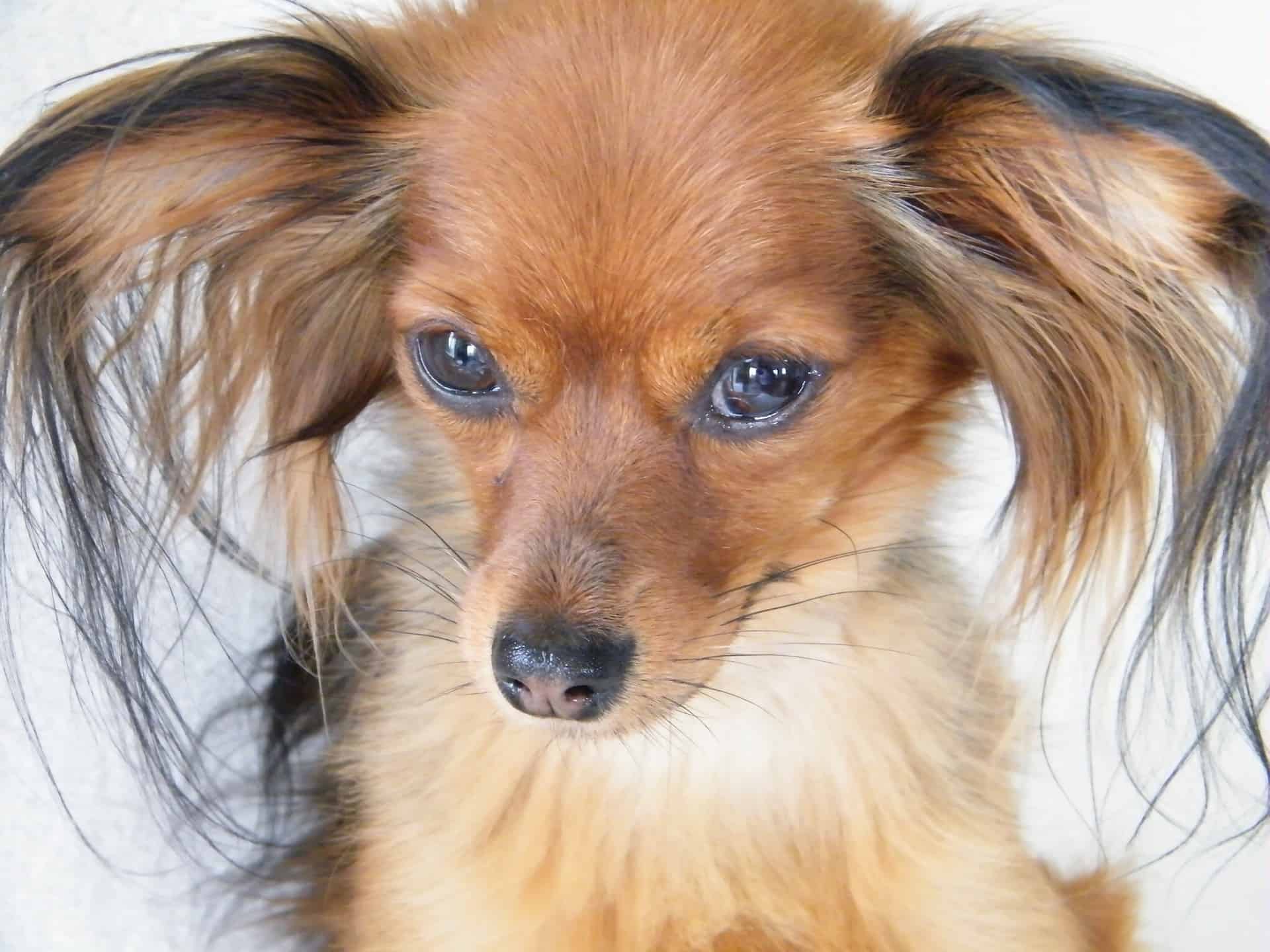
The **Russian Toy** (Russkiy Toy) is another close parallel. Like the Prague Ratter, it descends from small ratting and companion dogs that circulated among European aristocracy, and it occupies a similar size bracket. Both breeds are fine-boned, alert, and people-focused. The Russian Toy comes in smooth and long-coated varieties, adding a grooming variable absent in the Ratter.
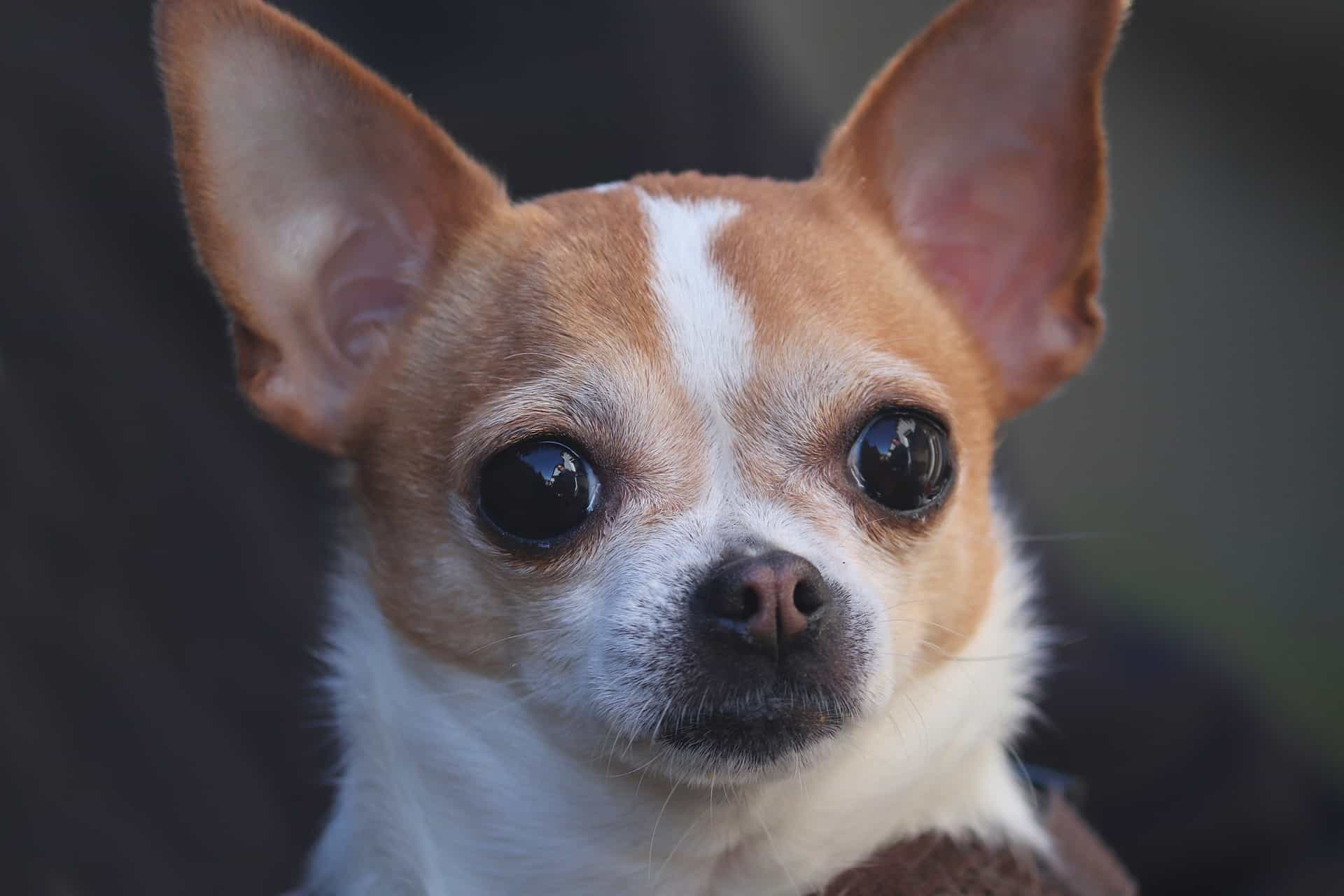
The **Chihuahua** shares the toy-dog niche and the same fierce loyalty in a tiny package. Both breeds bond tightly to one person, benefit from early socialisation to prevent wariness, and carry genuine confidence despite minimal size. The Chihuahua is the more globally common breed and comes in both smooth and long-coated forms; the Prague Ratter is rarer outside Central Europe and more uniform in coat type.