Purpose & Origin
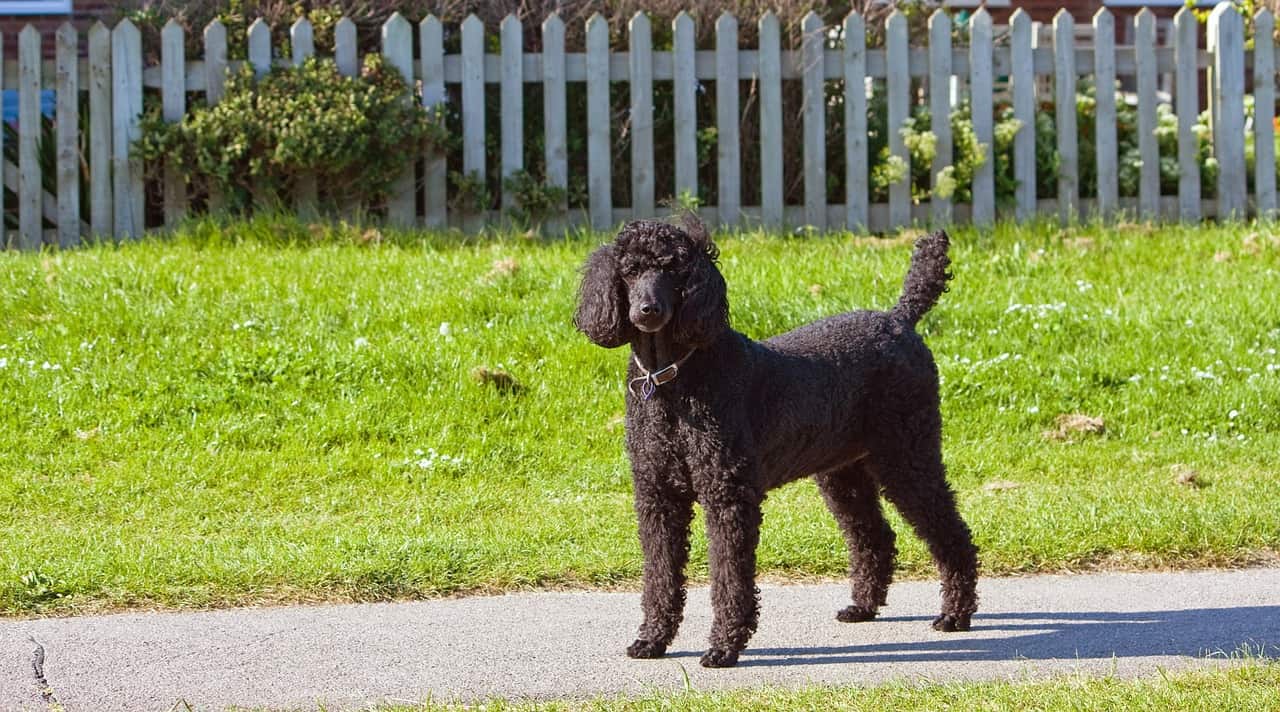
The Standard Poodle originated in Germany, not France, despite its long association with French culture. The name comes from the German "pudeln," meaning to splash in water; the French called it the Caniche, or duck dog. It was bred as a rugged water retriever built to recover waterfowl from lakes and marshes. The elaborate clip seen in show rings today has practical roots: the rear was shorn to reduce drag in water, while tufts were left at the joints and tail tip to protect against cold. It is the oldest and largest of the three Poodle varieties; the Miniature and the Toy were bred down from it.
Temperament & Behaviour
The Standard Poodle is one of the most trainable breeds, combining genuine intelligence with willingness to work with people. Alert and attentive, they make reliable watchdogs. They are affectionate with their family without being needy, and get along reasonably well with other dogs and pets. Around strangers they are measured rather than effusive. They dislike long periods alone and can develop problem behaviours if consistently isolated.
Activity & Training
Exercise requirements are substantial. Daily off-lead running or swimming combined with mental work keeps a Standard Poodle balanced. Training is a genuine pleasure: they pick up commands fast, retain them well, and enjoy the engagement. They excel in obedience, agility, tracking, and retrieval work. Positive reinforcement is the right approach; heavy-handed methods are unnecessary given their sensitivity. The original working role as a hunting retriever means stamina and focus that the groomed appearance tends to obscure.
Grooming
Grooming demands are high, the breed's most significant maintenance commitment. The dense, curly, low-shedding coat grows continuously and mats without regular brushing. Professional grooming is needed every six to eight weeks regardless of clip style. Low shedding makes the breed more tolerable for some allergy sufferers, but this is not a guaranteed hypoallergenic dog. Ear canals need regular checking, as hair growth inside the ear is common.
Health
Standard Poodles typically live 12 to 15 years and are generally healthy, but the breed carries elevated risk for specific conditions. Bloat (gastric dilatation-volvulus) is a serious concern in deep-chested dogs of this size and can be life-threatening. Addison's disease, a failure of the adrenal glands, occurs at higher rates in Standard Poodles than in most breeds and is manageable with medication once diagnosed. Hip dysplasia, eye conditions, and sebaceous adenitis, a skin disorder causing hair loss, are also documented concerns.
Why these breeds are similar
**Poodle (Miniature)** and **Poodle (Toy)** share the same breed type and ancestry, differing only in size. All three varieties have the same temperament profile, the same curly coat demands, and the same training aptitude.
**Curly Coated Retriever** is the other curly-coated gundog built for water work. It shares the retrieving heritage and athletic build, though it is more independent in temperament and more reserved with strangers.
**Portuguese Water Dog** was developed for similar work alongside fishing boats. It shares the waterproof curly coat, strong swimming ability, and high trainability, sitting close to the Standard Poodle in size range and energy level.
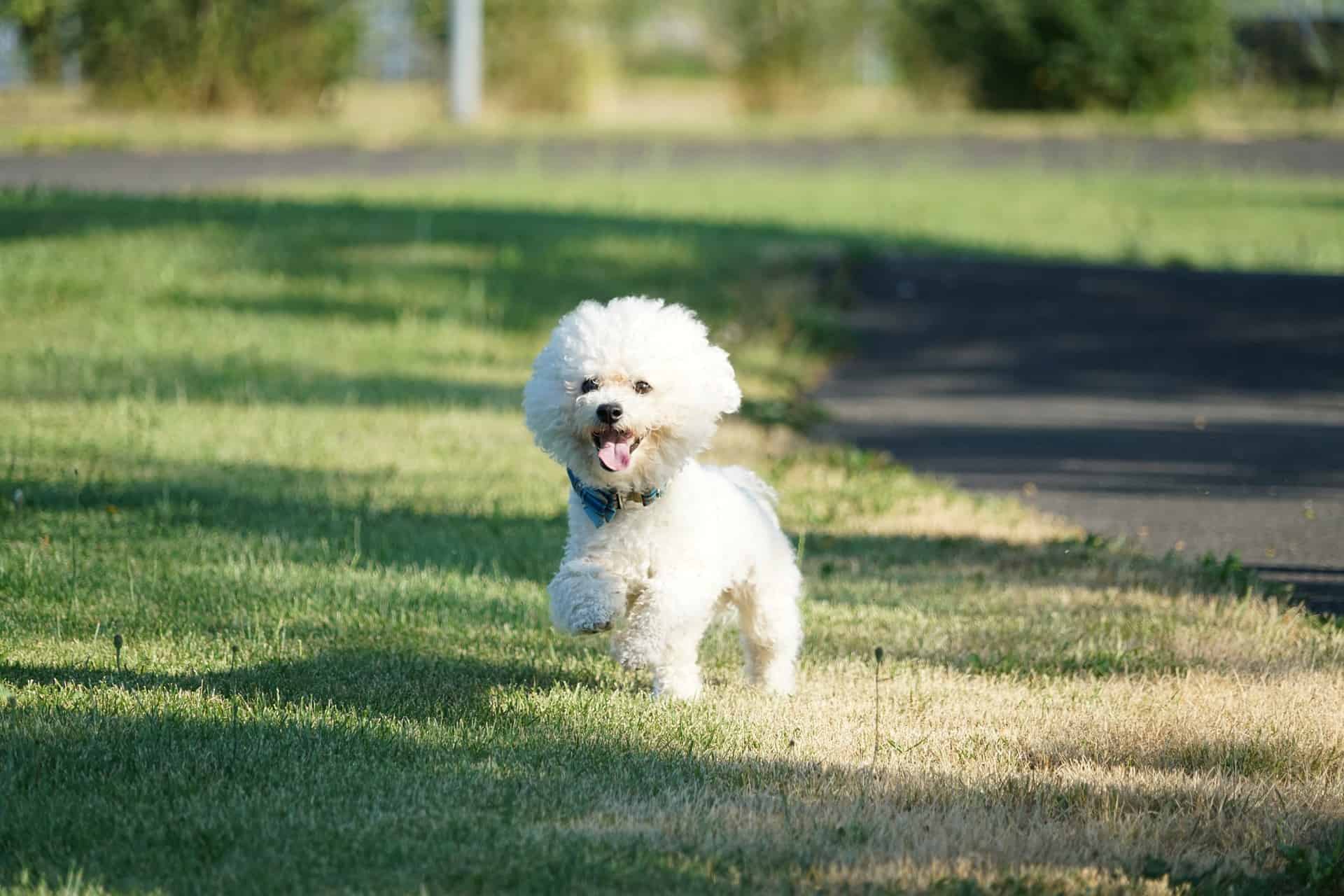
**Bichon Frise** shares the Poodle's curly, low-shedding coat and likely descends from related water spaniel stock. It is much smaller and less athletic, but coat maintenance demands and the people-oriented personality overlap.
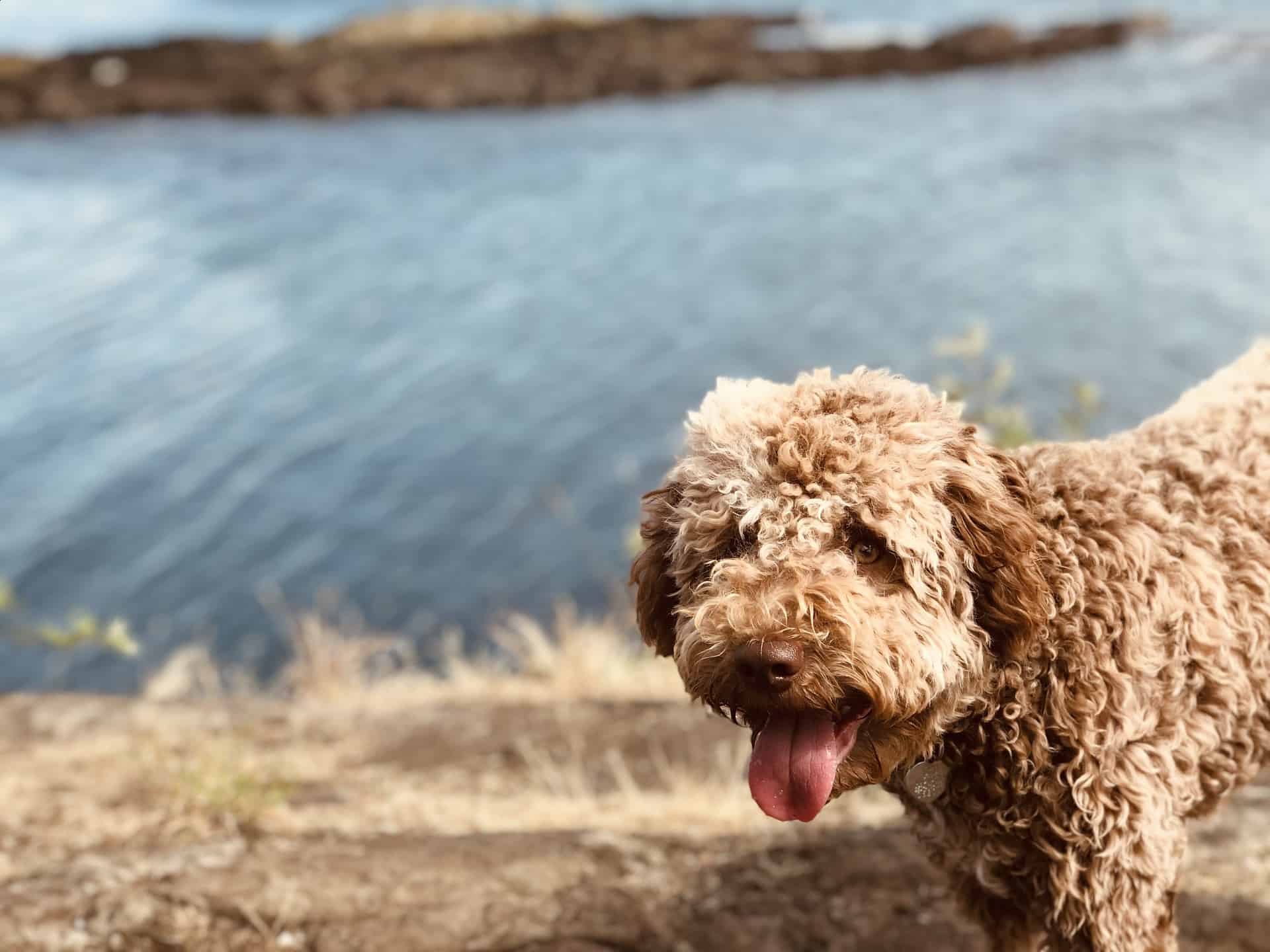
**Lagotto Romagnolo** is an Italian water dog turned truffle hunter with a dense curly coat and working-dog drive. Smaller than the Standard, but the curly coat, high trainability, and working aptitude place it in the same functional cluster.
Trait ratings
- Energy level
- 3/5
- Exercise requirements
- 4/5
- Playfulness
- 4/5
- Affection level
- 3/5
- Friendliness toward dogs
- 3/5
- Friendliness toward other pets
- 4/5
- Friendliness toward strangers
- 3/5
- Ease of training
- 5/5
- Watchdog ability
- 5/5
- Protection ability
- 4/5
- Grooming requirements
- 5/5
- Cold tolerance
- 3/5
- Heat tolerance
- 3/5