Poodle (Miniature)
From France
Purpose & Origin
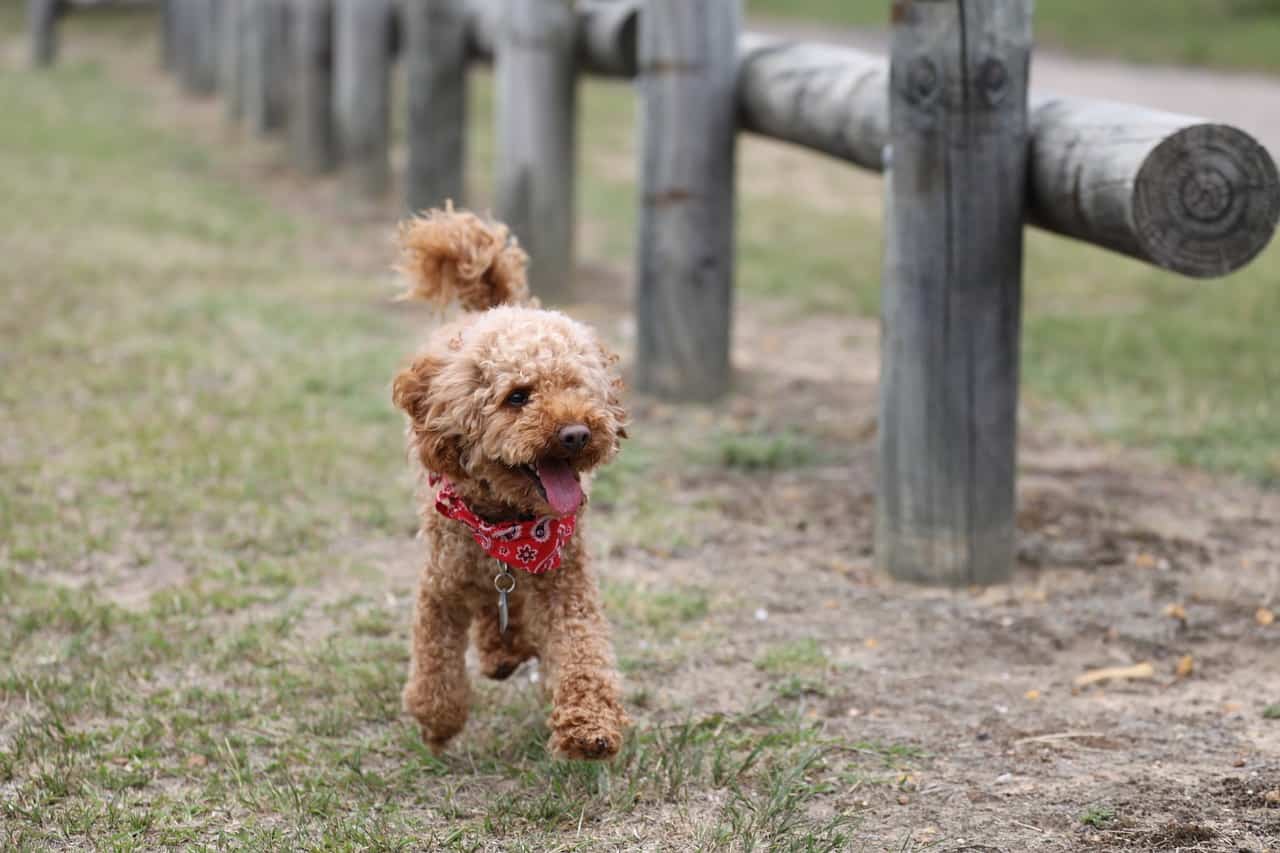
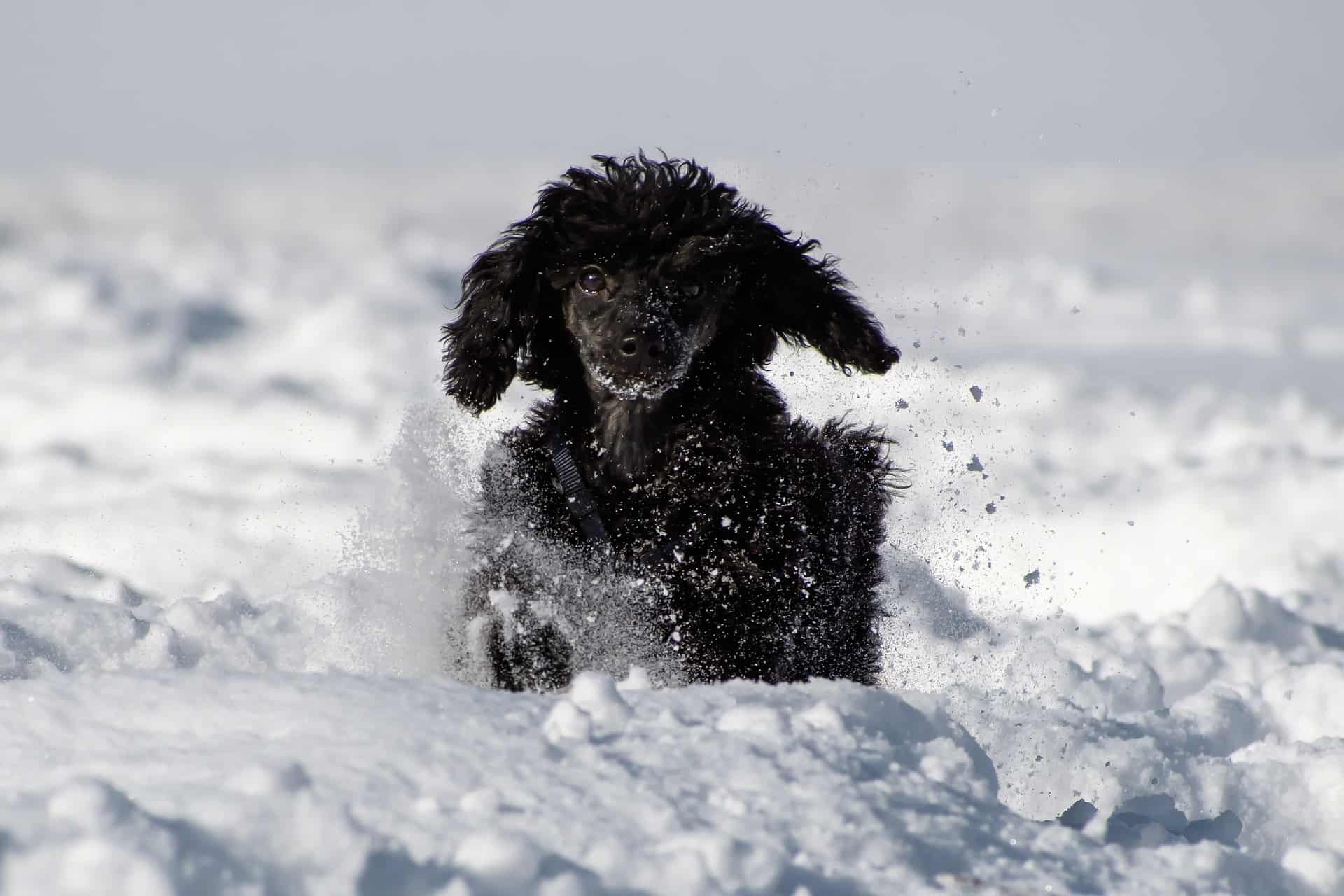
The Miniature Poodle is a size variety bred down from the Standard, which originated in Germany as a water-retrieving dog and was refined in France. The word Poodle derives from Low German for splashing in water. Breeders miniaturised the Standard because a smaller dog retained all its intelligence and trainability while fitting more easily into domestic settings.
The circus was an early motivator: the Standard's acrobatic talent translated well in a compact body easier to handle and transport. By 1907 the existing small variety was renamed "Miniature" once an even smaller Toy was produced below it. The Miniature stands up to 15 inches (38 cm) at the shoulder and weighs roughly 10 to 15 lb (4.5 to 7 kg).
Temperament & Behaviour
Alert, quick-witted, and confident in a way that seems disproportionate to its size. The Miniature is affectionate with family but not clingy, and its watchdog rating is at the top of the scale: it notices everything and announces it. It adapts its behaviour to different household members with notable nuance. With other pets it scores well; with unfamiliar dogs it tends toward measured assessment rather than instant friendliness. The circus heritage is visible daily: these dogs enjoy showing off, learn tricks readily, and are at their best when mentally engaged.
Activity & Training
Exercise needs are genuine. The Miniature Poodle scores a 4 out of 5 for exercise requirements, so two proper walks plus active play sessions are the baseline. It is athletic and takes to swimming, fetch, and agility, activities that trace to its retrieving ancestry. Training is where the breed truly excels: ease of training maxes at 5. It picks up commands quickly, responds well to positive reinforcement, and competes seriously in obedience and trick trials. Under-stimulated individuals become vocal, restless, or destructive, so mental work is not optional.
Grooming
The most demanding aspect of ownership. The coat is dense, curly, and grows continuously without shedding in the conventional sense, which suits allergy-prone households but requires daily brushing to prevent matting and professional clipping every four to six weeks. Grooming requirement scores a 5 out of 5. Ears need regular checking: the hanging flap traps moisture and the hair inside the ear canal can promote infection.
Health
A long-lived breed, typically 12 to 15 years and often beyond. Known concerns include progressive retinal atrophy, a degenerative eye condition with no cure, making DNA testing of breeding stock important. Epilepsy occurs in the breed and is manageable with medication. Addison's disease, a hormonal disorder of the adrenal glands, appears at higher rates in Poodles than most breeds and requires lifelong management if diagnosed. Hip dysplasia and luxating patella are worth screening for. Reputable breeders test for these conditions.
Why these breeds are similar
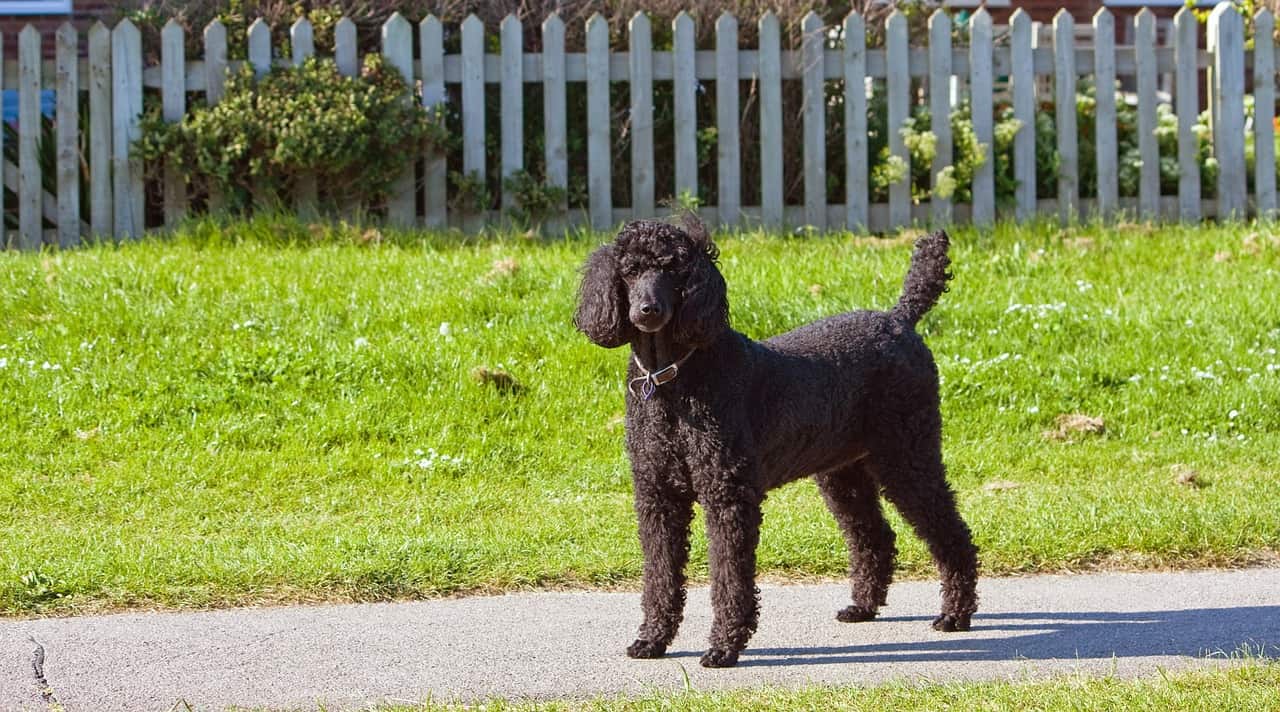
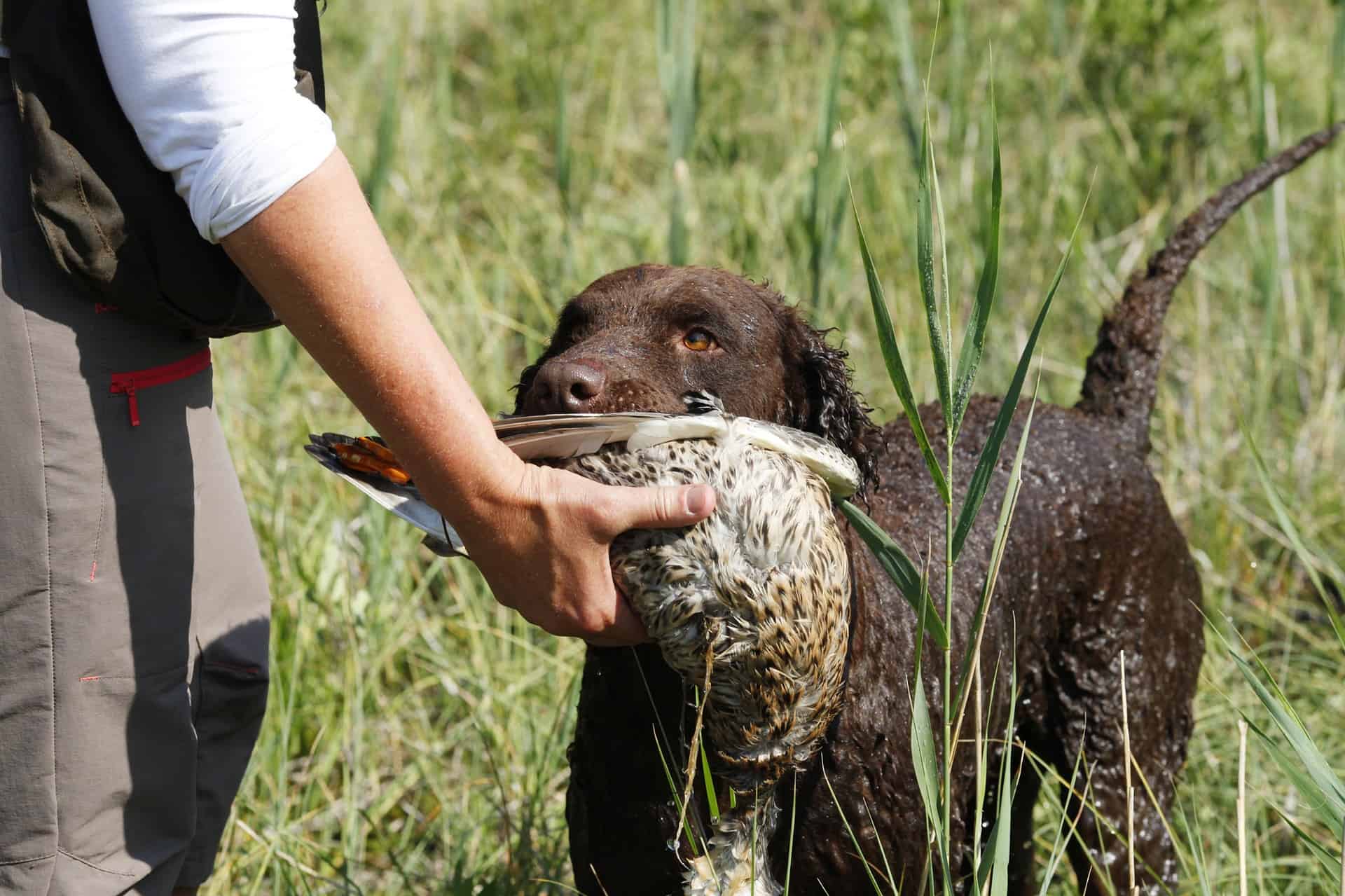
**Poodle (Toy)** is the smaller variety produced by the same breeding programme, essentially identical in coat, temperament, and trainability, differing only in size. **Poodle (Standard)** is the original from which the Miniature was scaled down, sharing every characteristic but considerably larger and purpose-bred as a working retriever. **Curly Coated Retriever** shares the dense curly coat and retrieving heritage and is similarly intelligent and athletic, though it is a much larger working dog.
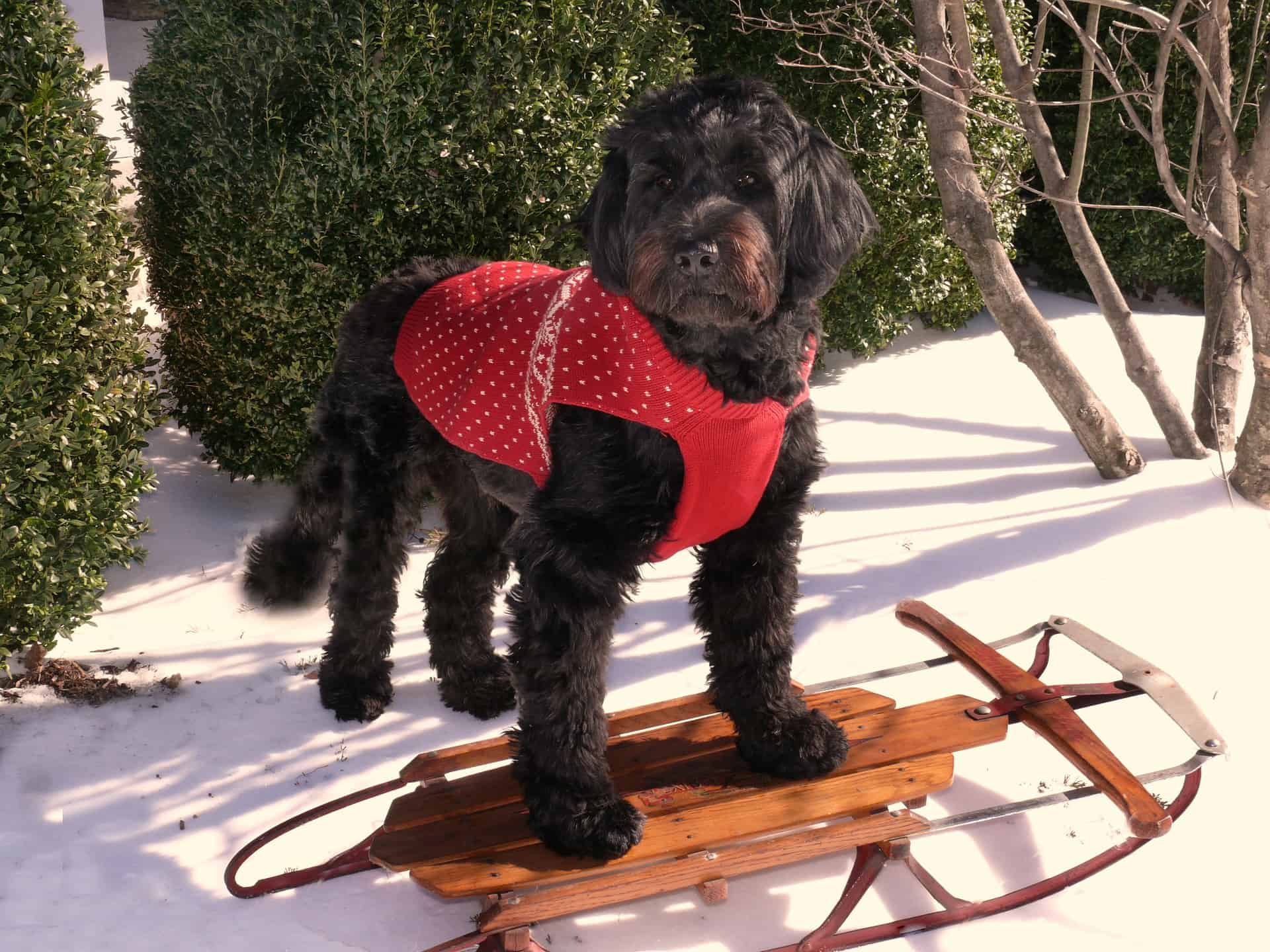
**Portuguese Water Dog** is another curly-coated water worker with comparable grooming demands and an equally sharp, energetic temperament. **Bichon Frise** shares the low-shedding coat and companion-dog role, with a playful, alert character, though it lacks the Poodle's work-drive depth. **Lagotto Romagnolo** is a curly-coated Italian water dog now used for truffle hunting; it matches the Miniature in coat type, high trainability, and need for serious mental stimulation.
Trait ratings
- Energy level
- 3/5
- Exercise requirements
- 4/5
- Playfulness
- 4/5
- Affection level
- 3/5
- Friendliness toward dogs
- 3/5
- Friendliness toward other pets
- 4/5
- Friendliness toward strangers
- 3/5
- Ease of training
- 5/5
- Watchdog ability
- 5/5
- Protection ability
- 4/5
- Grooming requirements
- 5/5
- Cold tolerance
- 3/5
- Heat tolerance
- 3/5