Irish Wolfhound
From Ireland
Purpose & Origin
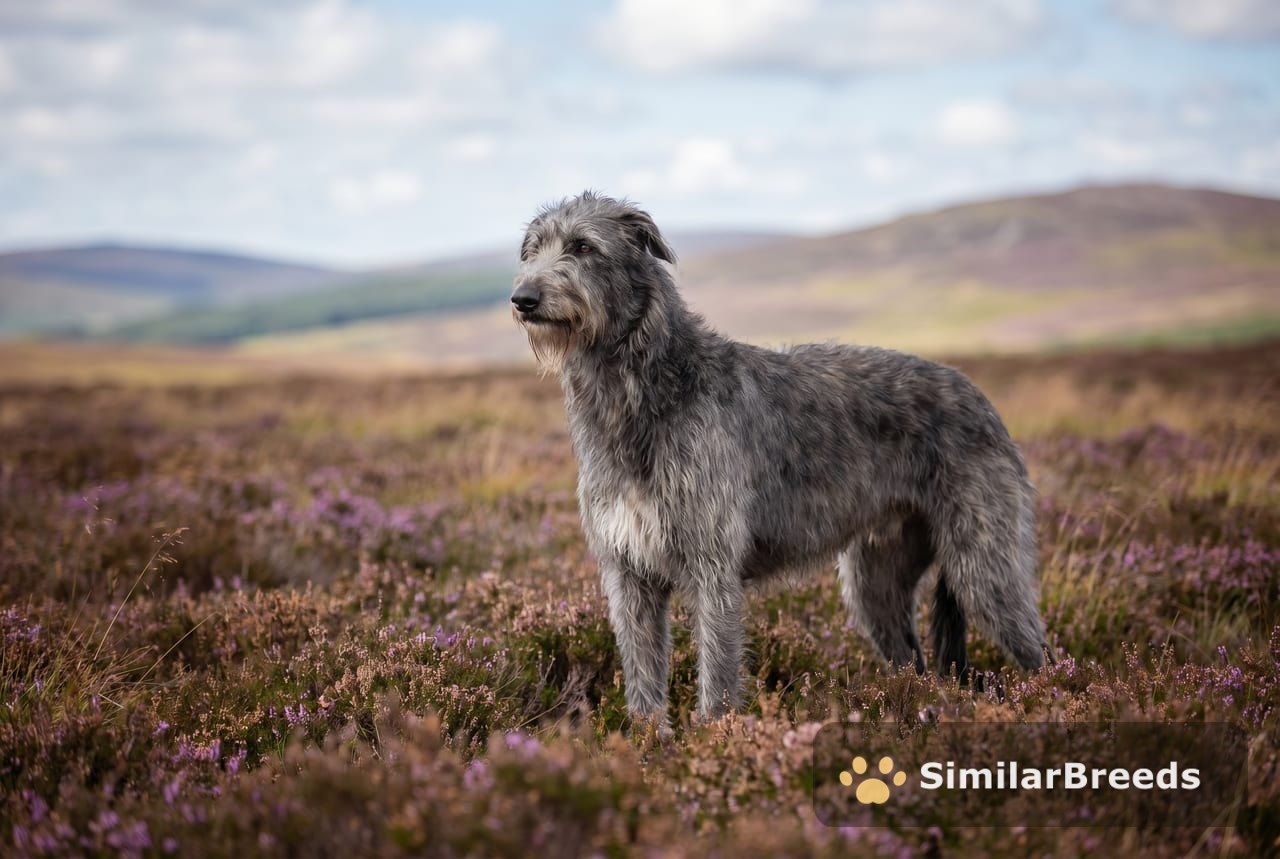
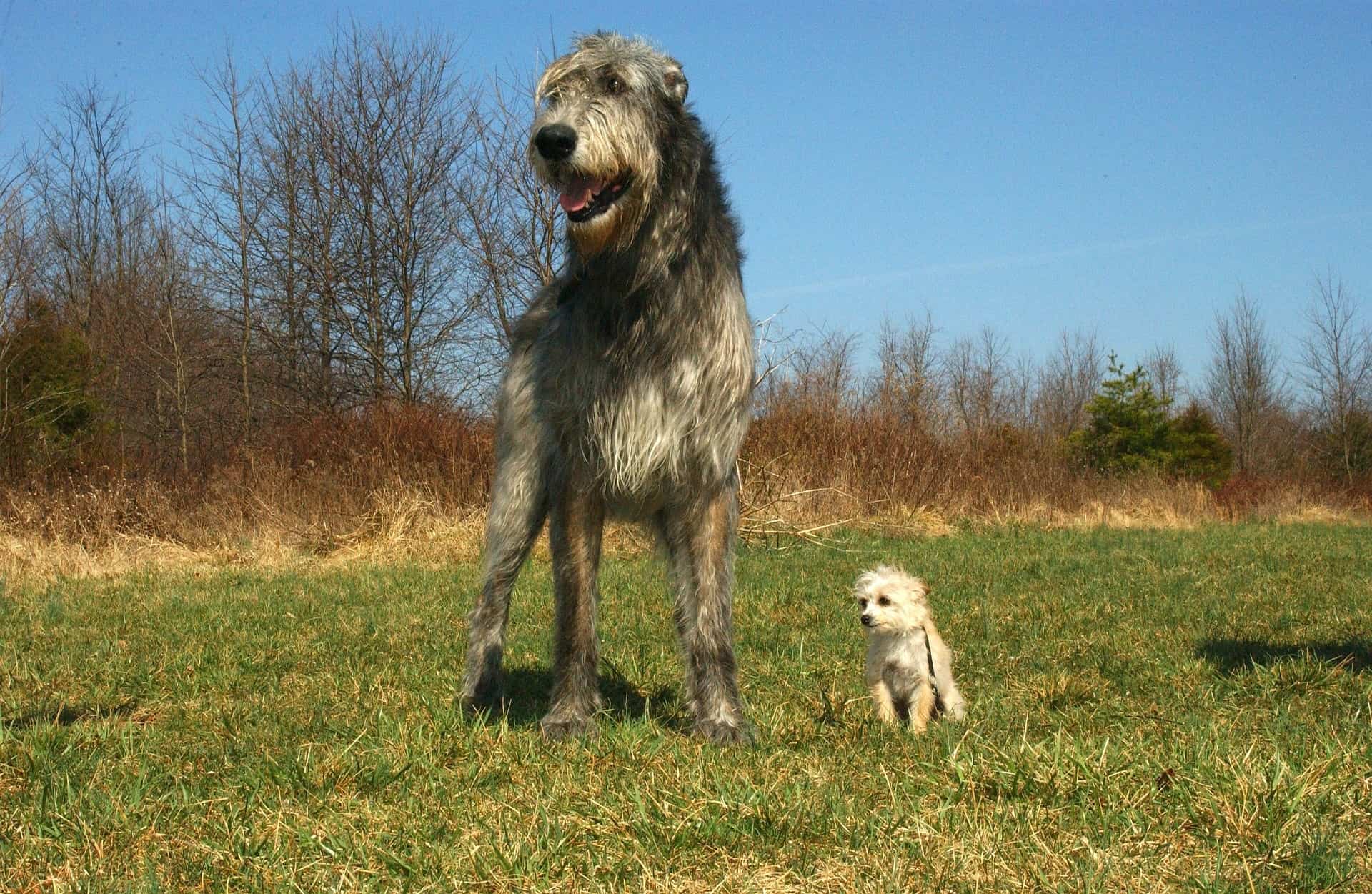
The Irish Wolfhound is the tallest of all dog breeds, a sighthound purpose-built to course wolves and Irish elk across open ground. Dogs of this general type reached Ireland from Greece around 1500 BC, and in Ireland they grew even larger. By AD 391 the Romans were writing about them, impressed by their size and their performance in arena combat against wild animals. For centuries Irish chieftains kept them as status gifts for foreign royalty, a practice so common it eventually helped thin their numbers.
When the wolf disappeared from Ireland in the eighteenth century, the wolfhound's original purpose vanished with it, and by the famine years of 1845 the breed was nearly gone. Captain G.A. Graham began a reconstruction effort in 1869, working from the handful of surviving dogs and crossing in Scottish Deerhound, Great Dane, Borzoi, and Tibetan Wolfdog blood. The breed he produced is what stands in the show ring today.
Temperament & Behaviour
The phrase "gentle giant" fits this breed better than almost any other. The Irish Wolfhound is calm, patient, and sweet-natured, with none of the sharp edge you might expect from a dog that once pulled down wolves. It is good with children, tolerant of other pets and dogs, and genuinely friendly toward strangers, which makes it a poor deterrent despite its size.
Courage is there when the situation demands it, but this is not a reactive or excitable dog. Around the house it is easygoing and undemanding, content to rest at length on a soft surface. Its sensitivity means harsh handling backfires; this is not a breed that responds well to pressure.
Activity & Training
Exercise requirements are moderate for such a large dog: a daily walk plus room to stretch its legs is the baseline. At home it needs space to lie out fully; cramped quarters and hard floors cause callouses over time. Training is possible but requires patience. With an ease-of-training score on the low side, this breed leans independent and can be slow to engage, so sessions need to stay short and reward-based. Heat is a serious concern given its low heat tolerance; outdoor exercise in warm weather should be managed carefully.
Grooming
The rough, wiry coat needs brushing or combing once or twice a week to stay presentable, with occasional scissoring to tidy straggly hair around the edges. Dead coat should be stripped out by hand twice a year rather than clipped, which keeps the correct harsh texture intact. Grooming demands are real but not excessive for a dog this size.
Health
The Irish Wolfhound carries a heavy health burden for such a noble animal. Gastric torsion (bloat) is a major risk given the deep chest, and osteosarcoma (bone cancer) and elbow dysplasia are primary concerns. Cardiomyopathy and hip dysplasia also appear in the breed. Life expectancy is short, typically five to seven years, which prospective owners must weigh honestly. The breed is sensitive to barbiturate anesthesia, and any vet treating one needs to know this. Tail-tip injuries are a minor but recurring nuisance.
Why these breeds are similar
The **Scottish Deerhound** is the Irish Wolfhound's closest relative, both in history and in form. Graham used Deerhound crosses extensively in the nineteenth-century reconstruction, and the two breeds share the same rough coat, coursing build, and quiet, gentle temperament. The Deerhound is simply the Scottish version of the same ancient idea.
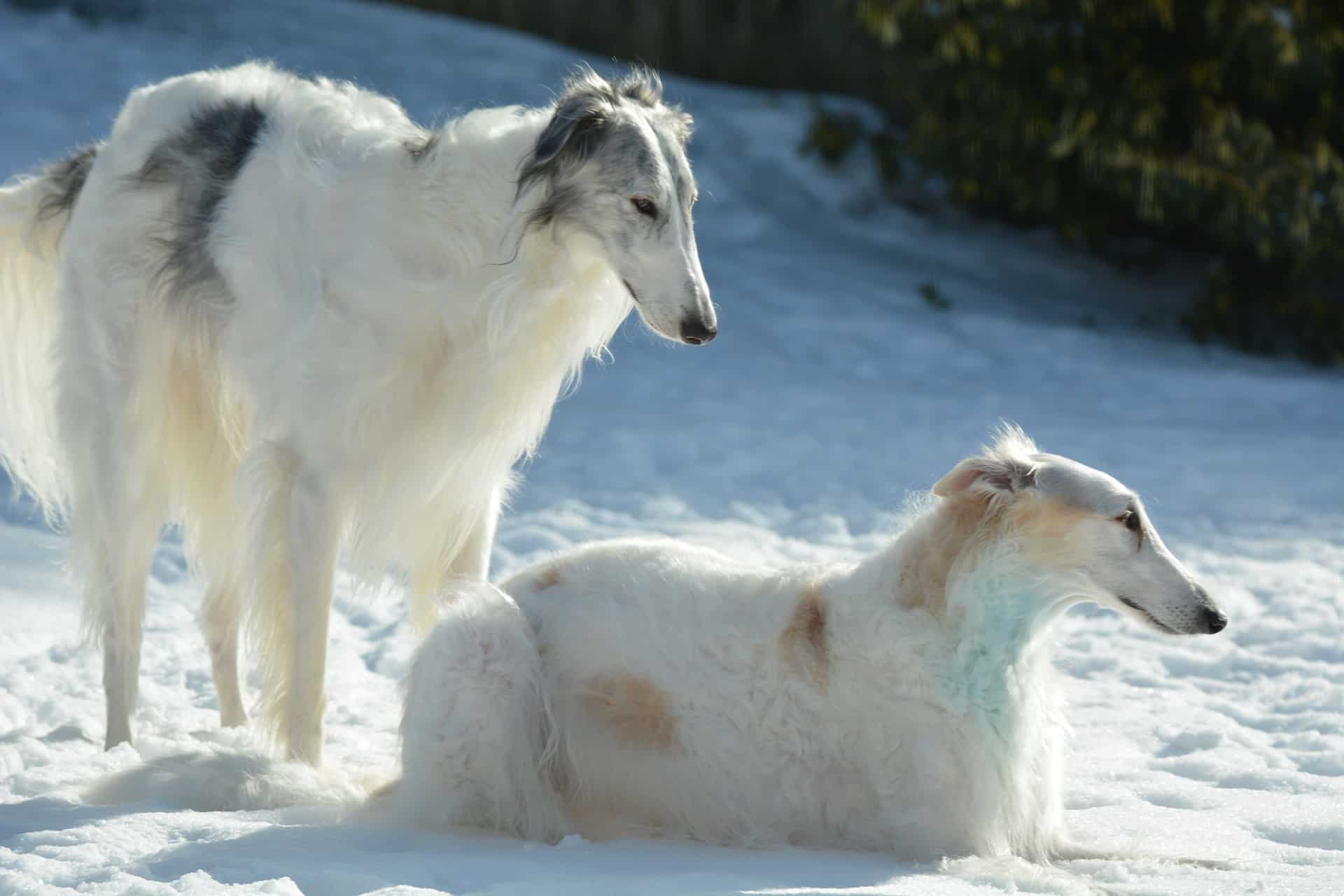
The **Borzoi** is another sighthound that hunted large game, in this case wolves on the Russian steppe. It shares the Irish Wolfhound's long-legged speed, independent temperament, and calm demeanor indoors, though it carries a silky coat rather than a wiry one and runs noticeably leaner.
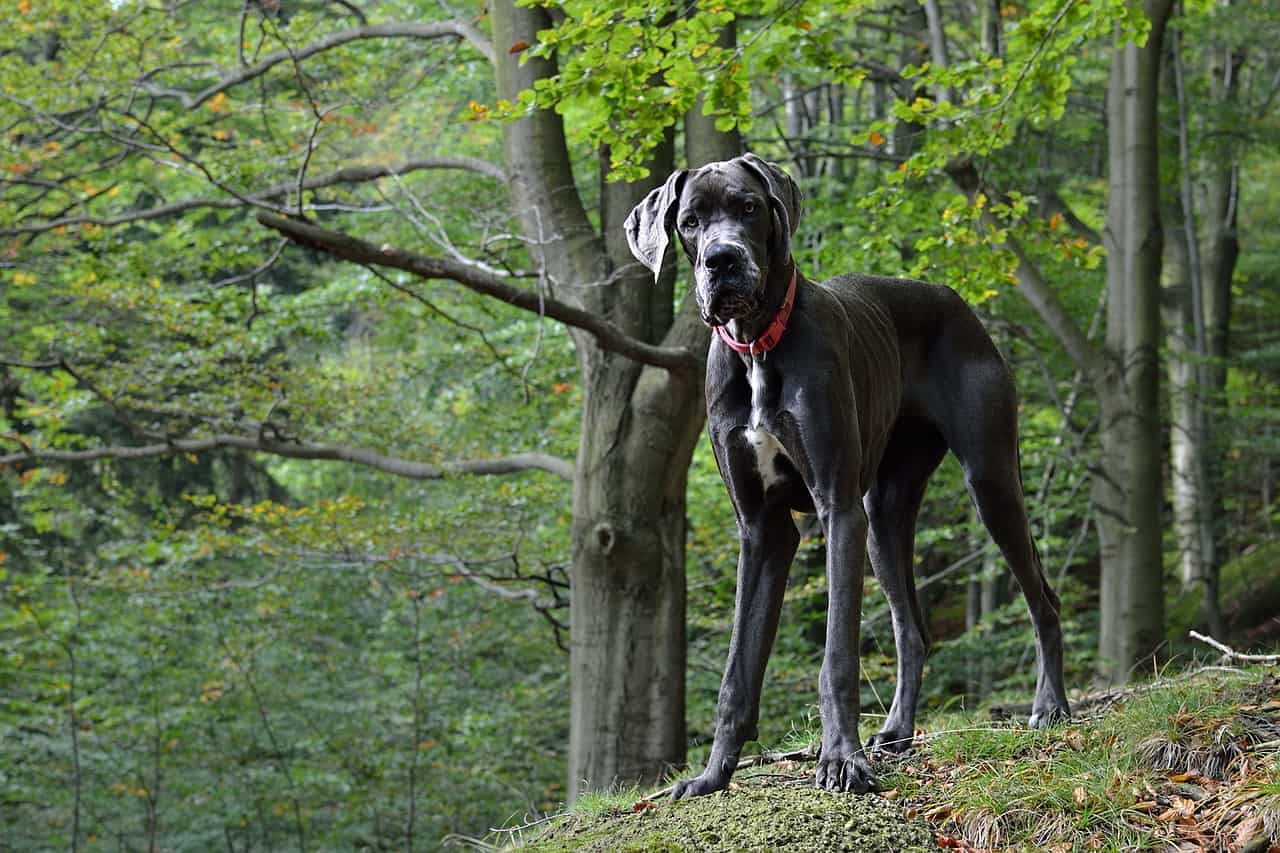
The **Great Dane** connects through both history and scale. Graham crossed Great Dane into his reconstruction program, and the two breeds share the giant-dog profile, the deep chest that demands careful management of bloat risk, and the same gentle, affectionate character that sits oddly at odds with their imposing physical presence.
Trait ratings
- Energy level
- 1/5
- Exercise requirements
- 3/5
- Playfulness
- 1/5
- Affection level
- 3/5
- Friendliness toward dogs
- 3/5
- Friendliness toward other pets
- 3/5
- Friendliness toward strangers
- 3/5
- Ease of training
- 2/5
- Watchdog ability
- 3/5
- Protection ability
- 2/5
- Grooming requirements
- 3/5
- Cold tolerance
- 4/5
- Heat tolerance
- 1/5