Irish Terrier
From Ireland
This gorgeous breed originated in Ireland and is said to have a lengthy past, but its original predecessors are unclear. The Irish Terrier has a lovely character and can be relied with kids, but it can be aggressive with other dogs outdoors.
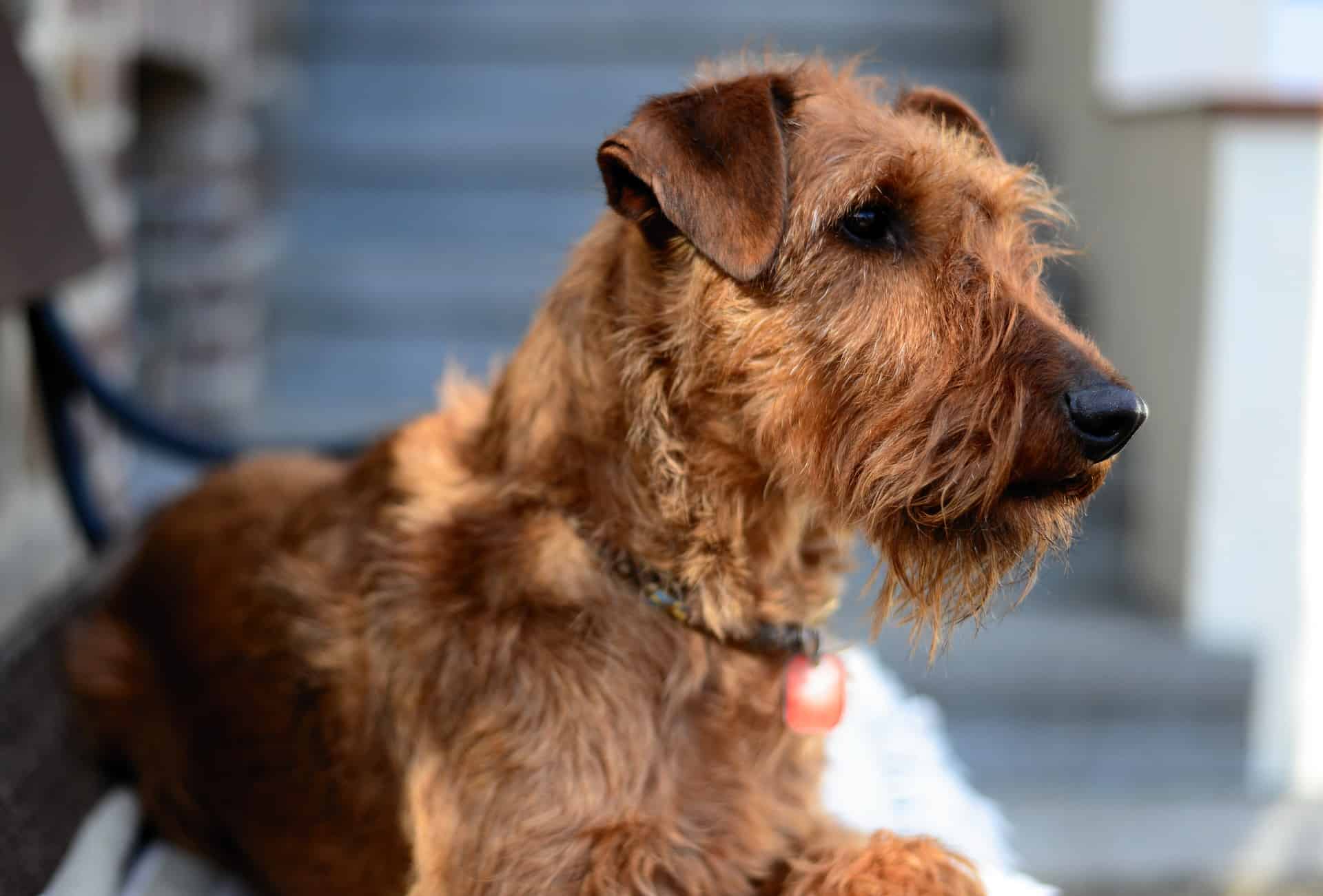
Purpose & Origin
The Irish Terrier is among the oldest of the long-legged terriers, tracing its roots to Ireland in the 1700s. Its precise ancestry is unrecorded, but it likely descended from the old Black and Tan Terrier and a solid wheaten-coloured terrier used across Ireland to hunt fox, otter, and vermin. Some have speculated a connection to the Irish Wolfhound, given a certain physical resemblance. Early specimens came in black and tan, grey, and brindle; by the late nineteenth century, the solid red coat had become the breed's defining mark.
The Irish Terrier first appeared in the show ring in 1875 and climbed to become the fourth most popular breed in England by the 1880s. In 1889, the Irish Terrier Club of England banned ear cropping in the breed, a decision that ultimately triggered the broader abolition of the practice across all breeds shown in England. The breed reached thirteenth in American popularity by the late 1920s and served as messenger and sentinel in World War I. Today it is uncommon on both sides of the Atlantic.
Temperament & Behaviour
"Daredevil of dogdom" is the breed's traditional epithet, and it earns it. The Irish Terrier is brash, bold, and perpetually ready for action, combining strong-willed independence with genuine playfulness. It tends to be reserved around strangers and is reliably aggressive toward other dogs and small animals. This is not a breed that backs down or defers. With the people it knows, it is loyal and entertaining, but it is not notably affectionate and will not simply settle for an easy life indoors. First-time dog owners who want a biddable companion will find the Irish Terrier a frustrating mismatch.
Activity & Training
Daily physical and mental exercise is non-negotiable. The Irish Terrier makes an able jogging or hiking partner and takes well to active fieldwork. A hard play session can substitute when longer outings are not possible, but skipping exercise altogether produces a destructive and difficult dog. Training this breed requires patience and a sense of humour. Ease of training scores at the bottom of the scale, reflecting a strong-willed character that has no particular interest in compliance for its own sake. Consistent, low-pressure sessions with clear expectations work better than repetitive drilling. A securely fenced yard is essential; this is a breed that chases, explores, and will not stop to reconsider.
Grooming
The wire coat demands more attention than most terrier owners expect. Weekly combing (once or twice) keeps the coat from matting, and the coat needs scissoring or shaping two to four times a year. Show dogs require hand-stripping to maintain correct texture and the breed's characteristic deep red colour. Clipping softens the coat and dulls the colour over time, which matters less for pets but is worth knowing before choosing a groomer. Some shaping of the ears in puppyhood is needed to encourage the correct adult fold.
Health
The Irish Terrier is a robust breed with a life span of 12 to 15 years and no major health concerns identified. Minor issues include urinary stones, and cataracts and hypothyroidism appear occasionally. No specific genetic tests are currently recommended for the breed.
Why these breeds are similar
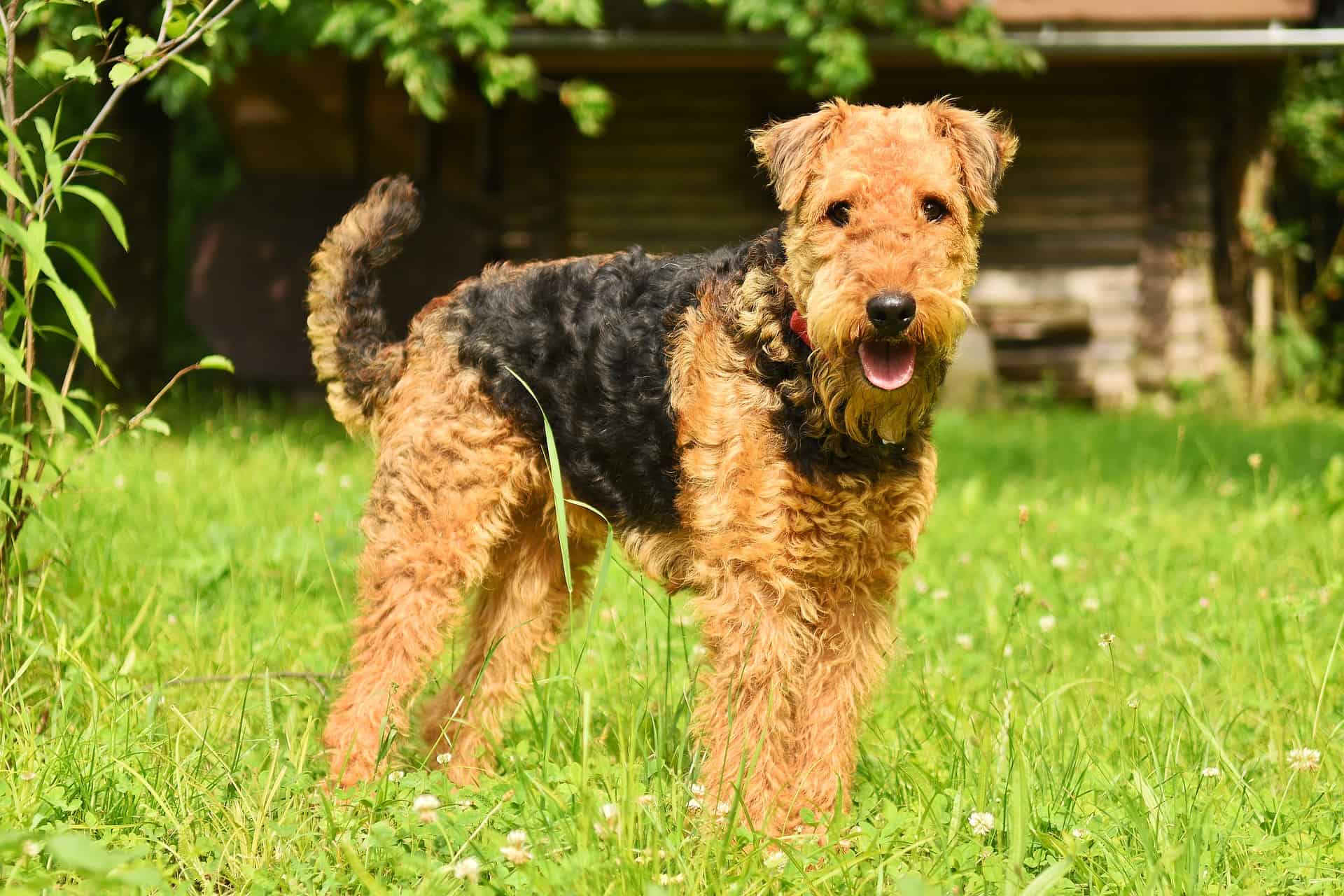
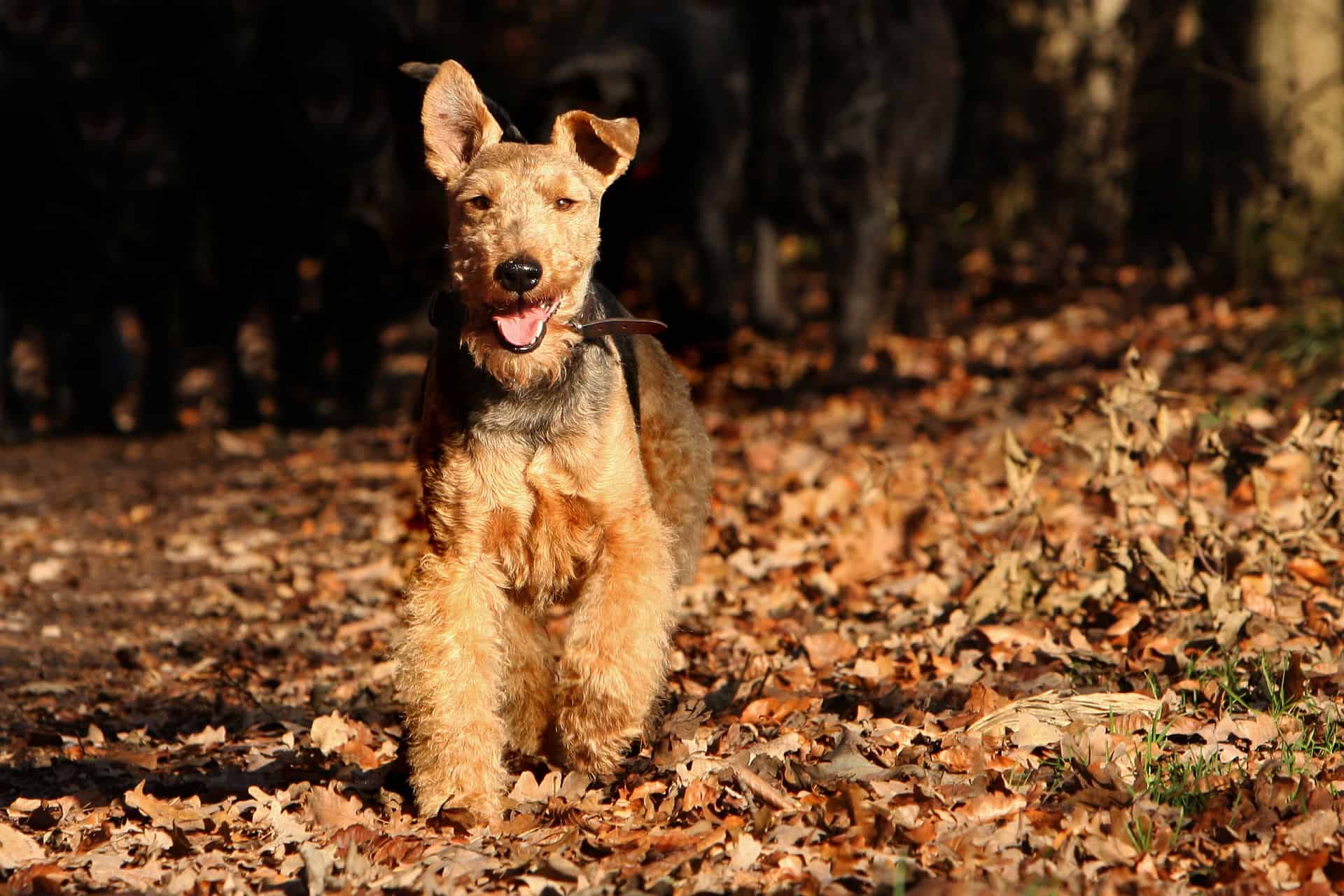
The Airedale Terrier shares the Irish Terrier's long-legged, racy build and its heritage as a versatile working terrier equally at home on land or near water. Both breeds are assertive, independent, and built for honest work. The Welsh Terrier is the closest structural cousin, a medium-sized wire-coated terrier of similar origins and comparable temperament, though in a more compact frame.
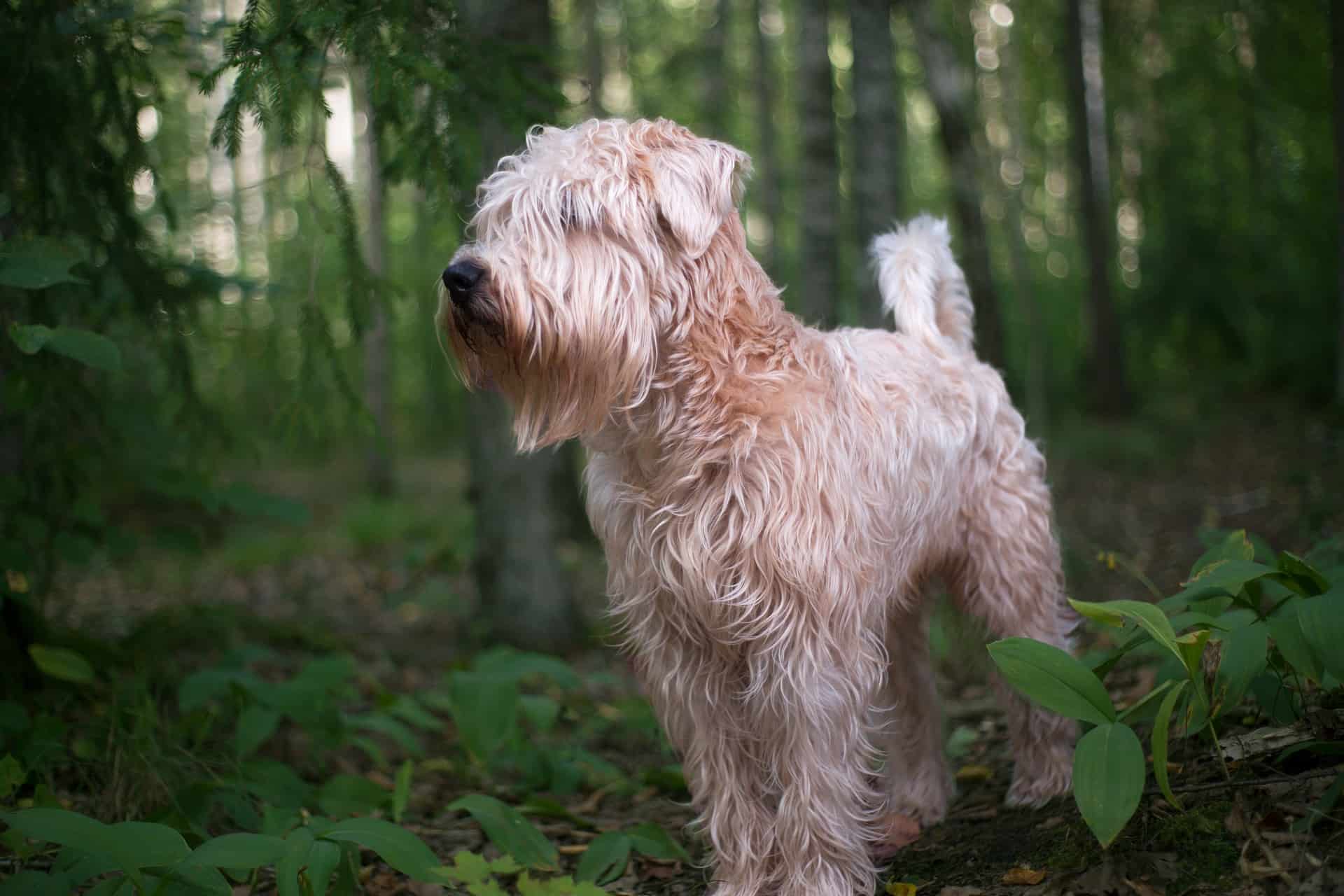
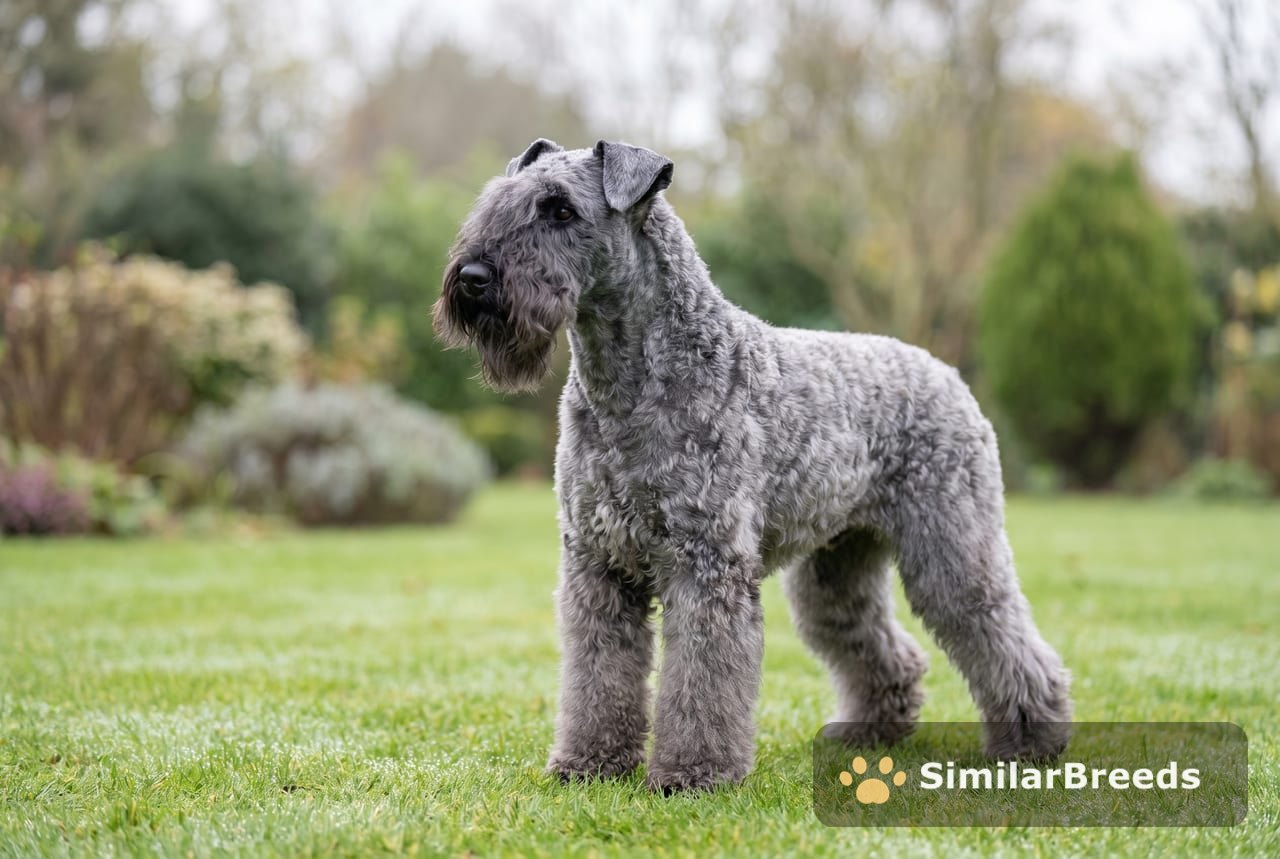
The Kerry Blue Terrier and Soft Coated Wheaten Terrier are the other Irish members of this group, all three bred on the same island for the same general purpose and sharing that stubborn, spirited terrier character. The Kerry Blue is the most combative of the three; the Wheaten is the softest, with a silkier coat and a marginally warmer manner with strangers.
Trait ratings
- Energy level
- 3/5
- Exercise requirements
- 3/5
- Playfulness
- 5/5
- Affection level
- 2/5
- Friendliness toward dogs
- 1/5
- Friendliness toward other pets
- 1/5
- Friendliness toward strangers
- 2/5
- Ease of training
- 1/5
- Watchdog ability
- 5/5
- Protection ability
- 4/5
- Grooming requirements
- 4/5
- Cold tolerance
- 3/5
- Heat tolerance
- 3/5