Icelandic Sheepdog
From Iceland
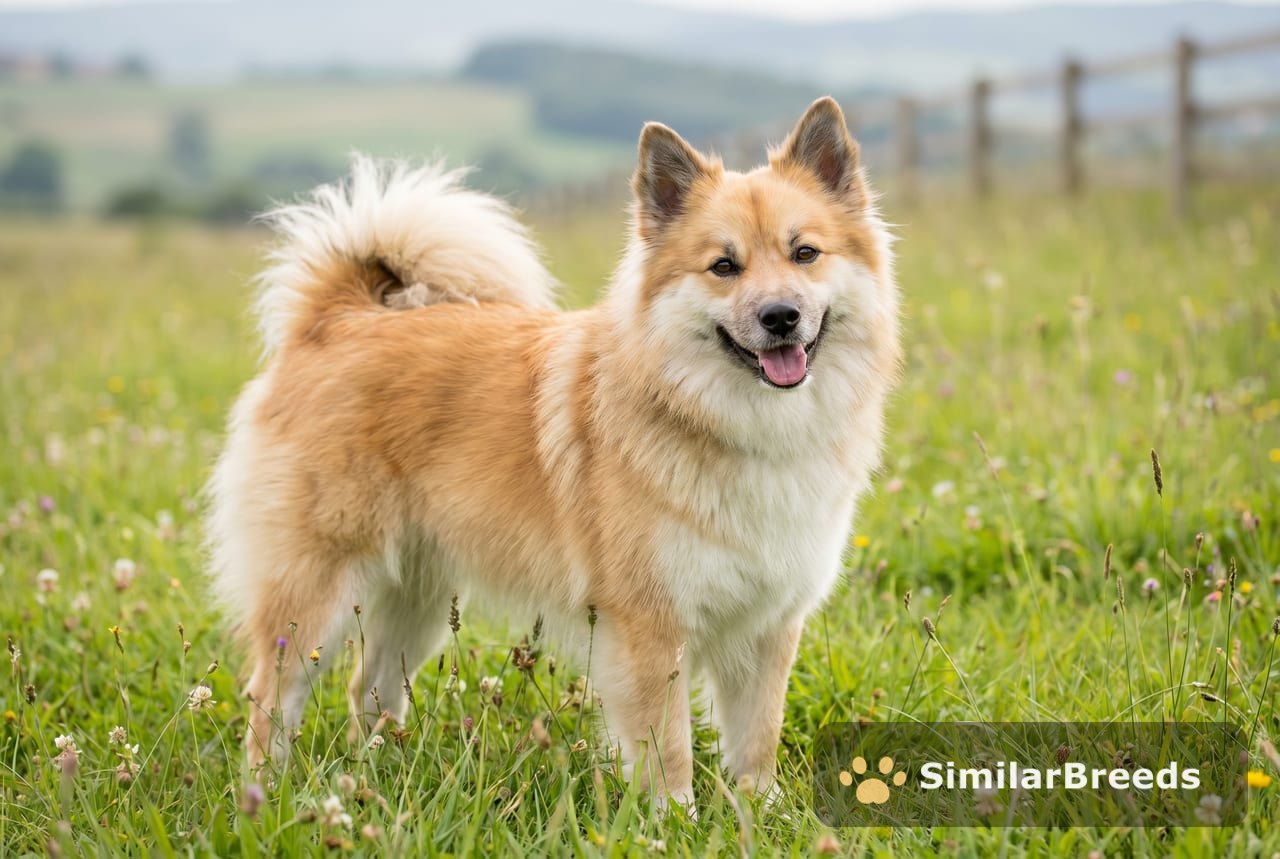
Purpose & Origin
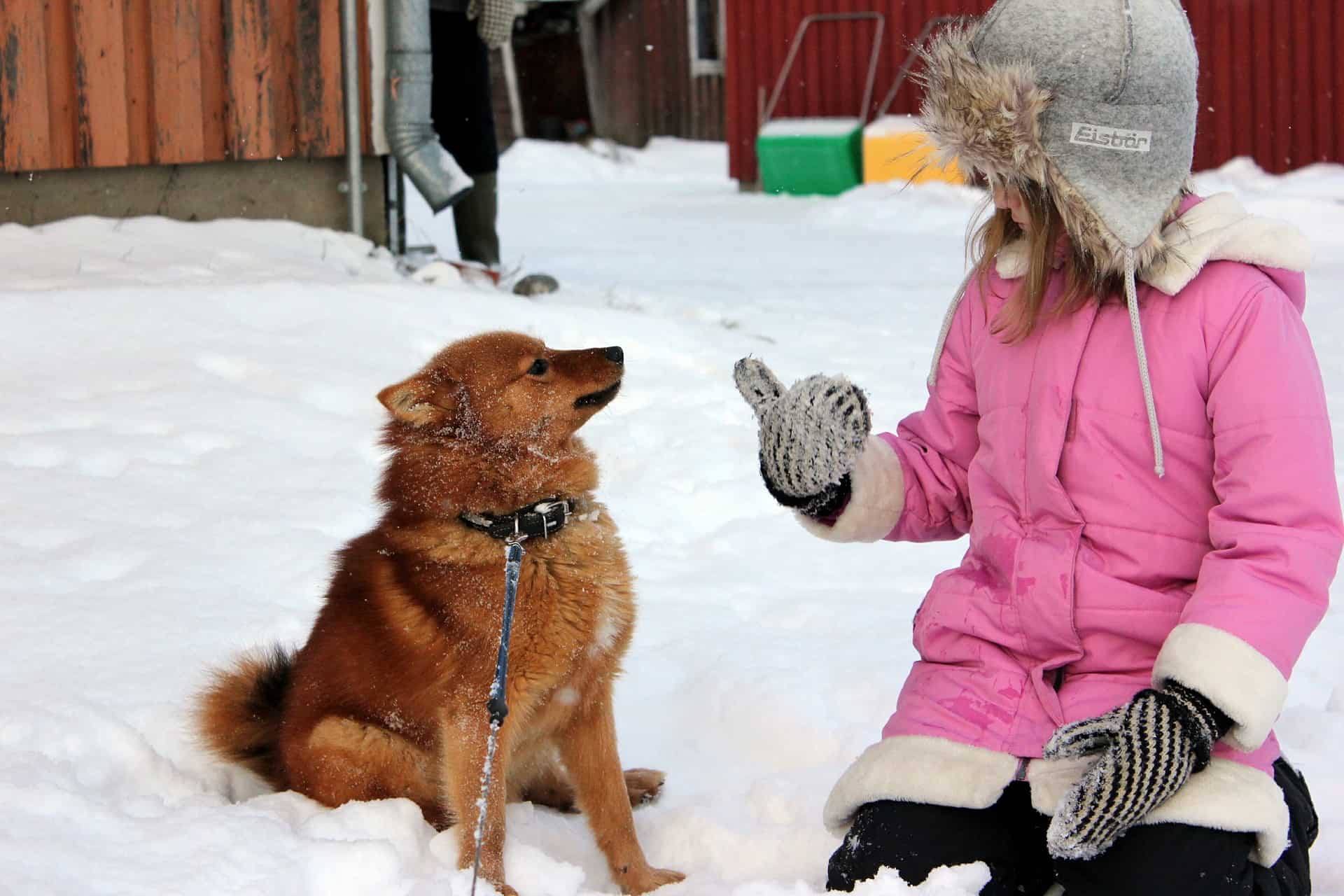
The Icelandic Sheepdog arrived in Iceland around 874 AD, carried there by Norwegian Vikings, which is why it earned the informal title "dog of the Vikings." DNA work connects it closely to the Karelian Bear Dog, suggesting a shared northern heritage. On Iceland's difficult terrain it worked cattle, sheep, and horses, and developed the independence needed to function away from direct human supervision. The breed endured catastrophic population crashes during famines, when only the most capable animals were kept alive. By the Middle Ages it had acquired enough prestige to be exported to England as an aristocratic pet, and it was notable enough to receive a mention in Shakespeare.
A dog tax in 1869 and subsequent crossbreeding nearly destroyed the original type entirely. A 1950s census found only a handful of typical specimens. Serious preservation efforts through the Icelandic Kennel Club, formed in 1969, eventually saved the breed, and the AKC granted recognition in 2010.
Temperament & Behaviour
This is an alert, enthusiastic dog that treats the people around it as the center of its world. It is notably open with strangers, relaxed with other dogs, and tolerant of other pets to an unusual degree. The flip side of that independence that served it in the field is a willingness to override commands when it has decided it knows better, so owners should expect a dog that thinks for itself. It barks readily when aroused or curious, and that watchdog instinct is strong even though it has no meaningful guarding drive.
Activity & Training
These are active dogs that thrive in cold weather and need consistent daily exercise. They do well in obedience, agility, and other structured activities that give them a mental outlet alongside the physical one. Indoors, they settle reasonably well even after a missed session. Training goes smoothly when it is consistent and engaging; the ease-of-training score is solid, but the breed's independent streak means dull repetition invites creative noncompliance. Positive, varied work keeps them willing.
Grooming
The double coat sheds heavily, with two major seasonal blowouts per year on top of routine shedding. Short-coated individuals need roughly fifteen minutes of brushing per week; the long coat demands around an hour. Regular brushing and bathing manage the loose hair before it migrates throughout the house. This is not a low-maintenance coat.
Health
The main documented concern is canine hip dysplasia, and hip screening is the suggested test before breeding. Cryptorchidism appears occasionally. Life expectancy runs eleven to fourteen years, which is reasonable for a spitz of this size.
Why these breeds are similar
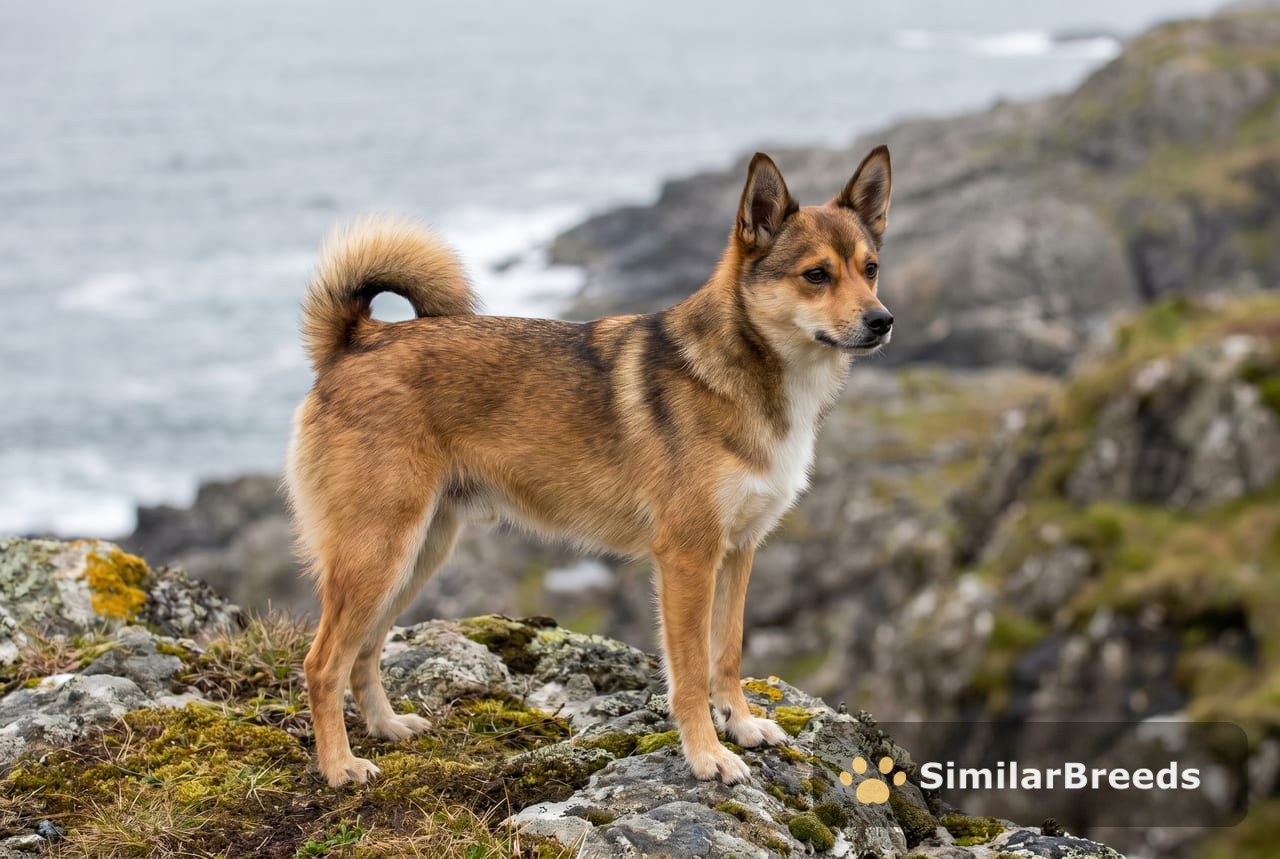
The **Finnish Spitz** shares the Nordic spitz build, the sharp bark reflex, and the same eagerness around people, though it was refined for hunting birds rather than herding livestock. The **Norwegian Lundehund** is another ancient Icelandic-region spitz, bred for a specific working job on rugged northern terrain, and it carries the same compact frame and alert, curious character.
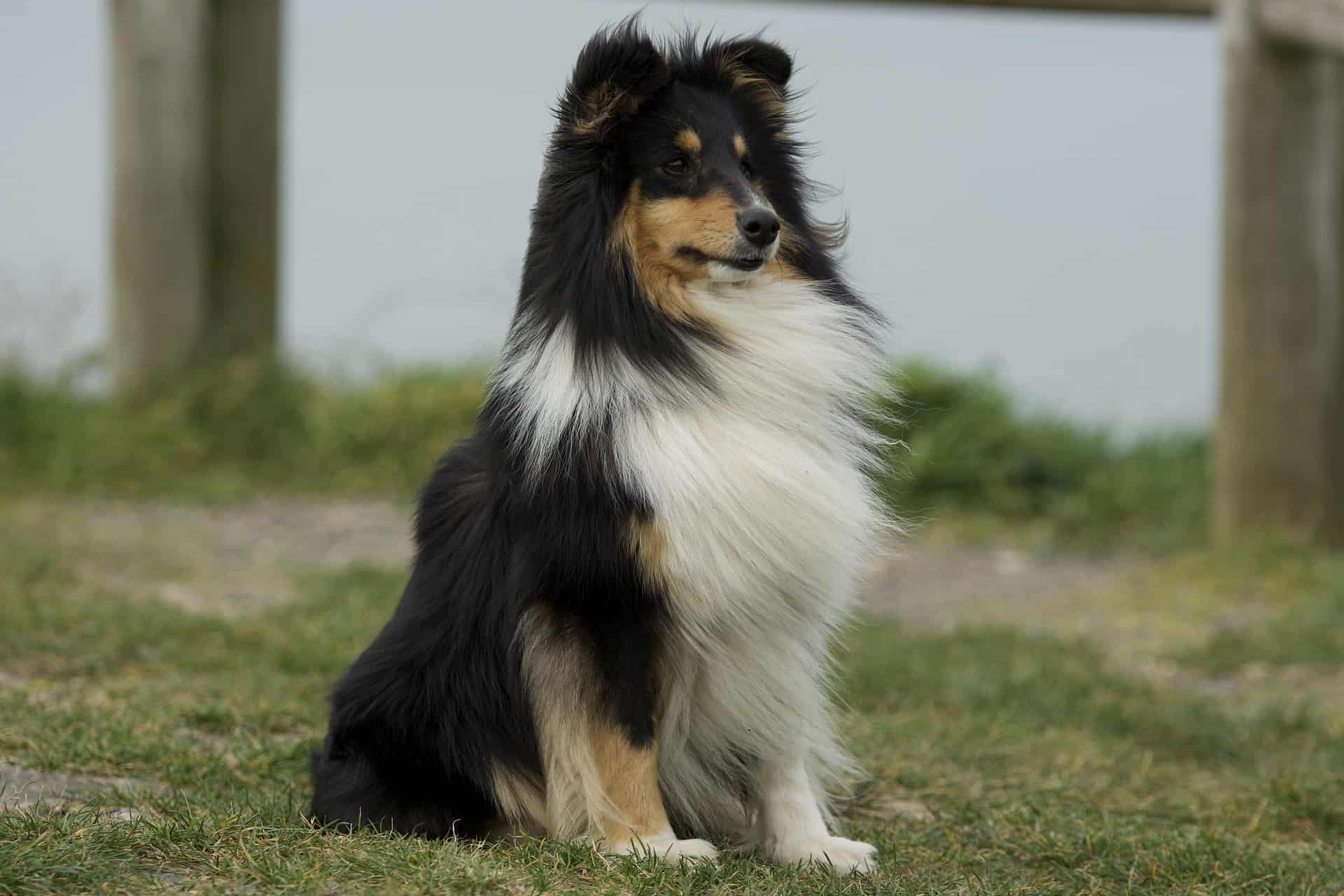
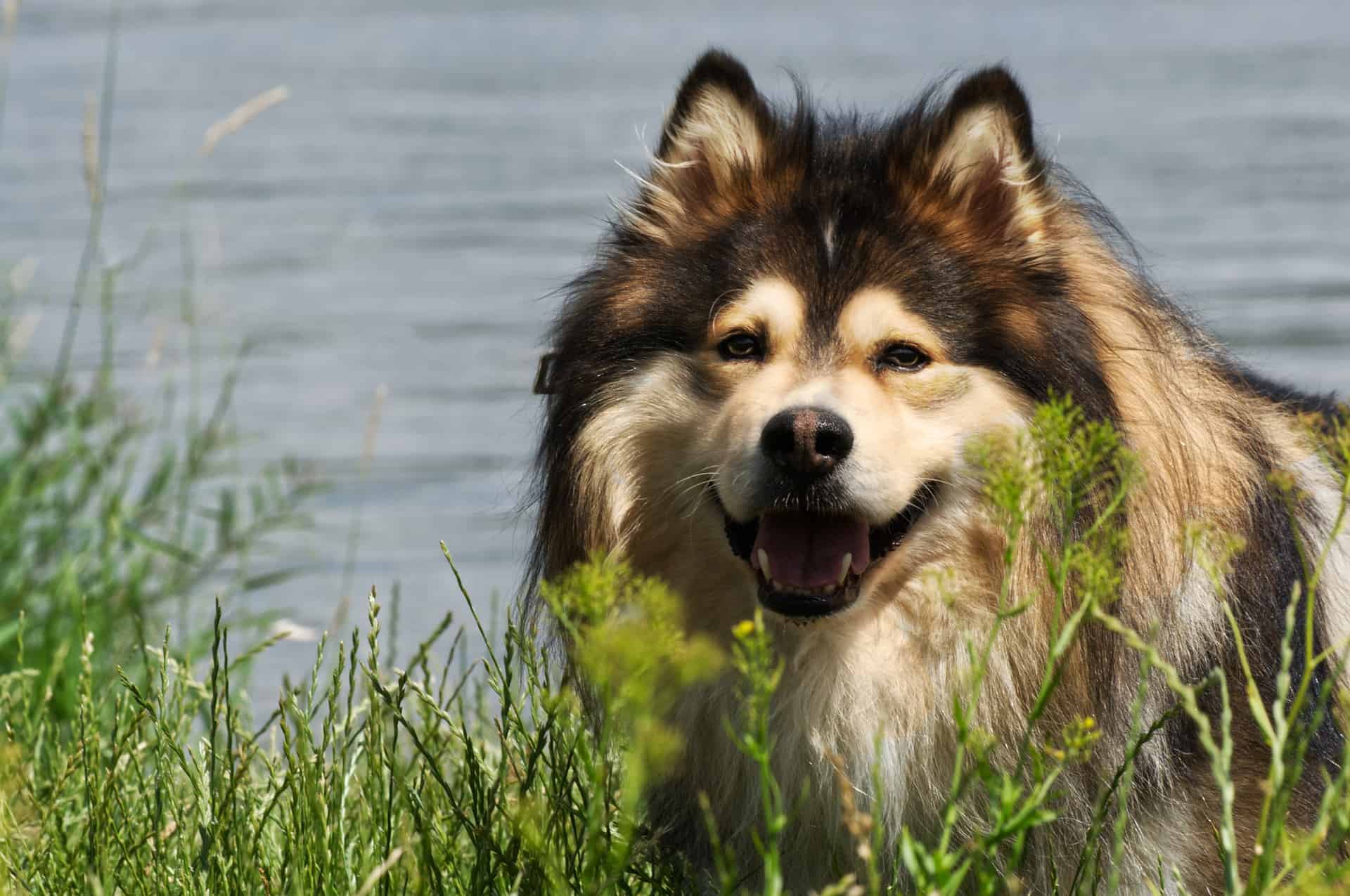
The **Shetland Sheepdog** diverges in ancestry but converges in role: a small, agile herding dog built for island conditions, attentive to its family and vocal about anything unusual. The **Finnish Lapphund** is the closest match in temperament and climate, a Nordic herding spitz developed to work reindeer in Arctic conditions, friendly with strangers and other animals, and similarly coated for serious cold.
Trait ratings
- Energy level
- 4/5
- Exercise requirements
- 4/5
- Playfulness
- 4/5
- Affection level
- 4/5
- Friendliness toward dogs
- 4/5
- Friendliness toward other pets
- 5/5
- Friendliness toward strangers
- 5/5
- Ease of training
- 4/5
- Watchdog ability
- 5/5
- Protection ability
- 1/5
- Grooming requirements
- 4/5
- Cold tolerance
- 5/5
- Heat tolerance
- 1/5