Hokkaido
From Japan
Purpose & Origin
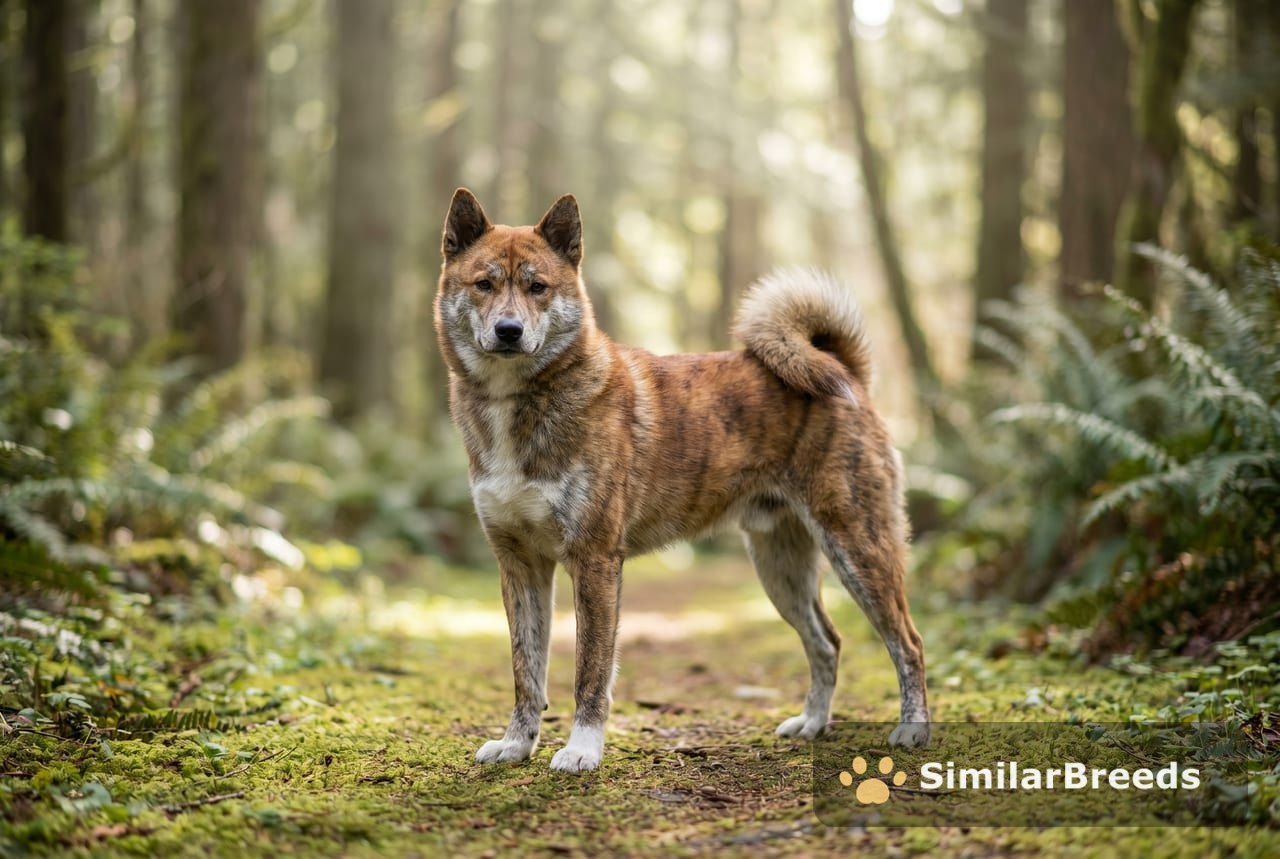
The Hokkaido is one of Japan's six native spitz breeds, and the oldest of them, developed by the Ainu people who settled the northern island of Hokkaido thousands of years ago. The Ainu arrived from Siberia, bringing northern-type dogs that gradually adapted to the island's harsh winters and rugged terrain. These dogs were built to hunt bear, deer, and wild boar, pursuing large game into deep snow and holding it at bay until hunters arrived. The Japanese government formally renamed the breed Hokkaido in 1937 and designated it a Natural Monument, though many authorities still use its older name, Ainu or Ainu-Ken. The breed remains rare outside Japan.
Temperament & Behaviour
The Hokkaido is intensely loyal to its family and expressive about it. Unlike some reserved Japanese spitz breeds, it does not hide its emotions. In the field it was famously fearless when facing bear, and that boldness carries through in everyday life: it is alert, self-confident, and inclined to make its own judgements.
Around strangers it is typically reserved, and its strong prey drive means early socialisation with other animals is not optional. It bonds closely with one household rather than being broadly sociable. One unusual inherited trait is that a proportion of individuals have a blue-black tongue, suggesting a distant genetic connection to the Chow Chow via shared Siberian ancestry.
Activity & Training
This is a high-energy working dog that needs serious daily exercise, not a long walk around the block. Off-leash running in a securely fenced area, hiking, or dog sports suit it well. Mental stimulation matters equally. The Hokkaido is intelligent and willing to work with its owner, but its independent hunting background means it thinks for itself. Training rewards patience and consistency over force. It responds well to positive methods but will disengage from repetitive or coercive sessions. It is not a breed for first-time owners expecting immediate compliance.
Grooming
The Hokkaido carries a thick double coat built for sub-zero conditions. Maintenance is straightforward most of the year: weekly brushing with an undercoat rake keeps the coat clean and free of tangles. Twice a year it blows its undercoat heavily, and during those weeks daily brushing is necessary to manage the shed. Bathing every few months is enough; the natural coat oils do most of the cleaning. Do not clip or shave the coat, as the double-layer structure regulates temperature in both cold and heat.
Health
Lifespan is 12 to 15 years. The breed is generally robust, but hereditary conditions documented in the population include collie eye anomaly, hip dysplasia, and luxating patella. Heart murmurs and idiopathic seizures have also been reported in some lines. Given how rare the breed is outside Japan, health data from large Western populations is limited. Buyers should ask breeders about eye and hip screening. The small gene pool in Japan historically and the still-modest global population make responsible breeding choices more consequential than in numerically larger breeds.
Why these breeds are similar
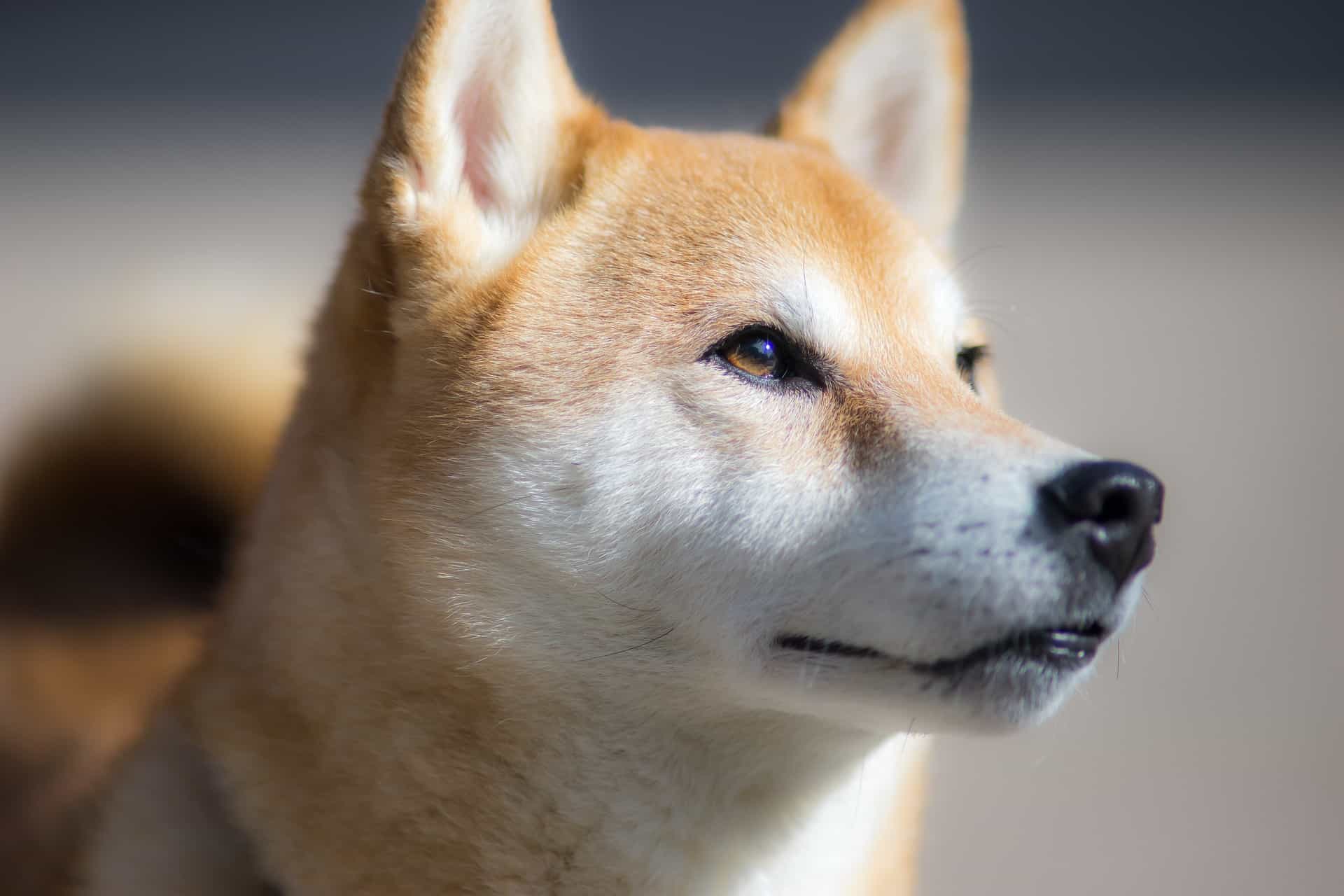
**Shiba Inu** is the closest parallel: another ancient Japanese spitz, similar size range, equally loyal and independent, and with the same alert, fox-like expression. The Shiba is more widely kept and somewhat more adaptable to urban life, but the character overlap is substantial.
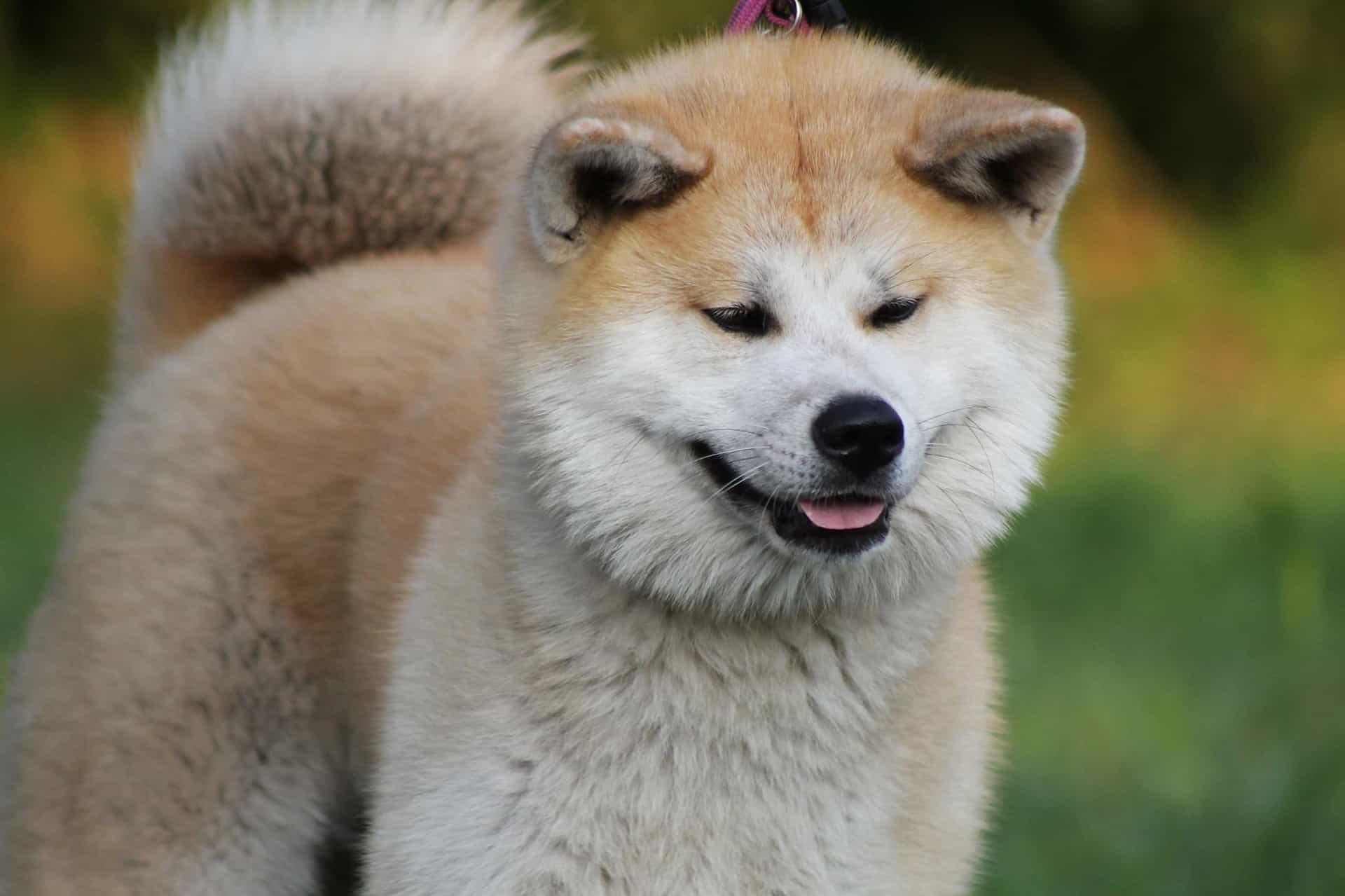
**Japanese Akita Inu** shares the same national origin and spitz structure at a much larger scale. Both breeds are deeply loyal, reserved with strangers, and built for cold climates. The Akita's greater size and dominance tendencies make it a heavier commitment, but the core temperament DNA is recognisably related.
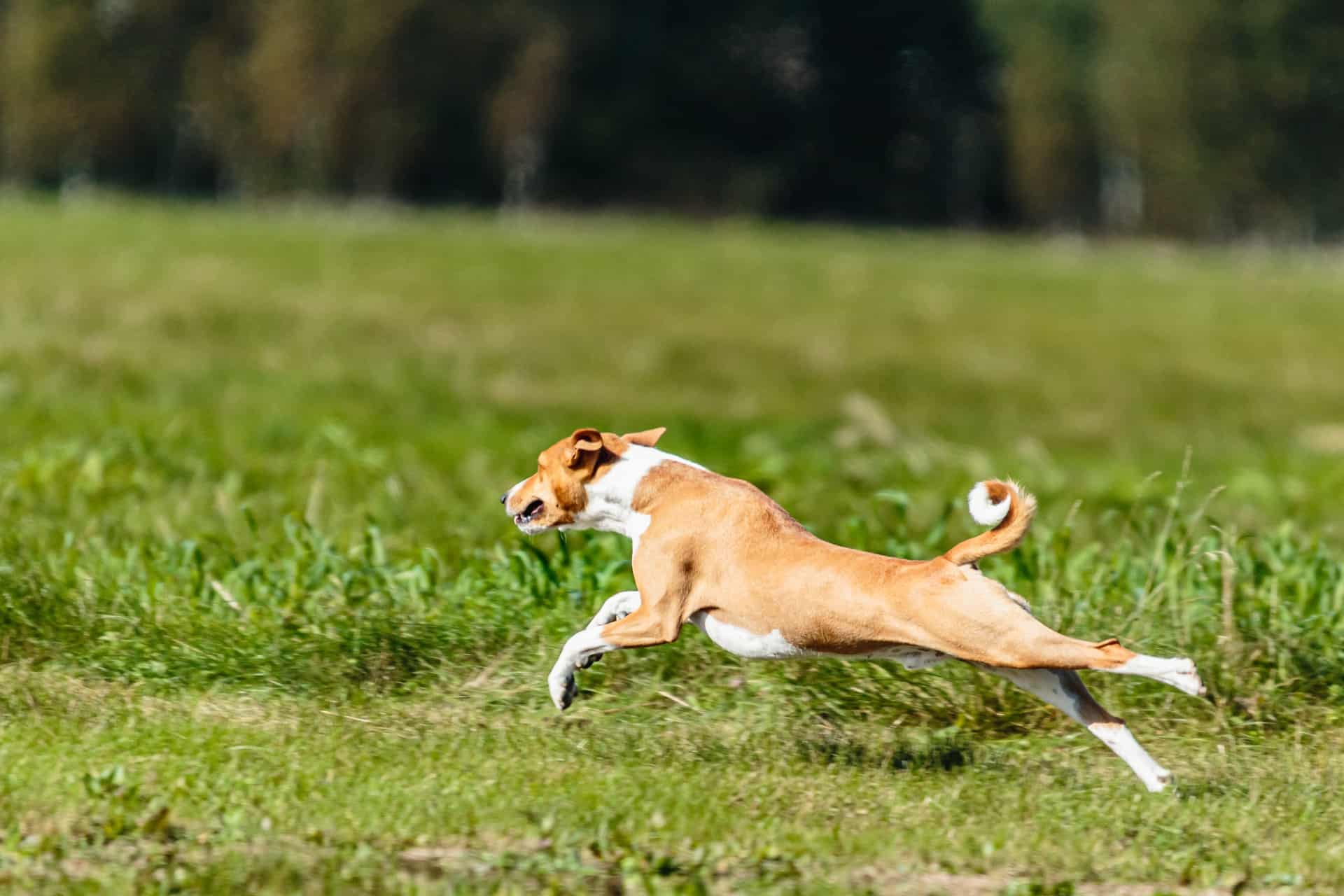
**Basenji** appears at first to be an odd pairing, but the similarity is behavioural: both are independent, primitive-type dogs that think for themselves, form tight bonds with their household, and are challenging for owners expecting easy compliance. Neither is a pushover.
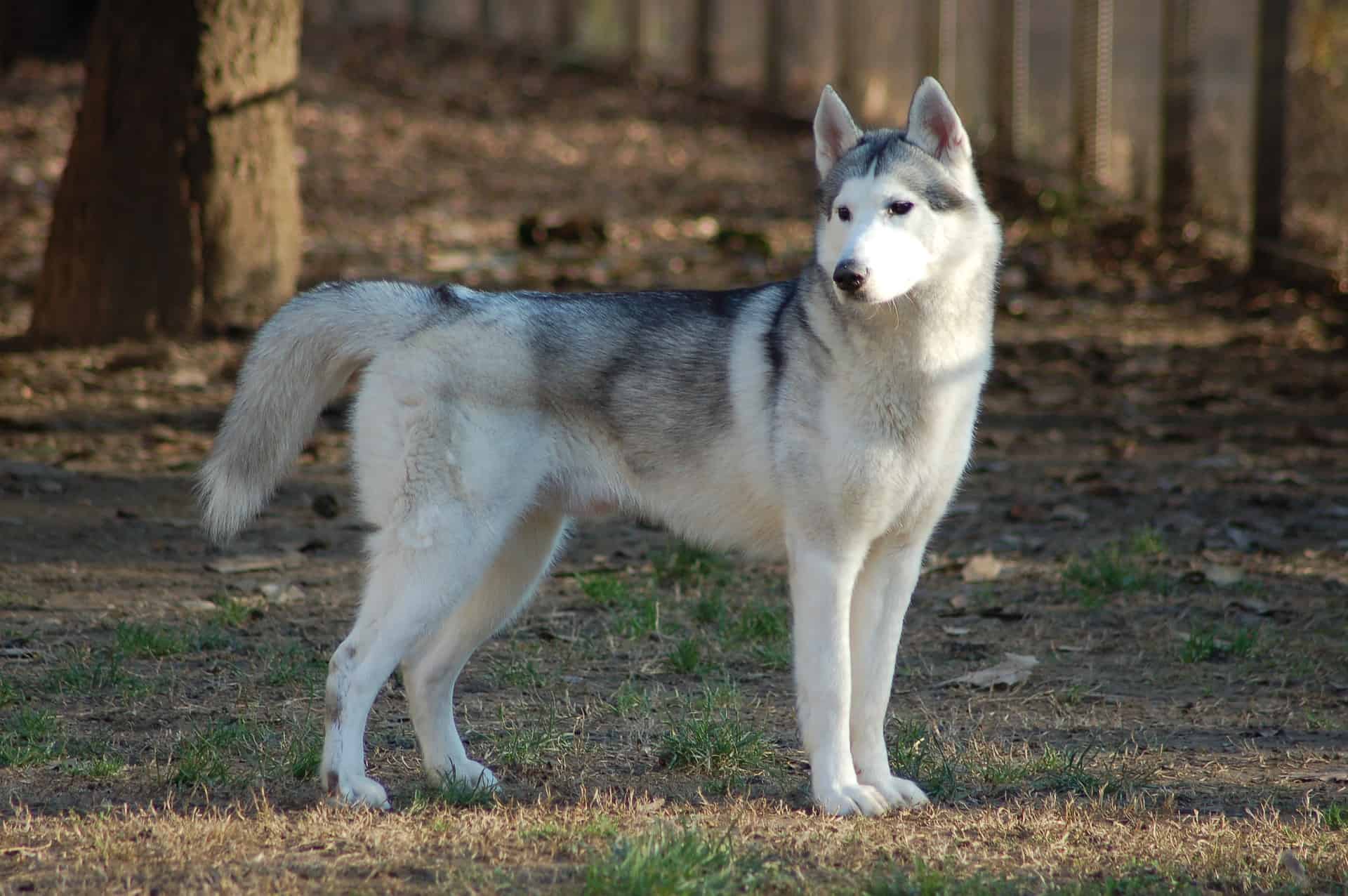
**Siberian Husky** shares the Hokkaido's cold-climate build, high energy, and pack-oriented loyalty. Both have dense double coats and need serious exercise. The Husky is more gregarious and less reserved with strangers, but the working-dog energy level and coat care demands are comparable.