Basenji
Also known as African bush dog, African barkless dog, Ango angari, Congo dog, Zande dog
From Central Africa
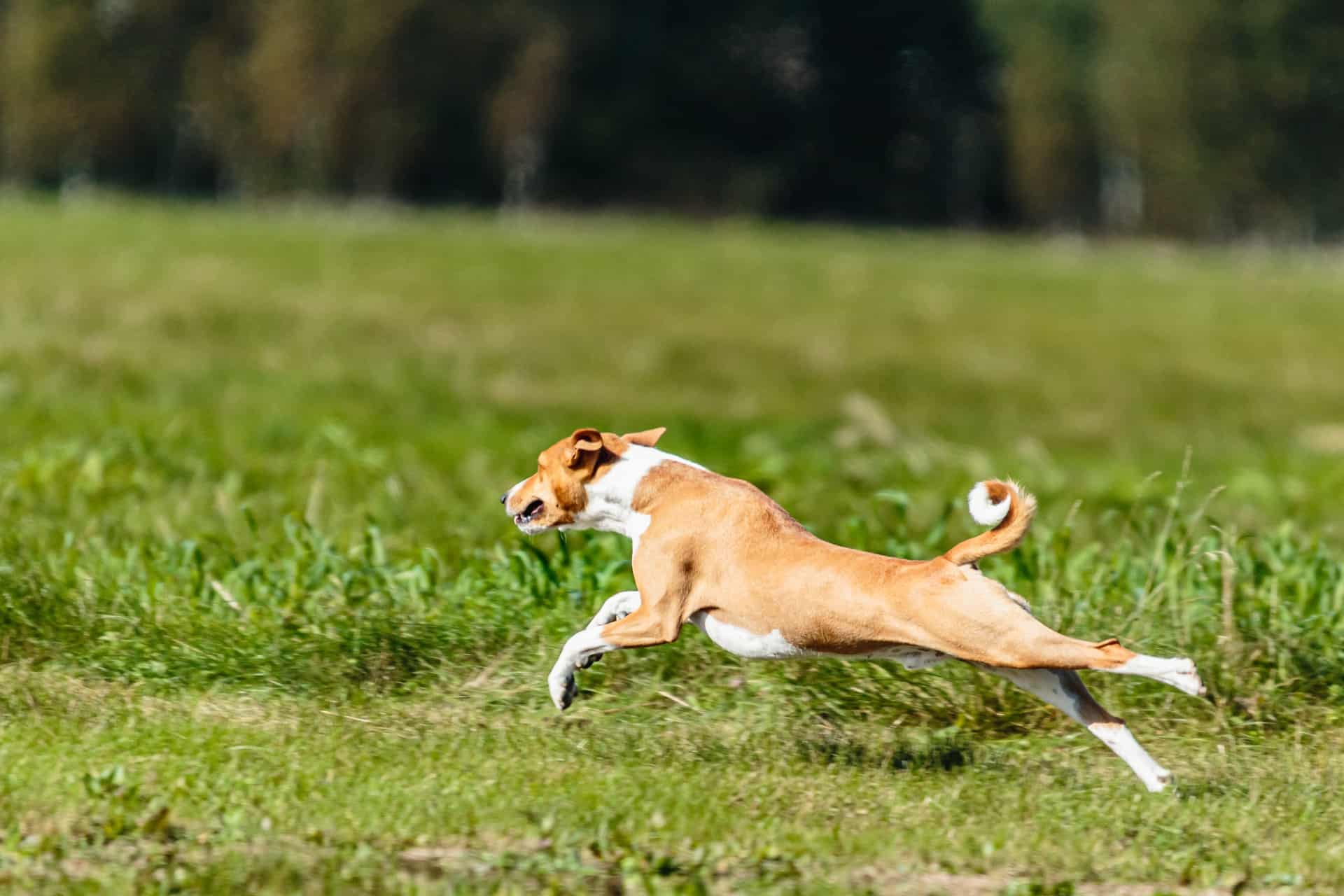
Purpose & Origin
The Basenji is one of the oldest breeds in existence, a hunting dog that was already established among the Pygmy peoples of the central African Congo long before formal breeding records existed. Early European explorers gave it different names depending on where they found it, including Congo dog, Zande dog, and Congo terrier. The native hunters used the dogs, often fitted with large bells, to drive small game into nets.
Attempts to bring the breed to England in the late nineteenth and early twentieth centuries failed when the dogs died from distemper, but a handful of imports in the 1930s established the first viable population outside Africa. The name Basenji, meaning roughly "bush thing," was settled on from there. A book and film in the 1950s briefly spiked its popularity, and later imports from Africa in the 1980s widened a gene pool that had grown dangerously narrow, introducing the brindle colour as a side effect.
Temperament & Behaviour
The Basenji resists easy categorisation. It is classified as a sighthound but hunts more like a scent hound, and its character sits somewhere between a terrier and a cat. It is clever, inquisitive, stubborn, and independent, with a reserve around strangers that reads as aloofness. The hunting instinct is very close to the surface: it will chase anything that moves, and a Basenji left without stimulation becomes destructive.
It is not a barkless dog in the sense of being quiet. It cannot produce a sustained bark, but it yodels, howls, and shrieks with enthusiasm. It is reasonably social with other dogs but can be difficult with its own kind, and its low score with other household pets reflects a prey drive that does not switch off indoors.
Activity & Training
This is an active dog that needs daily exercise, both physical and mental. A long walk plus a vigorous off-lead run in a securely fenced area covers its needs, and the fencing must be genuine: a Basenji that has spotted prey will clear most obstacles without much effort. Training requires patience and a sense of humour. The ease-of-training score is low, not because the dog is unintelligent, but because it sees no particular reason to comply. Positive methods with high-value rewards work better than repetition-based drills, which will lose its interest quickly. This is not a first-time owner's dog.
Grooming
The Basenji is among the lowest-maintenance coats in the dog world. Occasional brushing to remove dead hair is all that is required. The breed is also notably clean in its habits, with a cat-like tendency to groom itself. Shedding is minimal.
Health
The Basenji has a distinct hereditary disease burden. Fanconi syndrome, a kidney disorder, is the most serious concern, and progressive retinal atrophy is also prevalent enough to require routine testing. Basenji enteropathy, a chronic bowel condition, rounds out the major issues. Pyruvate kinase deficiency and persistent pupillary membrane are among the minor concerns. Buyers should ask for DNA and eye test results on both parents.
Why these breeds are similar
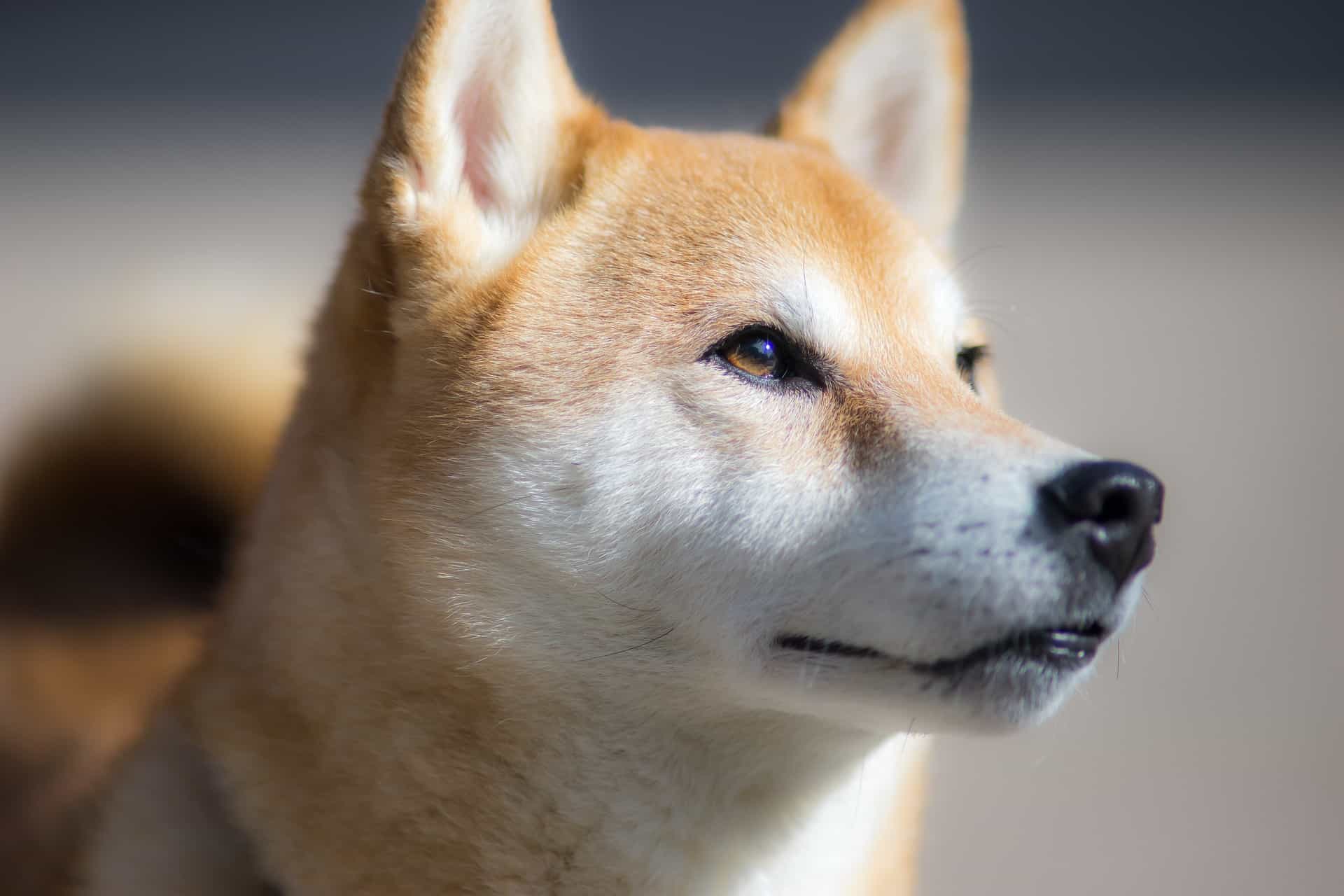
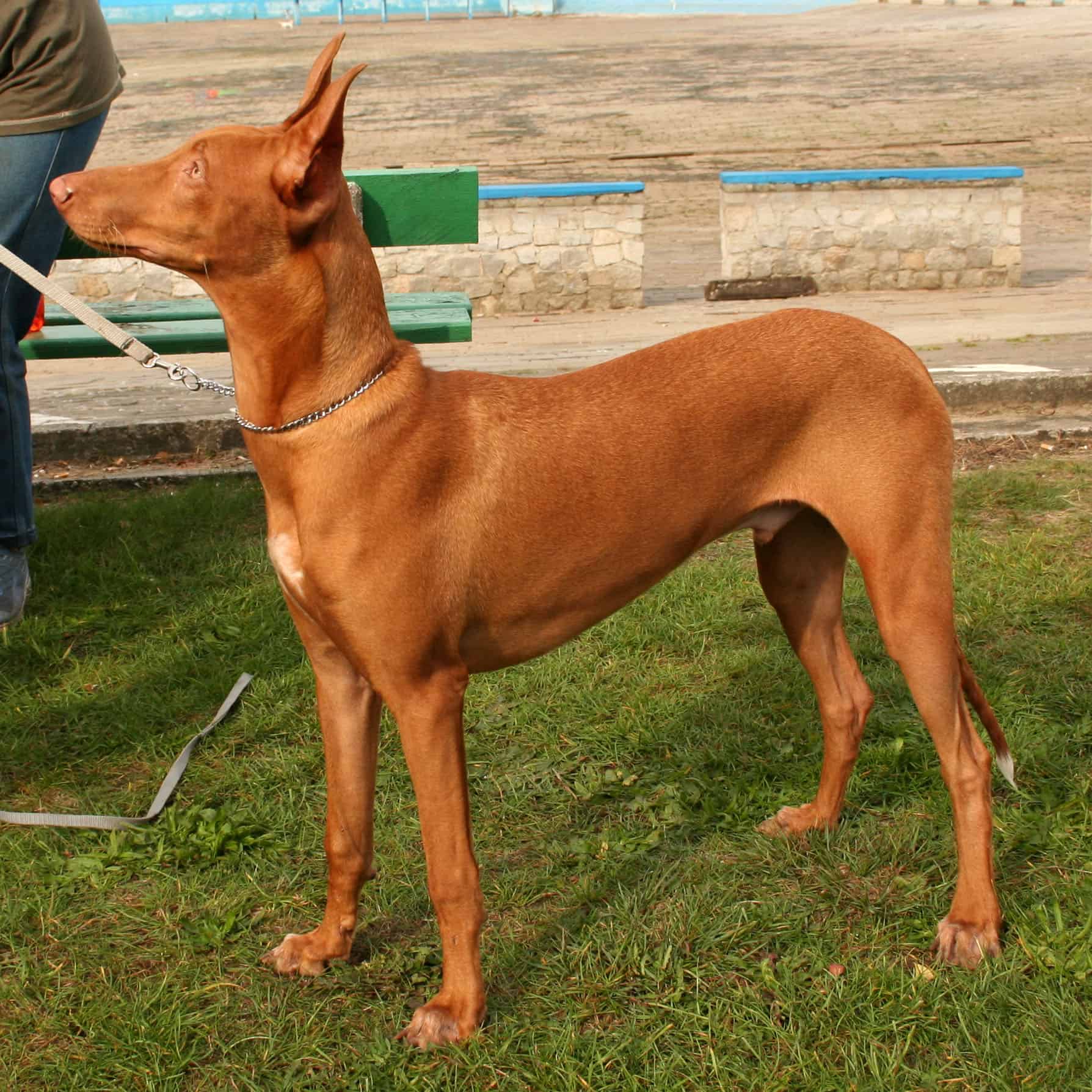
The Shiba Inu shares the Basenji's primitive type: both are ancient hunting breeds with independent, cat-like personalities, minimal grooming requirements, and a strong instinct to chase. The Pharaoh Hound is the most direct structural parallel, another ancient, lean sighthound from warm climates with the same short coat and alert, watchful presence.
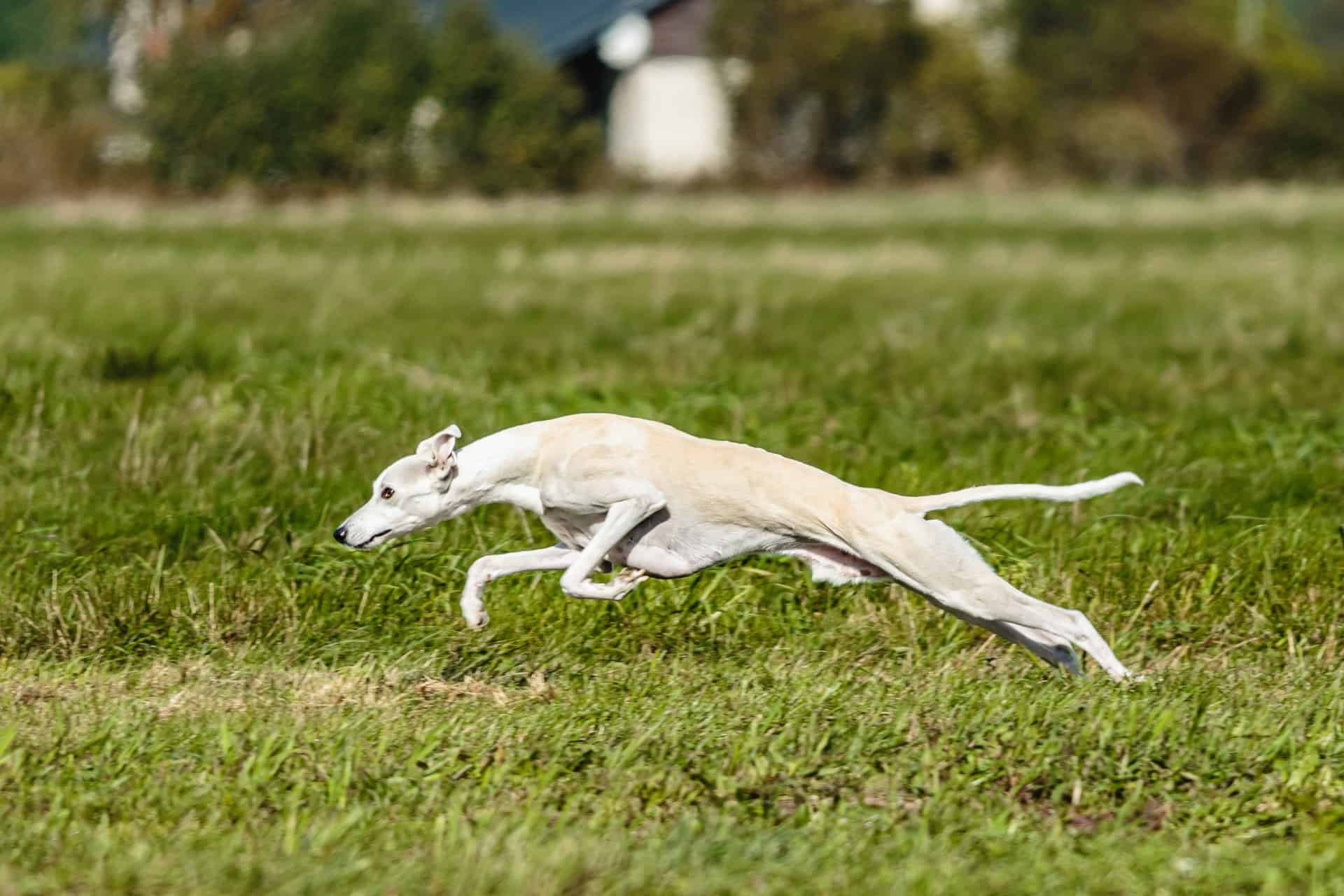
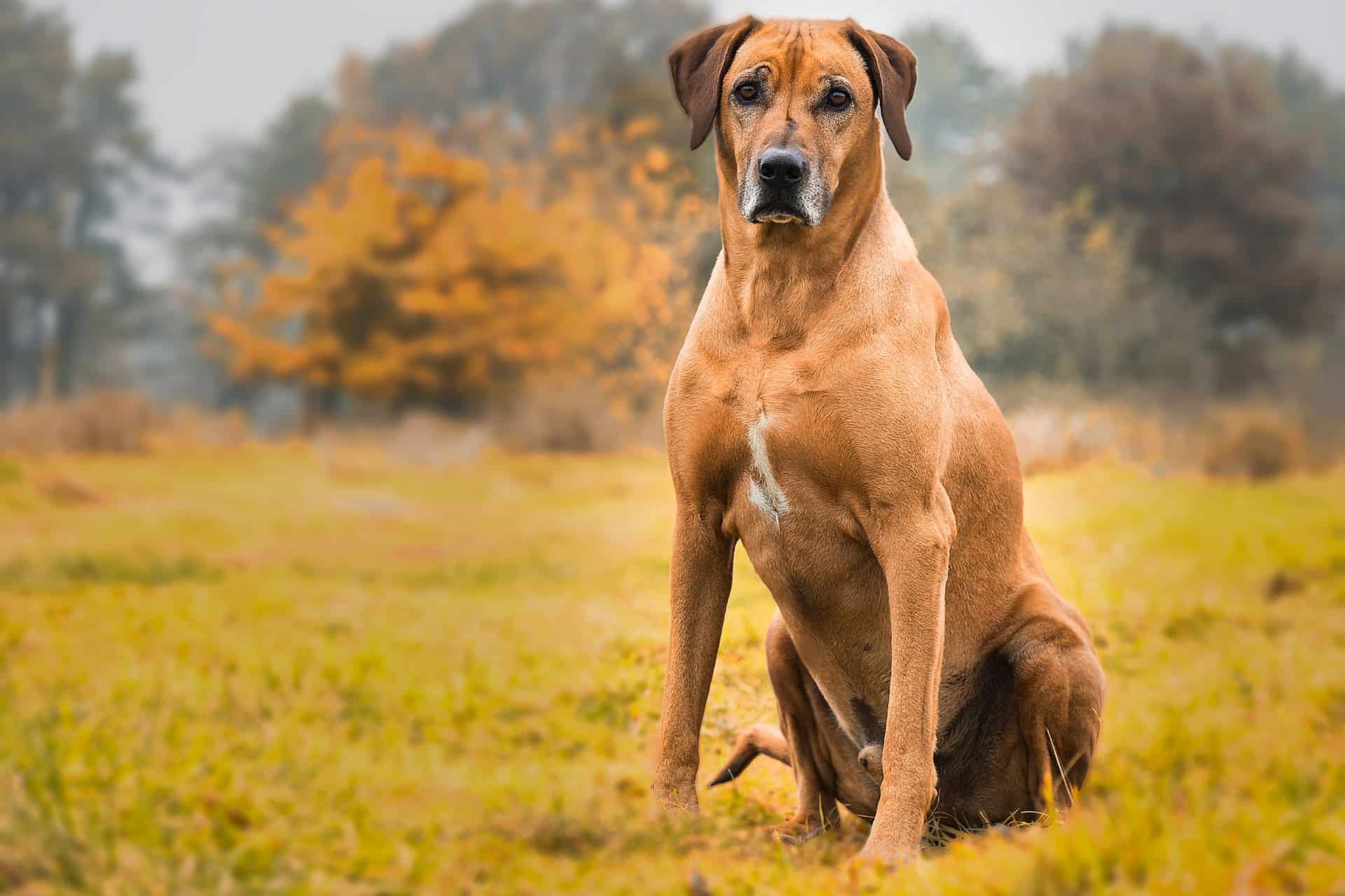
The Whippet connects through the sighthound classification and the hunting-by-sight style; it is gentler in temperament but shares the athletic build and the need for a fast, regular run. The Rhodesian Ridgeback is the largest of the group and the most removed in size, but it links through African origin, a high prey drive, and the same self-possessed independence that makes all four breeds demanding of experienced owners.
Trait ratings
- Energy level
- 4/5
- Exercise requirements
- 3/5
- Playfulness
- 3/5
- Affection level
- 3/5
- Friendliness toward dogs
- 2/5
- Friendliness toward other pets
- 1/5
- Friendliness toward strangers
- 3/5
- Ease of training
- 2/5
- Watchdog ability
- 5/5
- Protection ability
- 1/5
- Grooming requirements
- 1/5
- Cold tolerance
- 1/5
- Heat tolerance
- 3/5