Golden Retriever
From Great Britain
Purpose & Origin
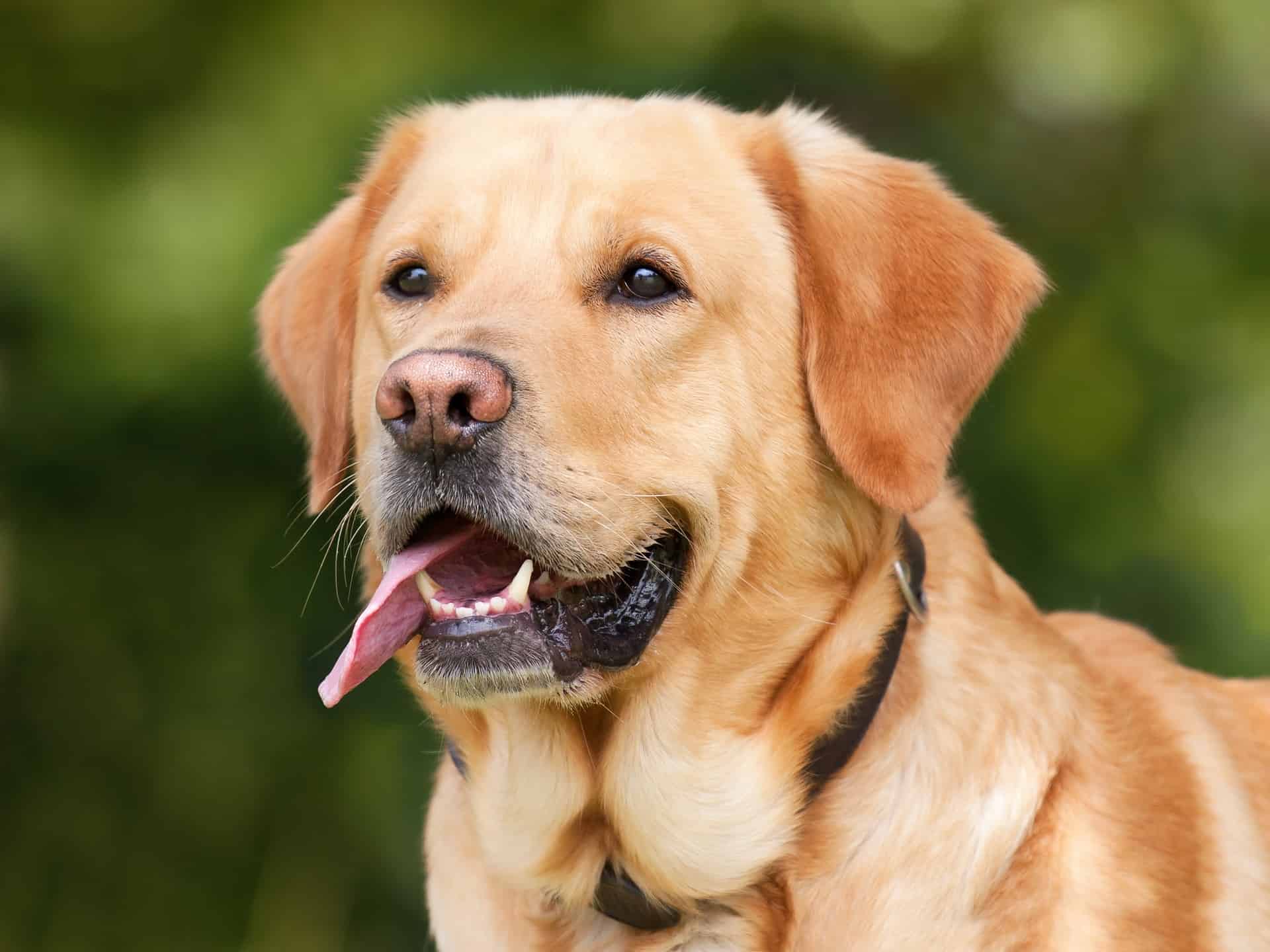
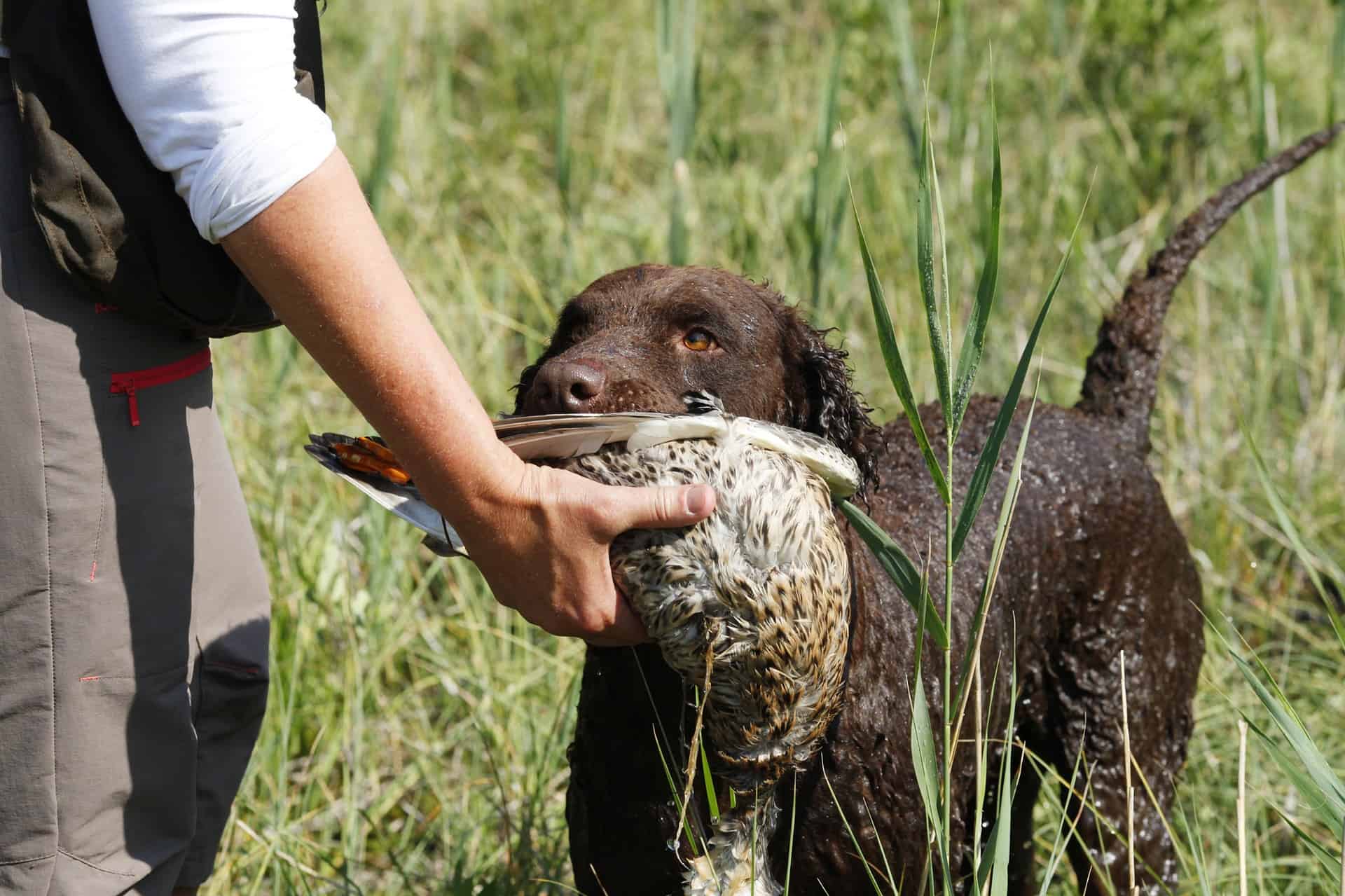
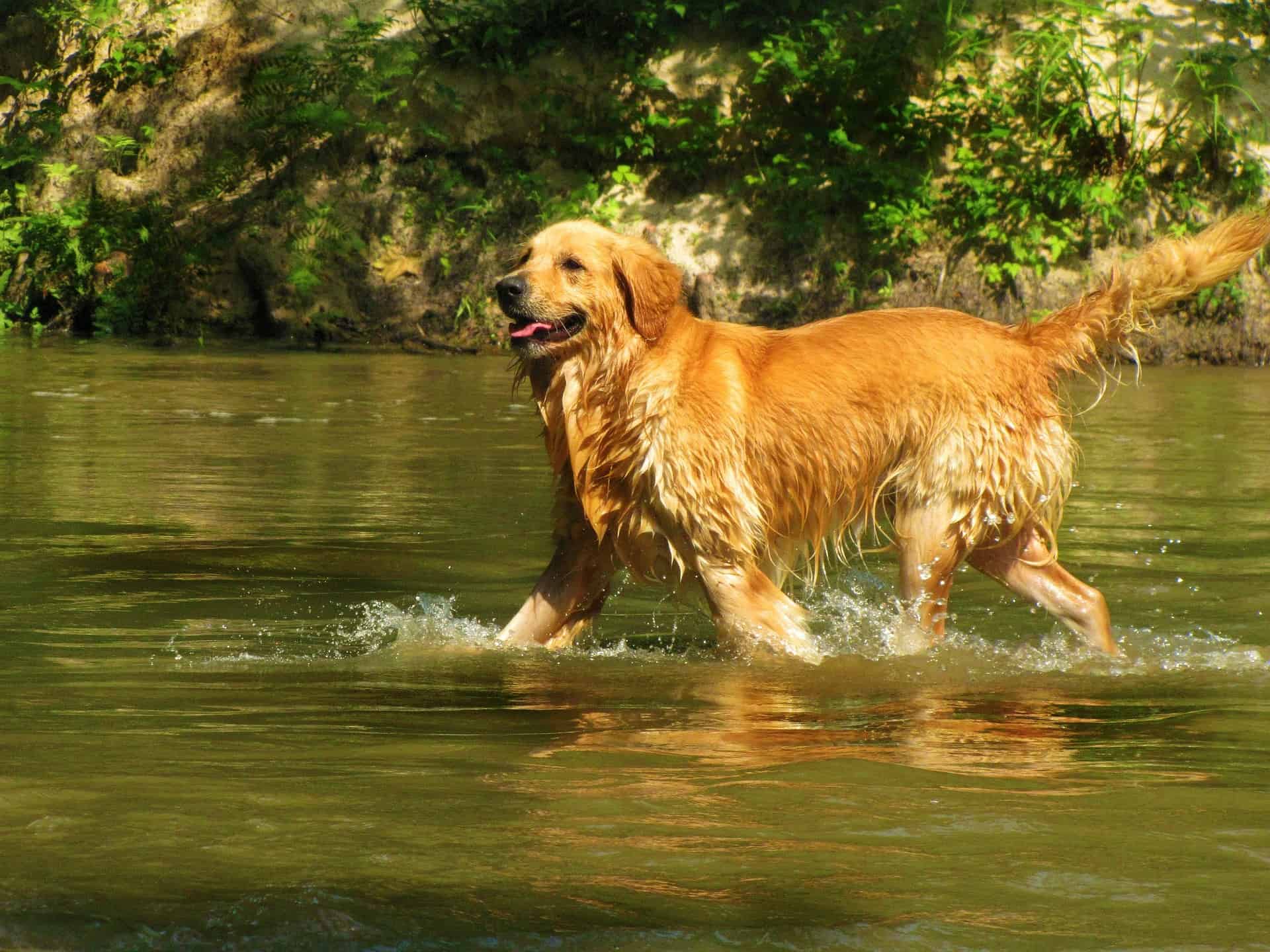
The Golden Retriever was bred with unusual intentionality for its era. Lord Tweedmouth, working his estate along the Tweed River in northern England during the mid-1800s, set out to produce a dog capable of pushing through dense cover, swimming cold water, and delivering game with a soft mouth. He crossed Nous, a yellow Wavy-Coated Retriever with Newfoundland blood, with Belle, a Tweed Water Spaniel, a liver-coloured retriever with a tightly curled coat. The four resulting puppies formed the foundation of the breed. Subsequent crosses brought in other black retrievers, Tweed Spaniels, setters, and a Bloodhound.
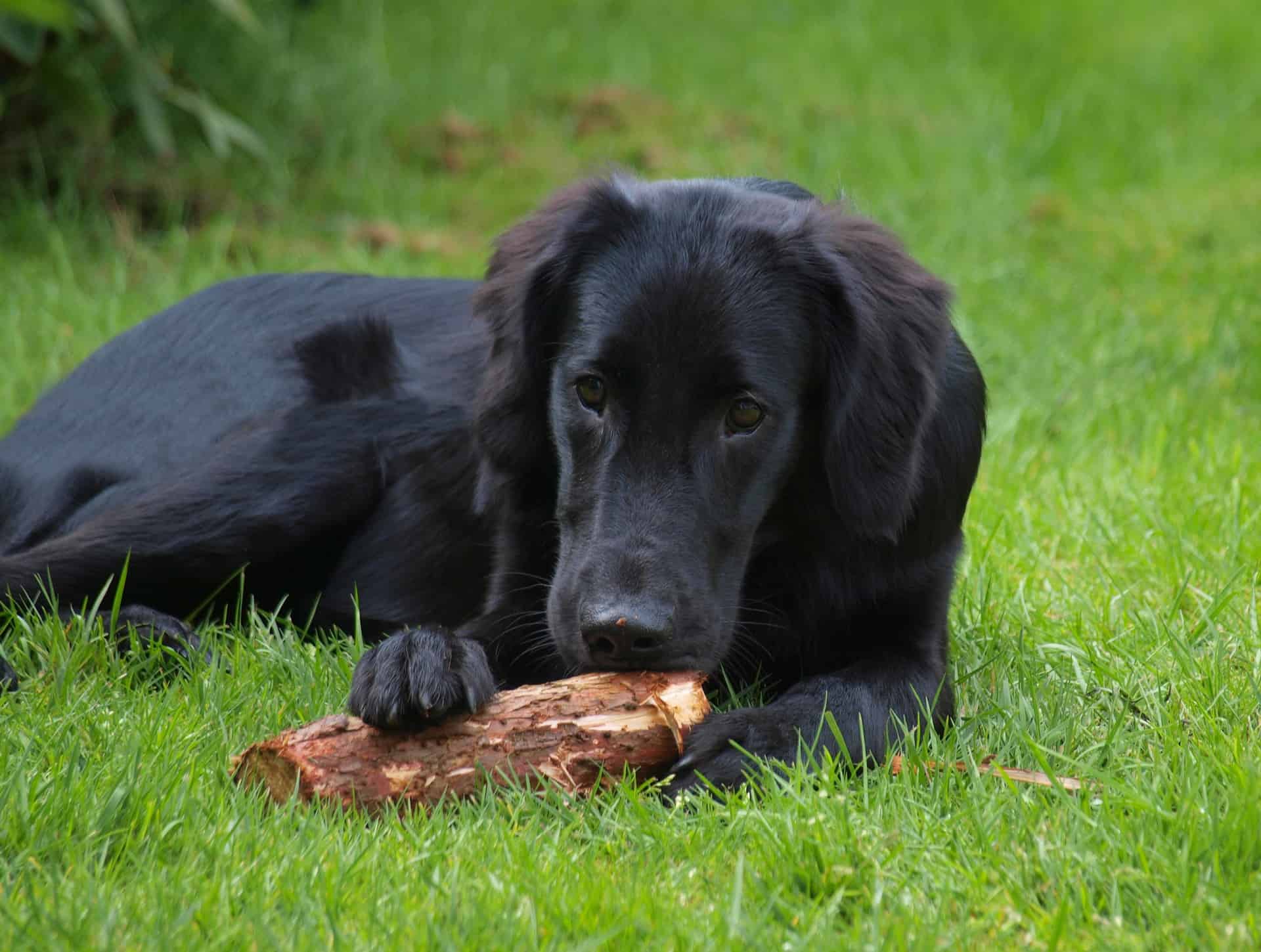
The breed was initially classified as a yellow variety of the Flat-Coated Retriever and only recognised as a distinct breed, the Yellow or Golden Retriever, in 1912. A handful had reached America via Lord Tweedmouth's sons by 1900, but AKC registration came in 1927. The Golden was first and foremost a working gundog; the pet and show career came later, and when it did, the rise was rapid.
Temperament & Behaviour
Few breeds match the Golden for consistent sociability. It is genuinely friendly with strangers, other dogs, and household pets alike, scores that reflect a dog built to work alongside hunters and handlers rather than guard territory. The correct Golden is eager to please, attentive, and calm indoors when its exercise needs are met. Poorly bred individuals can be boisterous and hard to settle, so lineage matters. The Golden has no meaningful protection instinct, which is worth knowing if that is something you need. What it has instead is an exceptional desire to learn and a deep enjoyment of carrying things, traits that come directly from its retrieving ancestry.
Activity & Training
The Golden is one of the most trainable dogs in existence. It excels in competitive obedience, and its combination of biddability, focus, and physical capability makes it a natural for field work, agility, and service roles. Daily exercise is not optional: a Golden left to its own devices without physical and mental outlets will become exuberant in ways that are hard to manage. Retrieving games are the most natural outlet, as the breed is hardwired for them. Obedience training doubles as mental exercise and is where the Golden tends to shine. Energy level sits in the moderate range, so the daily requirement is meaningful but not extreme.
Grooming
The Golden's coat is dense with a water-resistant outer layer and does not tend to mat heavily, but it sheds and needs brushing twice a week to stay manageable. Extra attention around the ears, collar area, and rear feathering keeps tangles from forming. The coat is lower maintenance than its appearance suggests, but it is not a non-issue: expect hair on furniture and clothing.
Health
The Golden carries a notable health burden. Hip dysplasia is a major concern alongside a skin profile that includes allergies, hot spots, and ear infections. Cancer rates in the breed are high; hemangiosarcoma and lymphoma are the most commonly cited. Minor concerns include elbow dysplasia, eye disorders, seizures, hypothyroidism, and mast cell tumours. Life expectancy runs 10 to 13 years. Hip, elbow, eye, and cardiac testing in breeding stock is standard practice and worth verifying before purchasing a puppy.
Why these breeds are similar
The Labrador Retriever is the Golden's closest parallel: same gundog family, same soft mouth, same eagerness to please, similar weight and build, and an equally sociable temperament. The main difference is coat length and some variation in energy. The Flat-Coated Retriever shares direct ancestry with the Golden, both descending from the Wavy-Coated Retriever that Lord Tweedmouth used, and carries a similar exuberant, people-oriented character.
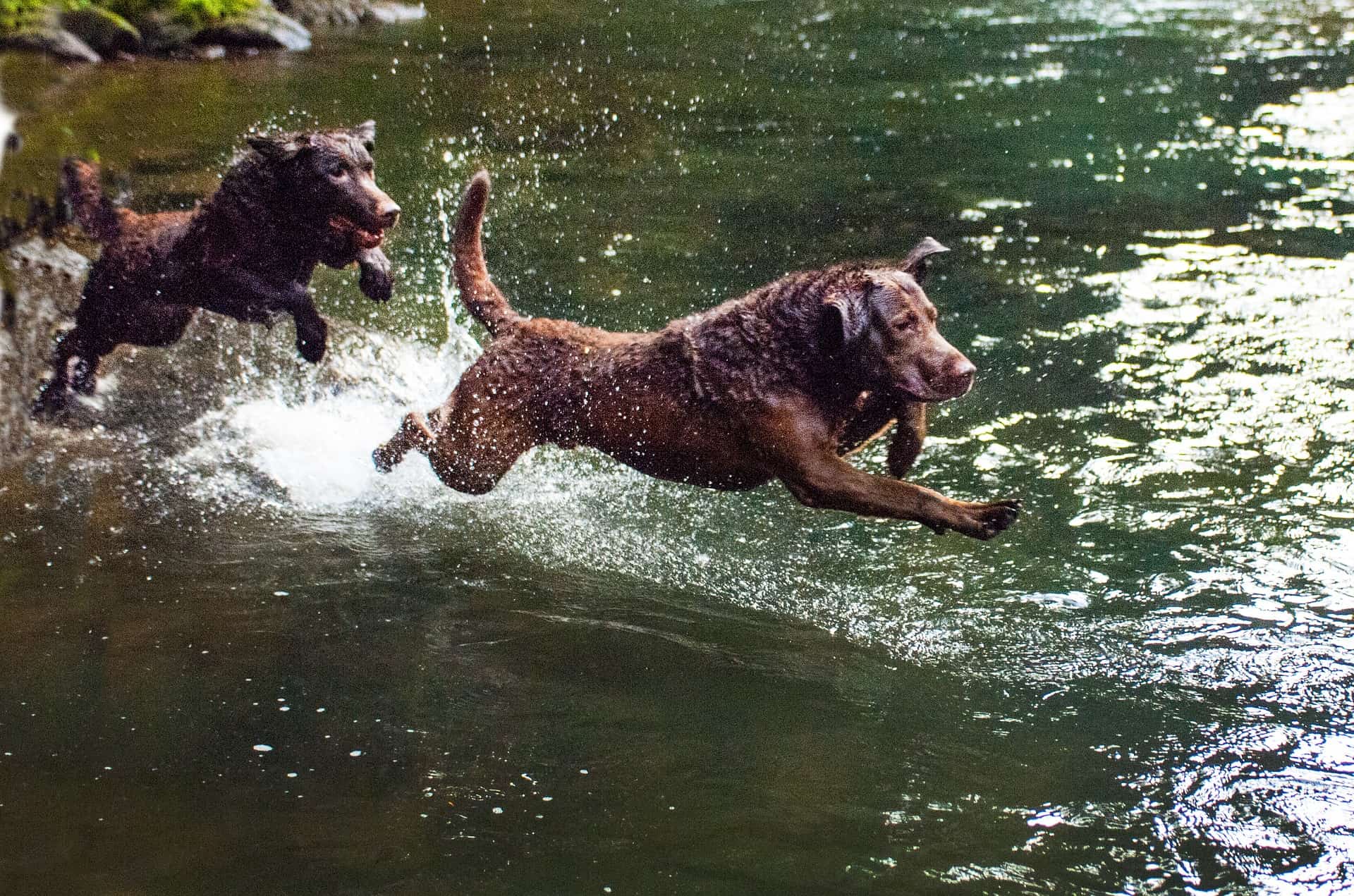
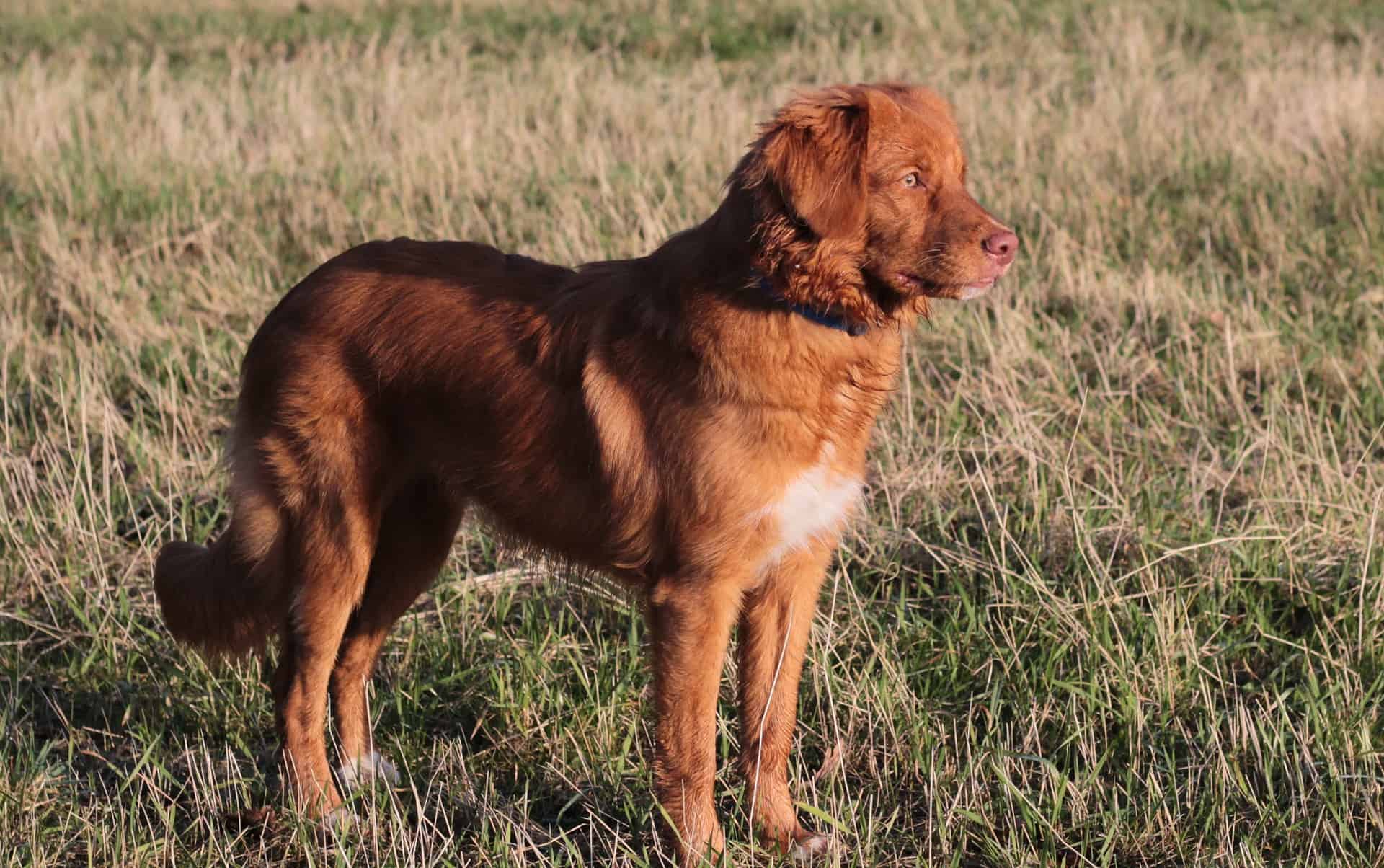
The Curly-Coated Retriever is a retrieving cousin with a markedly different coat and a more independent streak, but the working purpose and basic physical scale connect it to the Golden clearly. The Chesapeake Bay Retriever was purpose-built for the same job in harsher conditions, a tougher, more reserved dog but still a retriever in every functional sense. The Nova Scotia Duck Tolling Retriever is the smallest of the group, bred for a specific decoy-and-retrieve role, but shares the retrieving drive, the trainability, and the gundog heritage that defines this cluster of breeds.
Trait ratings
- Energy level
- 3/5
- Exercise requirements
- 3/5
- Playfulness
- 5/5
- Affection level
- 5/5
- Friendliness toward dogs
- 5/5
- Friendliness toward other pets
- 5/5
- Friendliness toward strangers
- 5/5
- Ease of training
- 5/5
- Watchdog ability
- 3/5
- Protection ability
- 2/5
- Grooming requirements
- 3/5
- Cold tolerance
- 3/5
- Heat tolerance
- 3/5