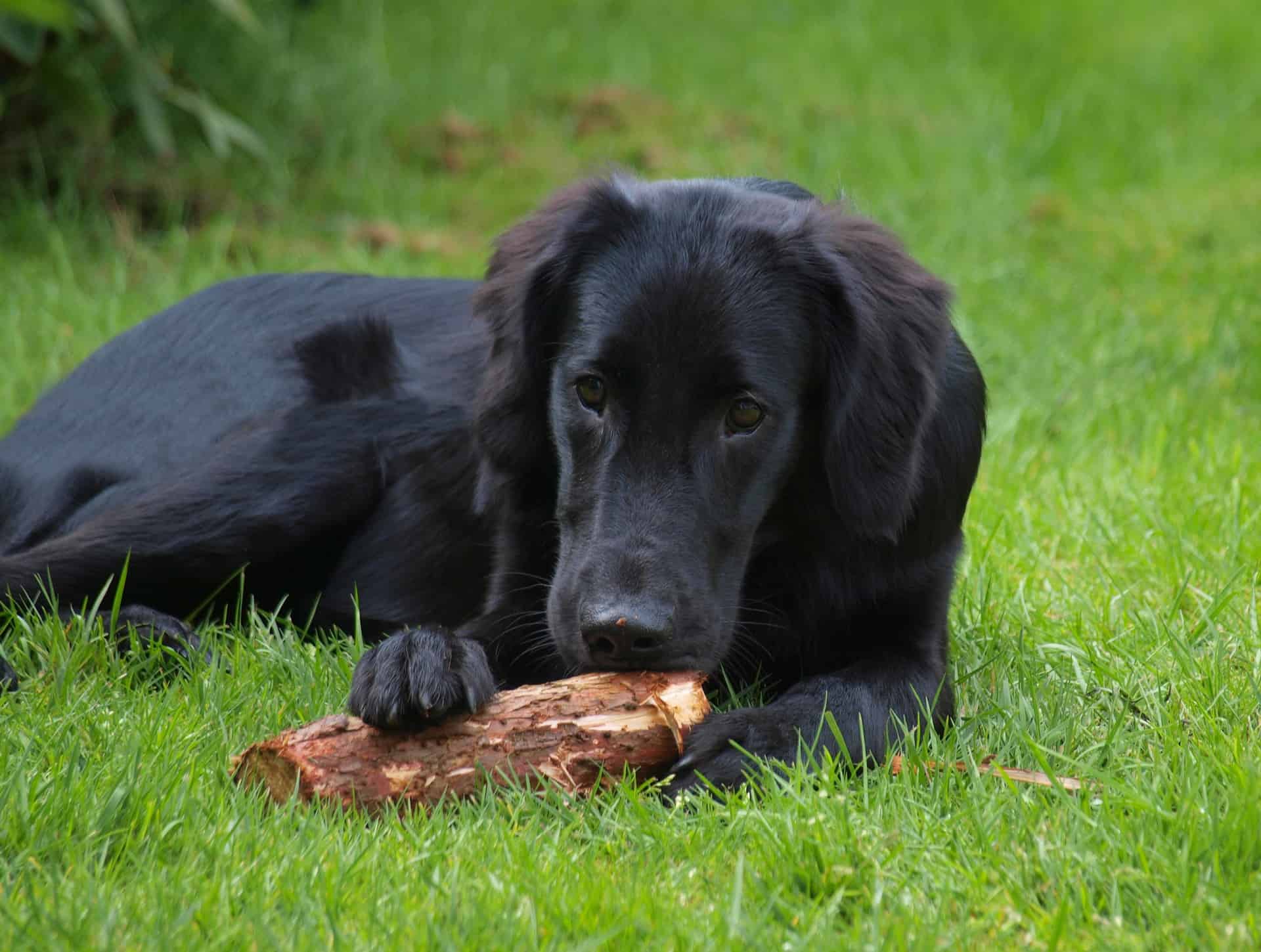
Flat Coated Retriever
From Great Britain
Purpose & Origin
The Flat-Coated Retriever's roots trace back to the cod fisheries off Newfoundland in the early nineteenth century, where water dogs were used to retrieve fish and gear. As firearms improved and wing shooting became practical for hunters, breeders crossed these natural-retrieving fishery dogs with British setters and pointers to sharpen bird sense. The result was the Wavy-Coated Retriever, which became a fixture at early English dog shows. Toward the end of the 1800s, breeders crossed in straighter-haired stock, believing the flatter coat would repel water more effectively, and the Flat-Coat emerged from that work.
AKC recognition came in 1915, but popularity had already started to slip. By the end of the Second World War the breed had been reduced to near extinction, and only deliberate revival efforts kept it going. It remains uncommon today, kept largely as a companion and show dog rather than a working field dog.
Temperament & Behaviour
Few retrievers are as openly affectionate as the Flat-Coat. This is a dog that lives to be with its family, genuinely warm toward strangers and easy around other pets. The perpetually wagging tail is no cliche; the breed's default emotional setting is enthusiasm. Outdoors it is active and busy, but it settles well inside once exercised. It is a sensitive dog and picks up on its owner's mood, which makes harshness counterproductive. The exuberance can read as puppy-like well into adulthood, which is endearing but worth knowing before you commit.
Activity & Training
Daily exercise is a requirement, not a luxury. The breed loves to swim, hunt, and retrieve, and a session in or near water is as satisfying as a long run. Because it is both energetic and highly trainable, it takes well to structured activity: field work, obedience, or simply an active household that spends real time outdoors. Training is genuinely easy here; the Flat-Coat is among the most responsive of the retrievers and does not require heavy-handed methods. The sensitivity that makes it pleasant to live with also means it trains best with consistent positive reinforcement.
Grooming
Coat care is light work. Weekly brushing keeps the flat, dense coat in order, and only occasional minor trimming is needed. The breed's grooming demands are well below what you would face with a Golden Retriever or a Curly-Coat, and shedding is moderate. Regular ear checks are sensible for any retriever that swims often.
Health
The Flat-Coat carries a serious health concern that prospective owners should understand clearly: the breed has an elevated rate of malignant histiocytosis, a cancer that contributes to its short median lifespan of around eight years. Other cancers, including hemangiosarcoma, osteosarcoma, lymphosarcoma, and fibrosarcoma, are also noted concerns. Hip dysplasia, glaucoma, and patellar luxation appear at lesser frequency. Routine screening for hips, knees, and eyes is recommended. The short expected lifespan is the most significant tradeoff for a breed that is otherwise healthy in day-to-day terms.
Why these breeds are similar
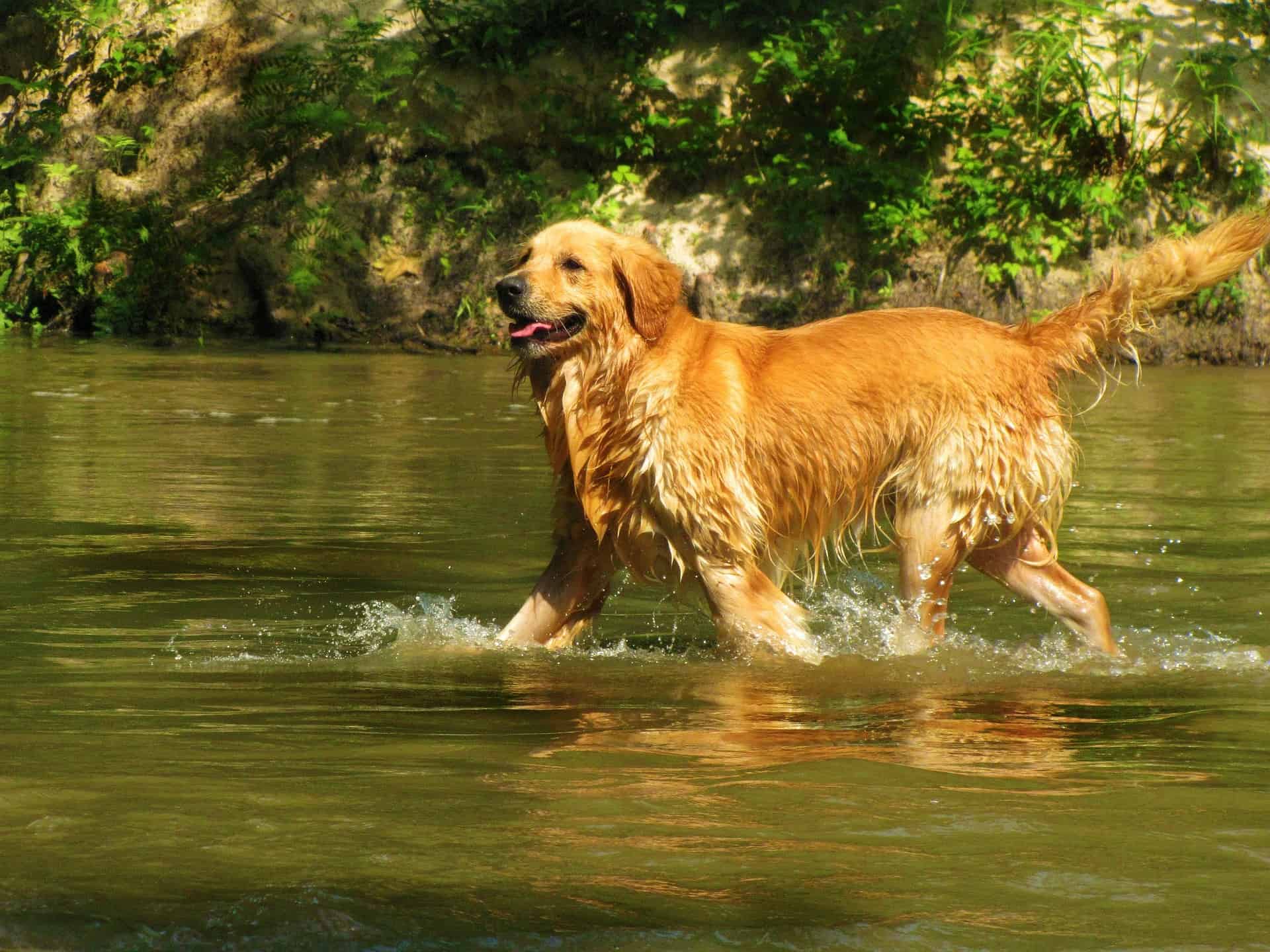
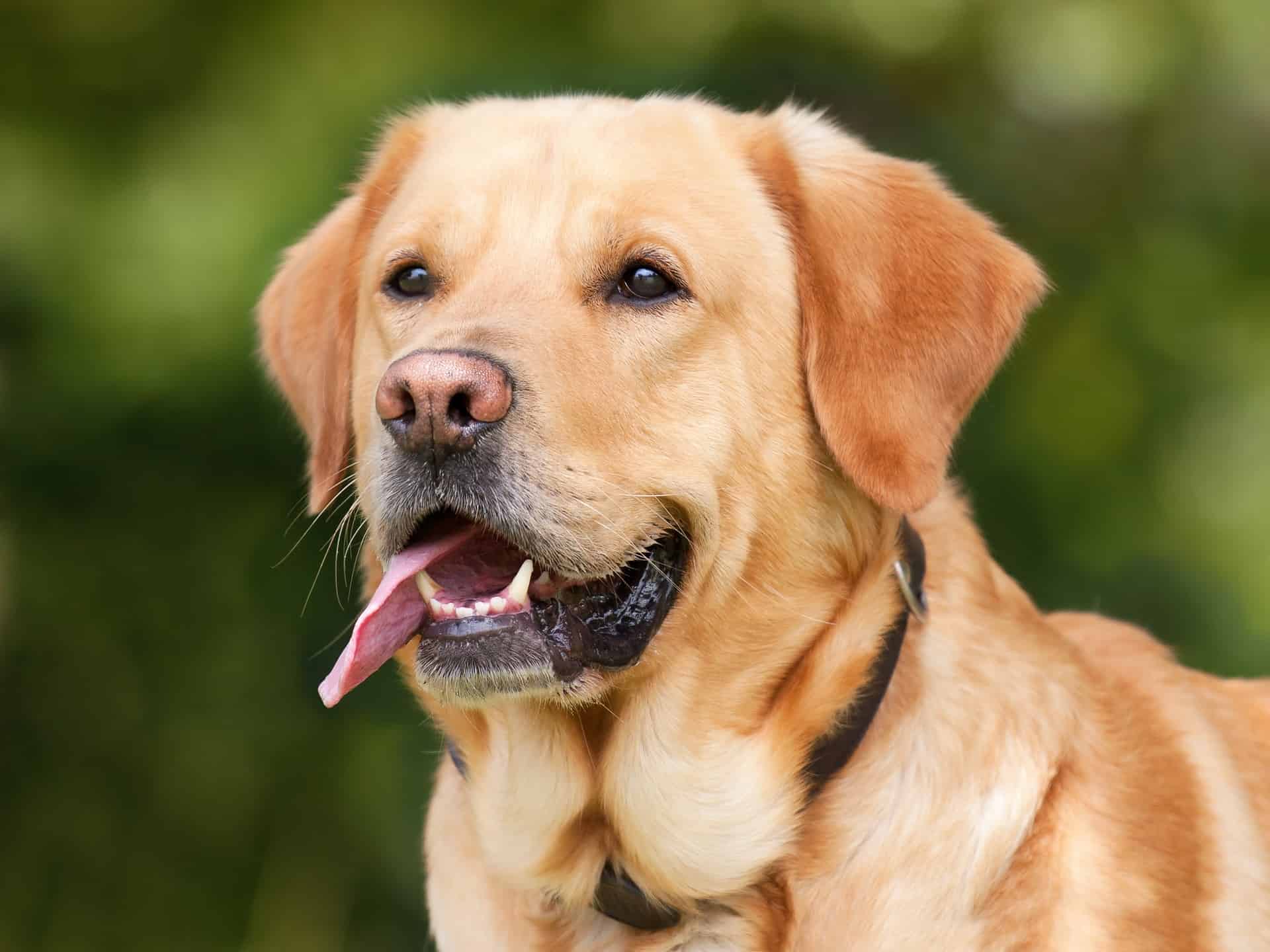
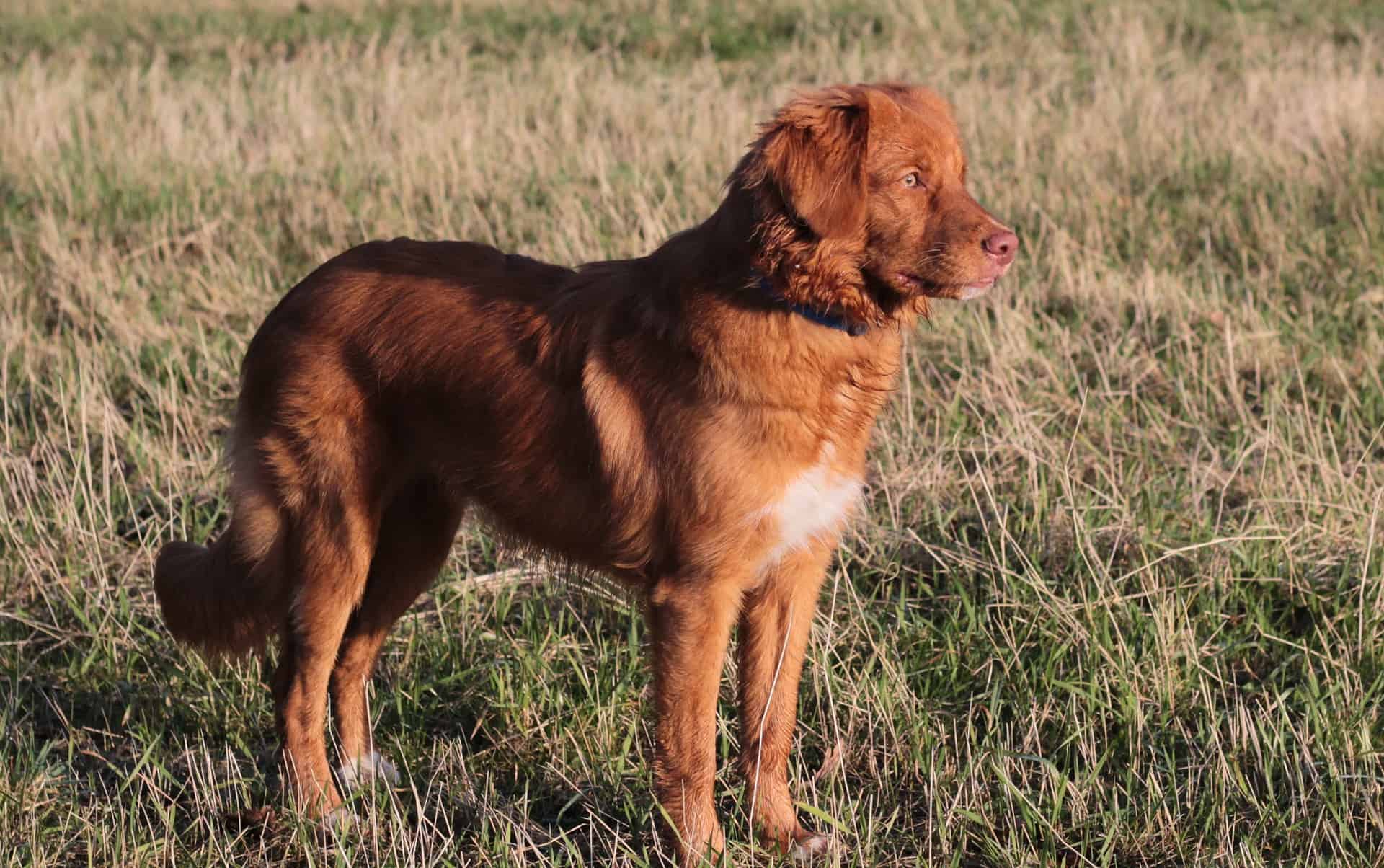
The **Golden Retriever** is the closest comparison: same English gundog roots, same gentle and devoted temperament, similarly easy to train, and built for the same retrieving work on land and water. The **Labrador Retriever** shares the fishery-dog ancestry directly and does the same job; the Lab is slightly more robust and far more common, but the two breeds overlap heavily in function and character. The **Nova Scotia Duck Tolling Retriever** is a smaller member of the same retrieving family, bred for waterfowl work with comparable energy and trainability.
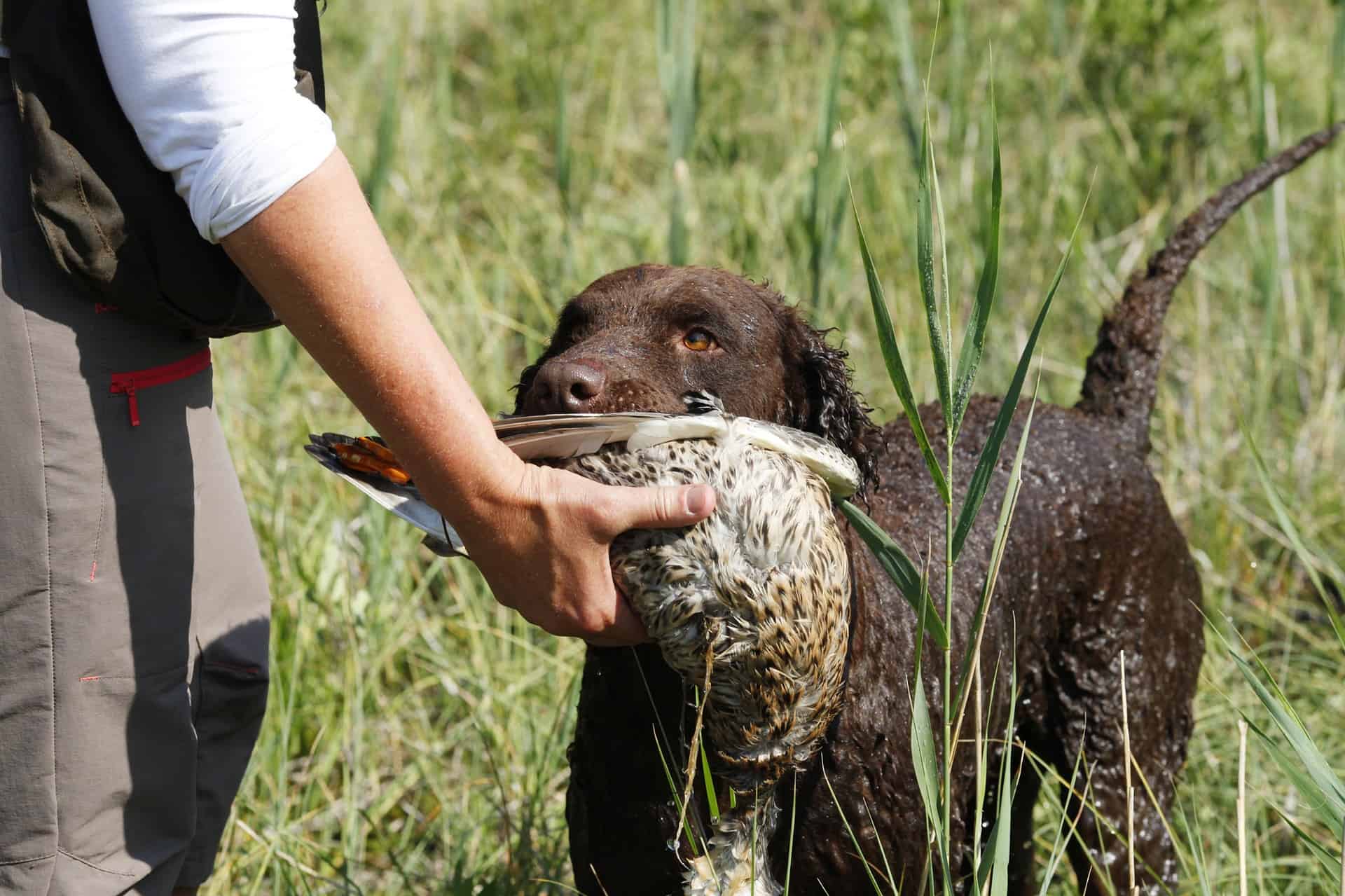
The **Curly-Coated Retriever** is the Flat-Coat's historical relative, another English retriever developed from similar crossings in the same era; it is more independent and harder-coated, but the shared origin and purpose are direct. The **Chesapeake Bay Retriever** rounds out the group as a purpose-bred water retriever, though the Chesapeake is considerably tougher in temperament and coat; what links it to the Flat-Coat is the same underlying job: marking and retrieving waterfowl in cold, demanding conditions.
Trait ratings
- Energy level
- 3/5
- Exercise requirements
- 3/5
- Playfulness
- 4/5
- Affection level
- 5/5
- Friendliness toward dogs
- 3/5
- Friendliness toward other pets
- 4/5
- Friendliness toward strangers
- 4/5
- Ease of training
- 5/5
- Watchdog ability
- 4/5
- Protection ability
- 2/5
- Grooming requirements
- 2/5
- Cold tolerance
- 3/5
- Heat tolerance
- 3/5