Purpose & Origin
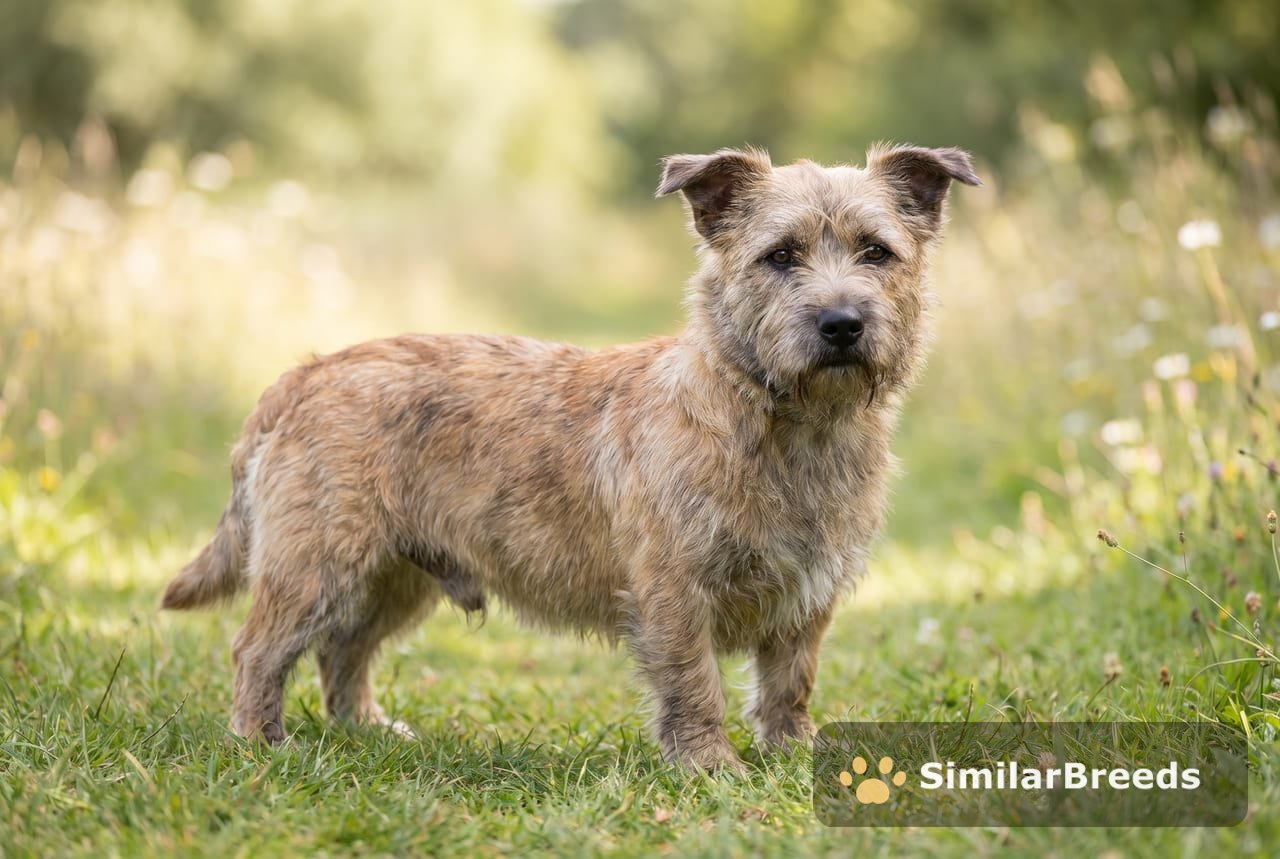
The Glen of Imaal Terrier comes from one of Ireland's harder corners: the Glen area of County Wicklow, a rocky, austere place where dogs had to justify their keep. The terrier did so thoroughly. By day it worked the turnspit, running in a wheel to turn roasting meat; by night it fought in the pits for the entertainment of working men; and whenever the occasion demanded, it went to ground after rats, foxes, and badgers.
The origin date is uncertain, possibly stretching back to the 1600s, but the breed remained essentially unchanged for centuries because it was never fashionable enough to attract the show-ring breeders who reshaped so many other terriers. That neglect turned out to be a gift.
The Irish Kennel Club recognized it in 1934, and for decades Irish shows required a working certificate proving the dog could follow and silently extract a badger from a tunnel maze. The AKC finally admitted it to the Terrier Group in 2004, and it remains genuinely rare.
Temperament & Behaviour
The Glen is a compact dog that thinks and acts considerably larger than its 12.5-14 inch frame suggests. It is spirited and curious but noticeably less frantic than most terriers, and once it has had a proper run it settles comfortably at a person's side rather than bouncing off the walls. With family it is good-natured and gentle, and its playful, almost childlike energy suits households with children well. Strangers get a measured reception rather than an enthusiastic one, and the Glen is not a great alarm-barker. The main social caveat is other dogs: some Glens are reliably dog-aggressive, and introductions to unfamiliar dogs should be managed carefully.
Activity & Training
Exercise needs are moderate, a solid daily walk or active play session rather than the hour-plus demands of a high-drive working breed. The Glen does not do well in heat and suits cooler climates better than warm ones. Off-lead freedom needs to be earned and fenced: the breed is fearless around traffic, will pursue a scent without hesitation, and is not a reliable recall dog in open ground. Swimming is not a natural skill, and deep water should be treated as a hazard until the individual dog has proven it can manage.
Training goes reasonably well because the Glen is quick to understand, but it will not always choose to comply, and heavy-handed repetition produces stubbornness faster than results. Patience, variety, and a sense of humour work better than drilling.
Grooming
Grooming demands are low by terrier standards. The harsh, medium-length double coat needs hand-stripping a few times per year to stay in proper condition, but between strips it requires only routine brushing to stay tidy. It does not shed heavily and is not a high-maintenance coat day to day.
Health
Known concerns include progressive retinal atrophy (PRA) and canine hip dysplasia. Cone-rod dystrophy and elbow dysplasia appear occasionally. Recommended health tests cover eyes, hips, elbows, and a DNA test for cone-rod dystrophy. Life expectancy is generally 10 to 14 years.
Why these breeds are similar
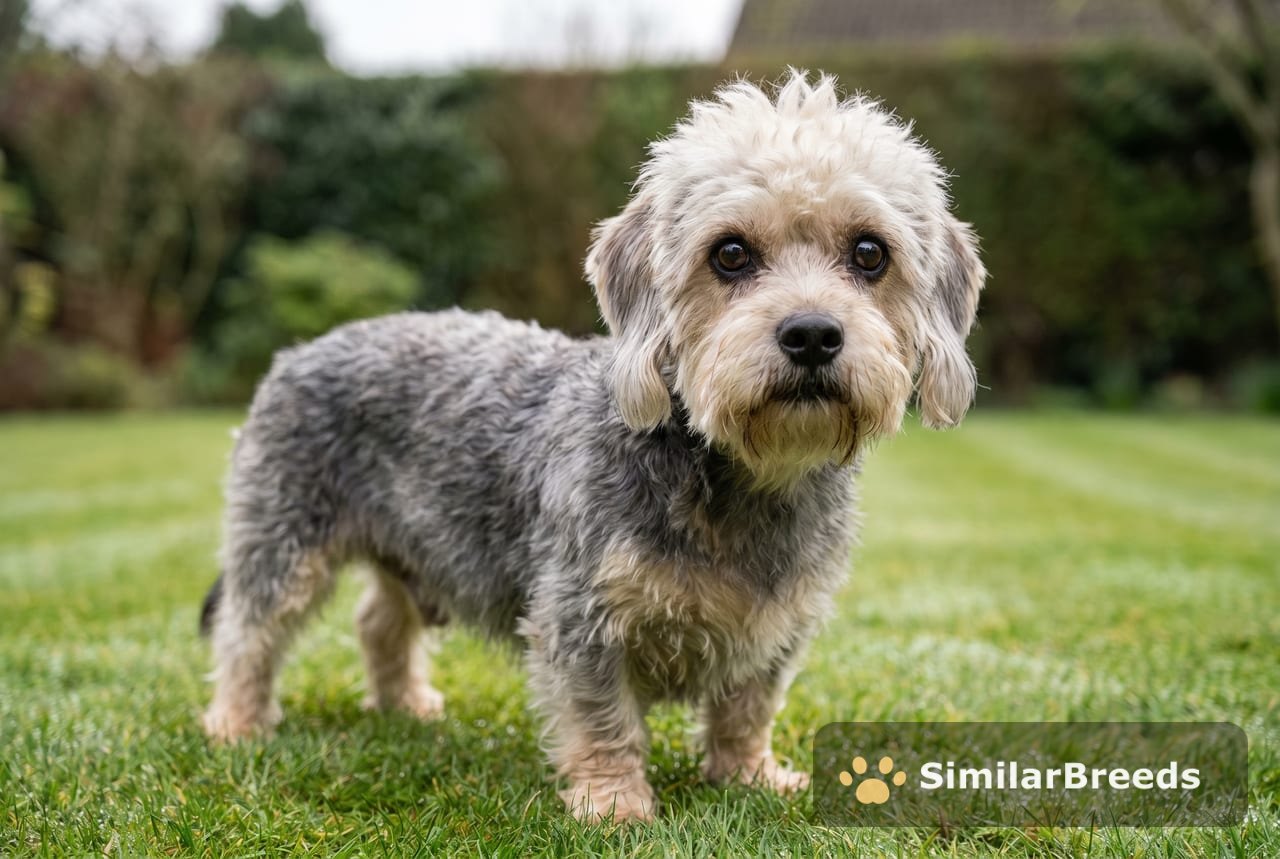
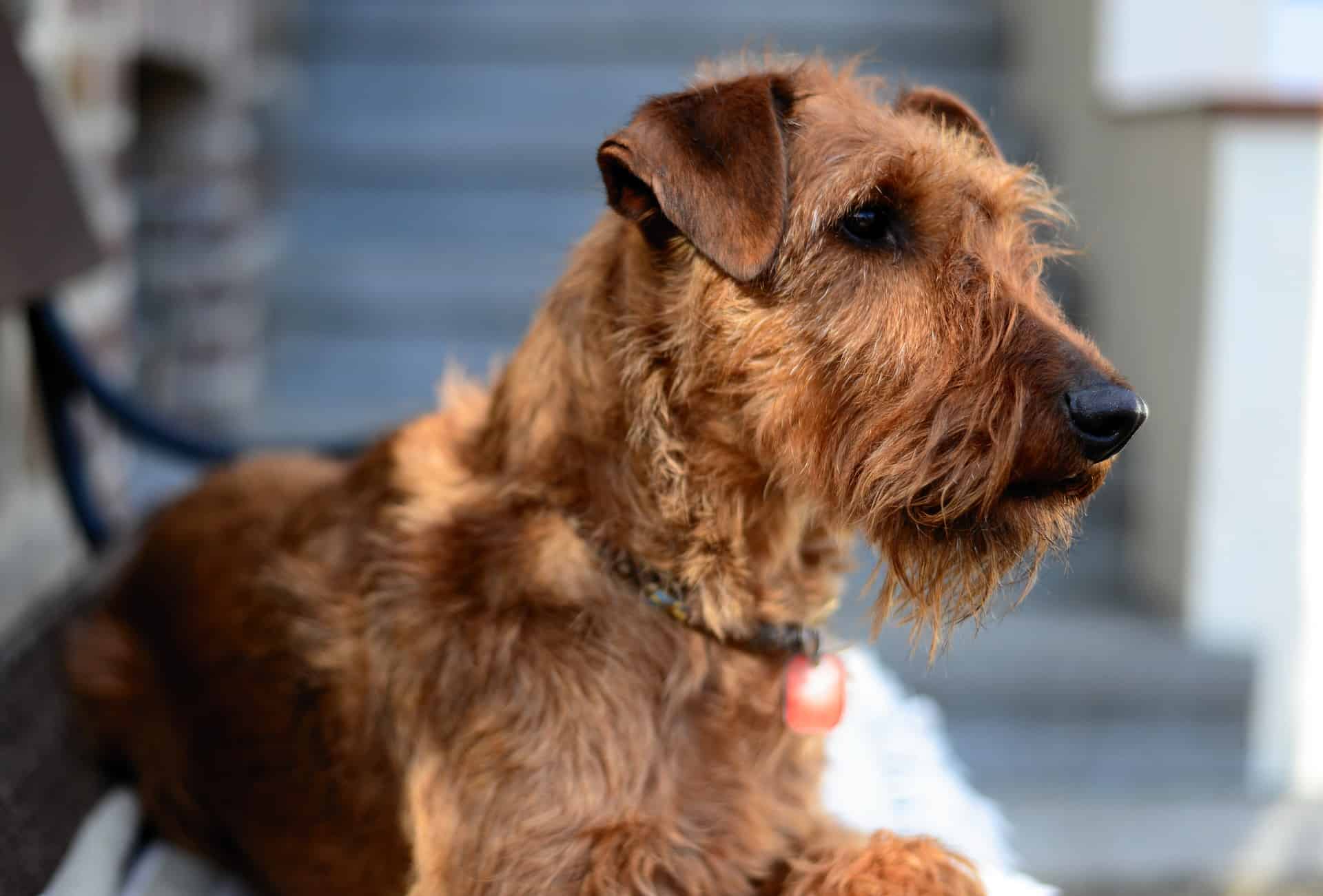
The **Dandie Dinmont Terrier** is the closest parallel in build and character: another low-slung, longer-bodied terrier from the British Isles bred for rough-country vermin work, with the same calm-for-a-terrier personality and a coat that needs stripping. The **Irish Terrier** shares the Glen's national origin and working-terrier purpose, bred for the same combination of gameness and family loyalty.
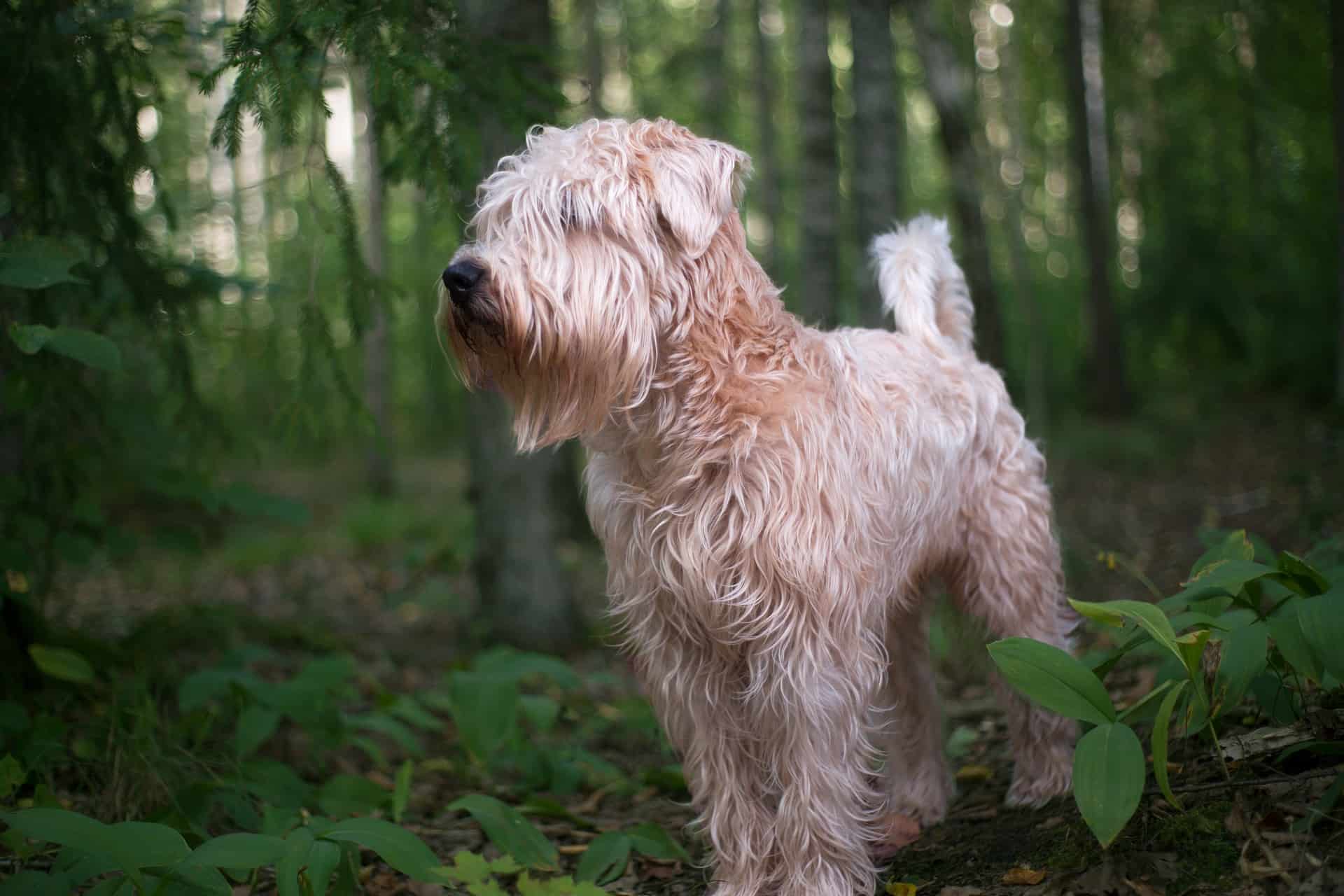
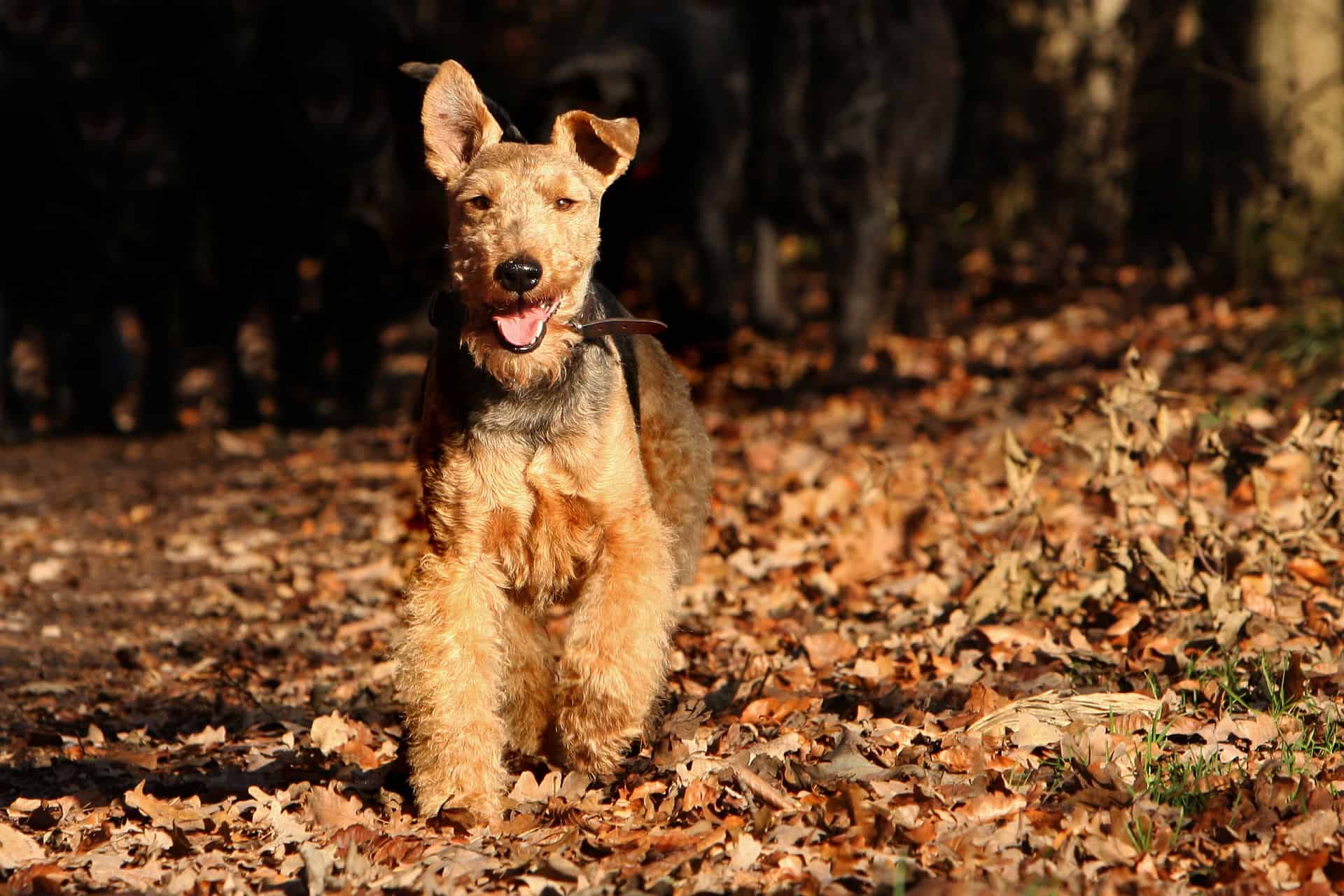
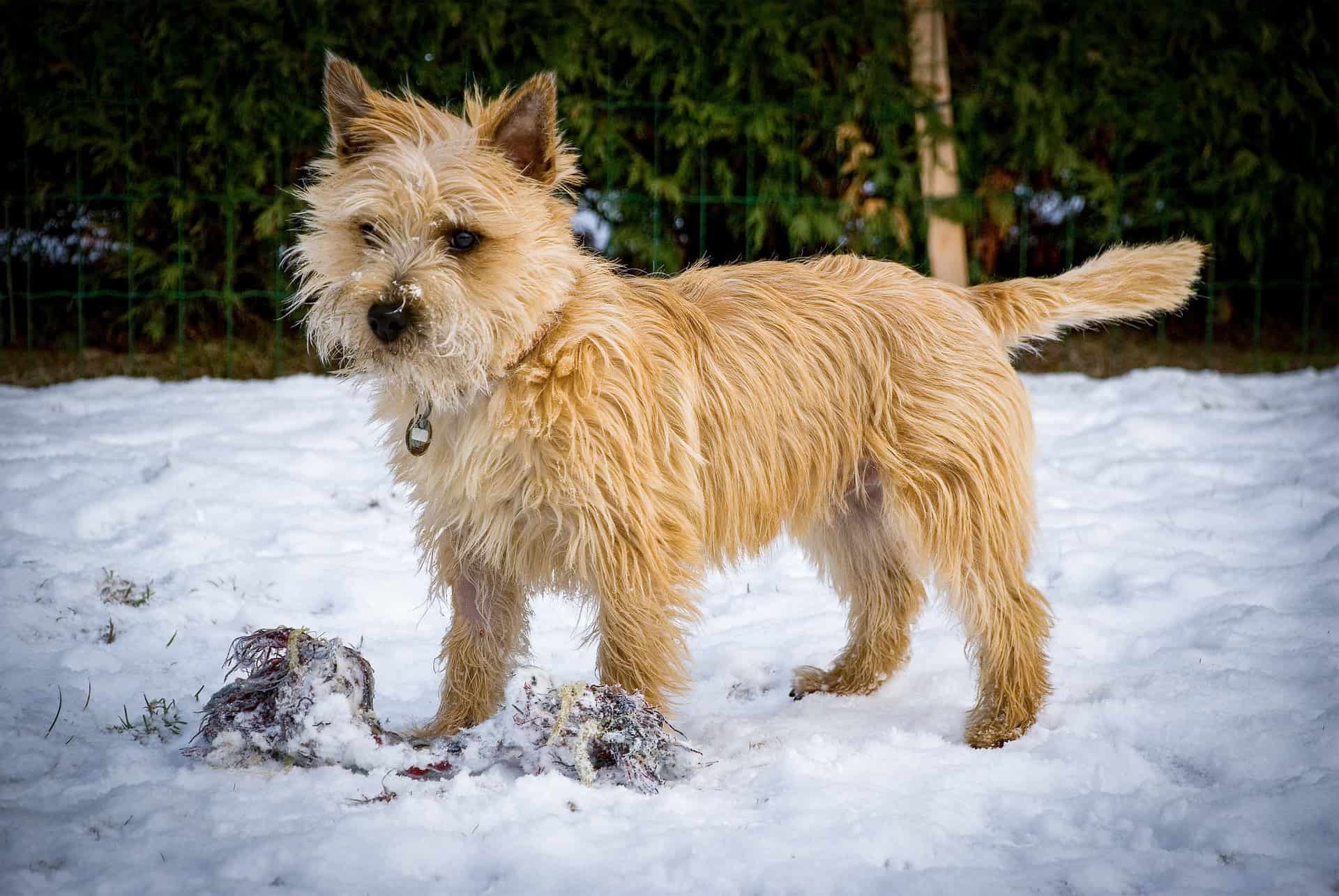
The **Soft Coated Wheaten Terrier** also comes from Ireland and was used on similar farm work, offering comparable affection and playfulness with a slightly lower prey-drive edge. The **Welsh Terrier** is a fellow earth-dog built for going to ground on fox and badger in unforgiving terrain, with the same moderate size and independent streak. The **Cairn Terrier** rounds out the group as another compact, hardy British working terrier shaped by rocky upland country, sharing the Glen's courage, curiosity, and preference for keeping its own counsel.
Trait ratings
- Energy level
- 3/5
- Exercise requirements
- 3/5
- Playfulness
- 5/5
- Affection level
- 4/5
- Friendliness toward dogs
- 2/5
- Friendliness toward other pets
- 3/5
- Friendliness toward strangers
- 3/5
- Ease of training
- 3/5
- Watchdog ability
- 2/5
- Protection ability
- 2/5
- Grooming requirements
- 2/5
- Cold tolerance
- 3/5
- Heat tolerance
- 2/5