German Pinscher
From Germany
Purpose & Origin
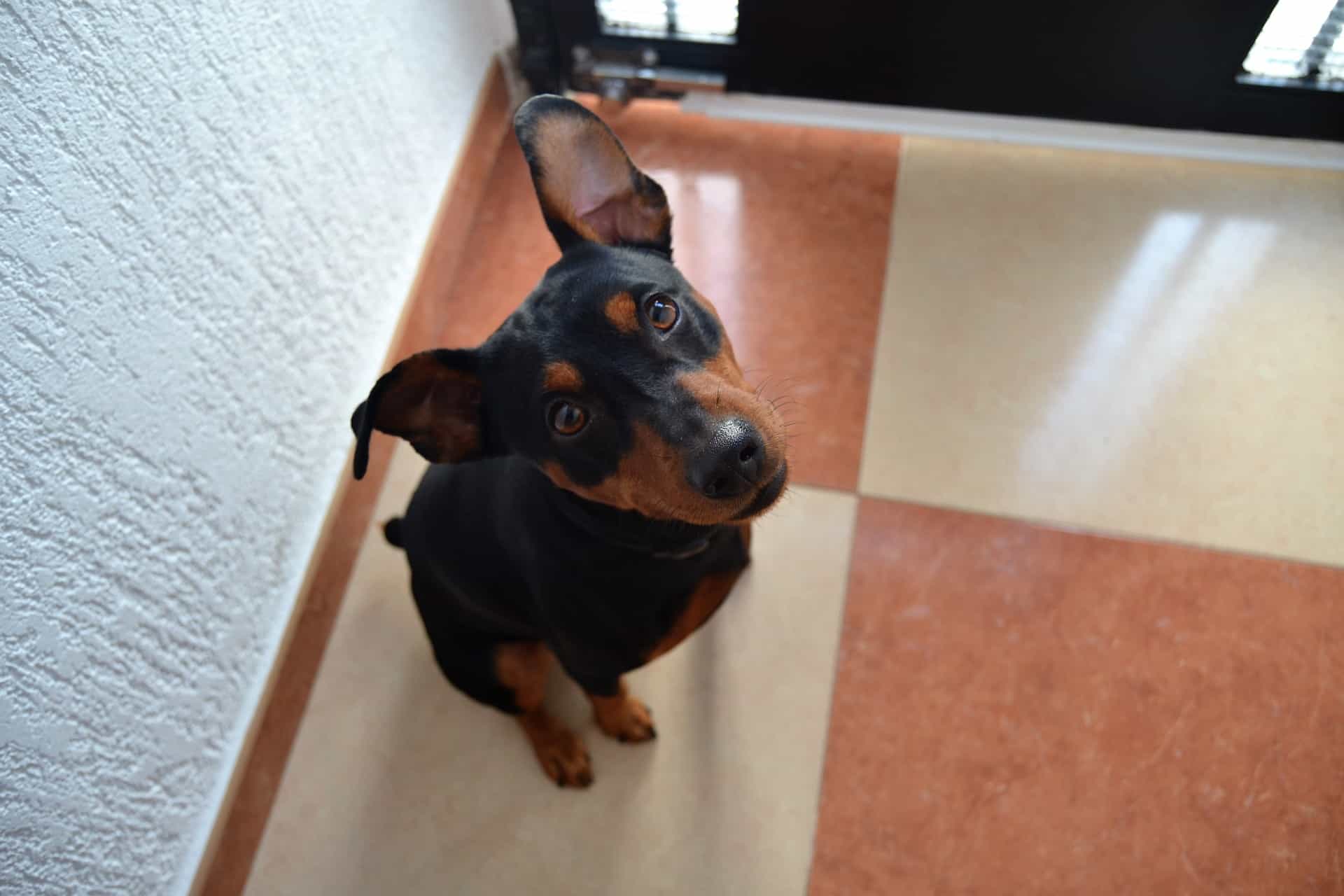
The German Pinscher is older than the breeds it spawned. Its lineage runs back to the German Bibarhund of the seventh century and the Tanner of the fourteenth, and by the 1600s dogs of this type were being crossed with Black and Tan Terriers to produce the Rattenfanger, a working ratter and yard watchdog. That dog evolved into the Pinscher and remained a working animal for centuries, valued most for keeping stables clear of rodents.
A breed standard appeared in 1884, but the two world wars nearly finished the German Pinscher entirely. Between 1949 and 1958 not a single litter was registered in West Germany. The breed was rebuilt almost from nothing in 1958 using four oversized Miniature Pinschers and one female smuggled out of East Germany, making every living German Pinscher a descendant of just five dogs. The breed reached America in the late 1970s and joined the AKC Working Group in 2003.
Temperament & Behaviour
This is a vigilant, self-possessed dog that takes its watchdog role seriously without being a nuisance barker. The German Pinscher is highly alert and will signal genuine threats, but it does not sound off at shadows. It is playful and affectionate with its family, and fine with children who treat it respectfully. Strangers get a cool reception, and the dog can be argumentative with other dogs over rank.
Small pets, particularly rodents, are a poor fit given the breed's centuries-old ratting instinct. The German Pinscher is a quick learner but not inclined to obey for its own sake: it will size up a request and decide whether it makes sense. Owners who mistake that for stubbornness and back down will find themselves outranked in their own household.
Activity & Training
High energy and easily bored, the German Pinscher needs genuine daily activity, not just a brief walk. It belongs inside the household and does poorly when left alone in a kennel or yard: boredom translates quickly into destructive behaviour. Training works best with someone who can be consistent, calm, and convincing rather than forceful. The breed responds to clear structure and purposeful work. This is not a dog for a first-time owner who underestimates the importance of early socialisation and firm, fair leadership.
Grooming
Grooming is minimal. The short, tight coat needs only occasional brushing and a bath when dirty. This is one of the lowest-maintenance coats in the working group.
Health
The German Pinscher is a long-lived breed, with a typical lifespan of 12 to 15 years. No major hereditary concerns dominate the breed. Conditions seen occasionally include von Willebrand's disease, cataracts, and hip dysplasia. Reputable breeders test for hip soundness, eye health, and the vWD DNA marker.
Why these breeds are similar
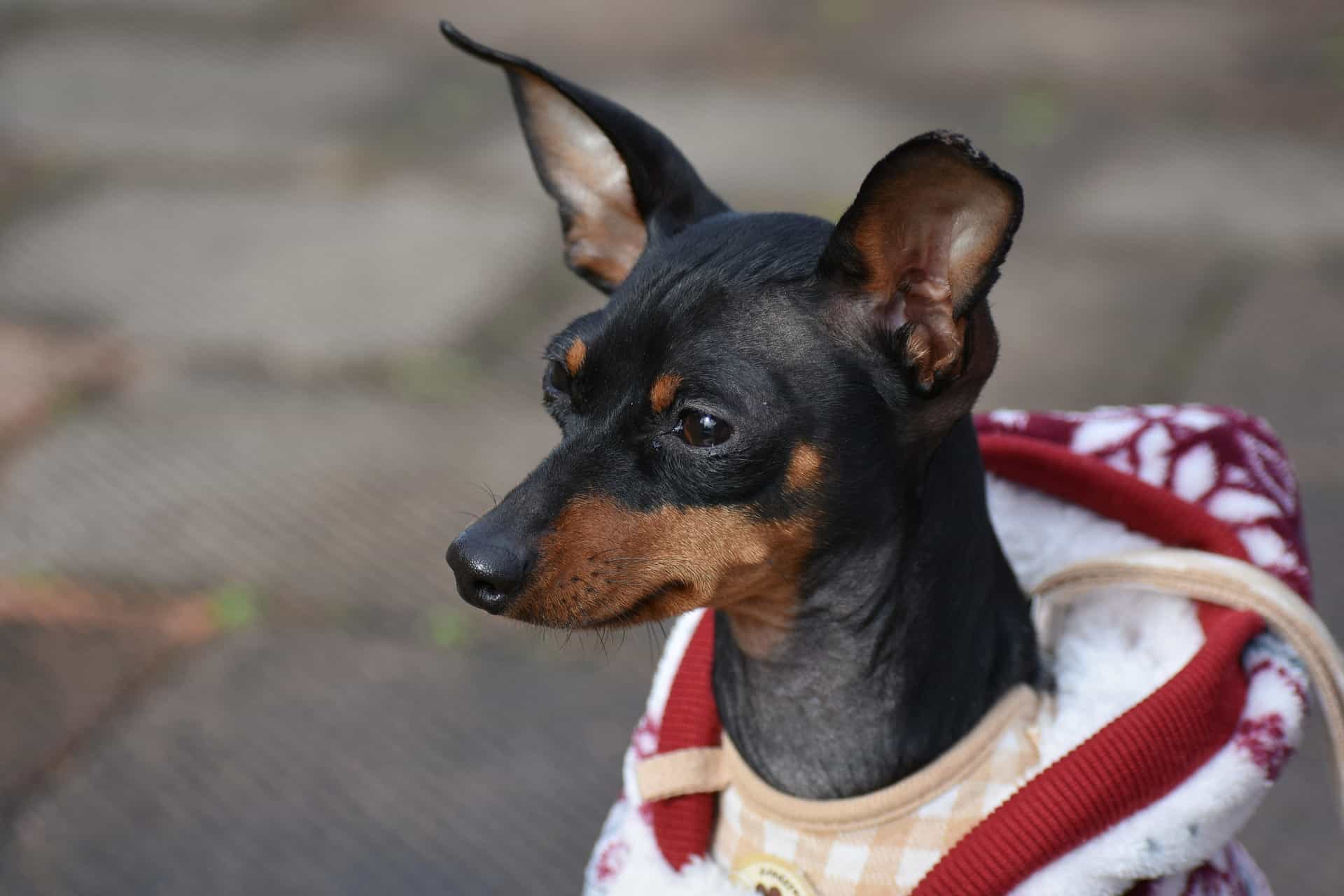
The Miniature Pinscher shares the most direct connection: it is a smaller, older parallel line from the same Pinscher stock, and the German Pinscher's revival after World War II literally depended on MinPin blood. The two breeds share the same alert, assertive temperament, the same sleek coat, and a near-identical outline, differing mainly in size.
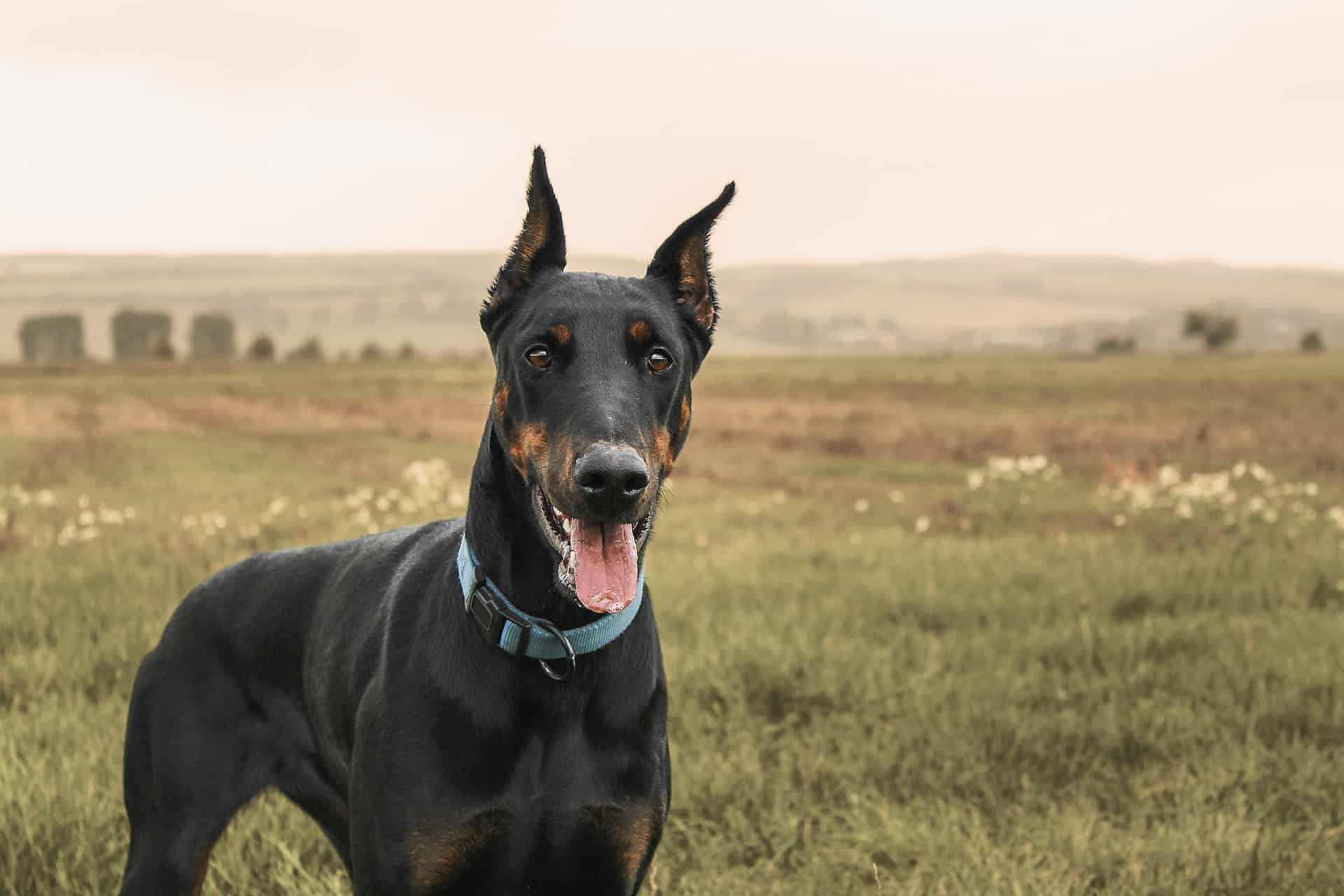
The Doberman Pinscher sits at the other end of the scale, a larger and more powerful dog developed in the 1890s from related Pinscher stock. The Doberman shares the German Pinscher's watchfulness, high energy, and loyalty, with the same low-maintenance coat.
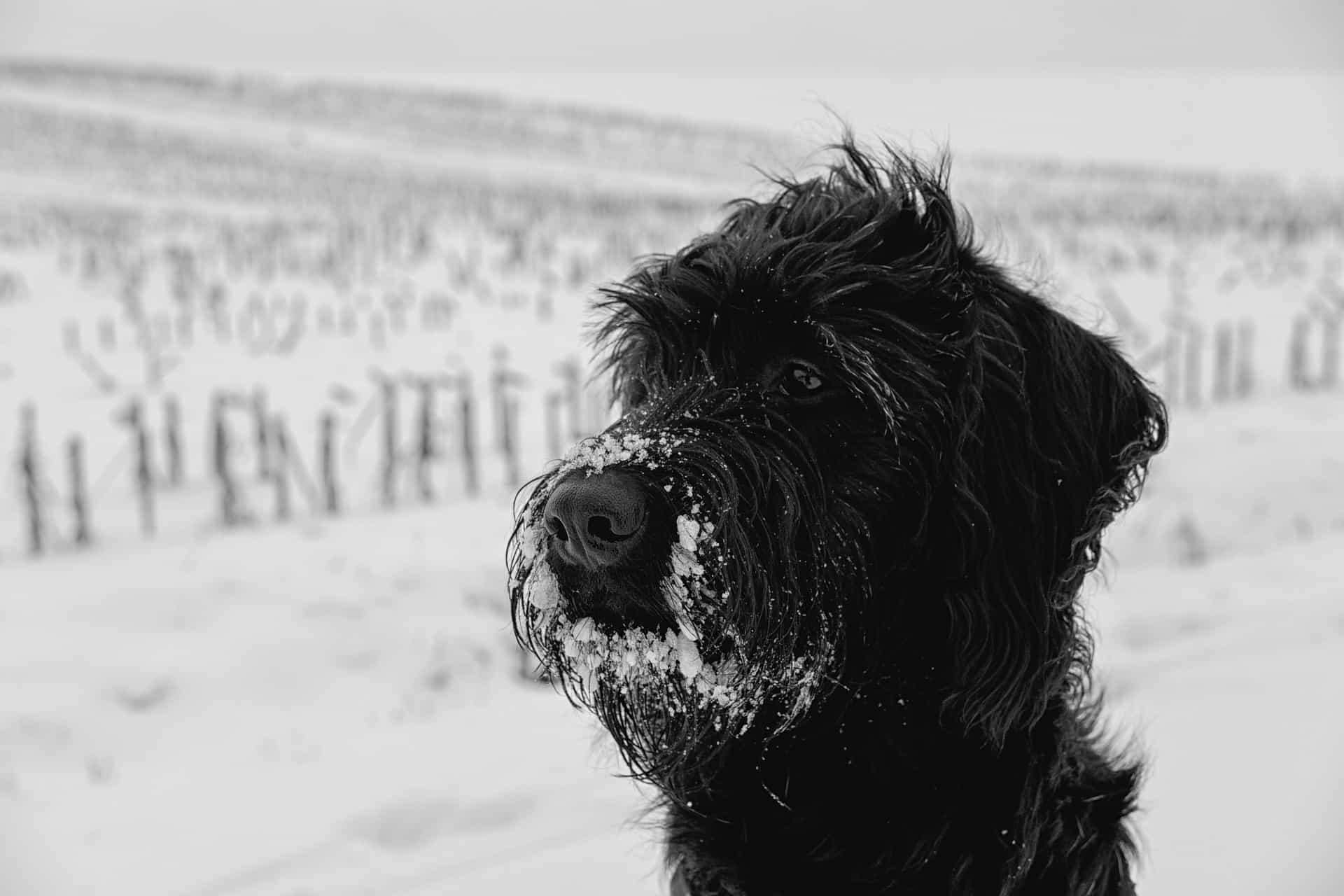
The Standard Schnauzer occupies the same size range and was developed alongside the Pinscher in Germany, classified in the same FCI group. Both breeds were all-purpose farm workers valued for ratting and guarding, and both carry a bold, independent character that demands a confident owner.
Trait ratings
- Energy level
- 4/5
- Exercise requirements
- 3/5
- Playfulness
- 4/5
- Affection level
- 4/5
- Friendliness toward dogs
- 2/5
- Friendliness toward other pets
- 1/5
- Friendliness toward strangers
- 2/5
- Ease of training
- 3/5
- Watchdog ability
- 5/5
- Protection ability
- 3/5
- Grooming requirements
- 1/5
- Cold tolerance
- 1/5
- Heat tolerance
- 4/5