French Bulldog
From France
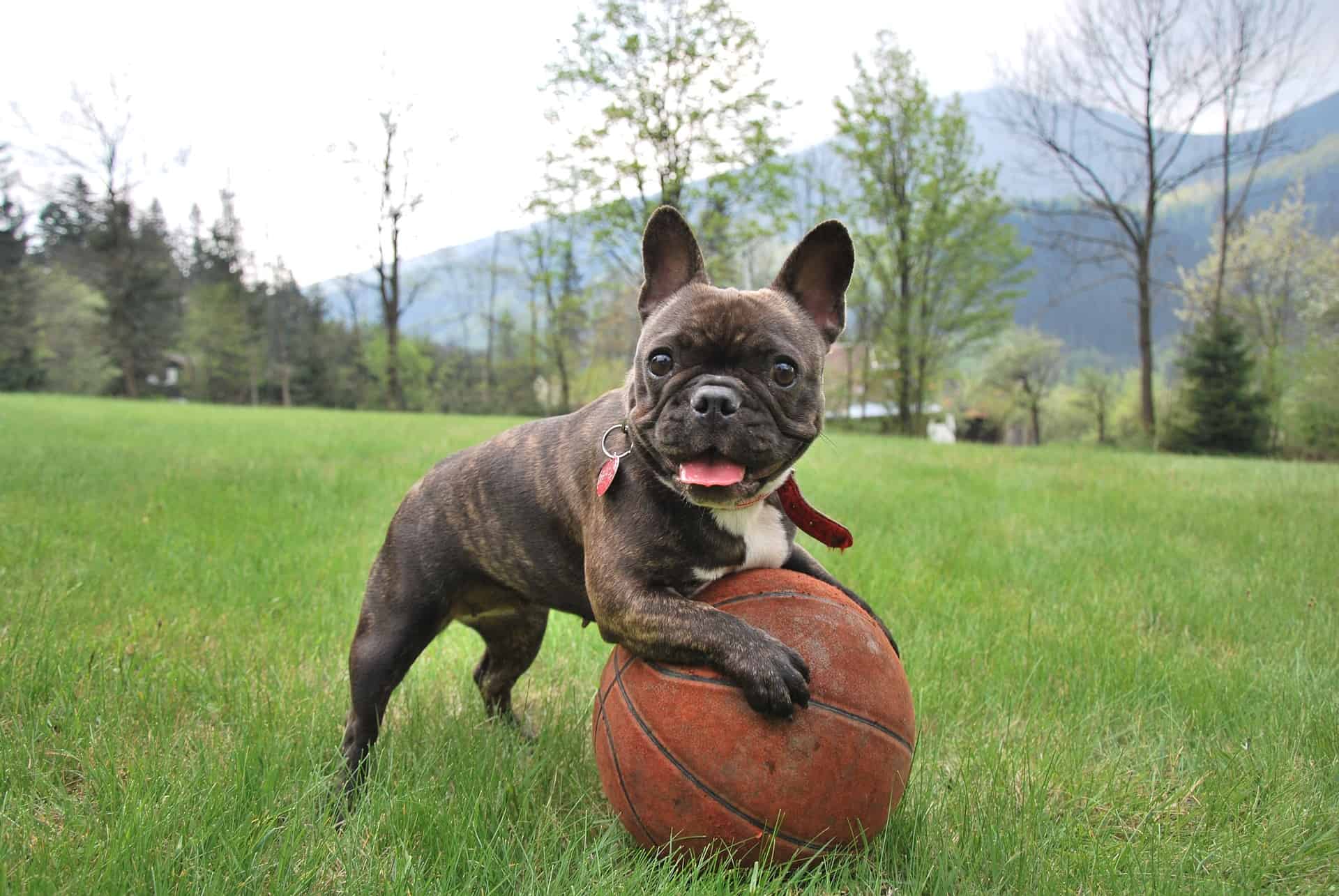
Purpose & Origin
The French Bulldog started life as a scaled-down version of the English Bulldog, bred by lace workers in the Nottingham area who wanted a smaller companion that could fit in a lap. When the textile trade drove many of these workers to France in the mid-1800s, their little "toy" Bulldogs came with them. French women took an immediate liking to the dogs, particularly those with upright, bat-like ears that English breeders had considered a fault. Parisian dog dealers brought more of them across the Channel, and the Bouledogue Francais became the fashionable pet of the city.
By the end of the century, wealthy American tourists had spotted them in France and started importing breeding stock back home. An American club formed, and in 1898 staged a lavish show dedicated entirely to the breed. The Frenchie became a darling of high society on both sides of the Atlantic, ranking among the most popular show dogs in America by 1913.
Temperament & Behaviour
This is a companion dog through and through, bred for the lap and not much else. The French Bulldog entertains its family with a comedic streak, then settles in for a long nap pressed against its favourite person. It is affectionate and genuinely willing to please, though its low training scores signal a stubborn streak that can make formal obedience a slow project. The breed is reserved with strangers rather than openly friendly, which gives it a light watchdog utility without any real guarding instinct. It generally gets on well with other pets and manages acceptably with other dogs.
Activity & Training
Exercise needs are minimal. A short walk on lead each day is enough to keep a Frenchie physically satisfied, and an outdoor romp now and then adds mental variety. Heat is a serious constraint: this breed handles hot, humid conditions poorly and must not be pushed in warm weather. Most Frenchies cannot swim and should be kept away from unsupervised water. Training requires patience rather than intensity. The dog wants to cooperate but operates on its own timeline, so short, consistent sessions with clear rewards work far better than repetitive drills.
Grooming
Coat maintenance is about as light as it gets. The short, smooth coat needs only an occasional brush and a wipe-down. The real upkeep is the wrinkles: the facial folds trap moisture and debris and need regular cleaning to prevent skin irritation. The breed also snores, wheezes, and may drool, all normal features of the brachycephalic head shape rather than signs of illness.
Health
The French Bulldog carries significant health baggage tied to its flattened face. Brachycephalic syndrome, which includes narrowed nostrils and an elongated soft palate, is a major concern and can restrict breathing enough to require surgical correction. Intervertebral disc disease and hip dysplasia appear in the breed, along with patellar luxation and occasional vertebral malformations. The breed is sensitive to anesthesia and does not tolerate heat. Caesarean deliveries are common due to the puppies' large heads. Life expectancy runs roughly nine to eleven years.
Why these breeds are similar
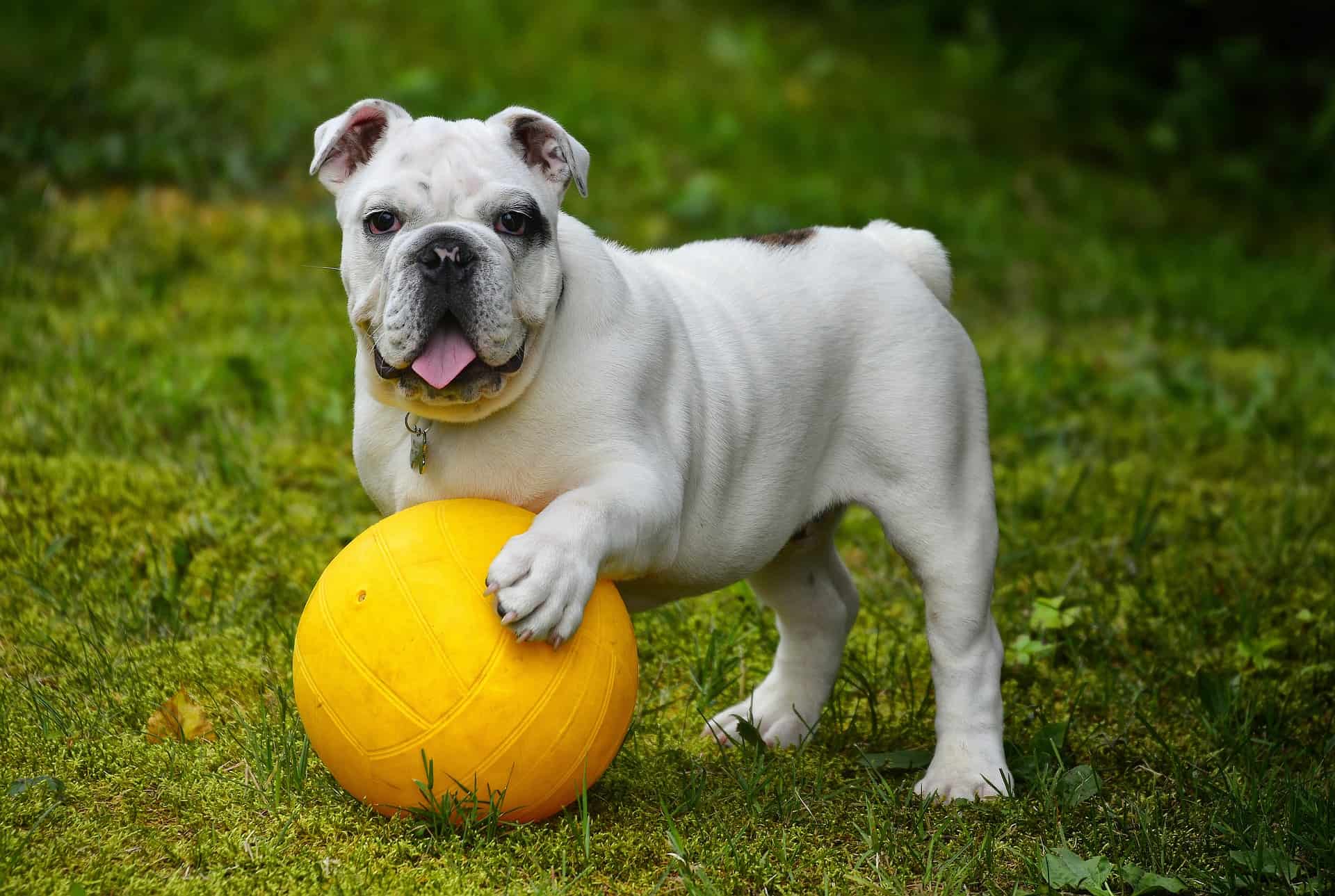
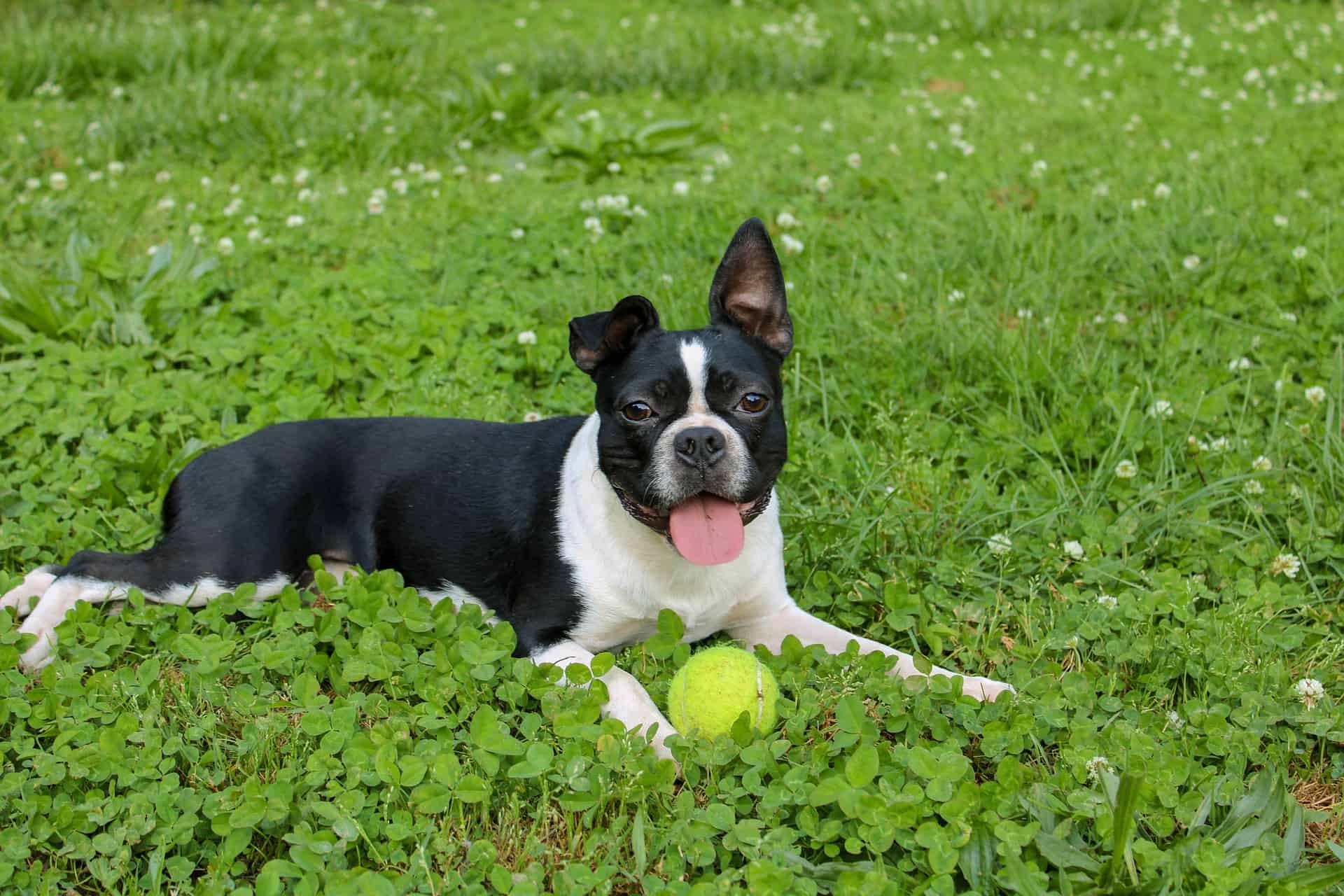
The **Bulldog** is the direct ancestor of the French Bulldog and shares its mastiff-bull heritage, compact build, brachycephalic face, and low-exercise companion role. The family resemblance is unmistakable; the Frenchie is essentially the smaller, lighter version. The **Boston Terrier** is the closest match in size and silhouette, another small, bat-eared, short-faced city dog bred purely for companionship, with a similarly moderate temperament and minimal coat.
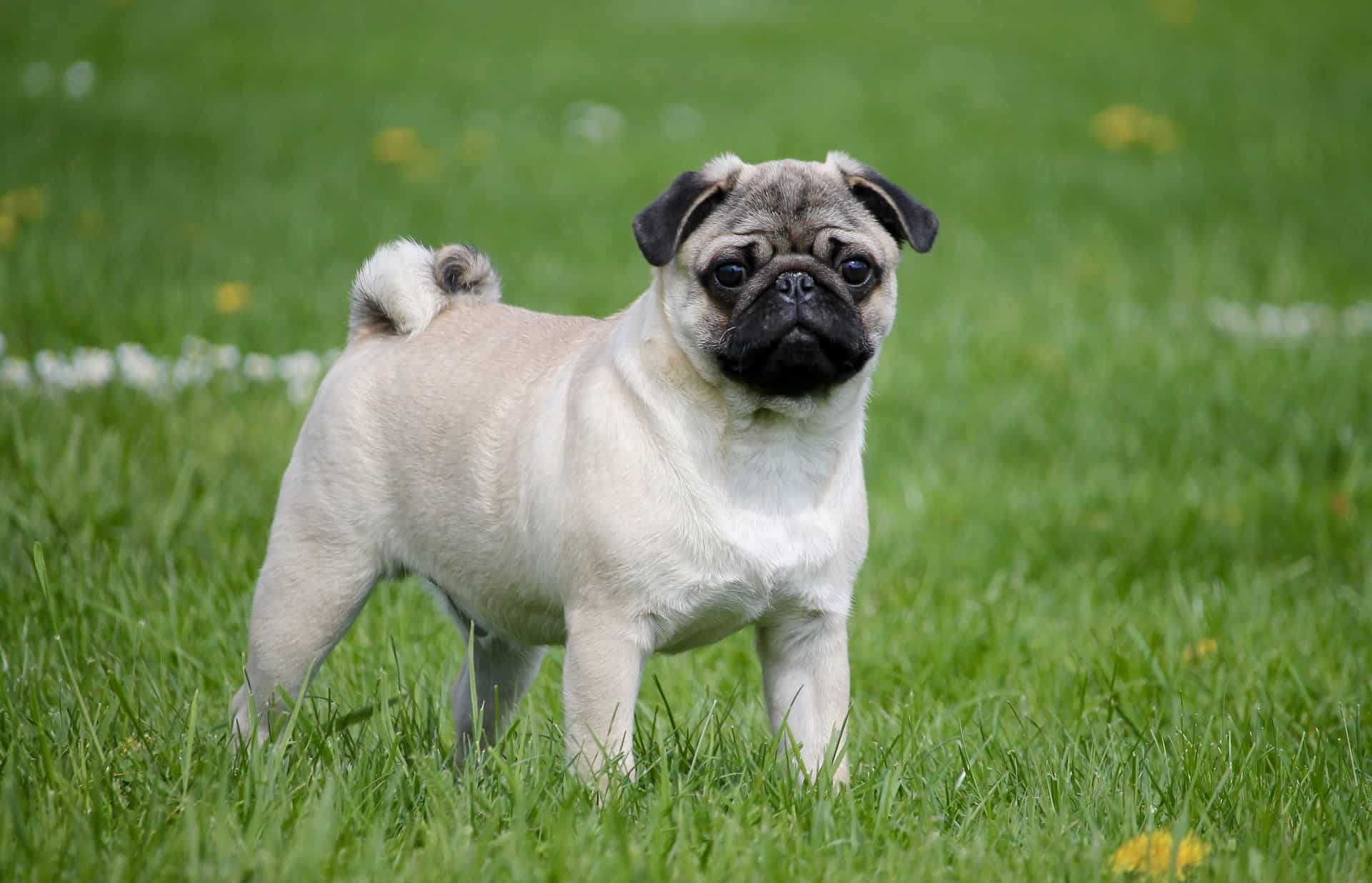
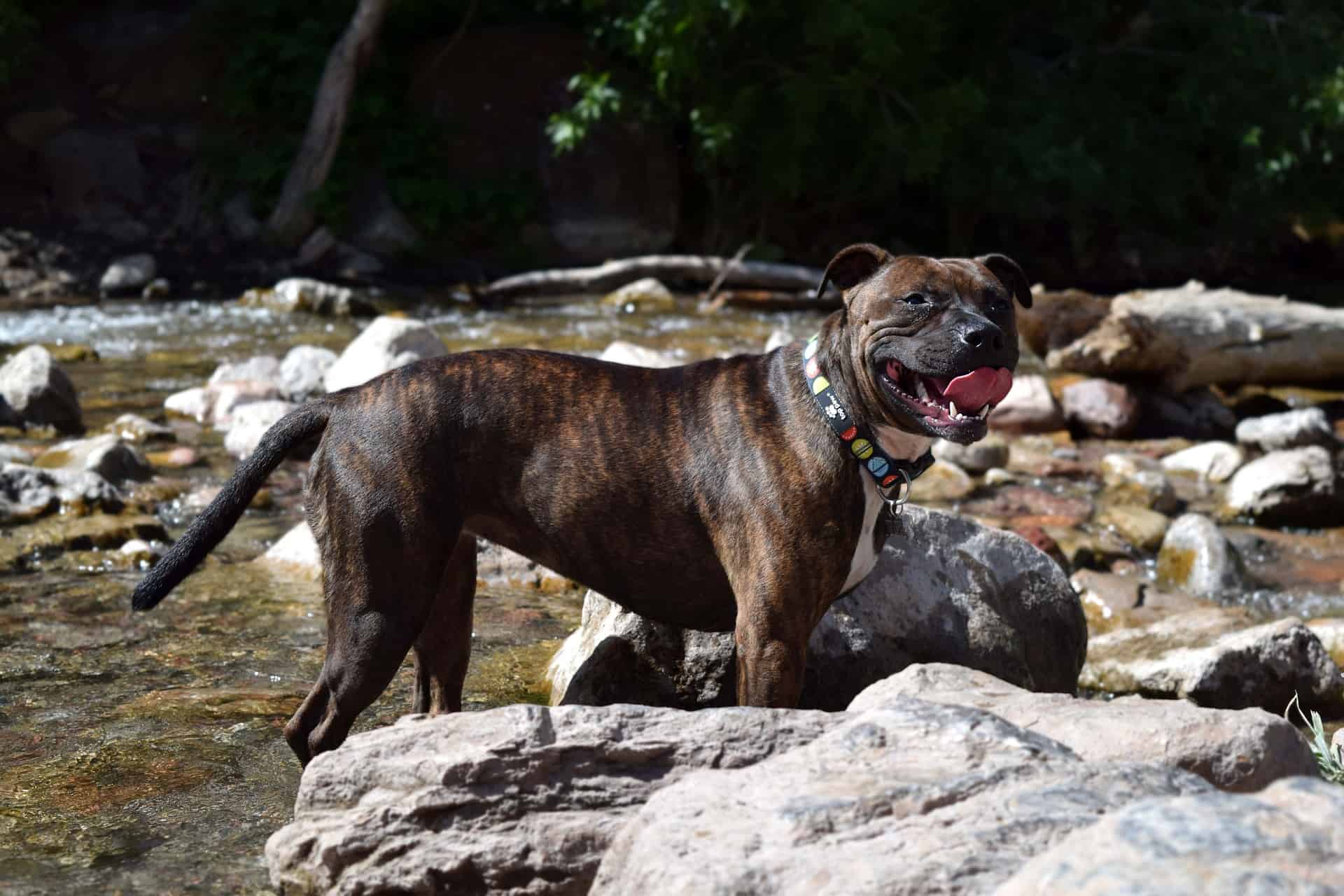
The **Pug** shares the flat face, the lapdog purpose, the propensity to snore, and the same intolerance for heat. Both breeds descend from ancient mastiff-type lines and ended up in the same social role across similar historical periods. The **Staffordshire Bull Terrier** comes from the same bull-and-terrier root stock and shares the stocky, muscular build, the affectionate family character, and the stubborn independence in training, though it is a working terrier underneath where the Frenchie is pure companion.
Trait ratings
- Energy level
- 3/5
- Exercise requirements
- 1/5
- Playfulness
- 3/5
- Affection level
- 3/5
- Friendliness toward dogs
- 3/5
- Friendliness toward other pets
- 4/5
- Friendliness toward strangers
- 1/5
- Ease of training
- 2/5
- Watchdog ability
- 3/5
- Protection ability
- 1/5
- Grooming requirements
- 1/5
- Cold tolerance
- 3/5
- Heat tolerance
- 1/5