Purpose & Origin
The Boston Terrier is one of the few breeds with a fully documented origin, and unusually for a terrier, it was created in America rather than the British Isles. Around 1865, coachmen working for wealthy Boston families began crossing their employers' dogs, and one pairing of an English Terrier and a Bulldog produced a dog named Hooper's Judge. Over the next generation or two, breeders crossed Judge's descendants with smaller females and, most likely, added French Bulldog blood to arrive at a compact, smooth-coated dog unlike anything that had existed before.
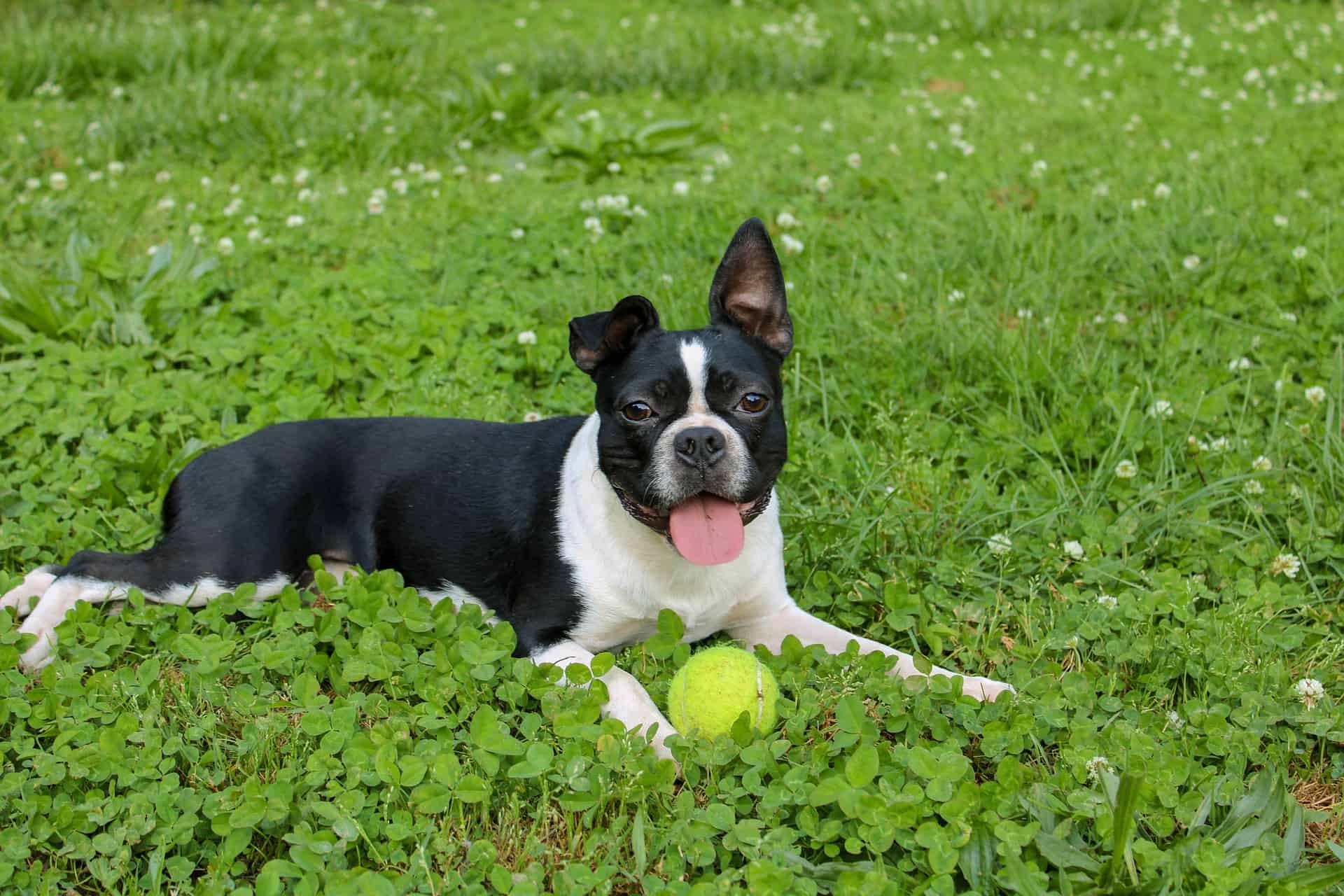
By 1889 the breed had a club, and by 1893 the AKC had recognised it, a rise from nothing to official recognition in under 20 years. Early breeders cared little about markings, but by the early 1900s the breed's distinctive white-and-brindle or white-and-black tuxedo pattern had become a defining feature and earned it the nickname "American Gentleman." The original function was ratting and general companionship, and companionship has dominated ever since.
Temperament & Behaviour
The Boston is perceptive about its owner's mood, devoted, and well-mannered indoors. It has enough terrier in its background to be lively and game, enjoying a good ball chase, and it will bark at unfamiliar people or noises, making it a capable watchdog despite having almost no protective instinct beyond the alarm.
Some Bostons are assertive toward dogs they don't know, but as a rule the breed gets along well with other pets. A degree of stubbornness is there, inherited from both terrier and bull-breed ancestry, though it learns quickly when motivated. The combination of alertness, affection, and moderate energy suits apartment life well, provided the dog gets enough daily engagement.
Activity & Training
Exercise requirements are genuinely low. A short leash walk and a game in the yard satisfy most Bostons, and the breed adapts well to a less active household. The flat face creates real limits: Bostons overheat quickly in warm weather and can struggle in cold weather too, so outdoor time should be kept brief in temperature extremes. Training is straightforward for an experienced owner. The stubbornness shows occasionally, but the Boston is clever enough to pick up commands once it understands what's being asked. Consistency and short sessions work better than repetition.
Grooming
Coat care is minimal. The short, smooth coat needs only an occasional brush to lift dead hair and stays clean without frequent bathing. The breed sheds lightly and reliably. The flat face warrants attention to skin fold hygiene, and the prominent eyes are prone to corneal abrasions, so checking for redness or discharge is a sensible routine habit.
Health
The Boston shares the brachycephalic vulnerabilities common to flat-faced breeds: stenotic nares and elongated soft palate can restrict breathing, wheezing and snoring are common, and the breed is sensitive to anaesthesia. Heat tolerance is poor. Patellar luxation and allergies appear regularly. Cataracts, deafness, and seizures occur occasionally. Breeding stock should have knee and eye clearances. Caesarean deliveries are often required due to the breed's broad head.
Why these breeds are similar
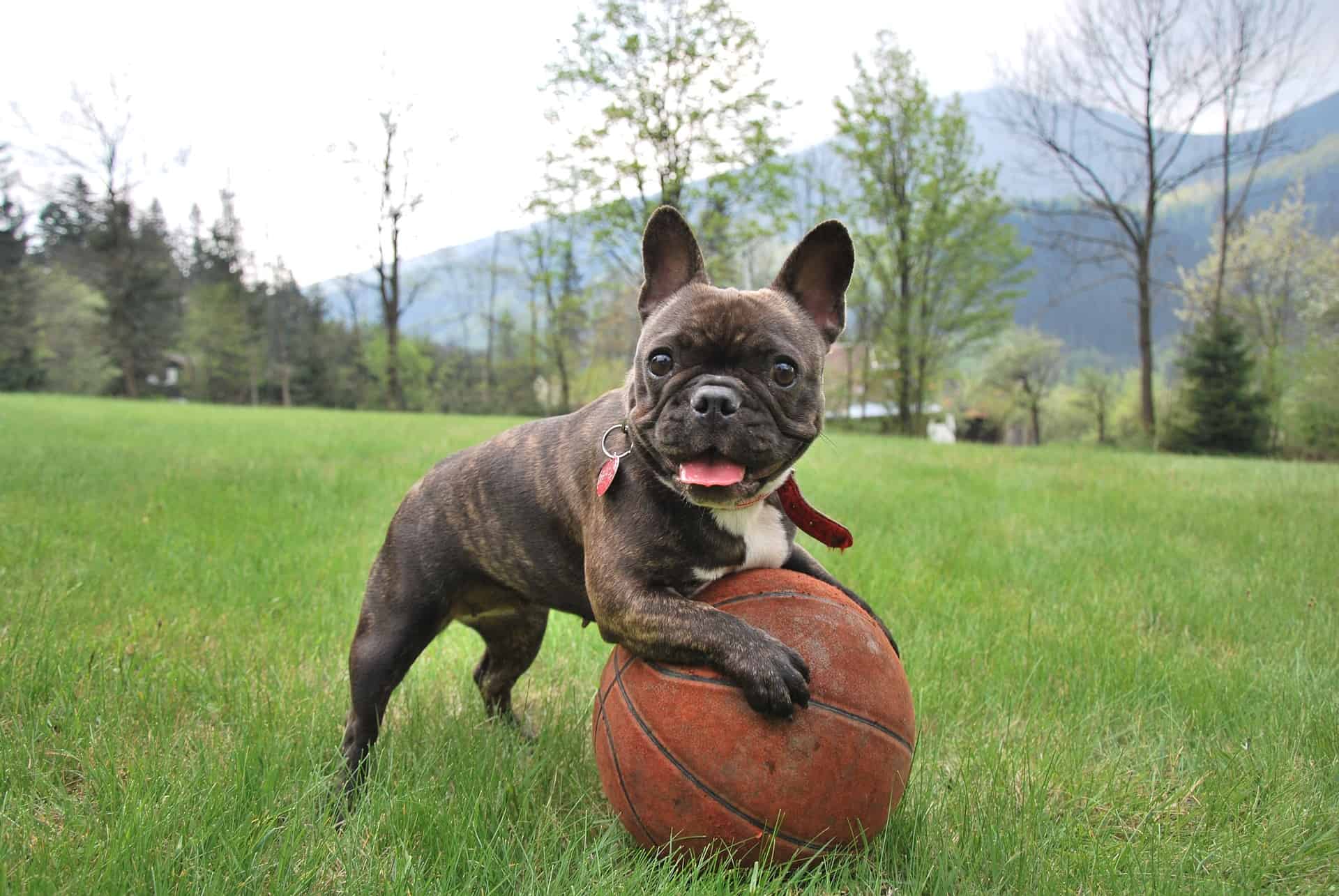
The **French Bulldog** is the closest match, sharing the Boston's flat face, compact muscular build, bat ears, and bull-breed ancestry. The two breeds even share common ancestry through the French Bulldogs that likely contributed to the Boston's early development. Both are low-exercise city dogs with the same brachycephalic health caveats.
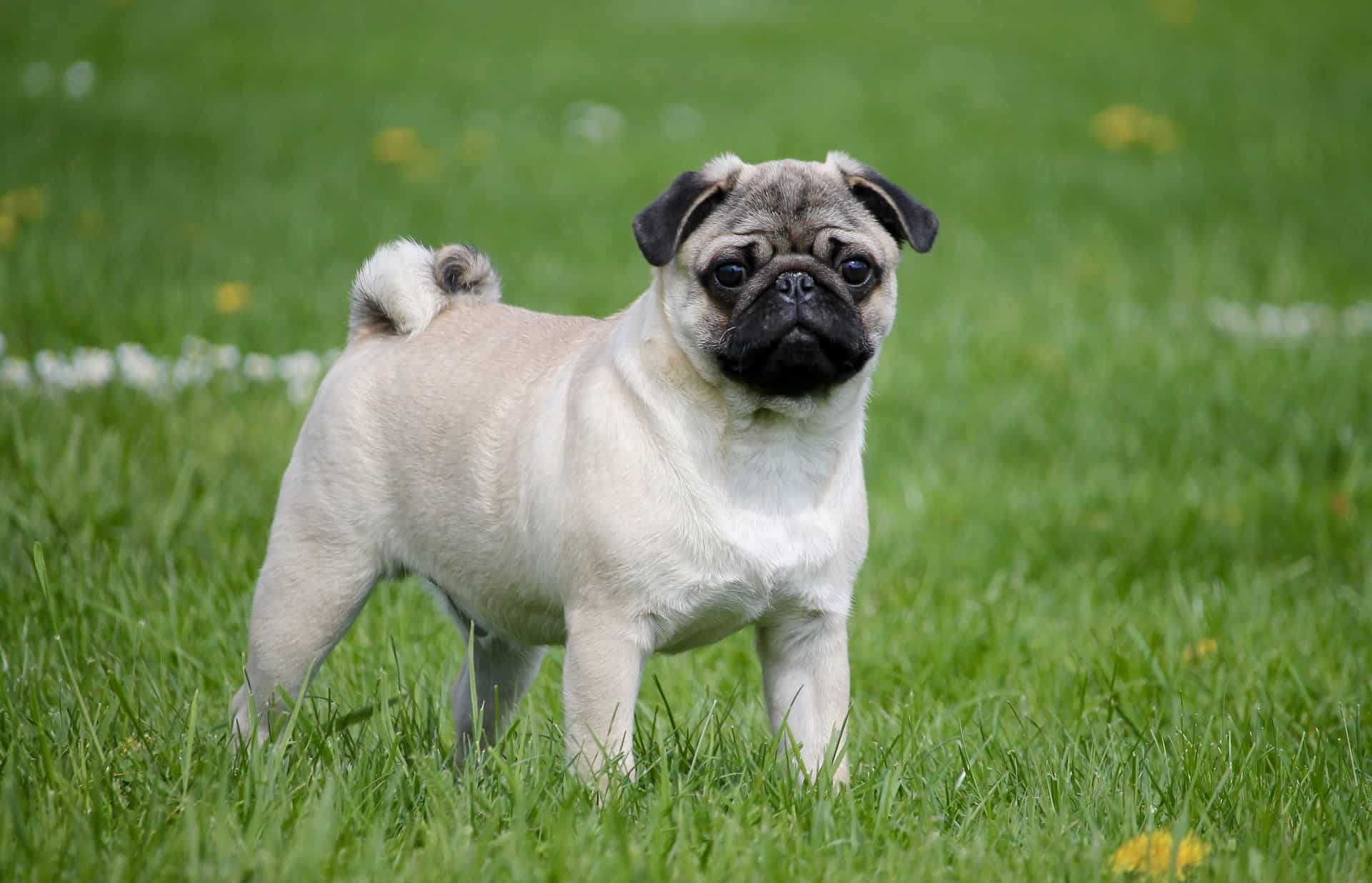
The **Pug** rounds out the flat-faced companion group: same tolerance for indoor life, same overheating risk, same devoted temperament, though the Pug is rounder and has a more uniformly soft character without the Boston's terrier spark.
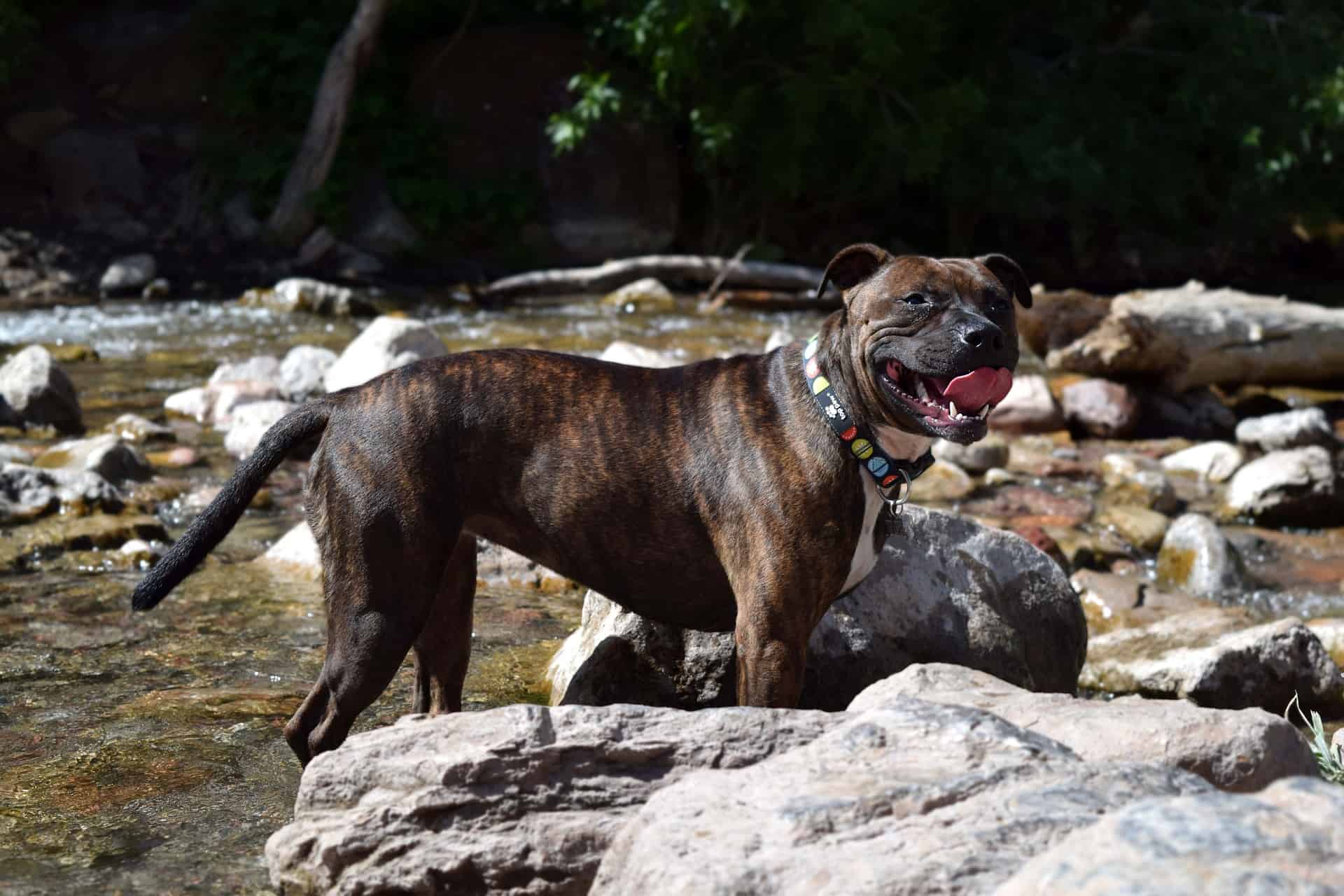
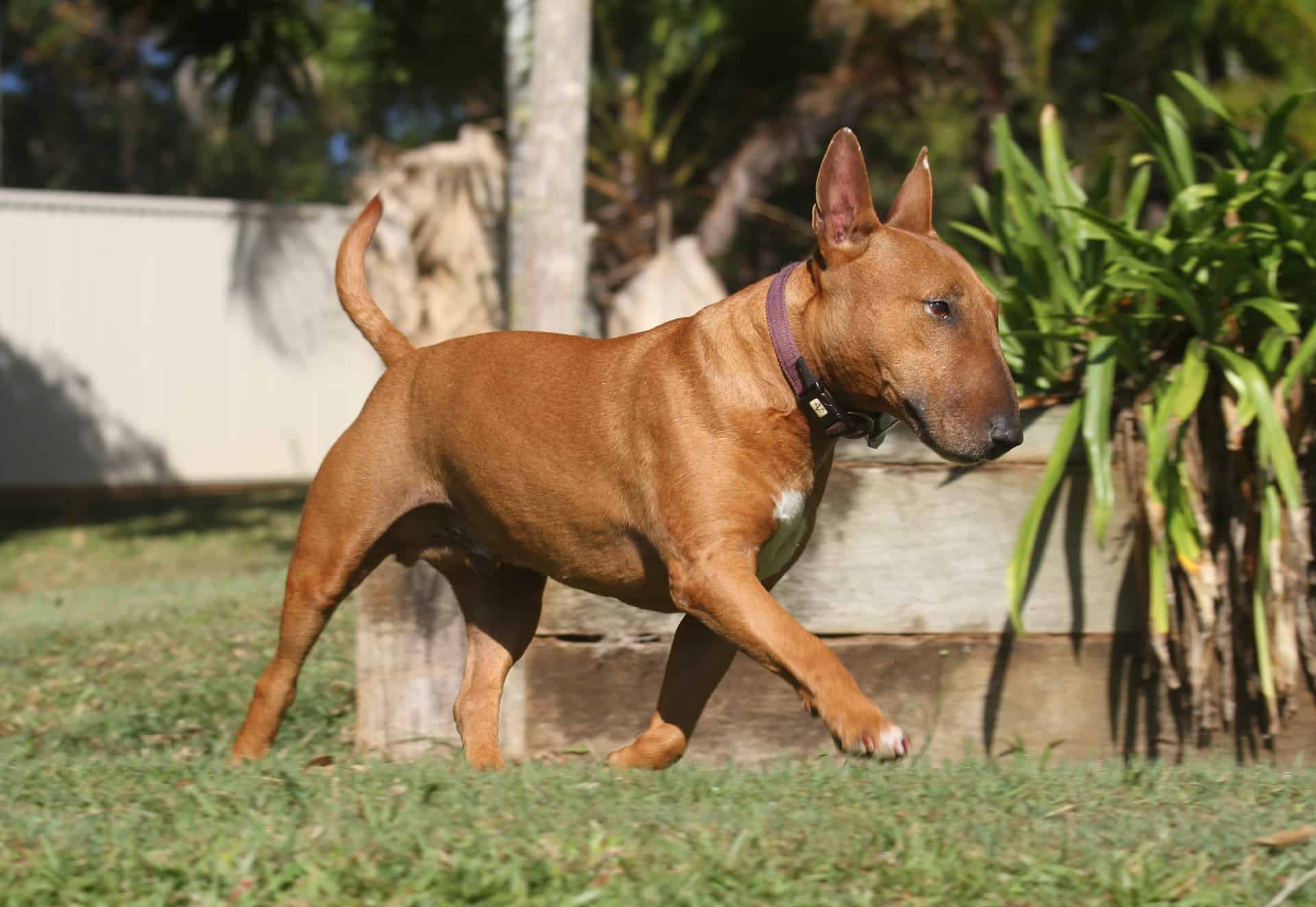
The **Staffordshire Bull Terrier** and **Miniature Bull Terrier** connect through the bull-and-terrier ancestry the Boston shares. Both are compact, muscular, energetic, and loyal dogs with a stubborn streak. The Staffy and Mini Bull carry more drive and exercise need than the Boston, but the physical type and the combination of affection with tenacity link all three clearly.
Trait ratings
- Energy level
- 3/5
- Exercise requirements
- 1/5
- Playfulness
- 3/5
- Affection level
- 3/5
- Friendliness toward dogs
- 3/5
- Friendliness toward other pets
- 4/5
- Friendliness toward strangers
- 3/5
- Ease of training
- 3/5
- Watchdog ability
- 5/5
- Protection ability
- 1/5
- Grooming requirements
- 1/5
- Cold tolerance
- 1/5
- Heat tolerance
- 1/5