Field Spaniel
From Great Britain
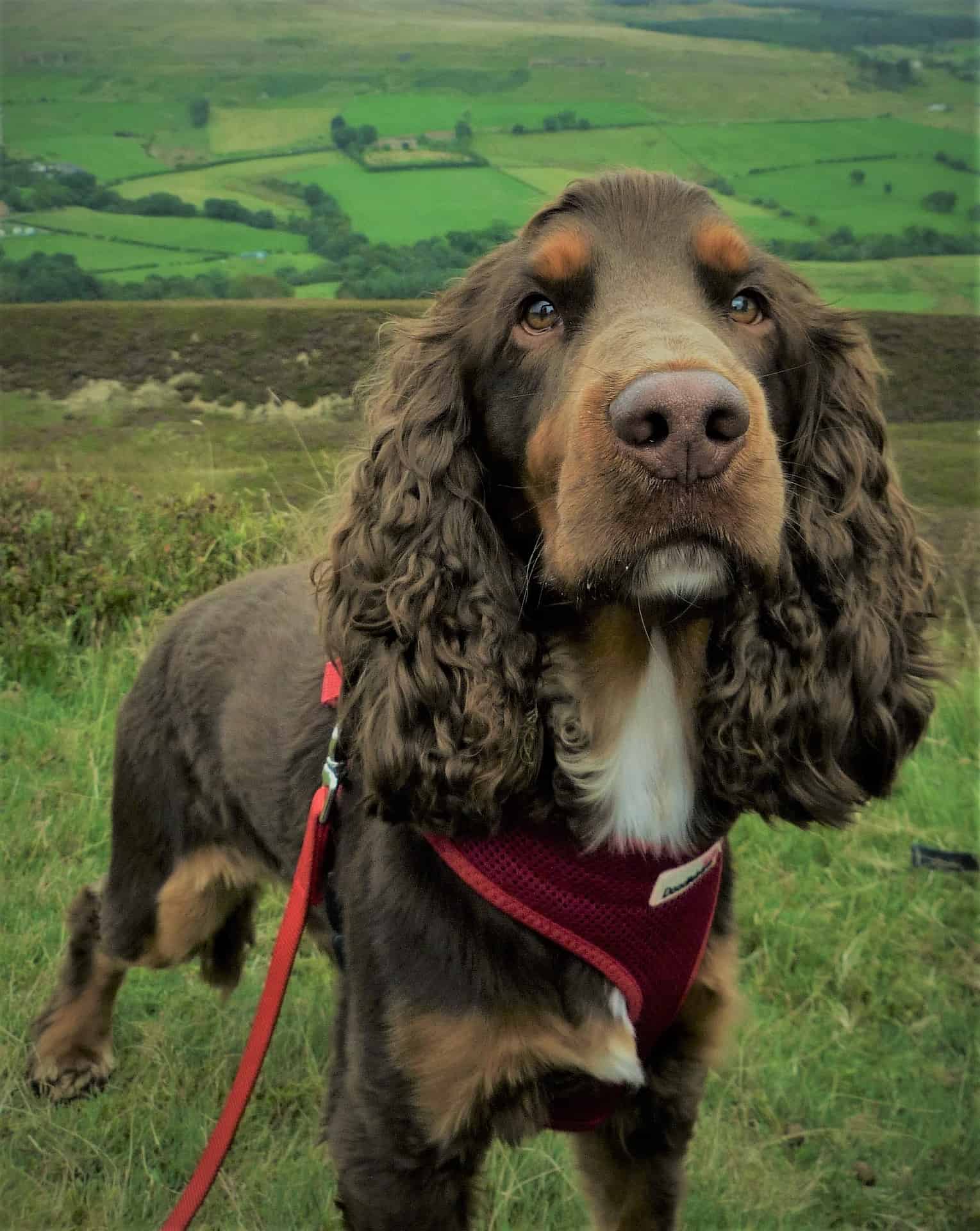
The Field Spaniel is a medium-sized gundog that was originally used for retrieving game birds from water. This calm but high-energy dog breed needs continuous activity and is the ideal hunting partner for an active family living in rural areas. Field Spaniel was bred by mixing the English Cocker Spaniel and the Sussex Spaniel.
Purpose & Origin
The Field Spaniel began as nothing more than a size classification. In the 1800s, land spaniels weighing over 25 pounds were grouped as Field Spaniels, while the lighter ones became Cocker Spaniels. The breed was built from Cocker, Sussex, and English Water Spaniel stock, originally required to be black, and intended for flushing and retrieving birds.
Things went badly wrong in the late nineteenth century when breeders pushed the Sussex Spaniel influence too far, producing dogs with grotesquely long bodies, heavy bones, and stunted legs. The hunting utility evaporated, and the breed nearly disappeared entirely.
Crosses to English Springer Spaniels in the mid-twentieth century rescued it, and all Field Spaniels alive today trace back to just four dogs from the 1950s. The modern Field Spaniel is a genuine working spaniel again, though it remains one of the rarest breeds in America.
Temperament & Behaviour
This is an affectionate, sensitive dog that bonds deeply with its family. It is devoted and generally cheerful, though it carries an independent streak that means it thinks for itself rather than simply mirroring whatever mood is in the room. The Field Spaniel's docile reputation is well-earned, and it tends to be gentle with other pets. Strangers get a measured, reserved reception rather than an enthusiastic one, which makes it a reasonable watchdog without any real protective drive.
Activity & Training
High exercise requirements are baked into this breed. A Field Spaniel with nothing to do becomes a frustrated dog, and frustrated spaniels can be vocal and destructive. Daily vigorous exercise is non-negotiable. Off-lead running and exploring in a safe area satisfies the dog far more than pavement walks, though a long on-leash walk can substitute when needed. Training is reasonably straightforward: the breed scores well for trainability, is eager to please, and responds to patient, positive handling. The sensitivity means harsh corrections backfire badly.
Grooming
Coat maintenance is moderate, not demanding. Weekly brushing and combing, once or twice, keeps the silky medium-length coat from matting. The hair inside the ears and between the foot pads needs periodic clipping, and straggling coat around the edges should be tidied with scissors every few months. The ears require regular inspection and cleaning, as drop-eared flushing spaniels are prone to moisture and debris accumulation. Some individuals are notably messy eaters and drinkers, and snoring is not uncommon.
Health
The main structural concern is canine hip dysplasia, which is the primary issue breeders screen for. Minor concerns include ear infections (a predictable consequence of those pendant ears) and hypothyroidism. Heart murmurs, patellar luxation, and seizures appear occasionally. The recommended health tests cover hips, eyes, elbows, heart, patella, and thyroid. Life expectancy is 12 to 14 years.
Why these breeds are similar
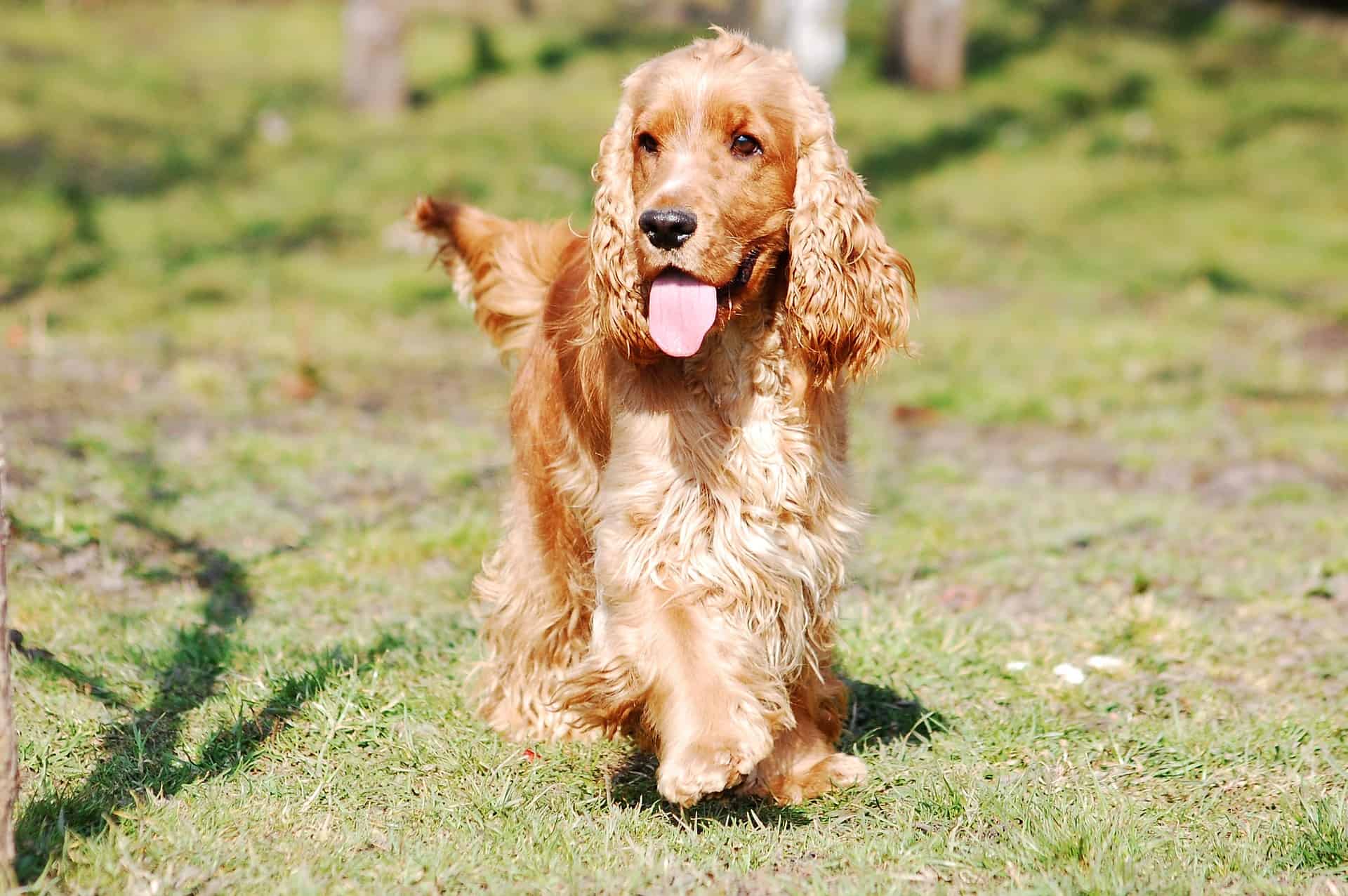
The **English Cocker Spaniel** is the Field Spaniel's closest relative, literally sharing the same gene pool until size alone separated the two registries in the nineteenth century. Build, coat type, flushing purpose, and that blend of affection and independence are nearly identical.
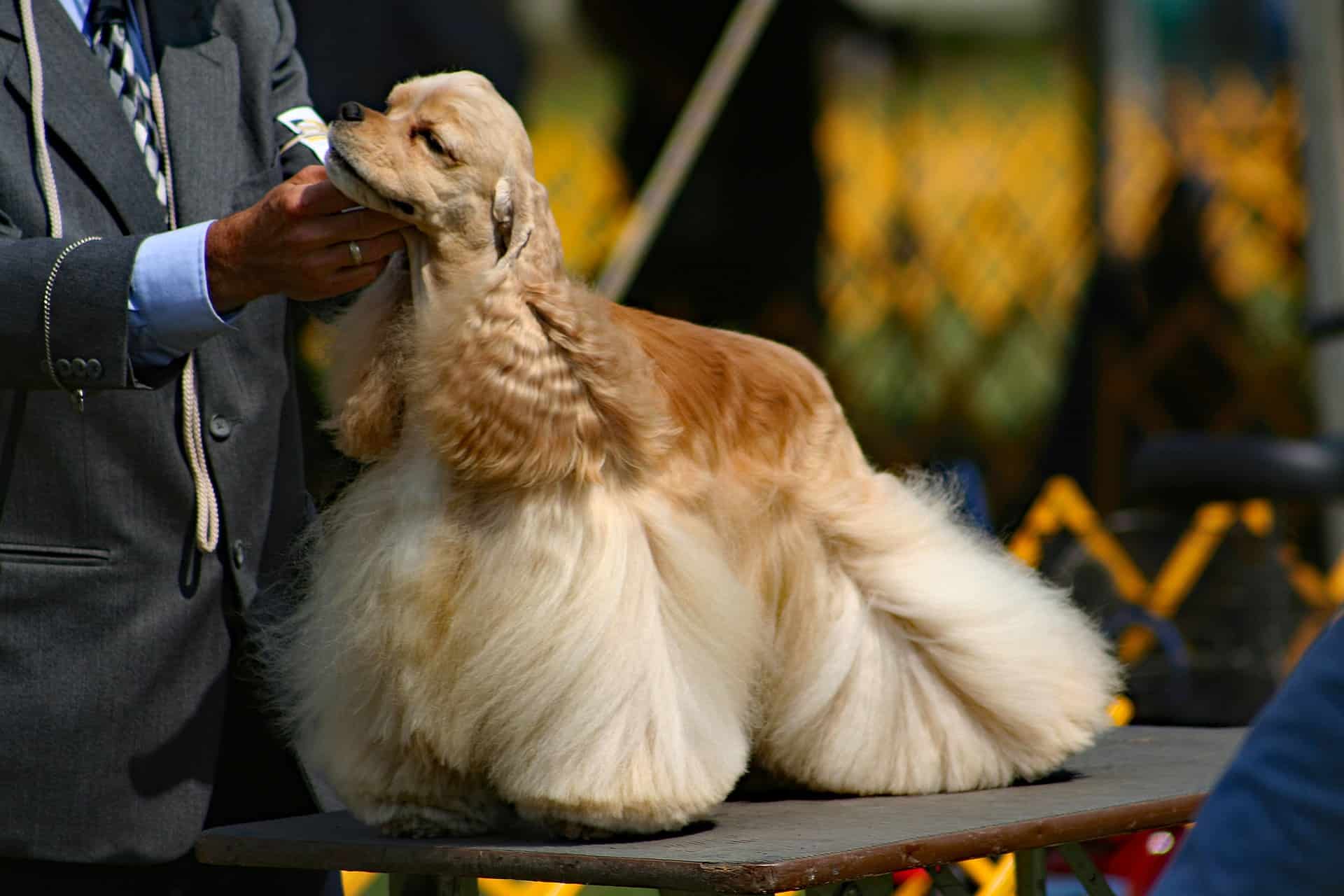
The **American Cocker Spaniel** descends from the English Cocker and shares the spaniel temperament and general frame, though it has drifted further toward a companion role and carries a heavier, more glamorous coat.
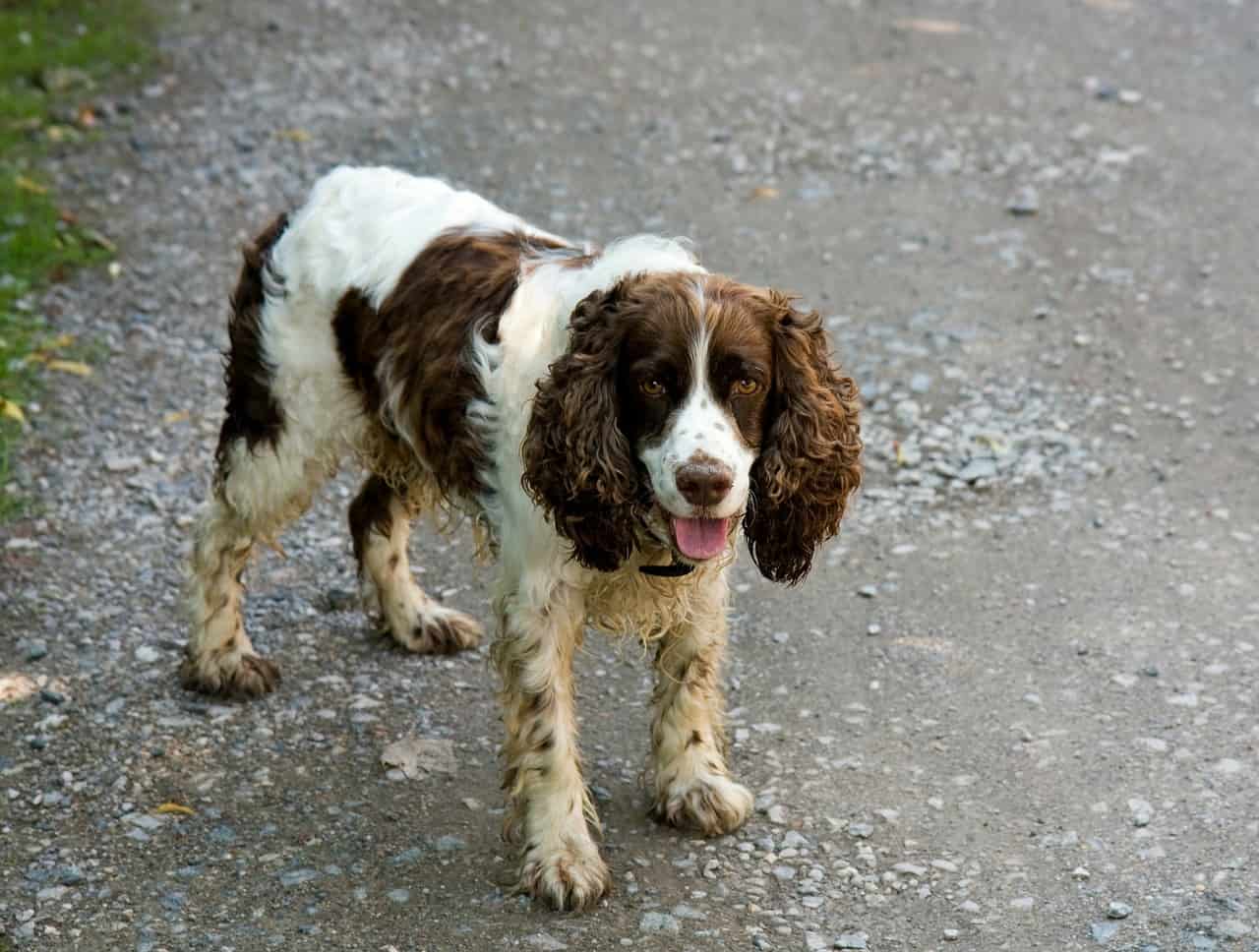
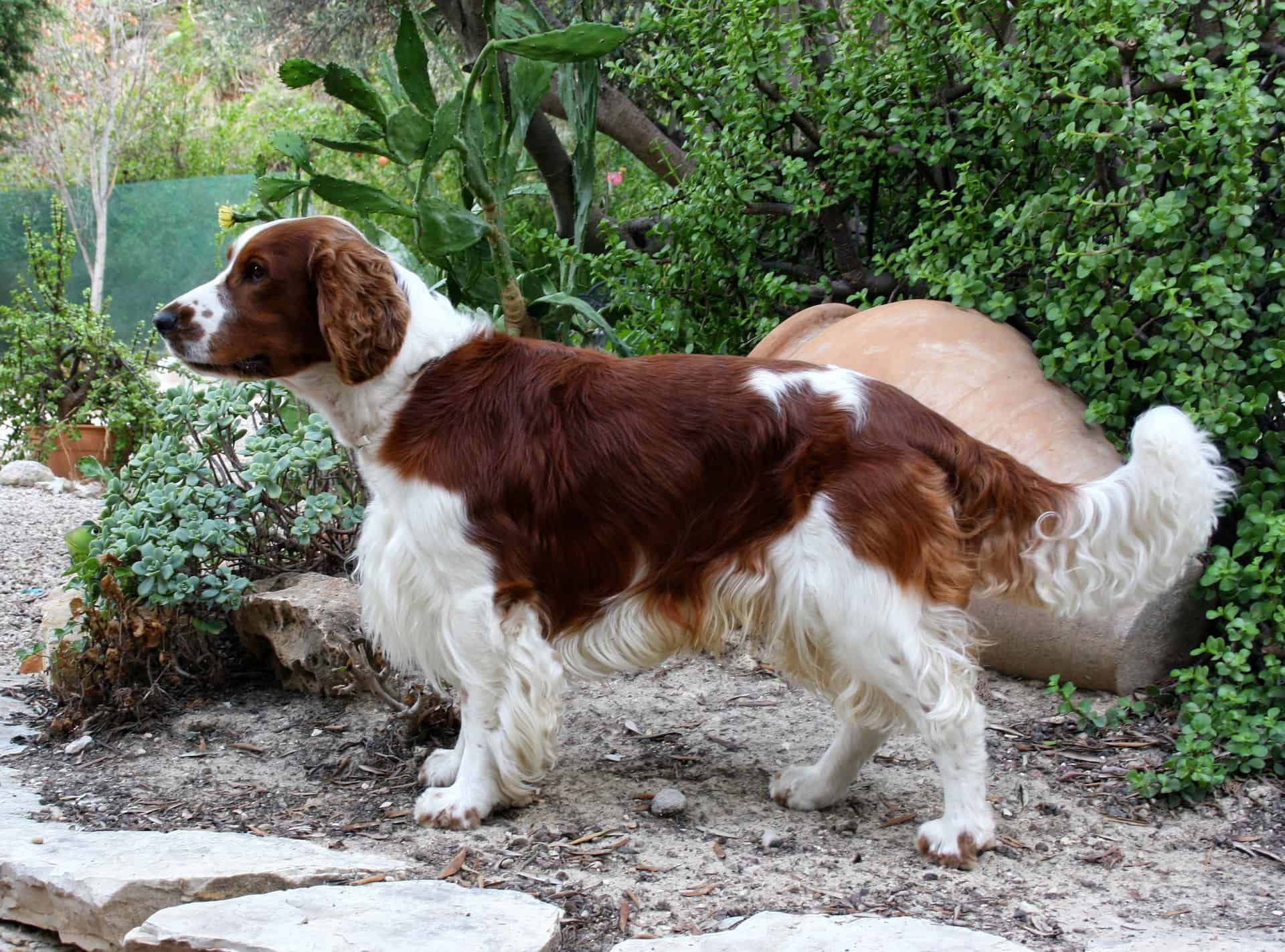
The **English Springer Spaniel** is directly woven into the Field Spaniel's modern restoration, contributing the athletic structure that reversed the breed's near-extinction, so the two share hunting drive, energy level, and a similar working-spaniel personality. The **Welsh Springer Spaniel** rounds out the group as another British flushing spaniel of similar size and purpose, bred for the same upland-bird work and carrying the same need for daily exercise and close human partnership.
Trait ratings
- Energy level
- 4/5
- Exercise requirements
- 4/5
- Playfulness
- 4/5
- Affection level
- 5/5
- Friendliness toward dogs
- 3/5
- Friendliness toward other pets
- 5/5
- Friendliness toward strangers
- 3/5
- Ease of training
- 4/5
- Watchdog ability
- 4/5
- Protection ability
- 2/5
- Grooming requirements
- 3/5
- Cold tolerance
- 3/5
- Heat tolerance
- 3/5