Bull Terrier
From Great Britain
Purpose & Origin
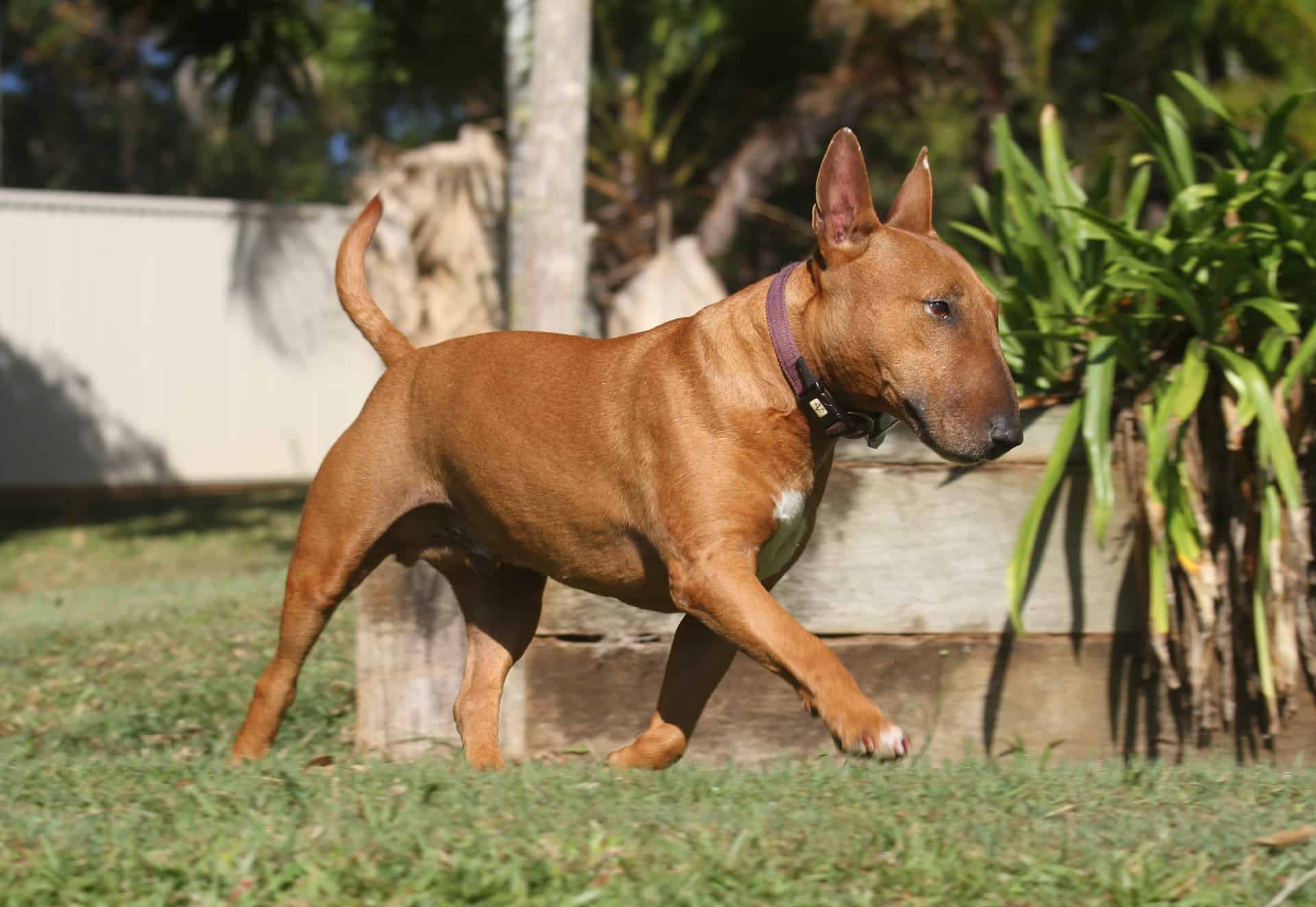
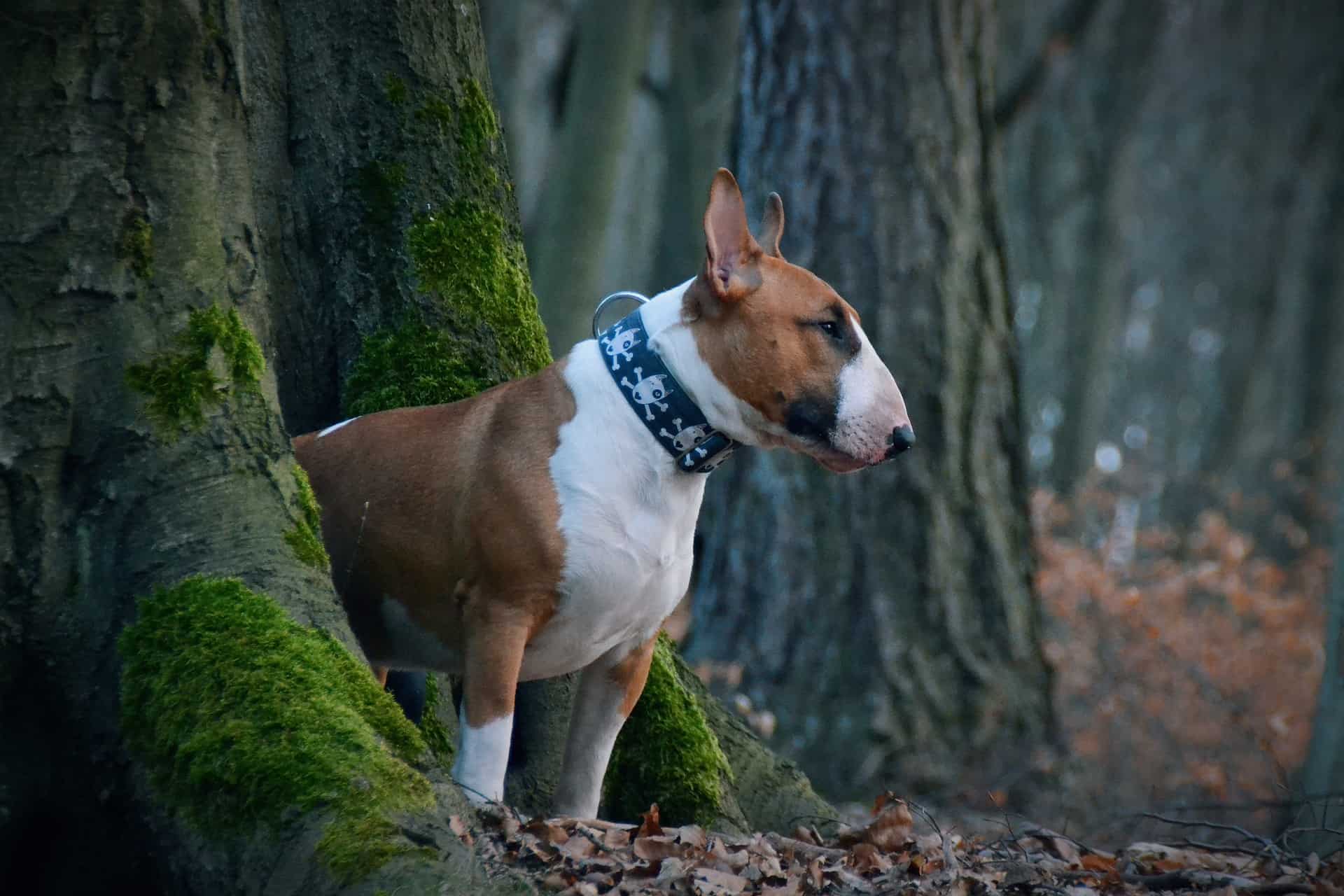
The Bull Terrier is an English creation born from the blood sports of the early nineteenth century. Around 1835, breeders crossed the Bulldog with the old English Terrier to produce a compact, fearless pit dog called the Bull and Terrier. A later cross to the Spanish Pointer added size and reach. When dog fighting was abolished, the breed's owners turned to the show ring, and around 1860 James Hinks refined the type by crossing with the White English Terrier and the Dalmatian.
The result was an all-white dog with a cleaner outline that became fashionable among young English gentlemen who wanted a handsome, masculine companion. The breed earned the nickname "the white cavalier" for its willingness to defend itself without picking fights unprovoked. Around 1900, crosses back to Staffordshire Bull Terriers reintroduced colour, and the coloured variety eventually gained separate AKC recognition in 1936.
Temperament & Behaviour
No breed quite matches the Bull Terrier for sheer comedic personality. It is exuberant, mischievous, and deeply playful, with a habit of doing things entirely on its own terms. The stubbornness is genuine and runs deep; this dog has its own logic and will test every boundary available. Underneath the bravado sits a sweet-natured, devoted animal that bonds closely with its people. The watchdog instinct is sharp and the protective drive real, but the main challenge is inter-dog aggression: many Bull Terriers are flat-out incompatible with other dogs, and small animals are at risk. The breed also tends toward compulsive behaviours such as tail-chasing or fixating on spots of light.
Activity & Training
Daily exercise is non-negotiable, and mental engagement matters as much as physical output. A Bull Terrier left bored will invent its own entertainment, and the results are rarely welcome. Exercise should happen in a secured area; road-walking on a lead is not enough on its own. Training is slow going. Ease of training scores at the floor of the scale, so expect independence, creative rule-bending, and a dog that requires consistent, patient handling. This is not a breed for first-time owners. Short, reward-based sessions work better than long drills, and the earlier socialisation starts the better.
Grooming
Coat upkeep is as low-maintenance as it gets. The short, flat coat needs only an occasional brush to remove loose hair and a wipe-down when dirty. No trimming, no stripping, no specialist grooming. The breed tolerates both moderate cold and heat without extremes of sensitivity.
Health
White Bull Terriers carry a significant risk of hereditary deafness, and hearing tests are strongly recommended for whites. Kidney disease is a major concern across the breed, specifically hereditary nephritis and renal dysplasia; the UP:UC ratio test is the standard screen. Heart conditions including subaortic stenosis and mitral stenosis appear as minor concerns, as do skin allergies. Patellar luxation is seen occasionally. Life expectancy is 11 to 14 years.
Why these breeds are similar
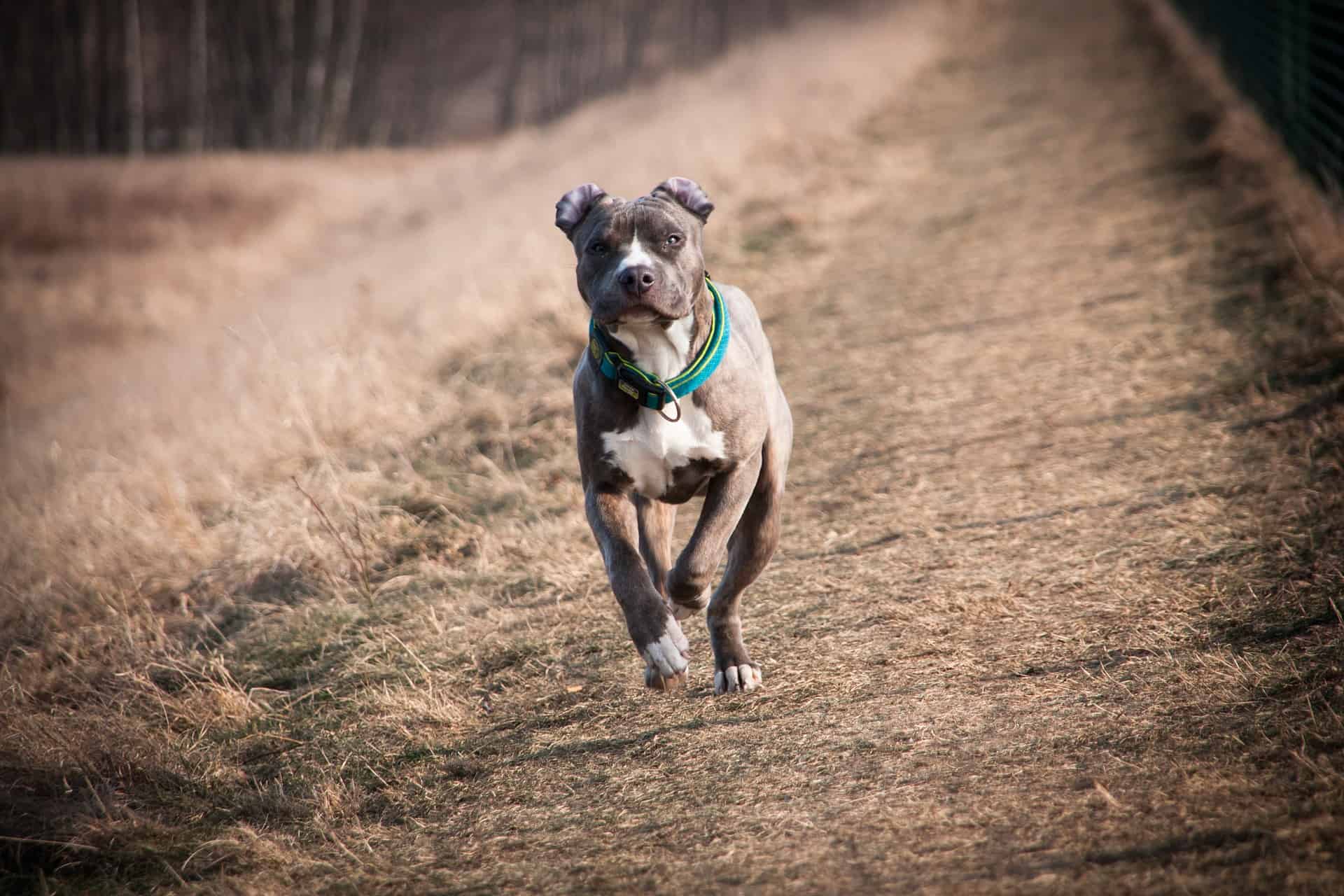
The Miniature Bull Terrier is the most direct comparison: same head shape, same temperament, same origin story, simply compressed into a smaller frame. Everything written above applies in miniature, literally and figuratively. The American Staffordshire Terrier shares the Bull and Terrier ancestry, the muscular build, the strong prey drive, and the same tendency toward dog aggression, though it generally scores somewhat easier to train.
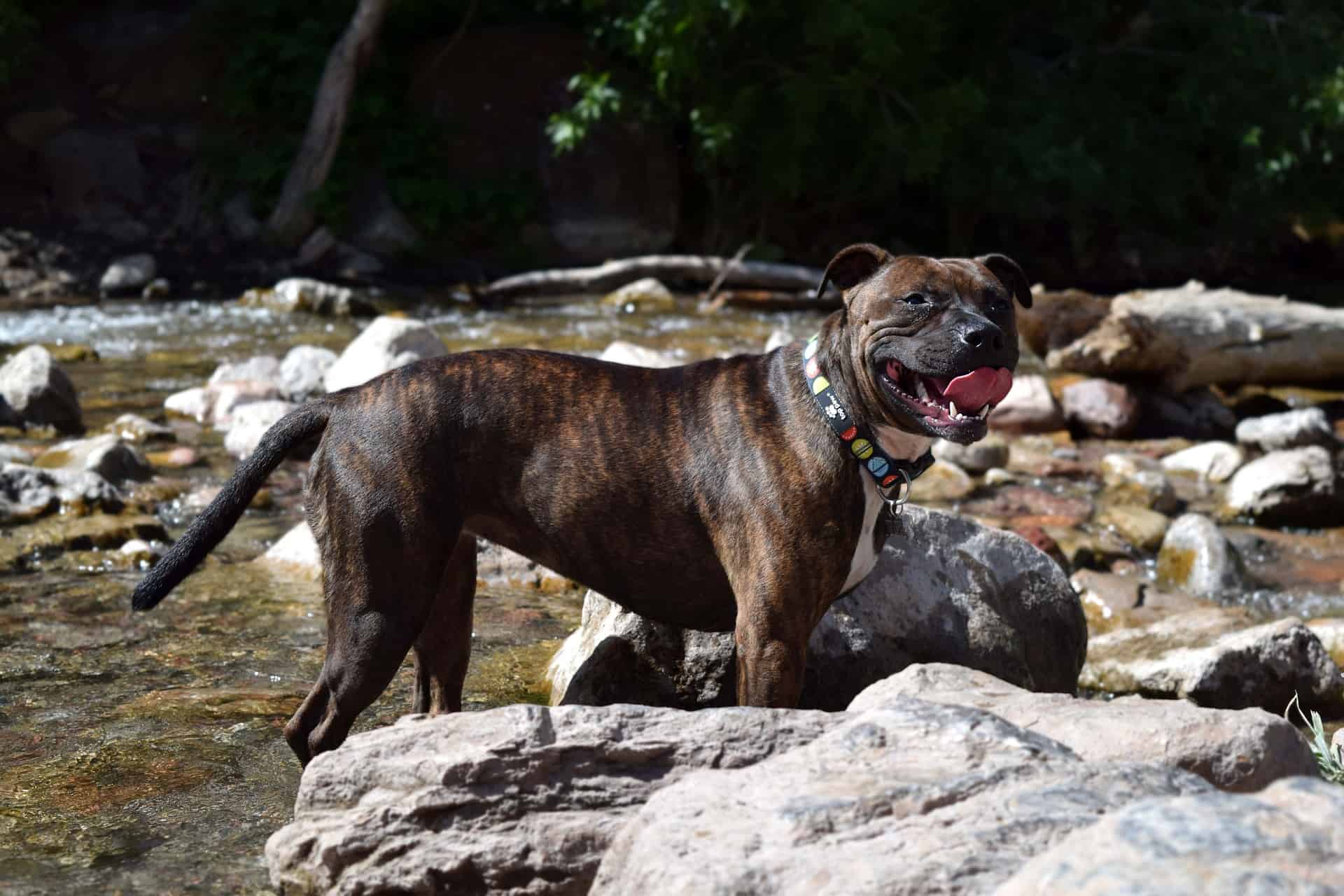
The Staffordshire Bull Terrier is the other direct descendant of those early nineteenth-century pit crosses, smaller and more compact than the Bull Terrier but carrying the same loyal, tenacious character and the same caution required around other dogs. All three breeds sit in the same family tree, combining terrier grit with bull-breed power.
Trait ratings
- Energy level
- 4/5
- Exercise requirements
- 3/5
- Playfulness
- 5/5
- Affection level
- 3/5
- Friendliness toward dogs
- 1/5
- Friendliness toward other pets
- 3/5
- Friendliness toward strangers
- 3/5
- Ease of training
- 1/5
- Watchdog ability
- 5/5
- Protection ability
- 4/5
- Grooming requirements
- 1/5
- Cold tolerance
- 3/5
- Heat tolerance
- 3/5