Purpose & Origin
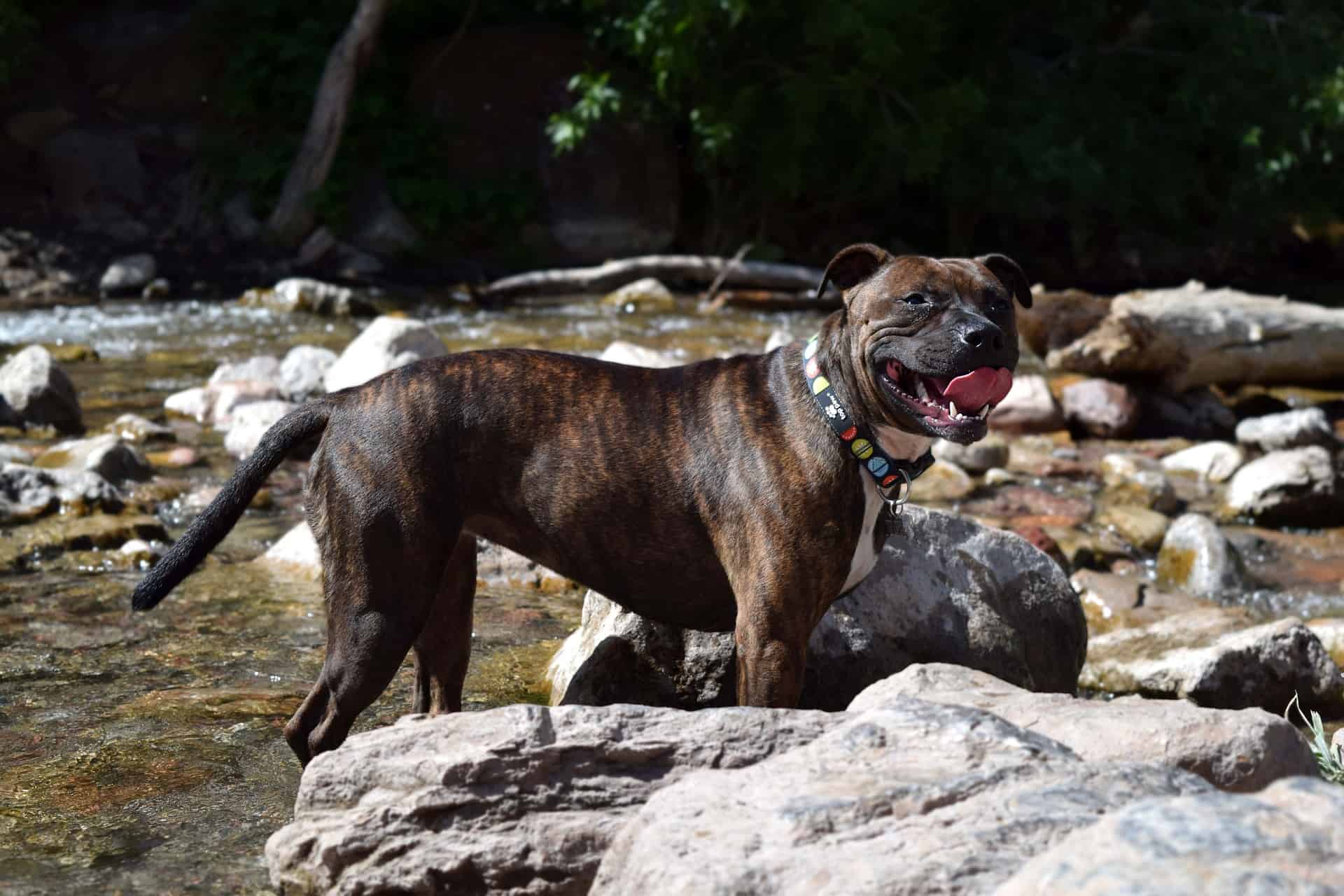
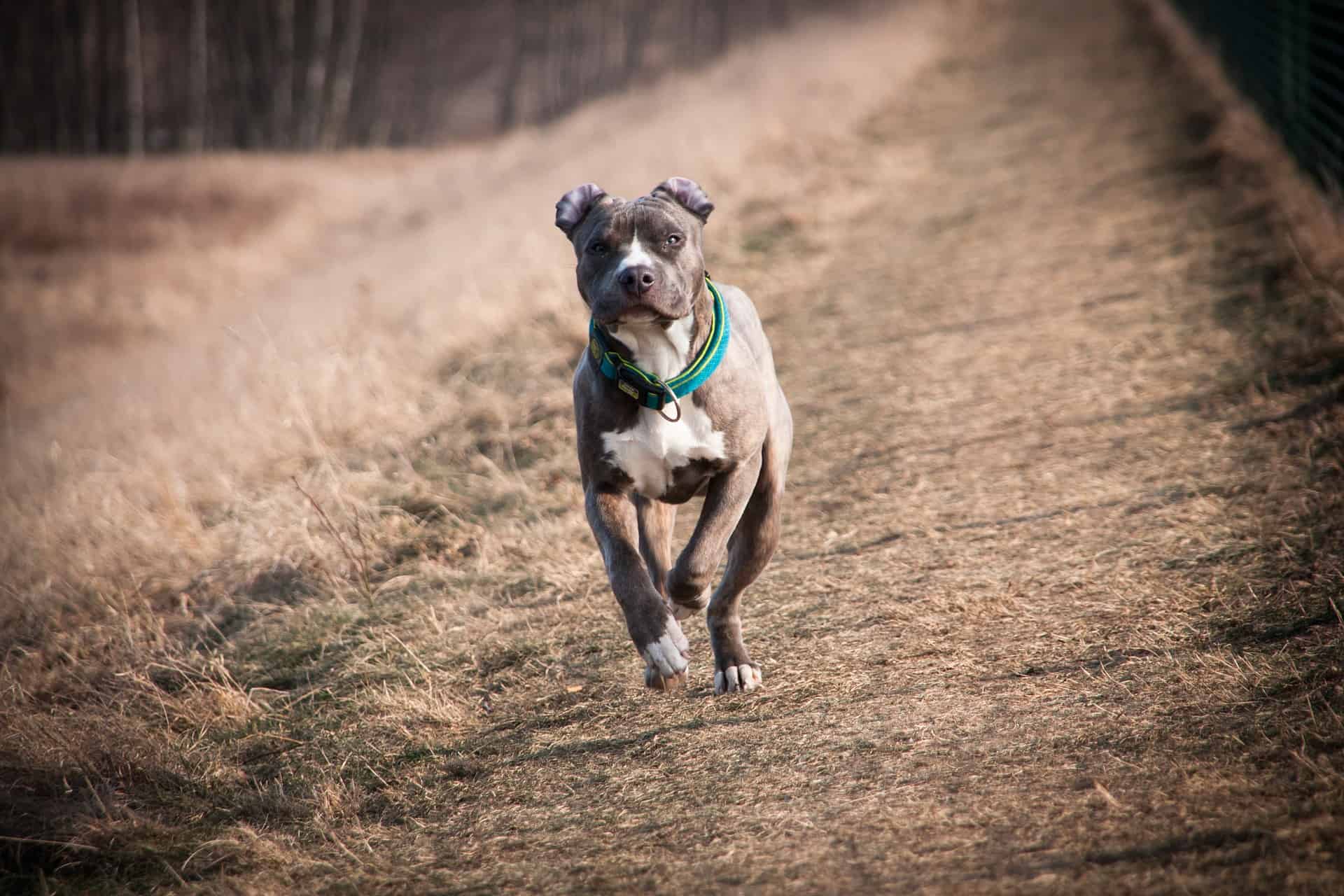
The American Staffordshire Terrier traces its roots to a cross between old-type Bulldogs and early English terriers, producing a compact, powerful dog originally known as the Bull and Terrier. This hybrid was prized by dog-fighting enthusiasts in Britain, and when the dogs crossed the Atlantic in the late 1800s, they found an eager audience in the American fighting pits, where they were variously called the Pit Bull Terrier, American Bull Terrier, or Yankee Terrier.
Americans preferred a heavier build than the English original, and the two strains gradually diverged. The AKC registered the breed as the Staffordshire Terrier in 1936, adding "American" to the name in 1972. Because a powerful dog that must be handled mid-fight needed to stay calm with people, breeders consistently selected for a trustworthy, people-oriented temperament, and that trait has defined the AmStaff ever since.
Temperament & Behaviour
With its own family the AmStaff is affectionate and playful, and it typically extends that openness to strangers when its owners are present. It is generally reliable with children. What it does not extend is that goodwill to other dogs: it is aggressive with dogs that challenge it, stubborn, tenacious, and prepared to see any confrontation through. This is not a breed that backs down.
The flip side of that toughness is a dog that lives for human attention and approval, making it more responsive to its owner than its terrier stubbornness might suggest. It has strong protective instincts and outstanding watchdog and guarding ability, but its sociability with people means it is not naturally a guard dog in the classic sense.
Activity & Training
A daily long walk on leash or a vigorous game session in a securely fenced yard is enough to keep an AmStaff settled at home. Its energy level is moderate rather than relentless, but without a regular outlet the breed will find its own entertainment. Training is comparatively straightforward for a terrier: the breed scores well on trainability, responds to consistent positive reinforcement, and genuinely wants to please.
That said, its stubbornness means a soft or inconsistent handler will lose ground quickly. Early socialization with dogs and other animals is essential given the low dog-aggression scores, and given its history as a breed subject to breed-specific legislation, responsible ownership, leash discipline in public, and careful introductions matter practically as well.
Grooming
The AmStaff's short, close coat demands almost nothing. A weekly wipe-down or brisk brush to remove dead hair is all routine maintenance requires. It is not a heavy shedder by most accounts, and bathing is an occasional rather than regular task.
Health
The AmStaff lives 12 to 14 years. The main concerns are canine hip dysplasia (though it rarely causes symptoms in this breed), cerebellar ataxia (a genetic neurological condition for which a DNA test is available), and progressive retinal atrophy. Elbow dysplasia, cardiac issues, and hypothyroidism appear occasionally. Recommended health tests cover hips, heart, elbows, thyroid, eyes, and DNA screening for ataxia.
Why these breeds are similar
The **Staffordshire Bull Terrier** is the AmStaff's direct ancestor and closest relative, originating from the same Bull-and-Terrier crosses in Britain before the two strains separated across the Atlantic. It is smaller and more compact but shares the same tenacious character, people-first temperament, and dog-aggression tendency.
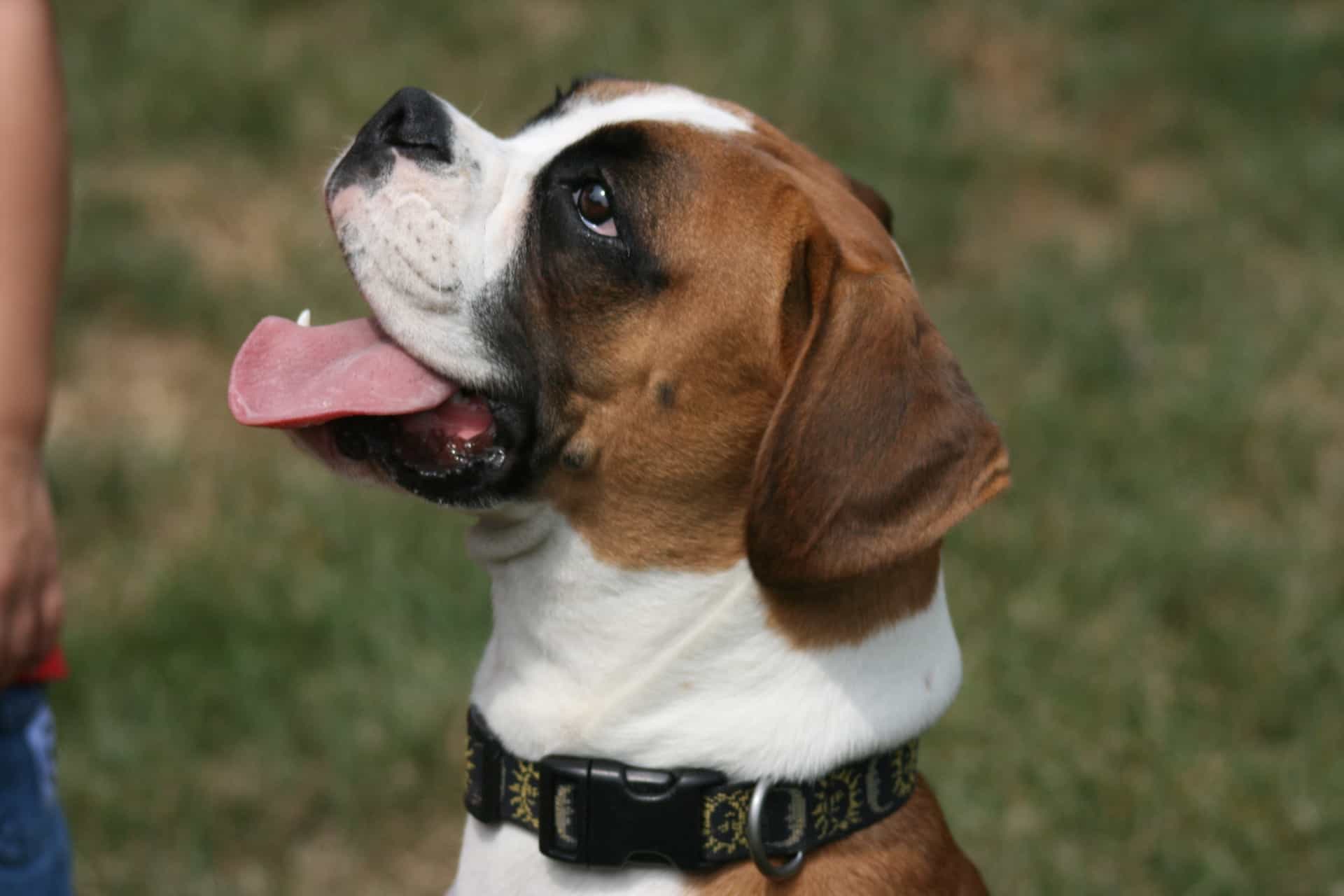
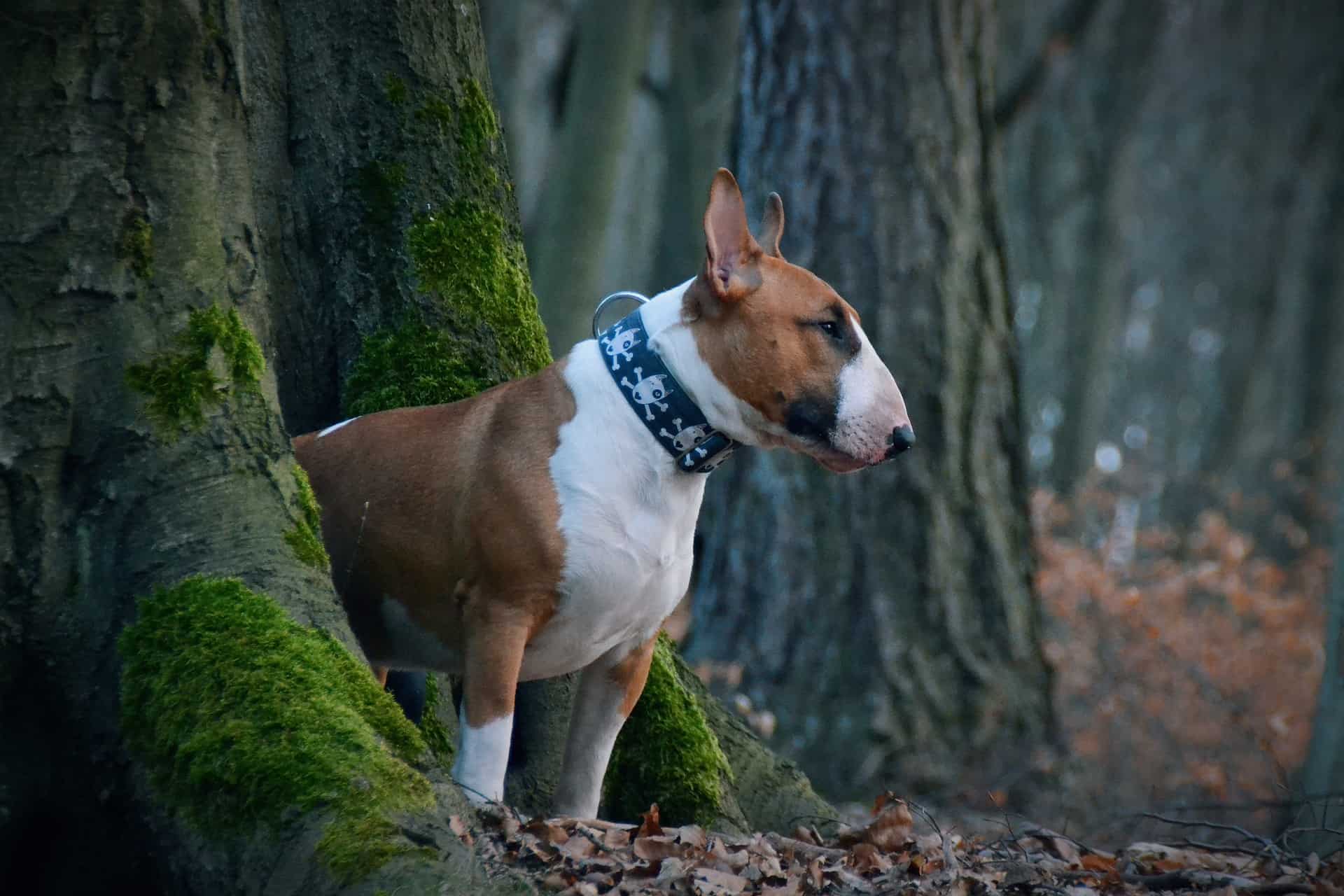
The **Bull Terrier** comes from the same Bull-and-Terrier gene pool and carries a comparable combination of muscular build, clownish affection toward family, and a willingness to quarrel with other dogs. The **Boxer** is the outlier in terms of history, being a German breed descended from mastiff-type dogs, but it earns its place here through shared traits: a stocky, athletic body, strong protective instincts, a famously loyal and playful relationship with its family, and a bold temperament that requires confident handling.
Trait ratings
- Energy level
- 3/5
- Exercise requirements
- 3/5
- Playfulness
- 3/5
- Affection level
- 3/5
- Friendliness toward dogs
- 1/5
- Friendliness toward other pets
- 1/5
- Friendliness toward strangers
- 3/5
- Ease of training
- 4/5
- Watchdog ability
- 5/5
- Protection ability
- 5/5
- Grooming requirements
- 1/5
- Cold tolerance
- 3/5
- Heat tolerance
- 3/5