Purpose & Origin
The Braque du Bourbonnais is one of the oldest continental pointing breeds, originating in the Bourbon district of central France. Written references to a short-tailed, ticked pointer from this region date to the late 16th century, with the Italian naturalist Ulisse Aldrovandi depicting a dog closely resembling the modern breed during the Renaissance period. It descends from the older French Pointer stock and was developed specifically for hunting game birds, particularly quail, in the agricultural lowlands and bocage of central France. Despite this long history, the breed was not formally recognized as a distinct type until the late 19th century.
By the mid-20th century numbers had fallen so sharply that extinction seemed likely, and a serious revival effort began in France during the 1970s and 1980s to reconstitute the breed from remaining stock. Today it remains rare outside France and holds Foundation Stock Service status with the AKC.
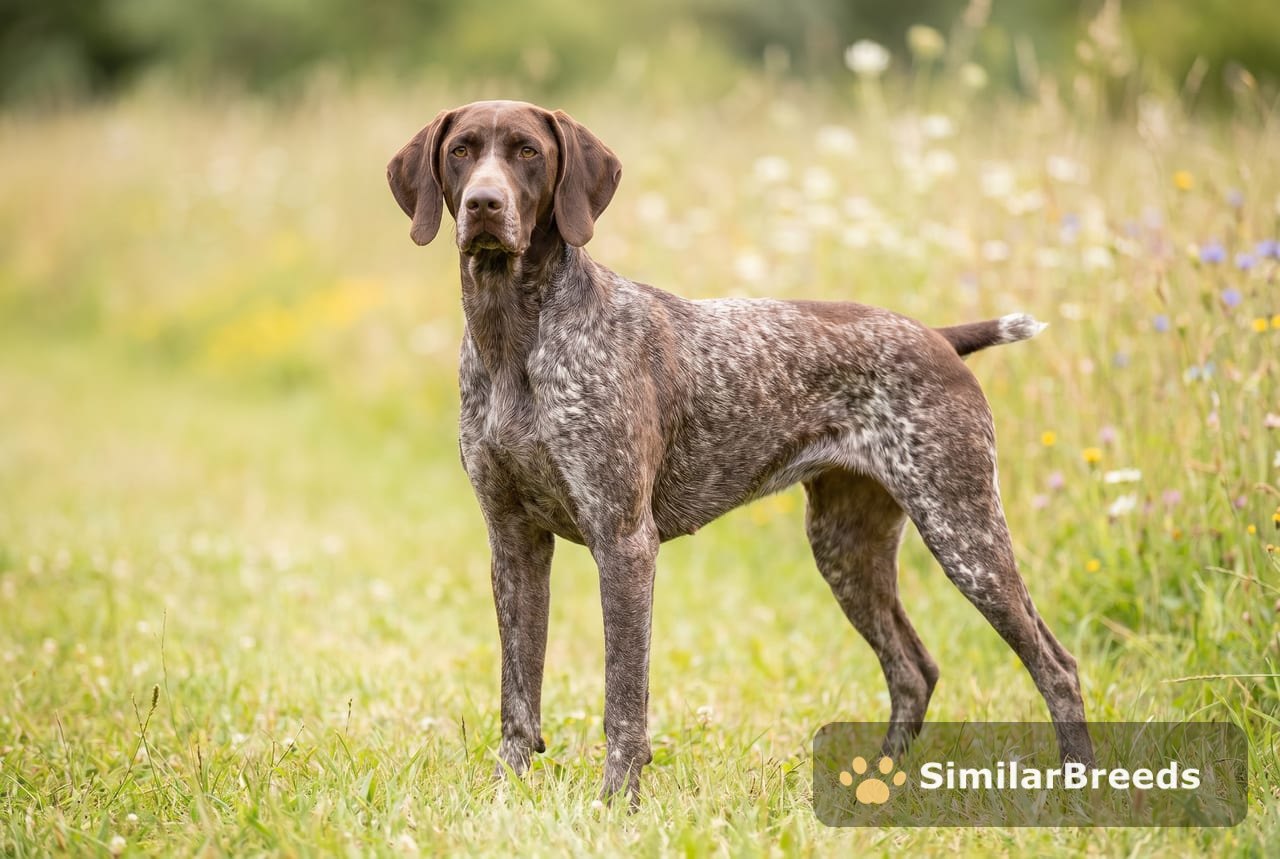
The breed is a medium-sized dog, standing 19 to 23 inches at the shoulder and weighing 40 to 55 pounds. Its most distinctive physical features are a naturally short or absent tail, a slightly roached back, and a short, dense white coat covered in liver or fawn ticking that can range from fine speckles to larger patches.
Temperament & Behaviour
The Bourbonnais Pointer is notably calm and gentle for a pointing breed. Morris describes its personality as "docile, gentle, slow and careful," and contemporary sources consistently echo this. It bonds closely with its family and is patient with children, showing none of the high-strung intensity common in some other gun dogs. It is not an aloof dog and dislikes being left alone for extended periods. With strangers it tends to be reserved rather than suspicious. Its cooperative nature means it responds poorly to harsh handling.
Activity & Training
This is an active working dog that needs daily exercise, but its temperament is more measured than its closest relatives. An hour of vigorous activity, combining physical exercise with scent work, satisfies it well. It hunts methodically and close to the gun, which suits hunters working on foot in dense cover. Training is generally straightforward. The breed is eager to cooperate and sensitive to its handler's tone, so firm but positive methods work best. Early socialization matters, as its natural caution around novelty can shade into timidity if the dog is not exposed to varied environments as a puppy.
Grooming
The short, dense coat is low maintenance. A weekly brush removes dead hair and distributes coat oils; more frequent brushing during seasonal shedding periods keeps loose hair manageable. The coat has some natural water resistance. Ears should be checked regularly for moisture and debris, as the drop-ear conformation restricts airflow. Nails grow quickly on a dog spending time on soft ground and need monthly attention.
Health
The Bourbonnais Pointer is considered a hardy breed with a lifespan of 12 to 15 years. Because the revival population was built from a very small gene pool, health screening is important. Known concerns include hip dysplasia, entropion, and ectropion. Pulmonary stenosis, a congenital heart defect, has also been reported and can be serious. Reputable breeders screen for hip scores and have breeding stock evaluated for cardiac and eye issues before pairing. The breed remains rare enough that the pool of screened breeders is small, so buyers should research lineages carefully.
Why these breeds are similar
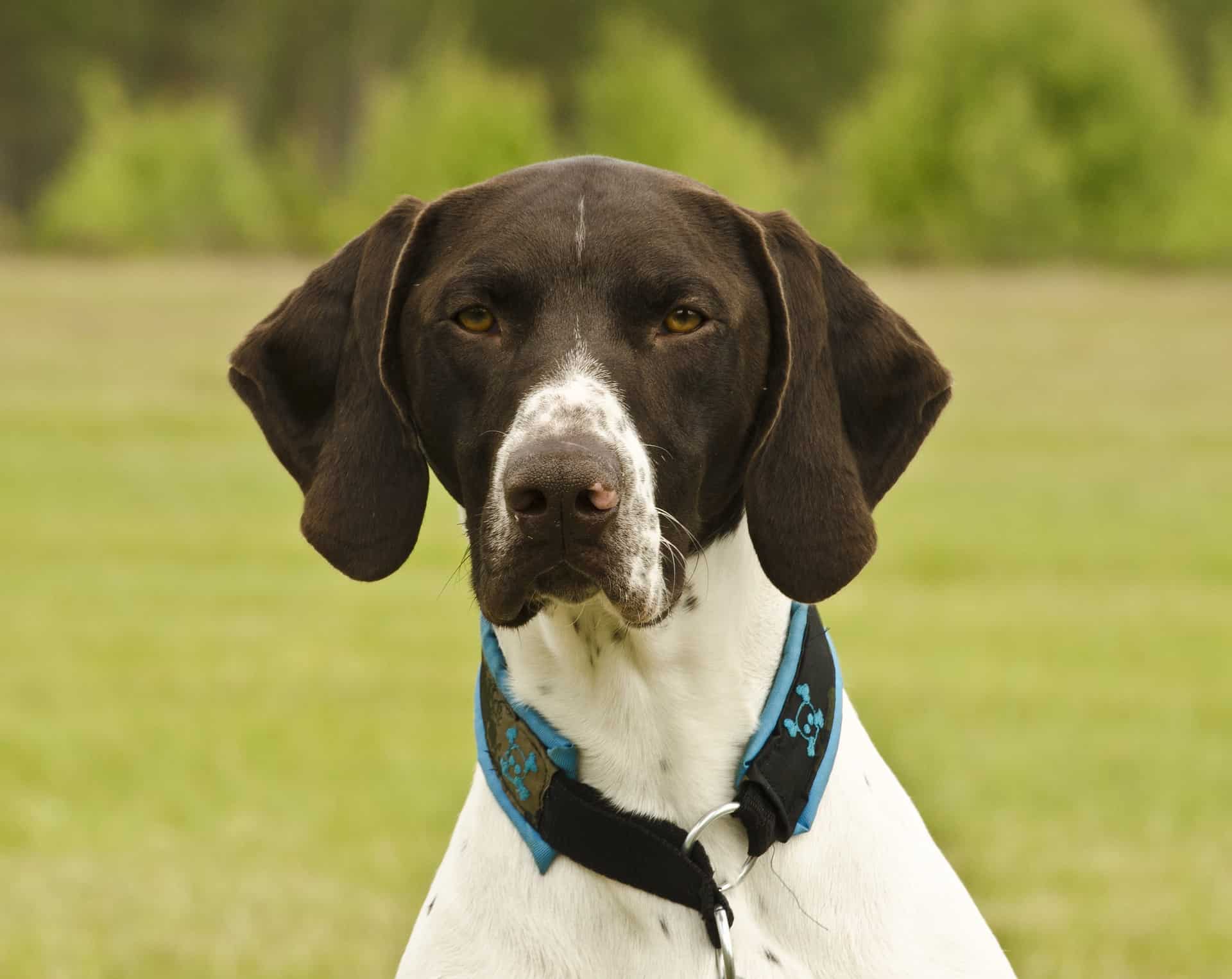
The **German Shorthaired Pointer** shares the same core profile: a medium-to-large continental bird dog with a short ticked coat, strong nose, and versatile hunting ability on both feathered and furred game. Both breeds point and retrieve, and both need substantial daily exercise. The GSP is larger, more energetic, and considerably more common.
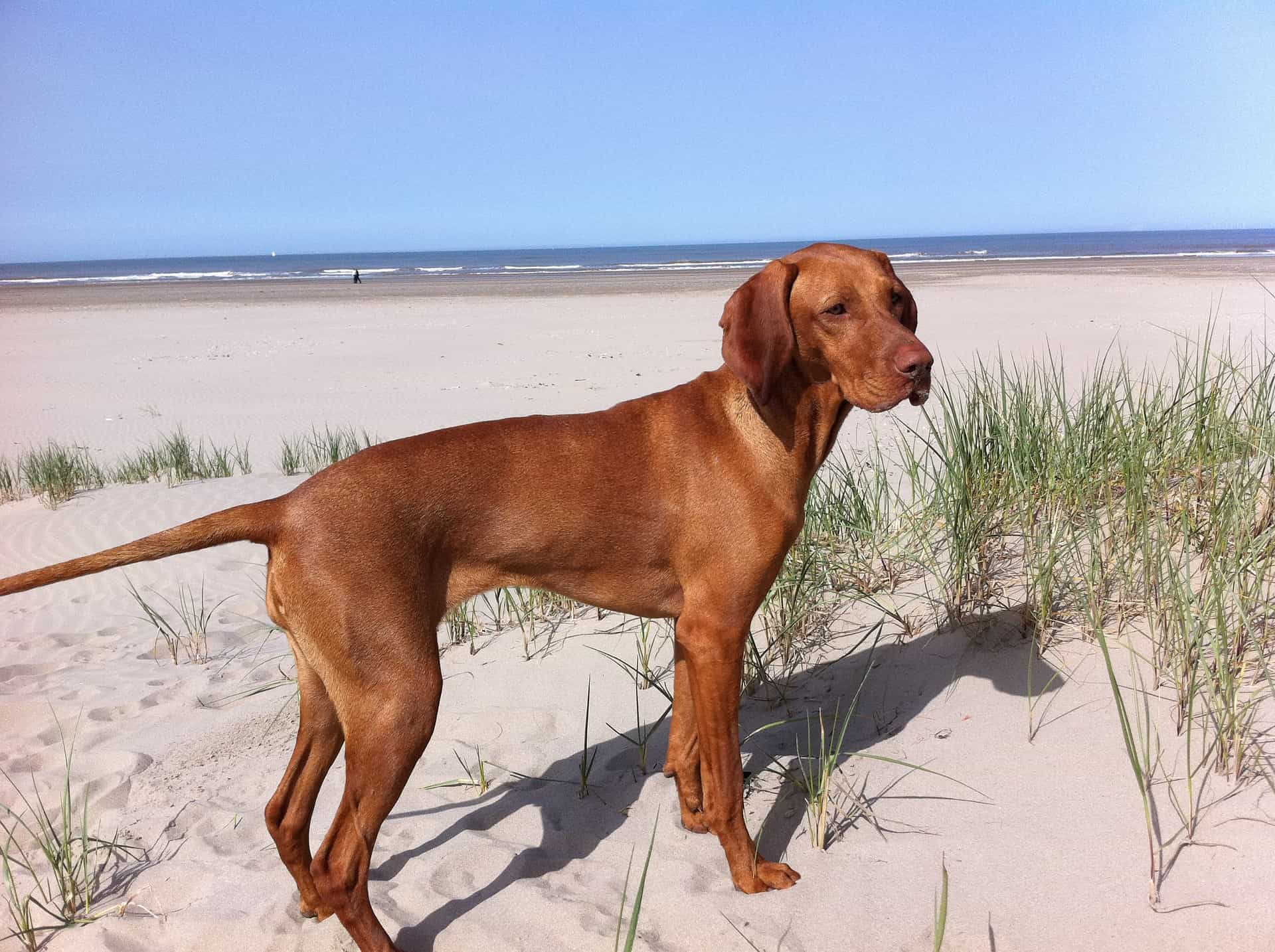
The **Vizsla** is the closest temperament match. Like the Bourbonnais, the Vizsla is a gentle, people-oriented pointer that bonds tightly with its owner and handles poorly with harsh methods. Both are medium-sized, short-coated, and lightly built for speed across open ground. The Vizsla is more widely available and somewhat more energetic.
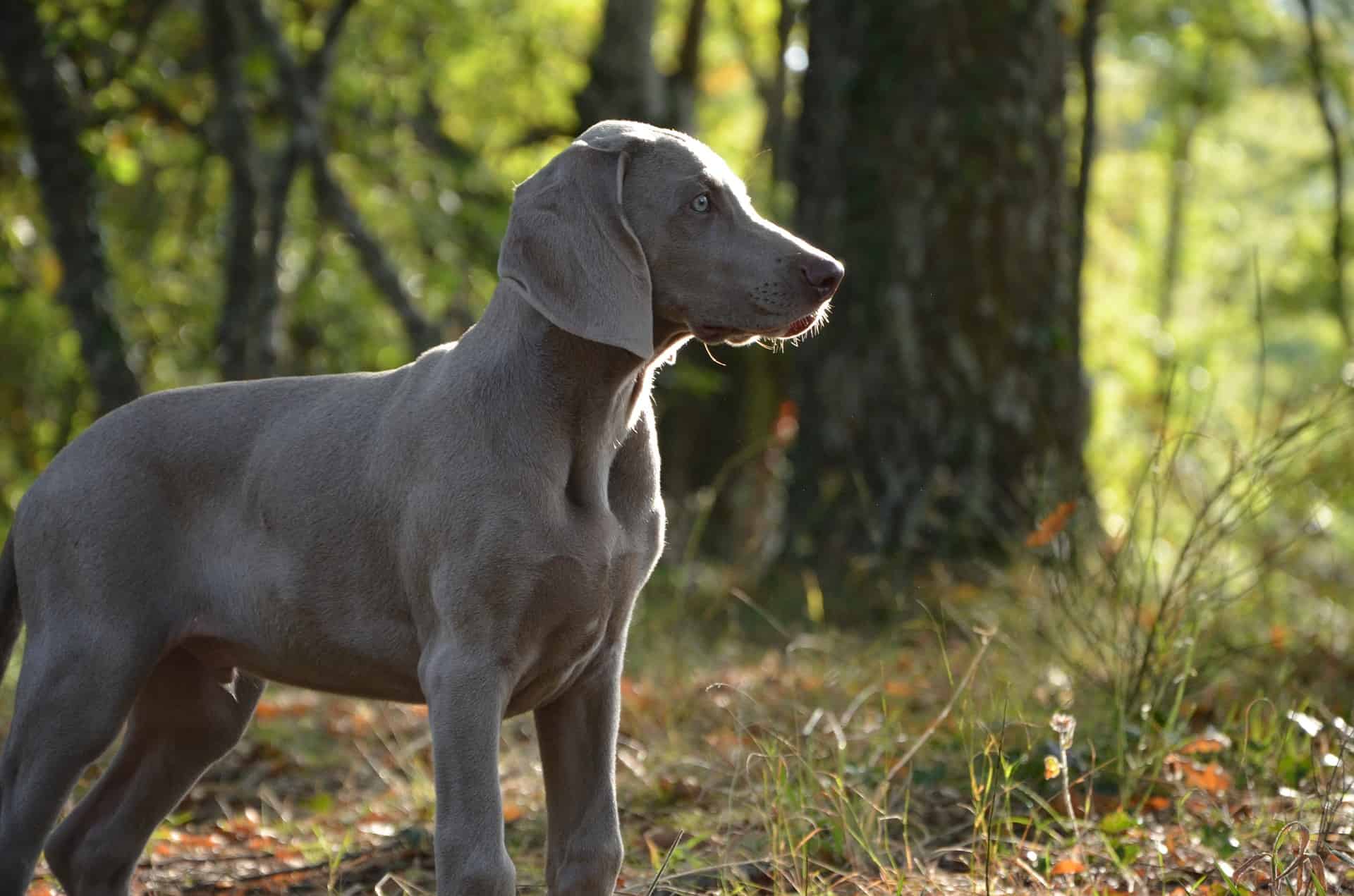
The **Weimaraner** occupies the same continental HPR (hunt, point, retrieve) niche and shares the short, low-maintenance coat and the need for serious daily work. The Weimaraner is larger and more driven, with a stronger prey instinct and less of the Bourbonnais's natural gentleness.
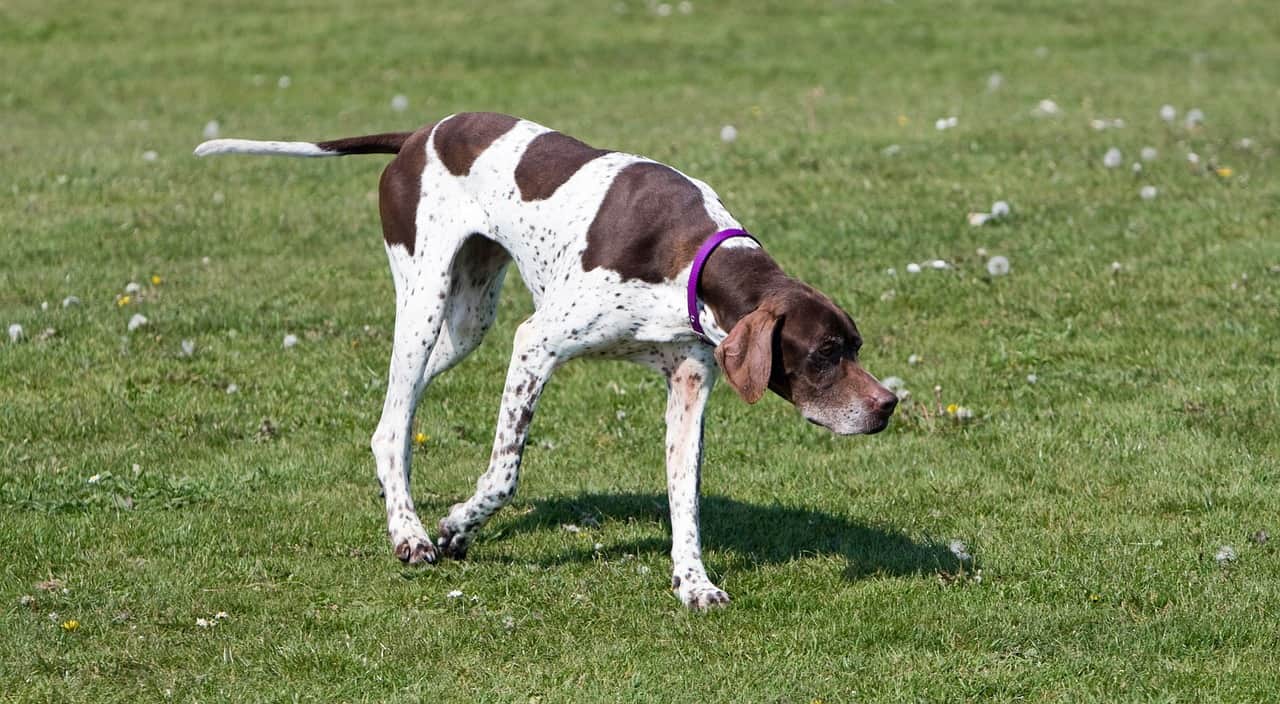
The **Pointer** (English Pointer) is the breed most likely to be encountered in comparison, sharing the white-with-ticking coat pattern and the classic pointing style. The English Pointer is faster and more independent in the field, with a higher energy ceiling and less of the soft, cooperative temperament that defines the Bourbonnais.