Border Collie
From Great Britain
Purpose & Origin
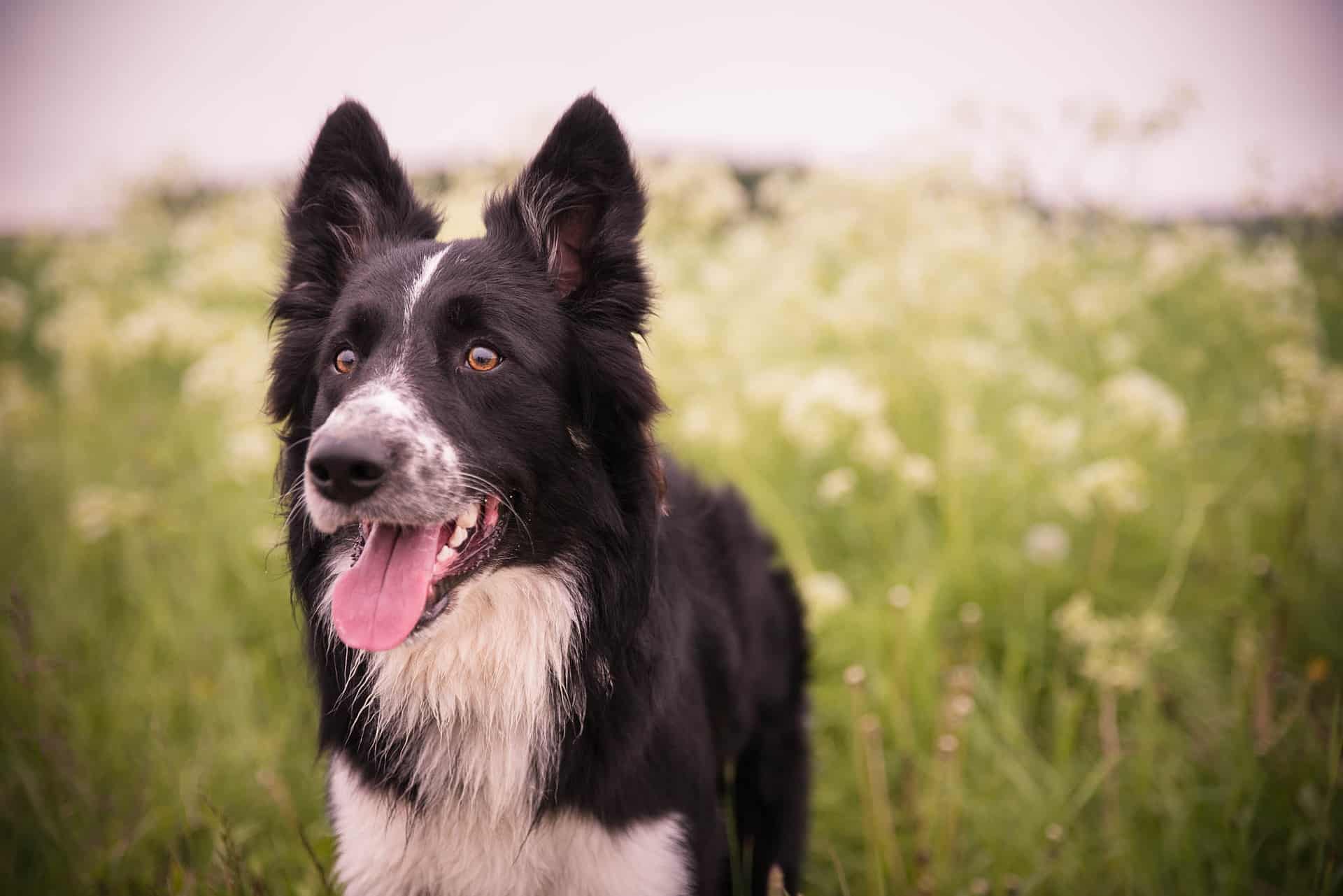
The Border Collie is the product of more than a century of breeding for pure working ability. In the 1800s, Great Britain had several varieties of sheepdog, each with a different herding style. The decisive shift came through a dog named Hemp, who became so dominant in the sheepdog trials that began in 1873 that he fathered a generation of offspring.
Hemp herded not by barking or nipping, but by fixing the sheep with a calm, hard stare, what handlers call "giving eye," and that quiet authority became the breed's signature. The name Border Collie was first recorded in 1915, referring to the region along the English and Scottish border where the type had taken shape. The breed's standard, drawn up in 1906, described working ability rather than physical appearance, and that priority has never really changed.
Temperament & Behaviour
A Border Collie that does not have a job is a problem. The breed carries extraordinary mental and physical energy, and without a daily outlet for both it becomes destructive and prone to compulsive habits. Given the work it needs, it is loyal and steady. It is reserved with strangers and protective rather than sociable, not a dog that warms up easily to people it has not met before. Its instinct to stare and to chase other animals can unsettle pets, and its score of 1 out of 5 for friendliness toward other animals reflects a real practical concern for multi-pet households.
Activity & Training
This is the highest-energy, highest-exercise-demand breed in the herding group, and that is not an exaggeration. A Border Collie cannot live in an apartment. It needs a yard and ideally a genuine working role or a demanding sport such as agility, flyball, or competitive obedience. Ease of training scores at the top of the scale, and the breed consistently leads obedience and agility competition. That trainability is paired with a mind that needs challenge, not just repetition. Mental stimulation matters as much as physical exercise.
Grooming
The double coat needs brushing or combing twice a week to stay tangle-free. The Border Collie is not a heavy-maintenance coat breed by herding-dog standards, but it does shed and regular grooming keeps shedding manageable. Rough-coated dogs need more attention after wet weather or rough terrain.
Health
The primary concern in the breed is canine hip dysplasia. Eye conditions including progressive retinal atrophy, Collie Eye Anomaly, and lens luxation appear in the breed, and a DNA test for CEA is available and recommended. Deafness, hypothyroidism, and seizures are documented as minor concerns. Hip and eye screening is standard for responsible breeding programs. Lifespan typically runs 10 to 14 years.
Why these breeds are similar
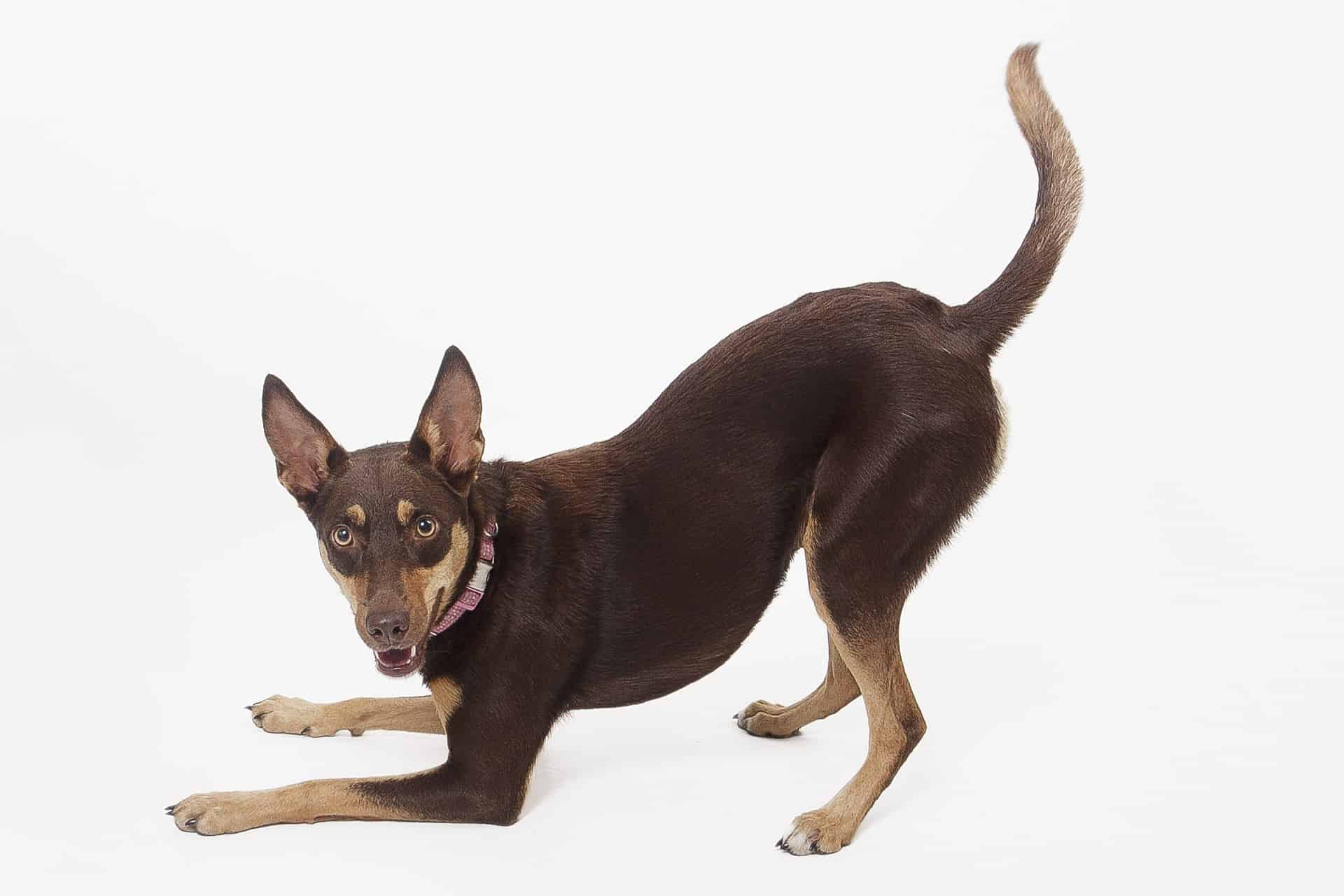
The **Australian Kelpie** is the Border Collie's closest functional parallel outside Great Britain. It was developed in Australia specifically from British sheepdogs, and the herding style, the intense focus, the demand for daily work, and the same high-energy temperament trace back to the same root. Both breeds are unsuited to sedentary owners and both excel in dog sports when not working livestock.
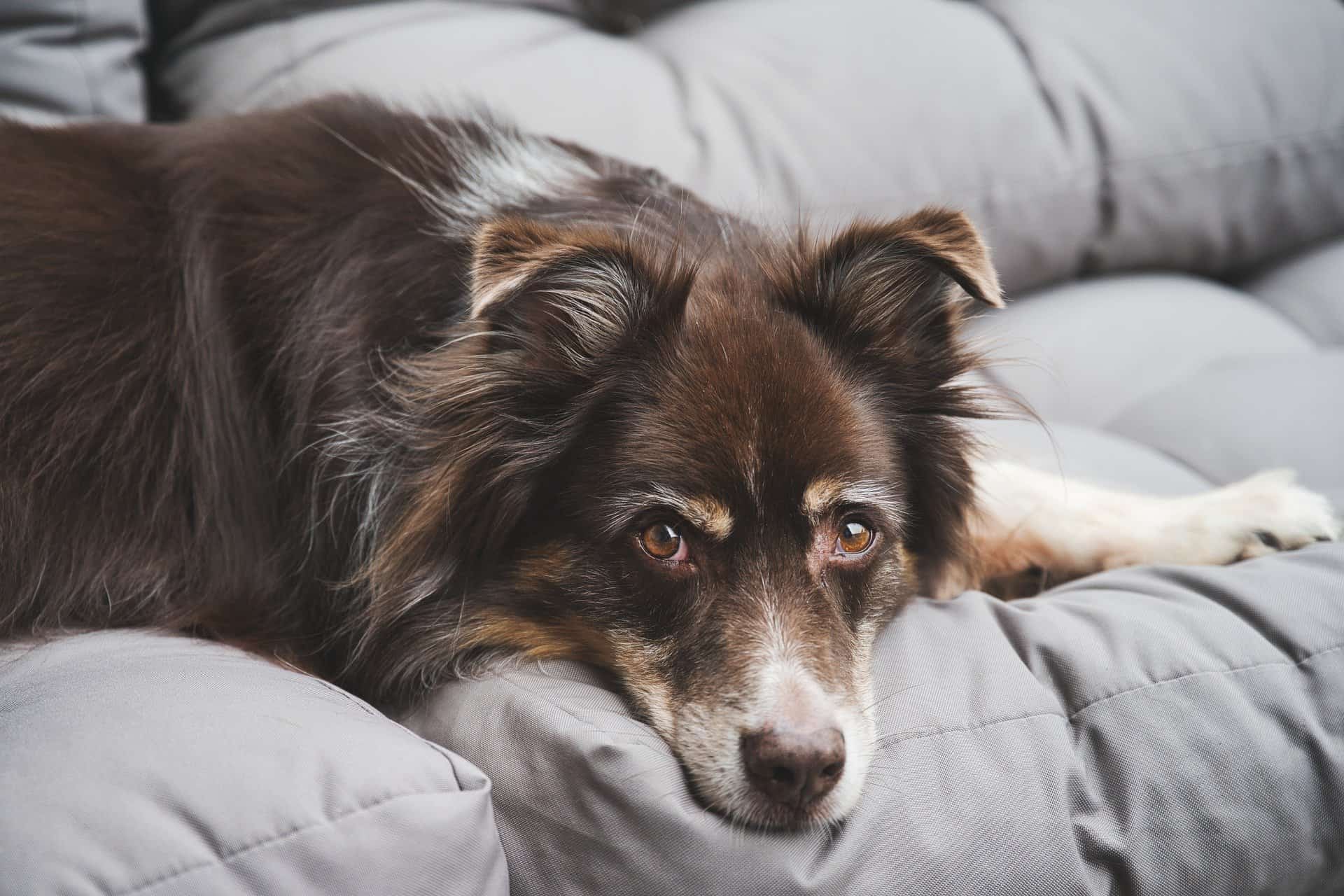
The **Australian Shepherd** shares the same herding group role and a comparable energy level and trainability. Like the Border Collie, it was bred entirely for working ability, thrives with a job, and dominates obedience and agility competition. The Australian Shepherd is somewhat more outgoing with strangers and typically more biddable as a family dog, but the underlying drive, intelligence, and exercise requirement place the two breeds in the same practical category for any prospective owner.
Trait ratings
- Energy level
- 5/5
- Exercise requirements
- 5/5
- Playfulness
- 4/5
- Affection level
- 3/5
- Friendliness toward dogs
- 3/5
- Friendliness toward other pets
- 1/5
- Friendliness toward strangers
- 2/5
- Ease of training
- 5/5
- Watchdog ability
- 4/5
- Protection ability
- 3/5
- Grooming requirements
- 3/5
- Cold tolerance
- 3/5
- Heat tolerance
- 3/5