Spanish Water Dog
From Spain
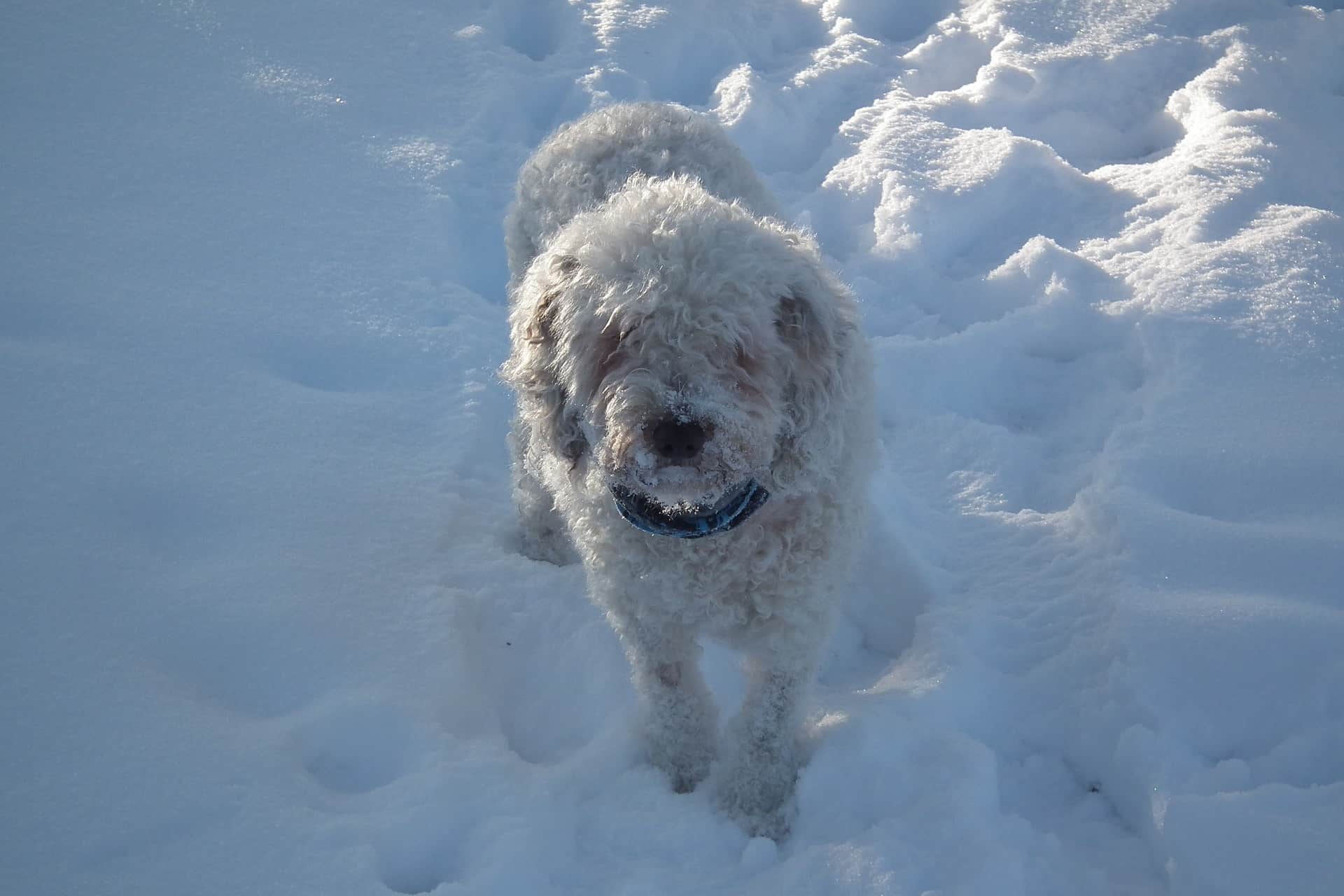
Purpose & Origin
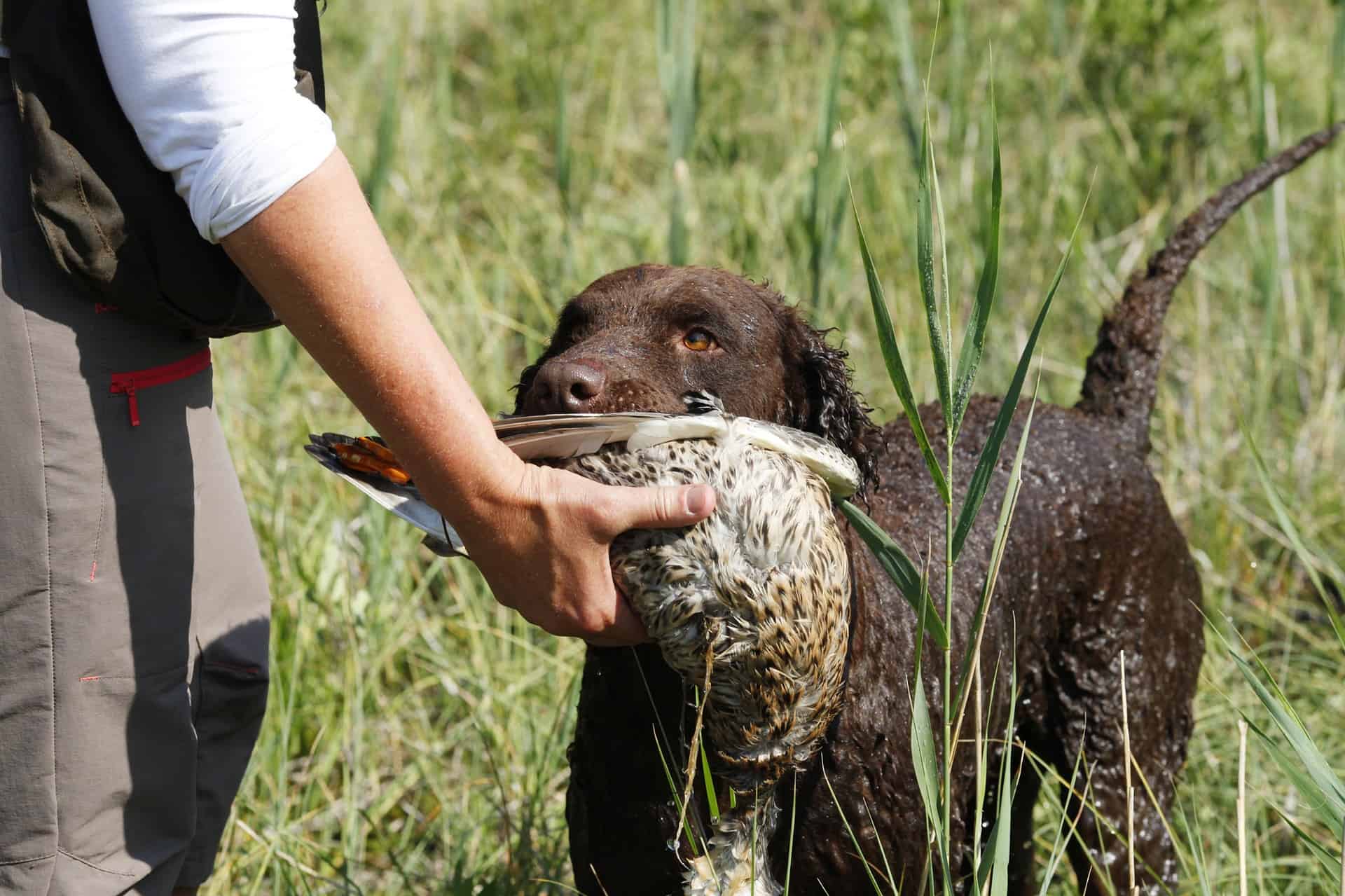
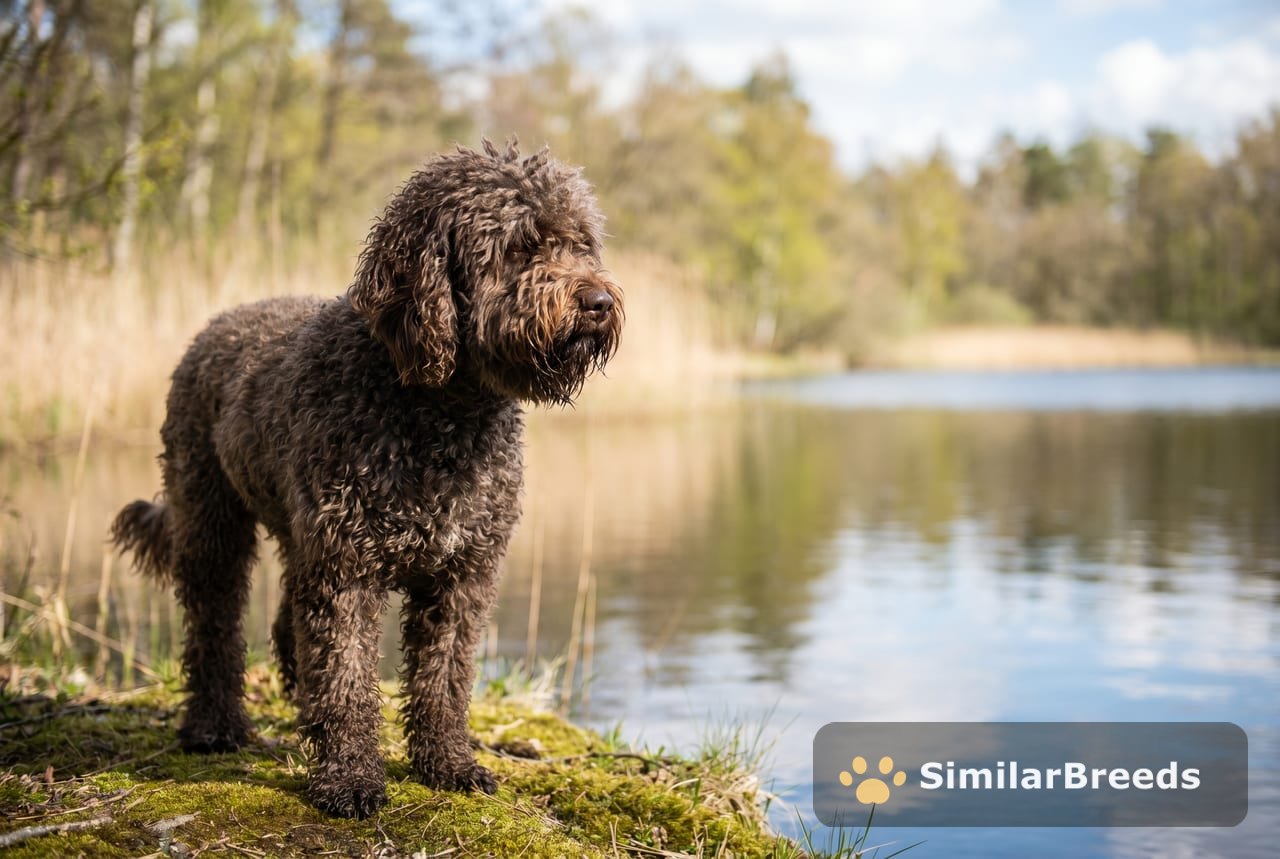
The Spanish Water Dog is one of those rare breeds that genuinely earned its keep in more than one role. By at least the twelfth century it was doing real work across the Iberian Peninsula, though exactly how it arrived there is still debated, with plausible theories pointing to North Africa, Turkey, and Hungary. In the coastal north and at fishing ports it worked as a water dog, retrieving nets, tackle, and mooring lines. Further inland and in the south it shifted roles entirely, herding and guarding sheep, goats, and cattle.
The Industrial Revolution eroded many of those jobs, and the breed drifted toward obscurity until two breeders began gathering remaining dogs in 1975, primarily from Andalucian herding stock. A breed club followed in 1980, Spanish Kennel Club recognition in 1985, and AKC recognition in 2015. Today the Spanish Water Dog is still genuinely versatile: it works in search and rescue, detection (drugs and explosives), competitive obedience and agility, and herding.
Temperament & Behaviour
This is a dog that wants a job and wants to be near its people while doing it. It is highly intelligent and has an unusually strong desire to please, which makes it responsive and focused in training. It is affectionate with its family, often deeply so, and prefers constant proximity.
With other dogs and household pets it is generally fine, but it treats strangers with real suspicion, which, combined with strong protective instincts, makes it an exceptional watchdog. Like most herding breeds it can be overly sensitive to sudden noise or movement and may attempt to herd children. It is not aggressive, but it is alert, watchful, and not a pushover.
Activity & Training
The Spanish Water Dog scores high on both energy and exercise needs, and the daily routine has to reflect that. A long walk or jog is a starting point, not a ceiling. Activities like agility, herding trials, obedience work, or water retrieving give it the mental engagement it genuinely requires. When adequately exercised it settles well indoors. Because it trains so easily (ease of training scores at the top of the scale) it is highly suitable for dog sports and working roles, but that same intelligence means under-stimulated dogs find their own entertainment, which is rarely what owners want.
Grooming
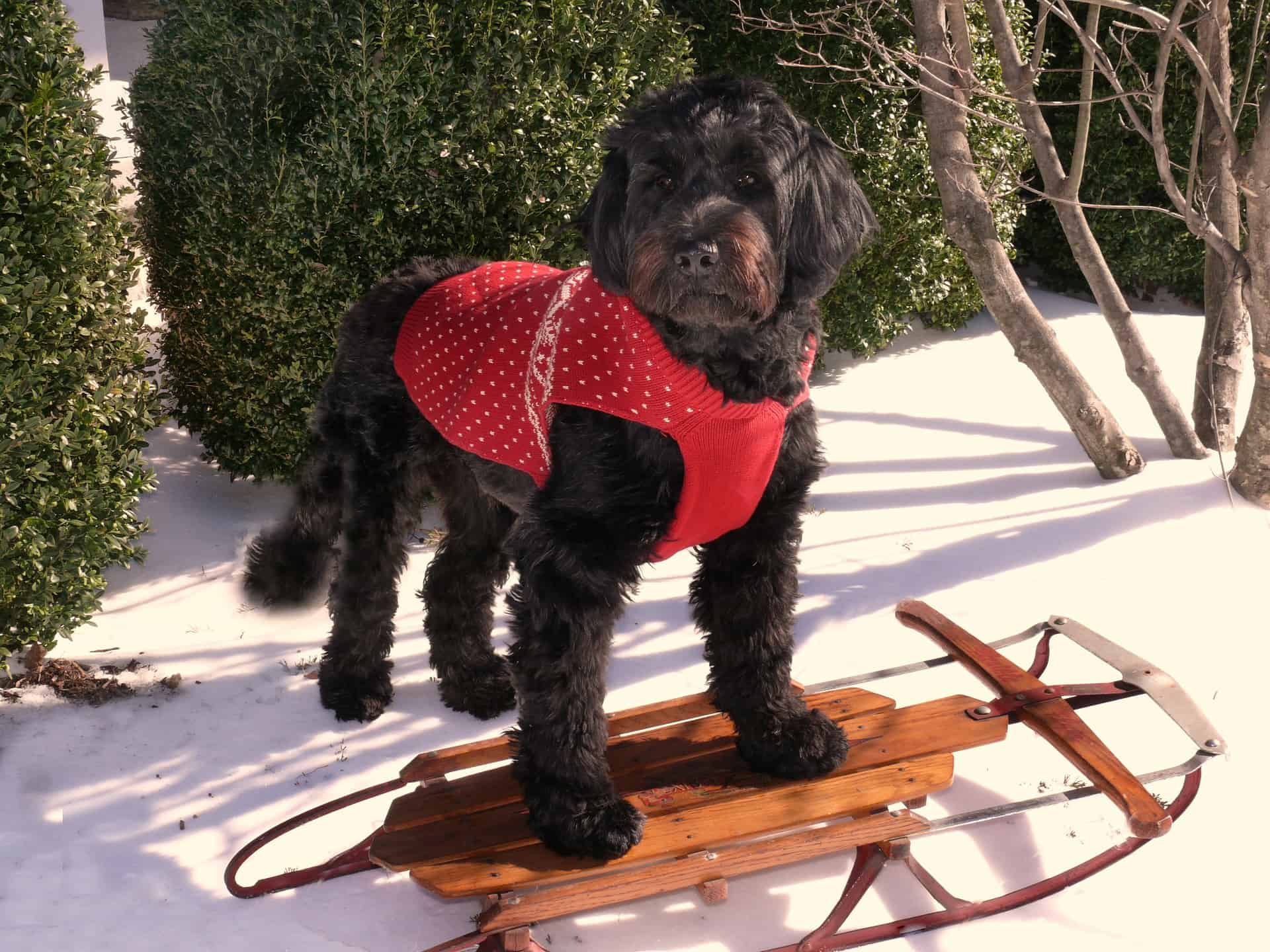
The coat is low-shedding and tends to form cords over time, which makes upkeep unusual compared to most breeds. It should never be brushed. Bathing requires blotting dry rather than rubbing, to keep the texture intact. Traditionally the dogs were sheared annually alongside the sheep; now the coat is maintained at one to five inches depending on preference. Corded coats are an option, but even then there is a naturally uncorded layer close to the skin. The grooming requirements score low (2 of 5), meaning maintenance is manageable, but the technique is specific and owners need to learn it.
Health
The main concerns recorded for the breed are hip dysplasia and allergies. Thyroid issues appear at both the major and minor levels, with autoimmune thyroiditis and a rarer congenital form (with goiter) both noted. Progressive retinal atrophy, cataracts, and exocrine pancreatic insufficiency appear occasionally. Recommended health testing covers hips, eyes, thyroid, and DNA tests for the congenital thyroid condition and PRA. Typical lifespan is around twelve years.
Why these breeds are similar
The **Portuguese Water Dog** is the closest parallel, a fellow Iberian water-working dog with a curly or wavy low-shedding coat, similar size, and the same combination of intelligence and high energy. Both were bred to work alongside fishermen and are equally at home in water.
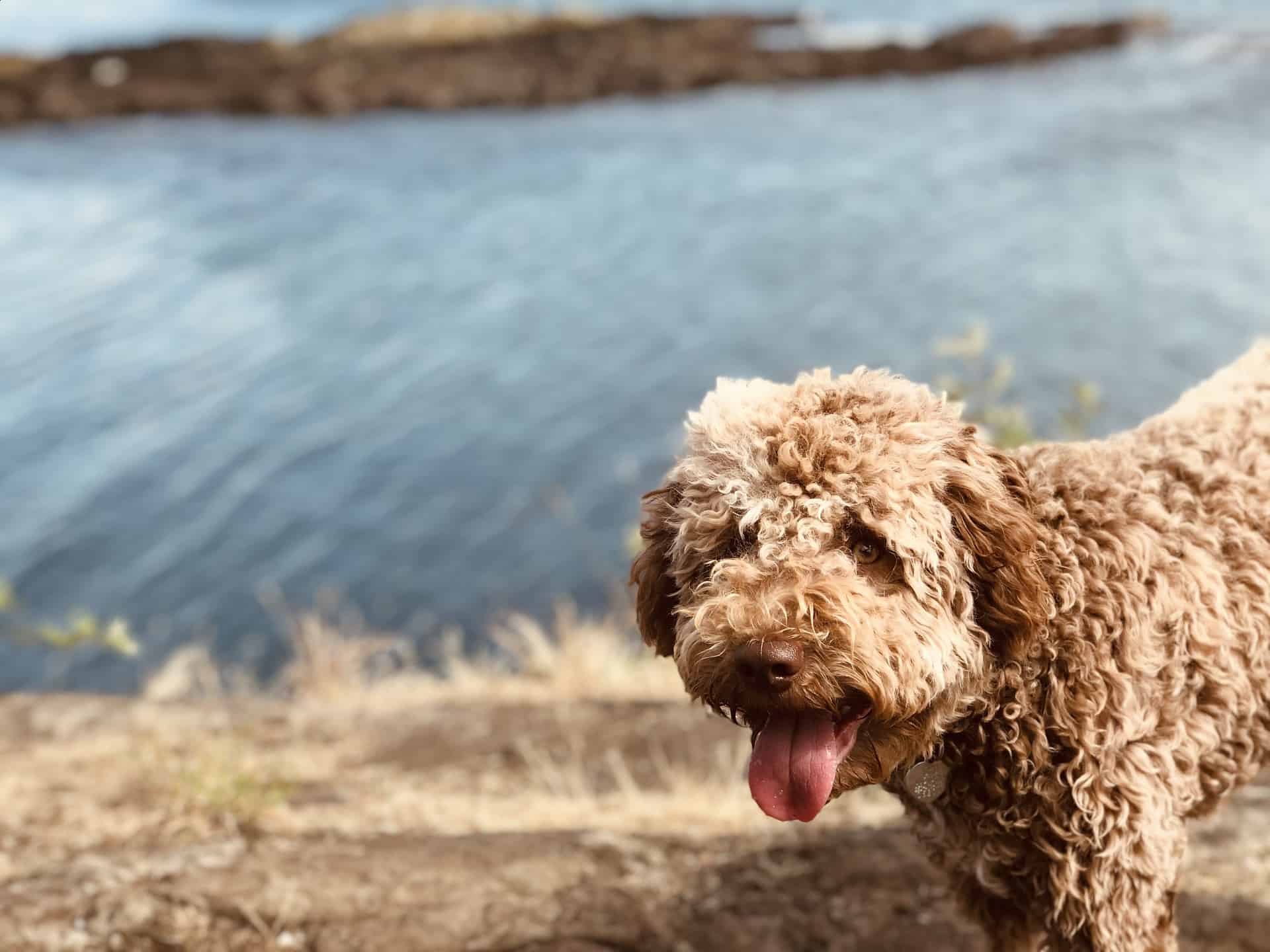
The **Lagotto Romagnolo** is another curly-coated working dog with ancient roots, similarly low-shedding, similarly trainable, and historically used for retrieving from water before it shifted to truffle hunting. The **Barbet** is a French water dog from the same functional family, sharing the dense curly coat, the working intelligence, and the affectionate temperament.
The **Curly Coated Retriever** is the outlier in size, being a much larger dog, but the link is the tight curly coat and the water-retrieving lineage; it shares the same fundamental build for a wet, active working life.
Trait ratings
- Energy level
- 4/5
- Exercise requirements
- 4/5
- Playfulness
- 4/5
- Affection level
- 4/5
- Friendliness toward dogs
- 3/5
- Friendliness toward other pets
- 3/5
- Friendliness toward strangers
- 2/5
- Ease of training
- 5/5
- Watchdog ability
- 5/5
- Protection ability
- 4/5
- Grooming requirements
- 2/5
- Cold tolerance
- 4/5
- Heat tolerance
- 4/5