Neapolitan Mastiff
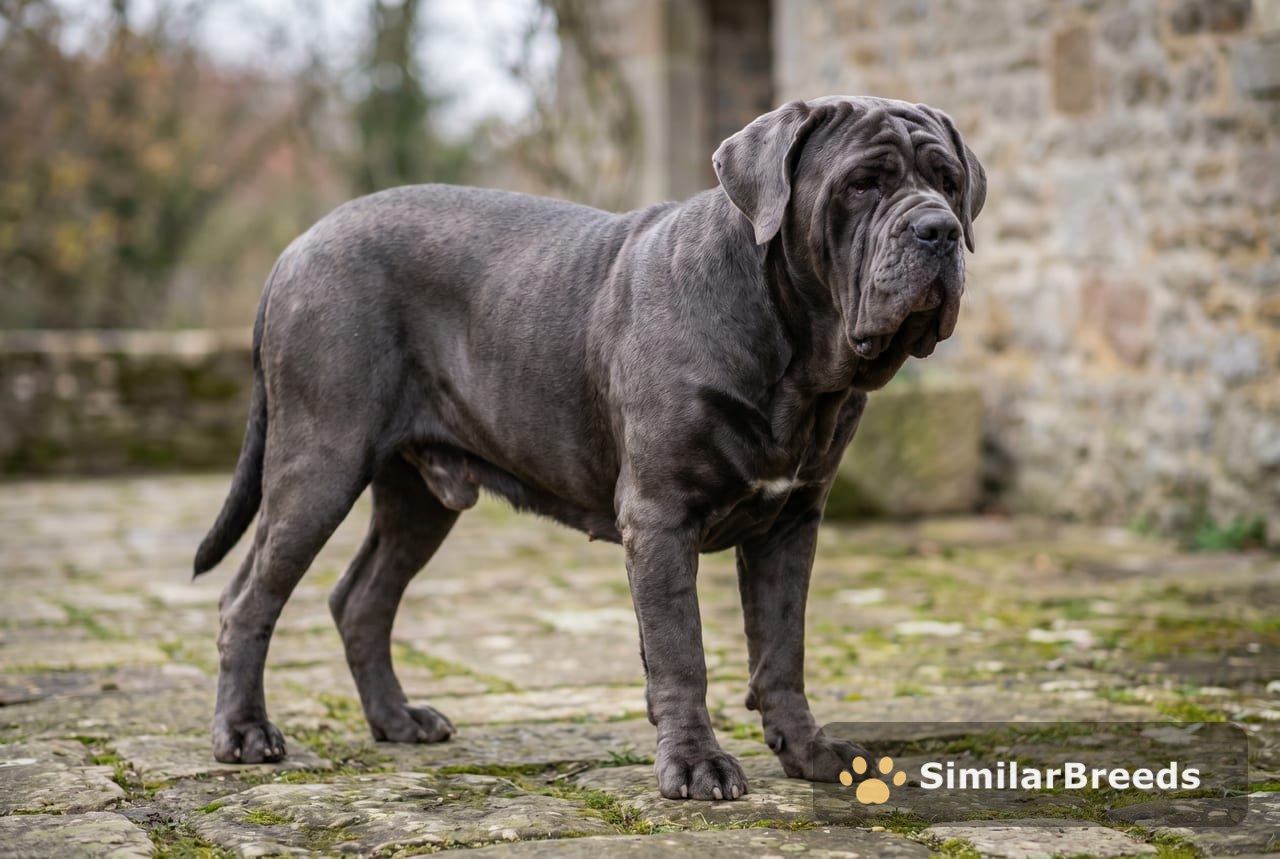
Also known as The Neapolitan Mastiff, said to be evolved from the Molussus fighting dogs used in the Roman Colosseum, has a threatening look: enormous, heavy-headed, and with a vicious face. The breed has primarily been used for guarding, as well as the law enforcement and military. It requires a skilled and experienced owner.
From Italy
Purpose & Origin
The Neapolitan Mastiff descends from a lineage of giant war dogs that stretches back to the ancient Middle East and Asia. Around 330 B.C., Alexander the Great crossed Macedonian war dogs with shorthaired Indian breeds, producing the Molossus. The Romans inherited these dogs, then encountered fierce British mastiffs during the invasion of Britain in 55 B.C. The two strains combined into an unsurpassed line of gladiator and war dogs, eventually called "mastini" and refined over centuries in southern Italy as estate guardians.
The breed remained almost entirely unknown outside the region until 1946, when a chance sighting at a Naples dog show prompted fancier Piero Scanziani to rescue it from obscurity. He helped draft a standard and secured FCI recognition under the name Mastino Napoletano. The breed reached the United States in the 1970s and entered the AKC Working Group in 2004.
Temperament & Behaviour
This is a dog bred for one purpose across many generations: to guard its family and property. The result is a dog that is deeply loyal and affectionate toward its household, openly suspicious of strangers, and not particularly interested in the world beyond its own territory. It tolerates familiar people well but does not warm to outsiders quickly. Around children it is gentle in intention, though its sheer mass makes accidents a real risk with small kids. It is not reliably compatible with other dogs, particularly dominant ones, and early and thorough socialisation is essential given the consequences of getting it wrong at 150 pounds.
Activity & Training
The Neo needs surprisingly little exercise for its size, but it needs space. A house with a yard suits it far better than an apartment. Heat is a serious concern: this breed tolerates cold well but struggles badly in warm weather and should not be exercised in it. Training requires patience and experience. The low ease-of-training score reflects an independent, confident temperament rather than outright stubbornness, but it means the dog will not defer automatically to a handler who has not earned its respect. This is not a breed for first-time owners.
Grooming
The short, dense coat has modest grooming demands. The bigger maintenance issue is the drool, which is considerable, and the mess around food and water bowls. Any prospective owner should understand this before committing. Coats require only basic brushing, but the wrinkled skin on the face and body needs attention to stay clean and free of irritation.
Health
Major concerns include hip dysplasia, cardiomyopathy, and demodicosis. Minor issues include cherry eye and elbow dysplasia, and the breed's hips, elbows, cardiac function, and eyes are all worth testing. Life expectancy runs 8 to 10 years, with the largest individuals typically at the shorter end. Breeding often requires artificial insemination and caesarean delivery. As with any giant breed, veterinary and boarding costs run higher than average.
Why these breeds are similar
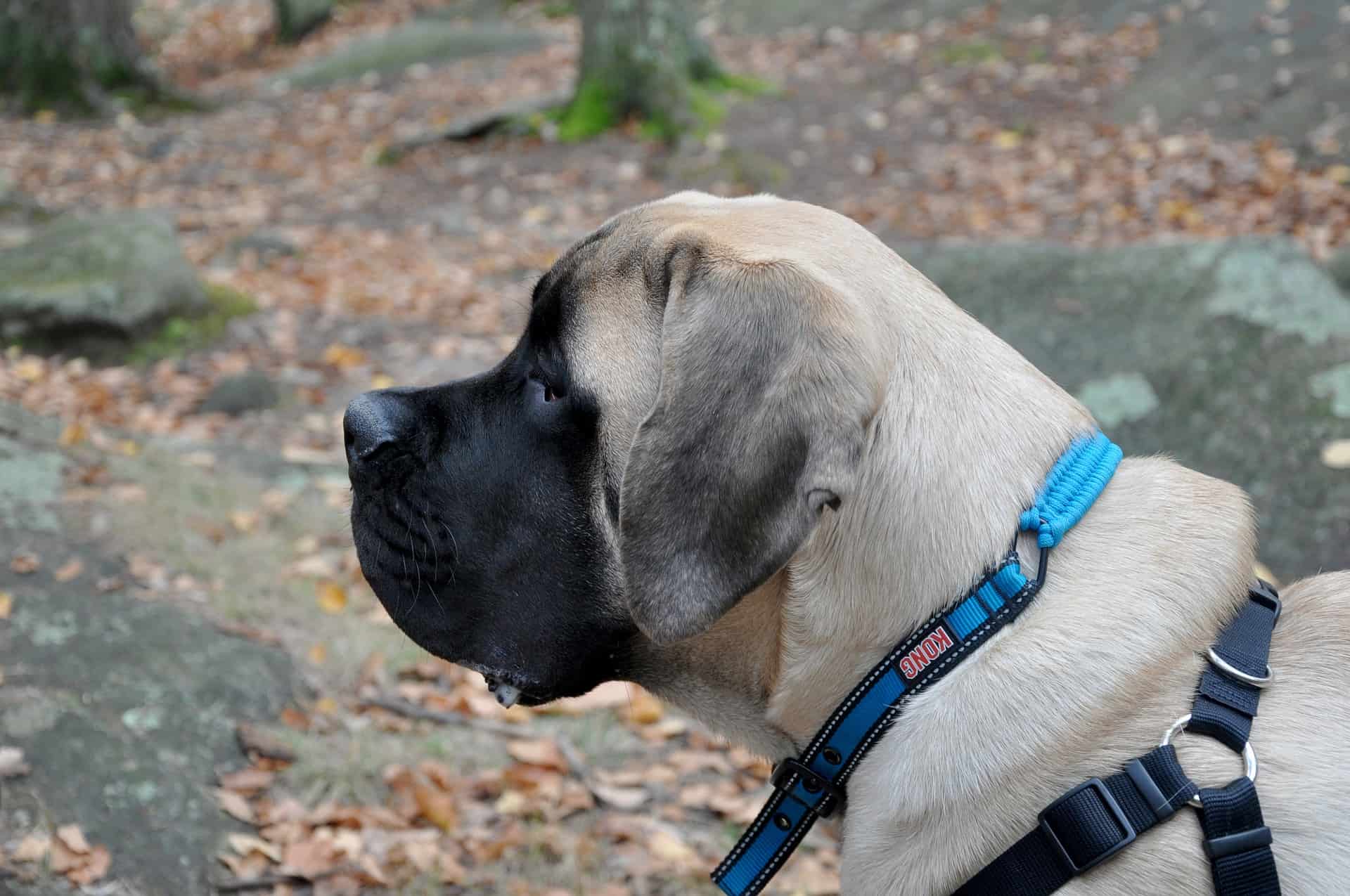
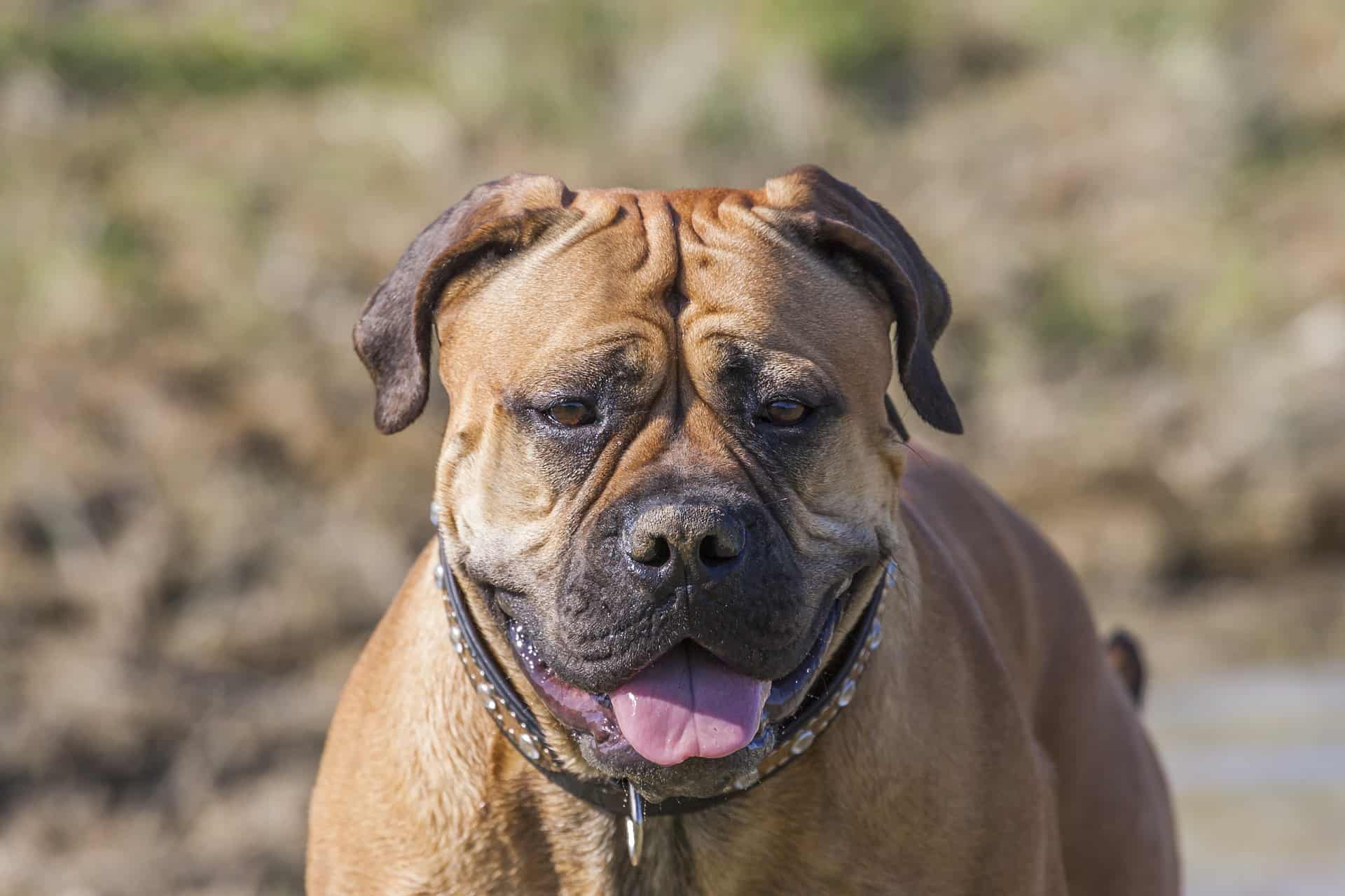
The Mastiff is the closest parallel, an English giant guardian from the same ancient Molossian lineage, sharing the heavy bone, the protective instinct toward family, and the measured, low-energy temperament in a domestic setting. The Bullmastiff sits in the same tradition, a deliberate cross of Mastiff and Bulldog developed specifically as a gamekeeper's guard dog, combining the Mastiff's size with somewhat more agility and an equally serious attitude toward strangers.
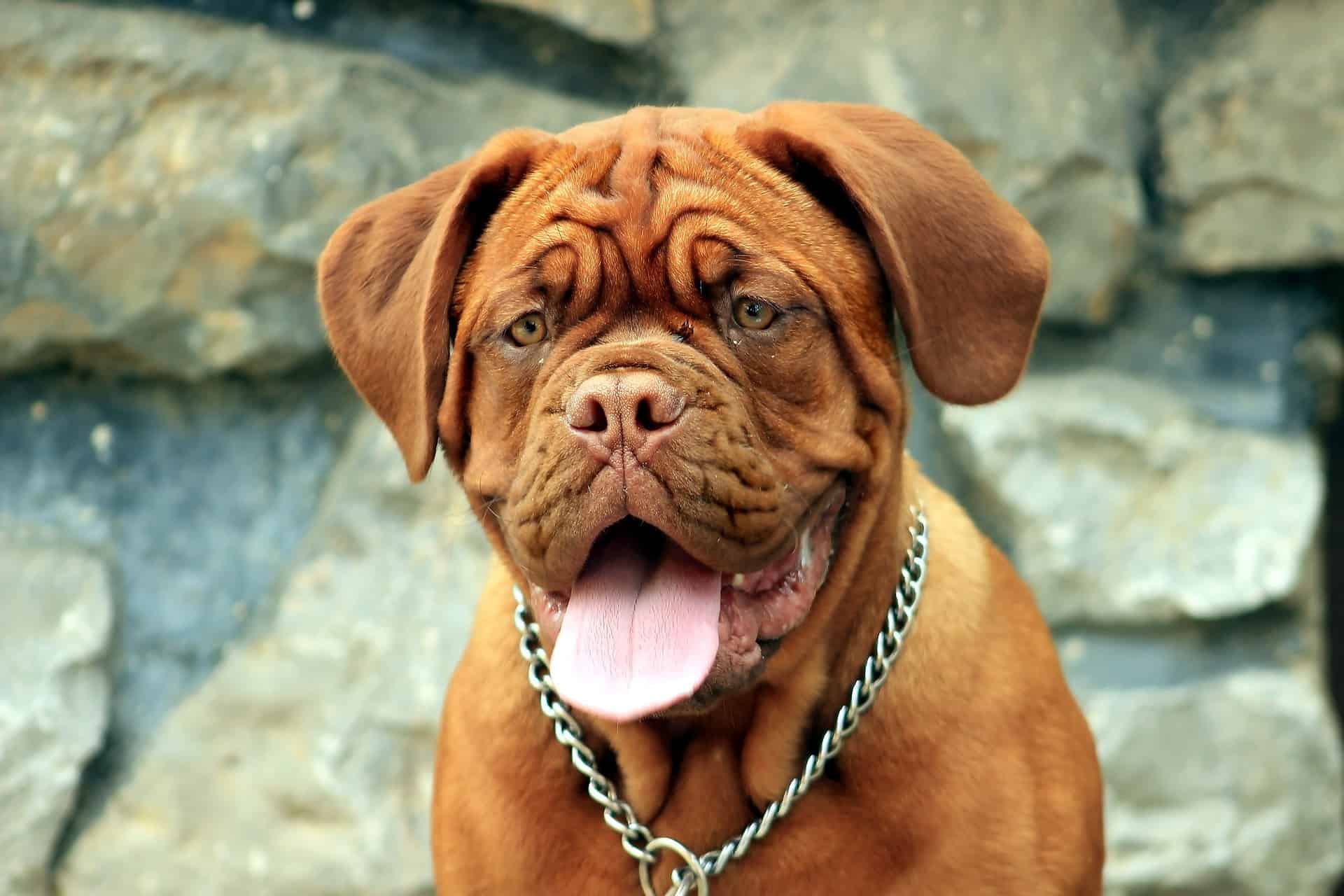
The Dogue de Bordeaux is the French branch of the same family tree, a massive, wrinkled, short-muzzled guardian with the same deeply devoted bond to its household, the same wariness of outsiders, and the same demands on an experienced owner. All three share purpose, build, and the fundamental temperament of a dog that protects its own.
Trait ratings
- Energy level
- 2/5
- Exercise requirements
- 1/5
- Playfulness
- 1/5
- Affection level
- 4/5
- Friendliness toward dogs
- 1/5
- Friendliness toward other pets
- 2/5
- Friendliness toward strangers
- 1/5
- Ease of training
- 2/5
- Watchdog ability
- 5/5
- Protection ability
- 5/5
- Grooming requirements
- 2/5
- Cold tolerance
- 4/5
- Heat tolerance
- 1/5