Greyhound
From Great Britain
Purpose & Origin
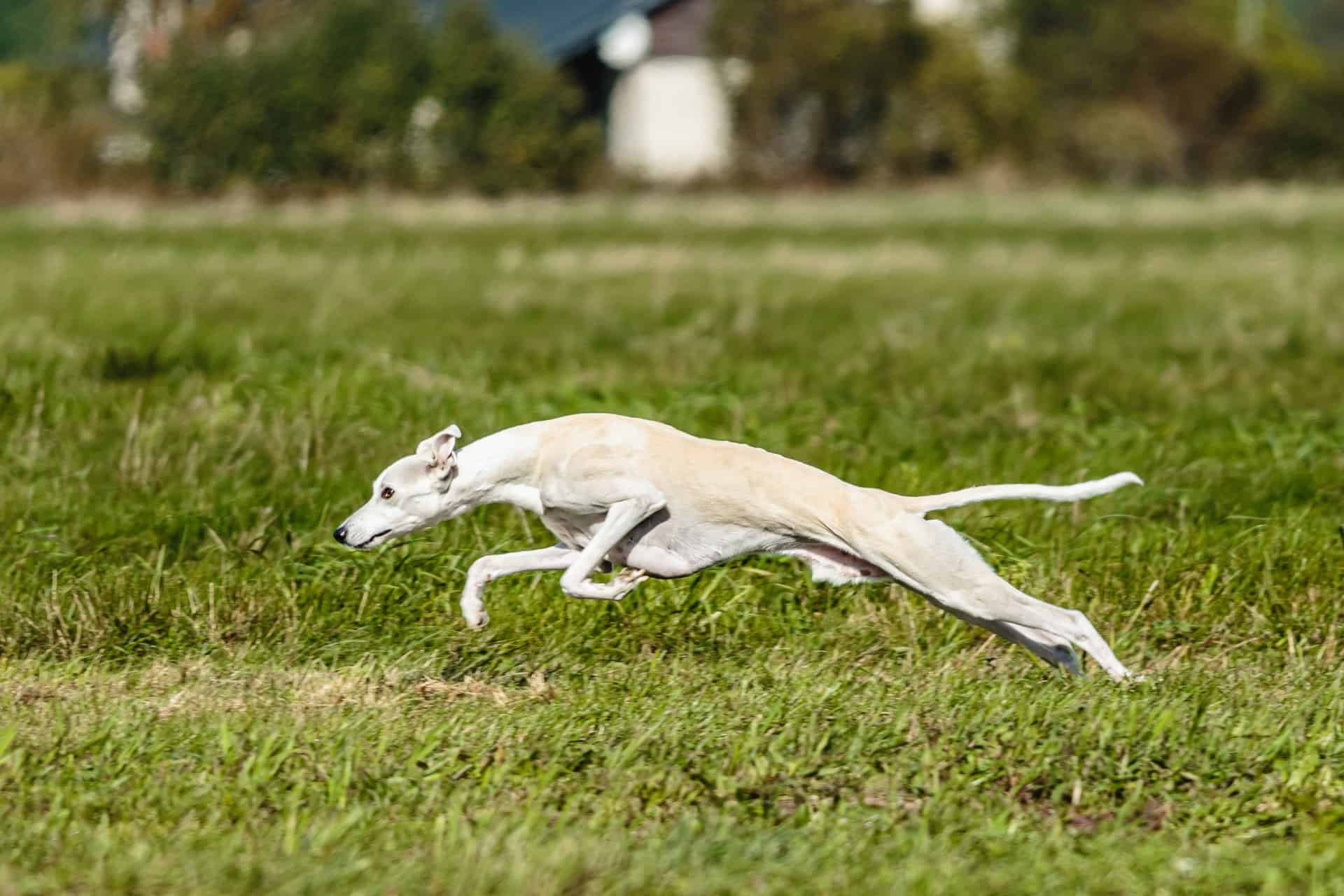
The Greyhound is as close to a universal archetype as dog breeding has ever produced. Sighthound-type dogs appear in ancient Egyptian, Greek, and Roman art, and the Greyhound has been the template ever since. The name may derive from Graius, meaning Greek, or from the Latin gradus, suggesting high grade.
By Saxon times the breed was firmly established in Britain, valued by commoners as a hunting partner and by nobility as a coursing companion. The Forest Laws of 1014 actually banned commoners from keeping Greyhounds near royal forests, a restriction that stood for four hundred years. Coursing hare became a defining upper-class pastime in the 1800s, and when the sport was opened to the public through enclosed tracks and mechanical lures, track racing followed.
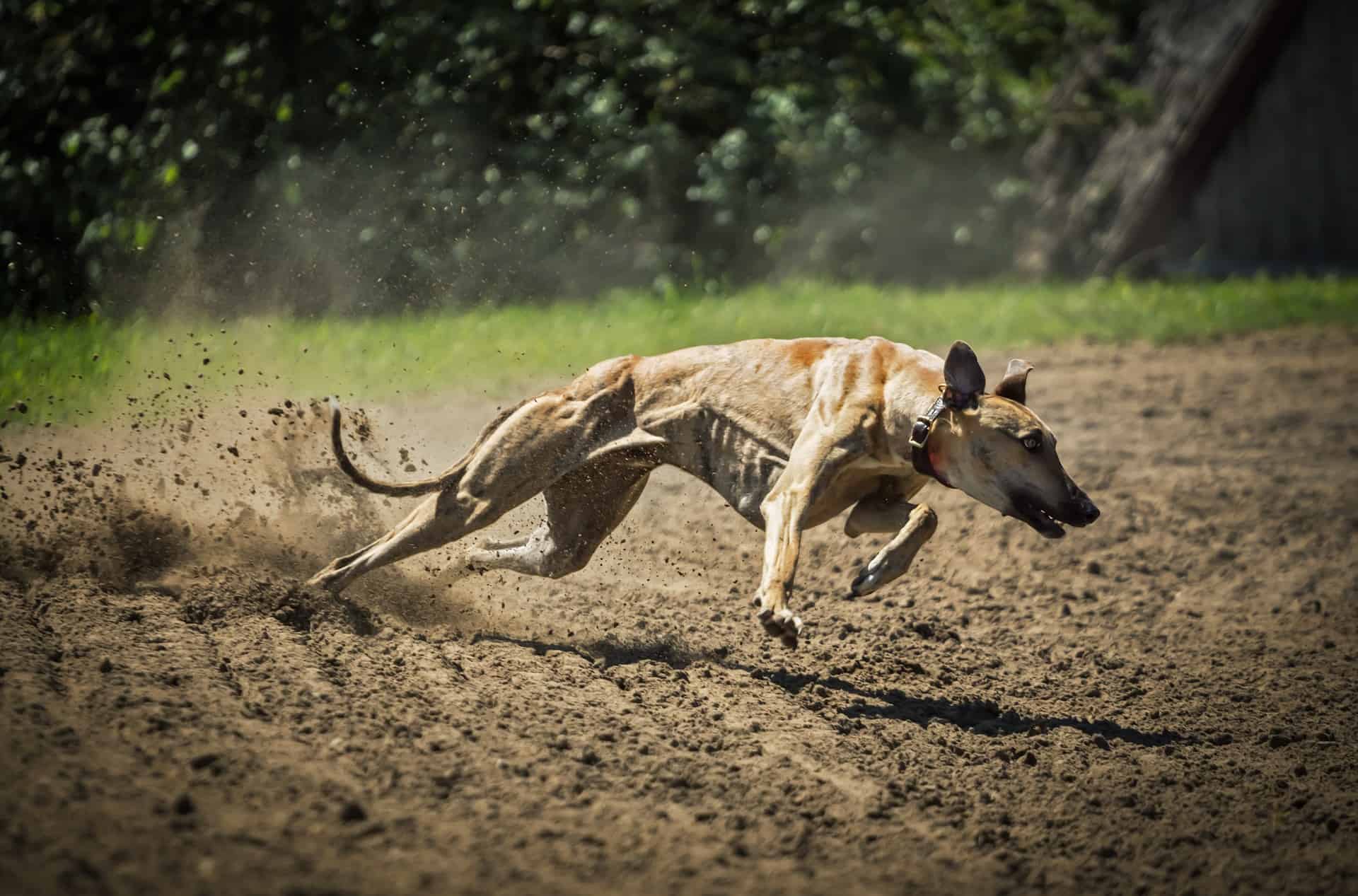
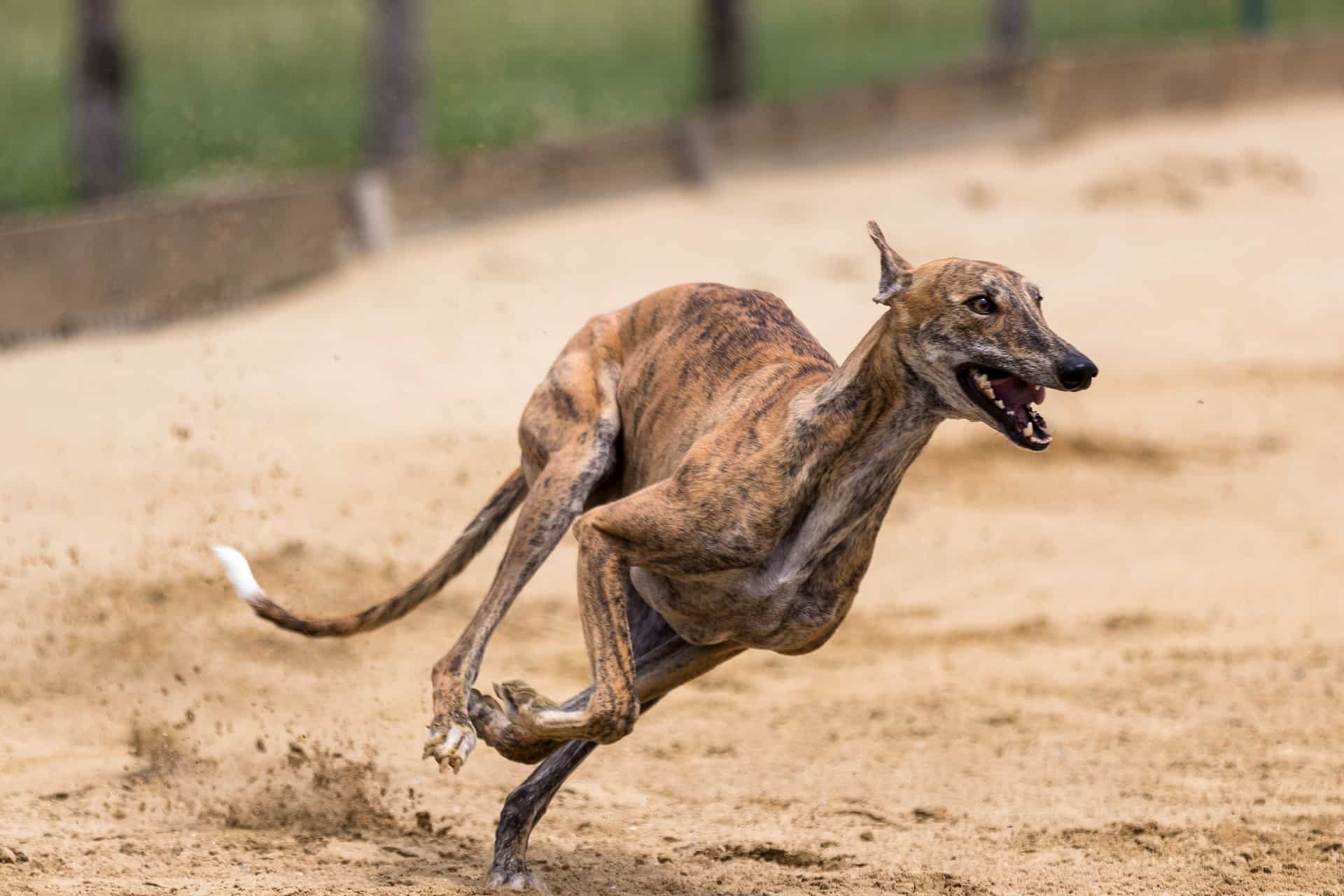
Commercial racing began in 1926 and shaped a dog bred purely for short explosive speed, the fastest of all breeds. AKC recognition came in 1885. Today the breed splits into show and racing lines, rarely crossed, and retired NGA racers have become one of the more appealing routes into greyhound ownership.
Temperament & Behaviour
The Greyhound's reputation as "the world's fastest couch potato" is well earned. Indoors, this is a quiet, calm, well-mannered dog that asks for little beyond a warm spot and soft bedding. It is good with other dogs and generally fine with pets it has been raised alongside, though outdoors any small moving animal triggers the chase instinct hard. Strangers get a reserved, sometimes cautious reception rather than an enthusiastic one. The Greyhound is sensitive and can be timid; heavy-handed handling goes badly. Despite clear independence, it does want to please, which makes it more cooperative than its sighthound relatives when the motivation is right.
Activity & Training
The Greyhound is a sprinter, not an endurance athlete, and that distinction matters for its daily routine. A proper off-lead run in a securely fenced area satisfies its exercise needs better than a long jog on leash. The speed involved is not trivial: a Greyhound running loose near traffic is in serious danger. A longer leash walk works on days when a safe run is not possible. Training is straightforward for a sighthound. The breed scores in the middle range for trainability and responds best to calm, consistent handling rather than repetition-heavy obedience sessions. Recall is the one area that reliably needs work, given the chase drive.
Grooming
The coat is about as low-maintenance as any breed offers. Short, smooth, and close-fitting, it needs only an occasional brush to clear dead hair. The trade-off is that this minimal coat provides almost no insulation: Greyhounds feel cold acutely and must have warm, padded sleeping surfaces. A dog coat is practical in cold weather, not decorative. Grooming otherwise involves routine care only.
Health
The Greyhound lives roughly 10 to 13 years. The primary serious concern is osteosarcoma. Minor issues include esophageal achalasia and gastric torsion. Occasional cardiac conditions are noted and a cardiac check is recommended. The breed is notably sensitive to barbiturate anaesthesia, which any vet treating a Greyhound must know before any procedure. Retired racing dogs often carry old toe, hock, and muscle injuries from track work. Thin skin makes lacerations common, and tail-tip injuries are a recurring minor problem.
Why these breeds are similar
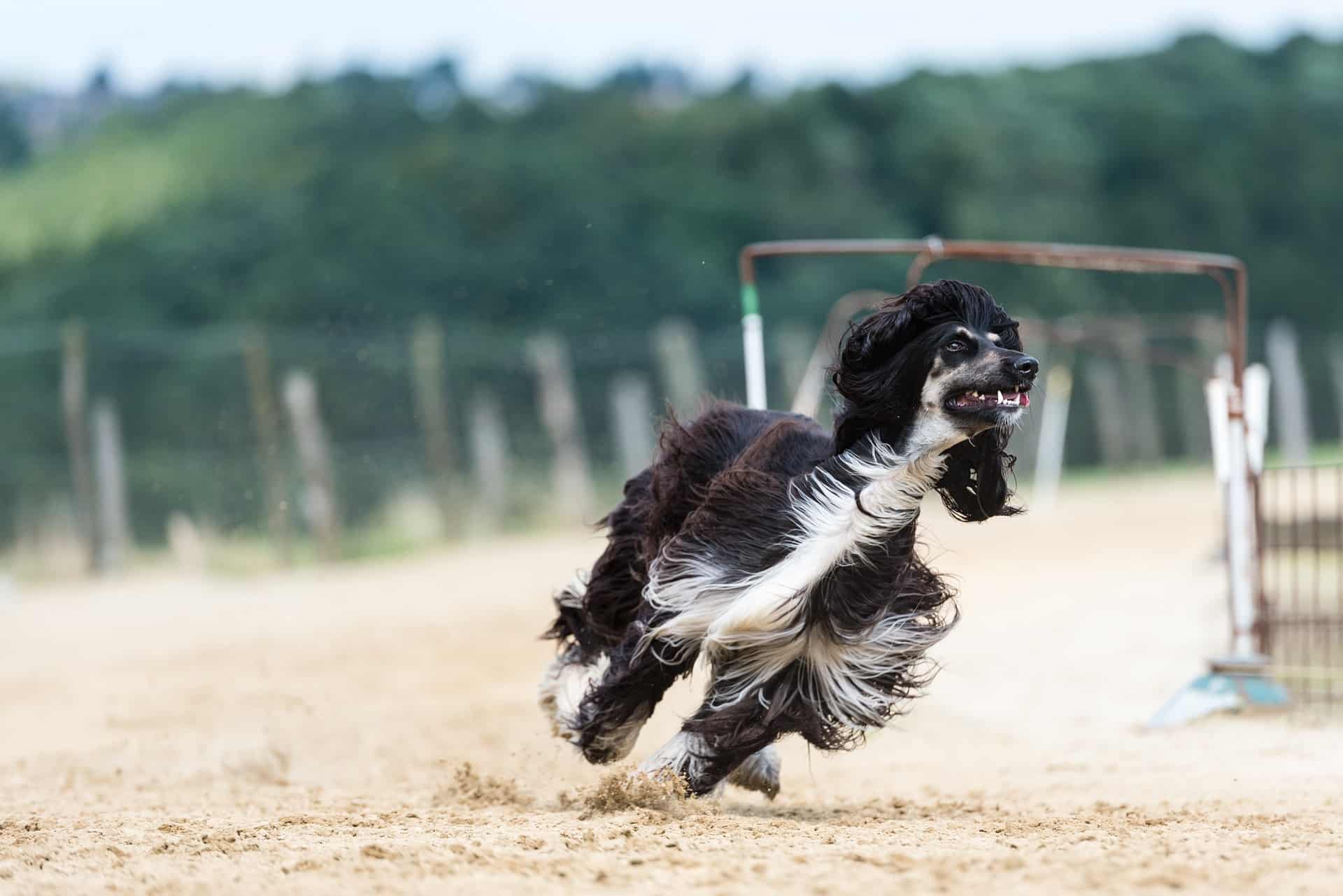
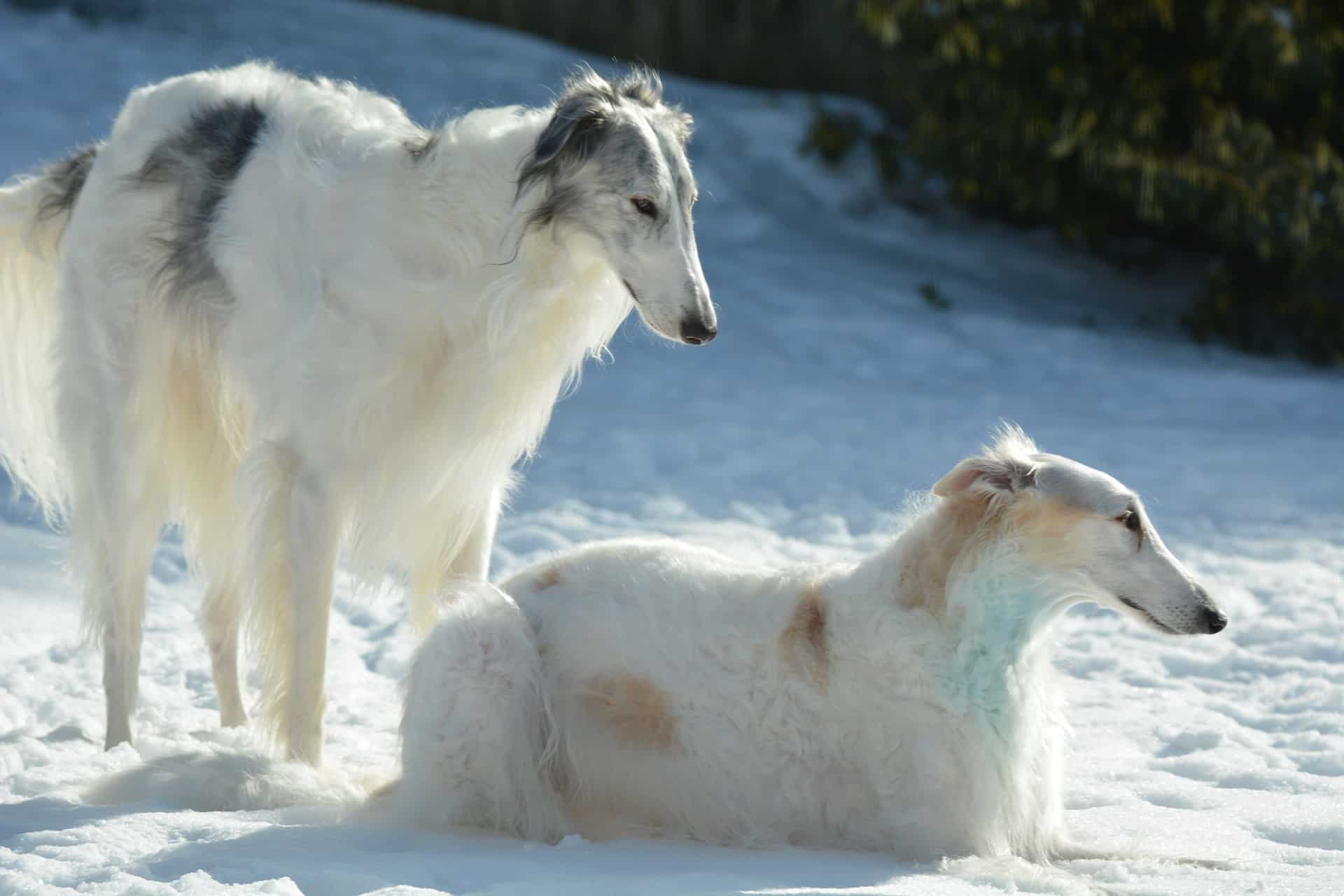
The Whippet is the most direct relative, a smaller Greyhound in almost every respect, bred in northern England from Greyhound crosses for exactly the same purpose: coursing small game at speed. The Borzoi and the Afghan Hound share the sighthound build and the same ancient coursing lineage, though both carry long flowing coats and were developed independently in Russia and Afghanistan respectively.
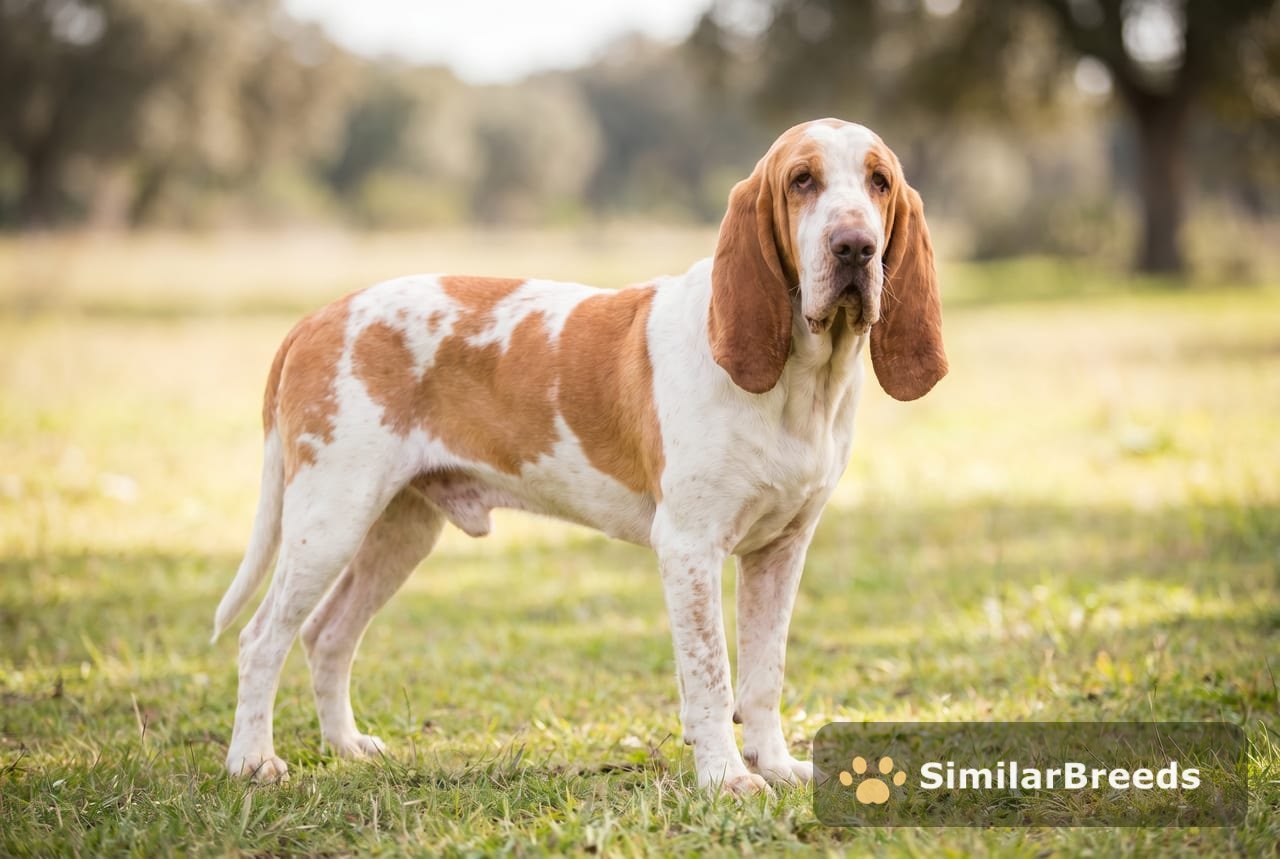
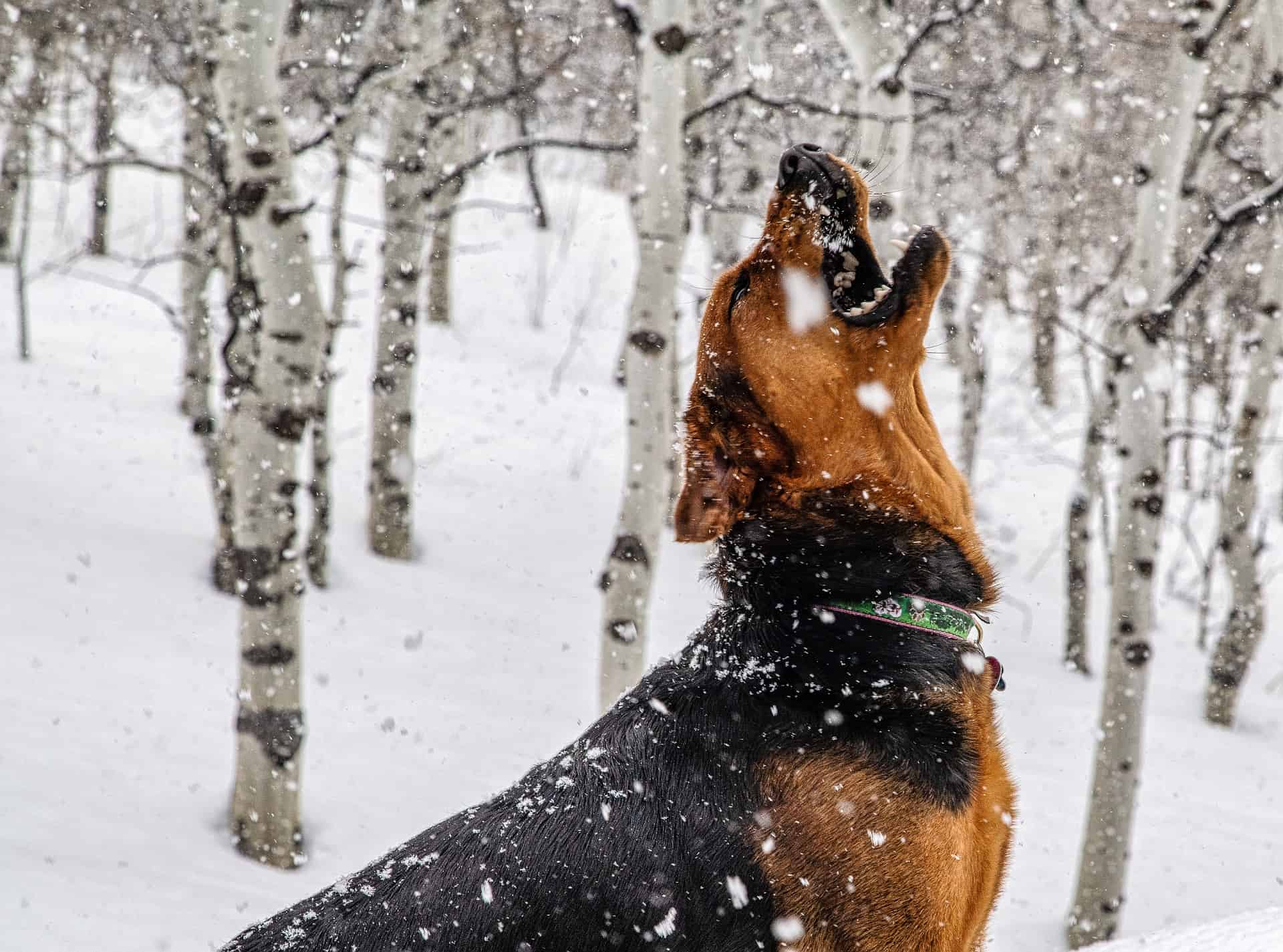
The Hungarian Greyhound is a regional variant of the same basic type, used for hare coursing on the Central European plains. The Spanish Hound is a scent hound rather than a sighthound, but it connects through the broad hound category and shares the lean, athletic frame. The Polish Hound similarly belongs to the scenthound tradition and appears here through build and hunting heritage rather than a direct coursing link.
Trait ratings
- Energy level
- 2/5
- Exercise requirements
- 3/5
- Playfulness
- 3/5
- Affection level
- 3/5
- Friendliness toward dogs
- 3/5
- Friendliness toward other pets
- 2/5
- Friendliness toward strangers
- 3/5
- Ease of training
- 3/5
- Watchdog ability
- 2/5
- Protection ability
- 2/5
- Grooming requirements
- 1/5
- Cold tolerance
- 1/5
- Heat tolerance
- 2/5