Purpose & Origin
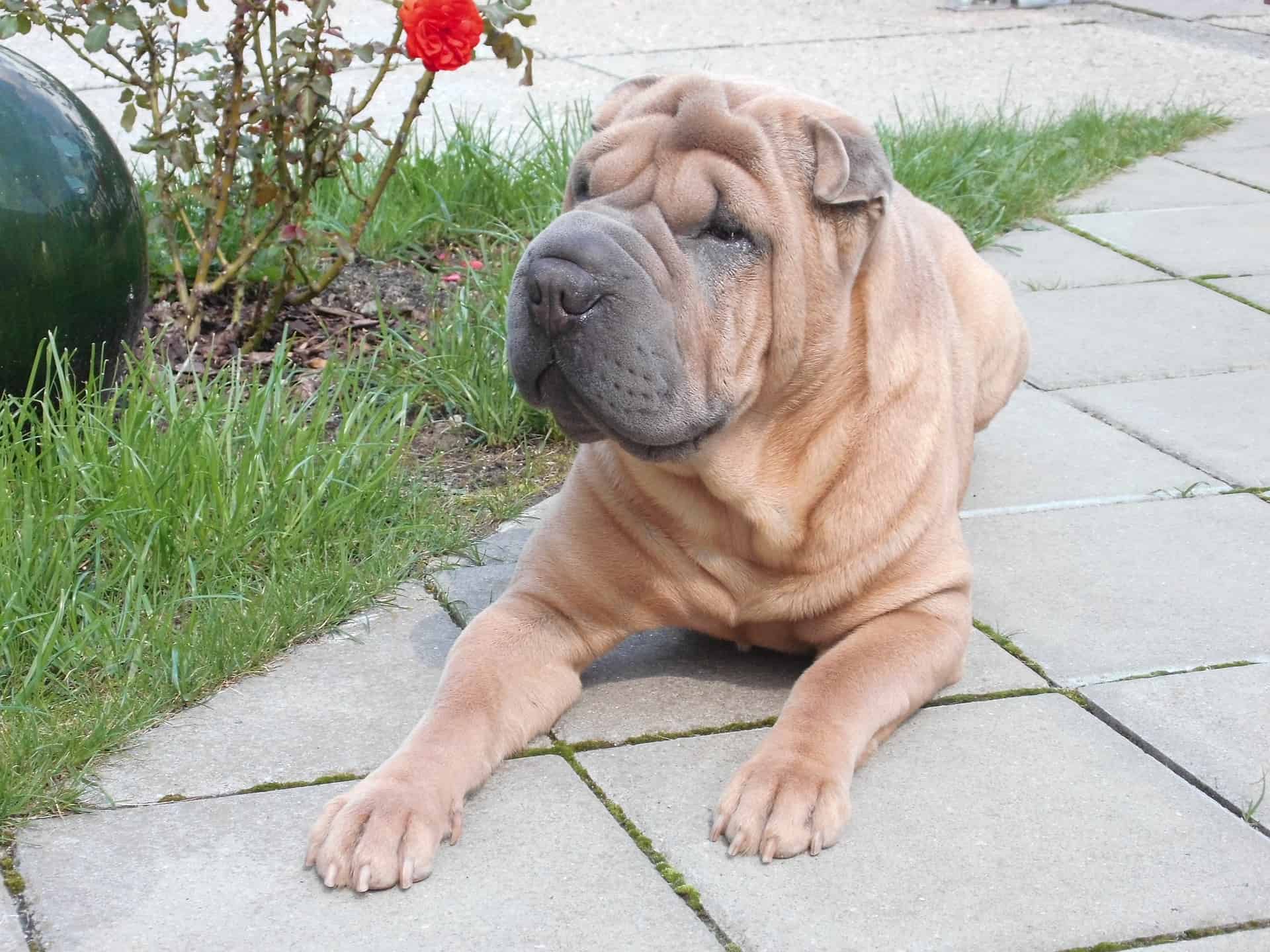
The Chinese Shar-Pei is an ancient Chinese breed with roots going back at least to the Han dynasty, around 200 B.C., and written descriptions of a wrinkled dog from the thirteenth century confirm its long presence in southern China. Its original function was broad and unglamorous: peasant farmers used it as a guard dog, a hunter of wild boar, and a fighting dog. When China became communist, most of the country's dogs were eliminated, and the Shar-Pei nearly vanished with them. A remnant population survived in Hong Kong and Taiwan, and the Hong Kong Kennel Club recognised the breed in 1968.
A 1973 article in an American dog publication flagged the breed as possibly the world's rarest dog, which triggered a rush among fanciers to acquire the few animals available. From that near-extinction, the Shar-Pei climbed to mainstream popularity in the United States and became one of the most recognisable breeds in the world. The name itself means "sandy coat," a reference to the rough, sandpaper-like texture of the short bristled fur.
Temperament & Behaviour
This is not an easy dog. The Shar-Pei is serious, self-assured, and deeply independent, with a stubborn streak that runs through everything it does. It bonds closely with its own family and is protective of them, but affection is not its natural mode; it tends toward reserve rather than warmth. Strangers are met with suspicion, and the breed's watchdog and protection instincts are very strong. Dog-to-dog aggression is a real tendency, and it may chase cats or other small animals outside its own household, though it typically tolerates family pets it has grown up with. This is not a dog for first-time owners or anyone who wants an eager-to-please companion.
Activity & Training
Exercise needs are moderate. A long daily walk or a stretch of active play throughout the day is enough to keep the Shar-Pei content; it does not demand the kind of sustained output that working terriers or herding breeds do. The challenge is mental rather than physical: low trainability combined with a strong will means obedience training requires consistency and patience. The Shar-Pei will test whether you mean what you say, and it responds poorly to harsh handling. Early socialisation is not optional with this breed; it is essential.
Grooming
Coat maintenance is straightforward. Weekly brushing keeps the short, coarse coat in order, and the Shar-Pei does not require much beyond that on the fur itself. The wrinkles are a different matter. Skin folds, particularly around the head, neck, and shoulders, trap moisture and debris, and they need regular cleaning to prevent irritation and bacterial pyoderma. Puppies carry exaggerated folds across the entire body; adults typically retain them mainly around the head and neck. One practical note: rubbing the coat against the grain can cause discomfort and even welts on sensitive skin, so handle accordingly.
Health
The Shar-Pei carries a specific set of health concerns tied directly to its structure. Entropion (inward-rolling eyelids) and canine hip dysplasia are the most serious issues. Skin fold infections, ear infections, and allergies are common minor concerns. Some individuals experience Shar-Pei fever, a periodic inflammatory condition linked to the same genetic mutation responsible for the wrinkling. Amyloidosis affecting the kidneys is also documented in the breed. Life expectancy runs 8 to 10 years. Recommended health screenings cover hips, knees, elbows, eyes, and thyroid.
Why these breeds are similar
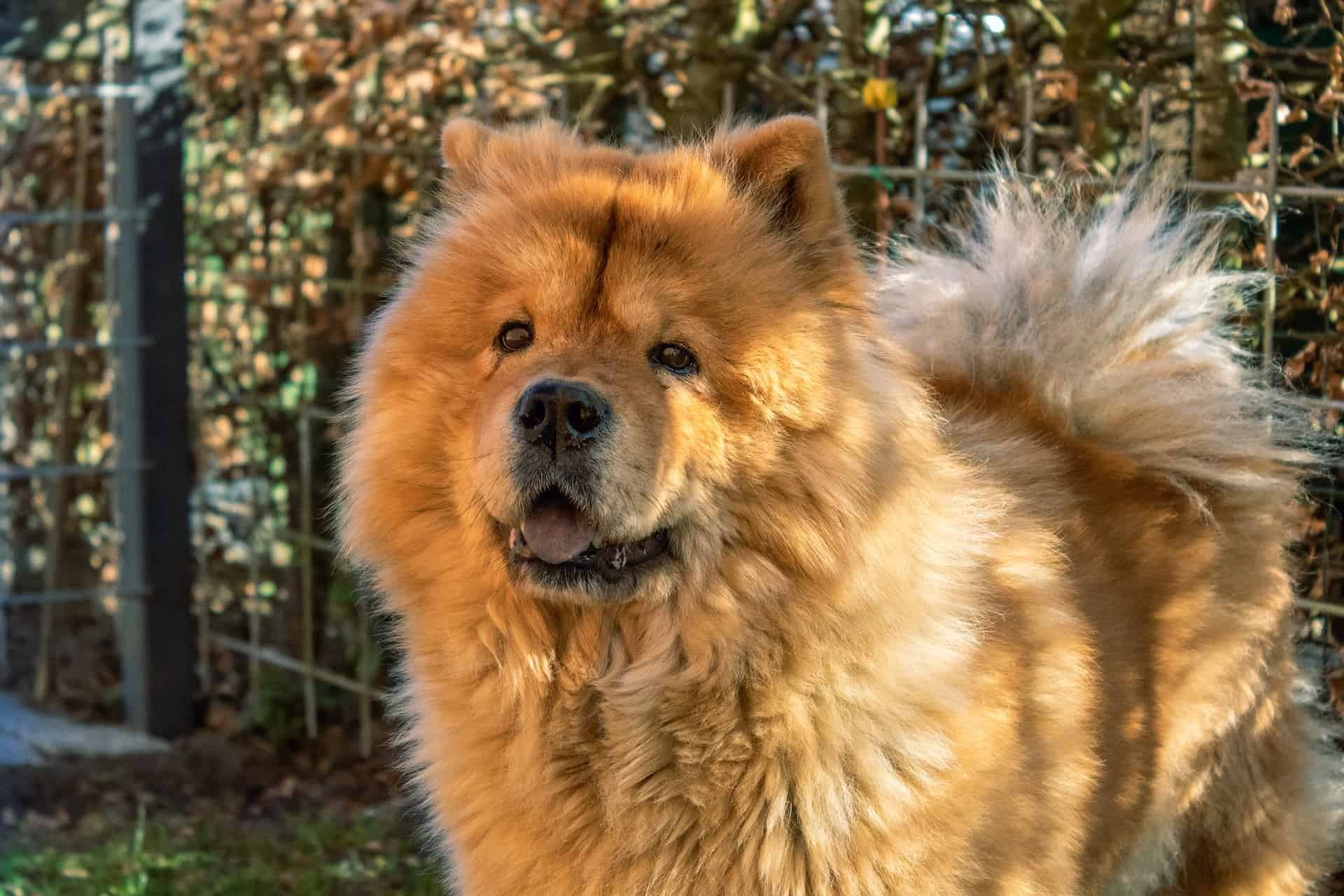
The **Chow Chow** is the Shar-Pei's closest analogue and is the only other breed in the world that shares the distinctive blue-black tongue, a trait the two breeds likely inherited from a common Chinese ancestor. Beyond genetics, the resemblance is temperamental: the Chow Chow is equally aloof, independently minded, and suspicious of strangers, and carries the same strong guarding instinct. Both are serious, loyal to their own people, and challenging to train for owners expecting easy compliance. They are essentially parallel products of the same ancient Chinese working-dog tradition.
Trait ratings
- Energy level
- 3/5
- Exercise requirements
- 3/5
- Playfulness
- 1/5
- Affection level
- 1/5
- Friendliness toward dogs
- 1/5
- Friendliness toward other pets
- 3/5
- Friendliness toward strangers
- 1/5
- Ease of training
- 1/5
- Watchdog ability
- 5/5
- Protection ability
- 4/5
- Grooming requirements
- 2/5
- Cold tolerance
- 3/5
- Heat tolerance
- 2/5