Berger Picard
Also known as Picard, Berger de Picardie, Picardy Shepherd, Picardy Sheepdog
From France
Purpose & Origin
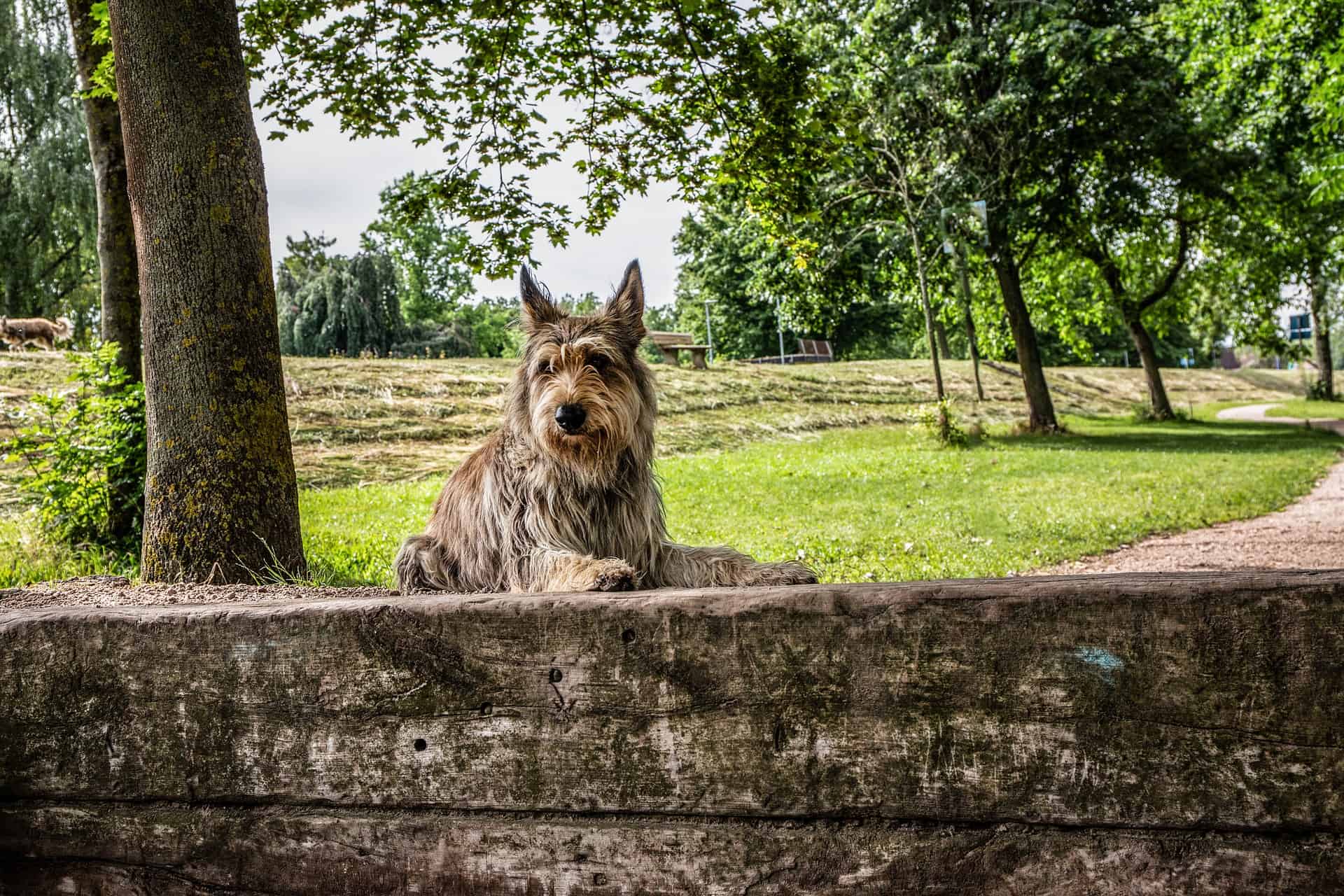
The Berger Picard is France's oldest sheepdog, and possibly its most overlooked. Images of dogs matching its rough, upright-eared silhouette appear in French manuscripts from the 14th century, and some historians trace the breed back to Celtic herders who arrived in Gaul around 400 BC. When France began classifying its pastoral dogs in the mid-1800s, the Picard emerged as the medium-coated branch of the family, distinct from the shorthaired Beauceron and the long-coated Briard. The name is straightforward: "berger" means shepherd, and Picardy is the northern region the breed worked.
It was never a show-ring favourite; its rough, workmanlike appearance put off exhibitors from the start, and formal breed recognition by the French Shepherd Club only came in 1925. Both World Wars essentially destroyed the population, as battles tore through Picardy's farmland and wartime scarcity left little food for farm dogs. Post-war breeders combed the countryside to find survivors, and the foundation of the modern breed was assembled in the early 1950s. The Picard reached AKC herding group status in 2015, still very rare outside France.
Temperament & Behaviour
Picards are alert, confident, and even-tempered, with an independent streak that comes directly from generations of herding work where the dog had to make its own decisions. That self-reliance can read as stubbornness; it can equally show up as sensitivity, since the same dog that second-guesses a command may fall apart under harsh correction. They are affectionate with their family and generally get along well with other dogs, but they tend to be reserved around strangers rather than openly welcoming. They are not nuisance barkers, which makes their occasional alert bark more meaningful. The playful, comical side of the breed surprises owners who expect pure earnestness.
Activity & Training
A dog bred to move livestock all day across open Picardy farmland needs genuine exercise, not a leisurely stroll. Daily running is a baseline requirement, combined with mental work that keeps the busy herding brain occupied. Obedience, agility, and actual herding all suit the breed well. Training generally goes smoothly because Picards are responsive and reasonably biddable (ease of training scores high), but the independent temperament means consistency matters more than clever tricks. They do not respond well to repetitive, mechanical drilling.
Grooming
The Picard's harsh, shaggy coat is lower maintenance than it looks. It has unusually low oil content, which means it resists the doggy smell that plagues many working breeds and rarely needs bathing. It does not mat. Routine brushing keeps it tidy, and the only real task is occasional plucking of excess hair around the ears, particularly for dogs shown in conformation. Grooming demands overall are modest.
Health
The Berger Picard is a healthy, long-lived breed with a typical lifespan around 13 years. No major hereditary concerns have been identified. Minor issues documented in the breed include progressive retinal atrophy and occasional breeding difficulty. Hip dysplasia, osteochondrosis, and distichiasis appear rarely. Owners should note a documented sensitivity to barbiturate-based anesthesia, which any veterinarian treating the dog should know about before surgery. Routine hip and eye testing is recommended.
Why these breeds are similar
No similar breeds are listed in the source data for the Berger Picard at this time.
Trait ratings
- Energy level
- 4/5
- Exercise requirements
- 4/5
- Playfulness
- 3/5
- Affection level
- 4/5
- Friendliness toward dogs
- 4/5
- Friendliness toward other pets
- 3/5
- Friendliness toward strangers
- 3/5
- Ease of training
- 4/5
- Watchdog ability
- 3/5
- Protection ability
- 2/5
- Grooming requirements
- 2/5
- Cold tolerance
- 3/5
- Heat tolerance
- 3/5
Breeds similar to Berger Picard
No similar breeds are mapped for Berger Picard yet - try browsing its FCI group or country of origin below.